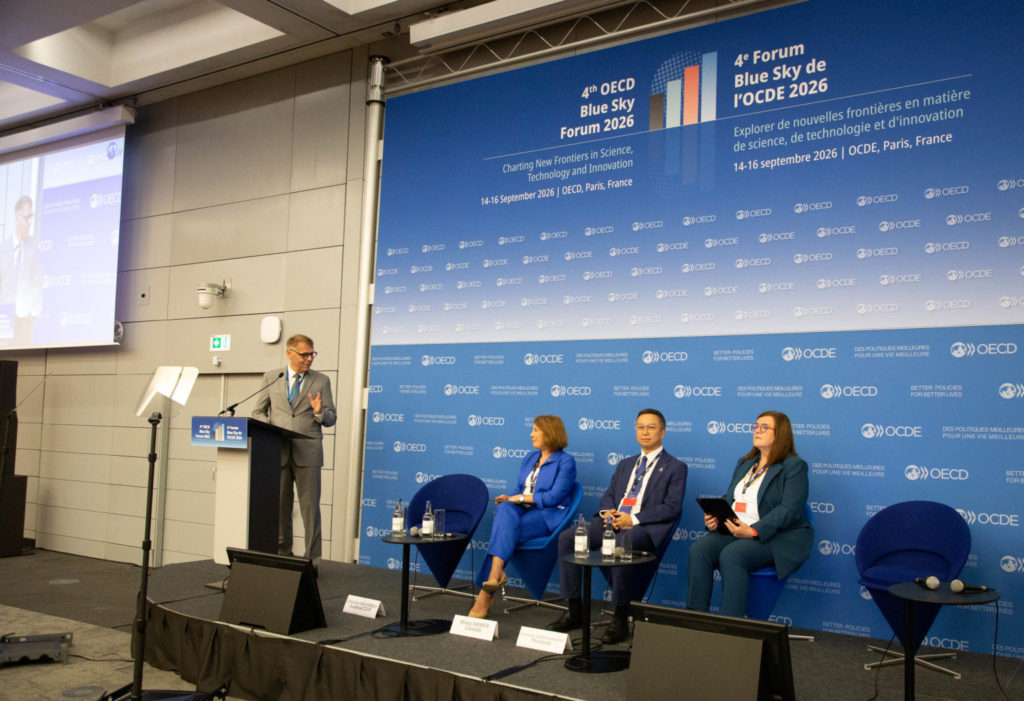
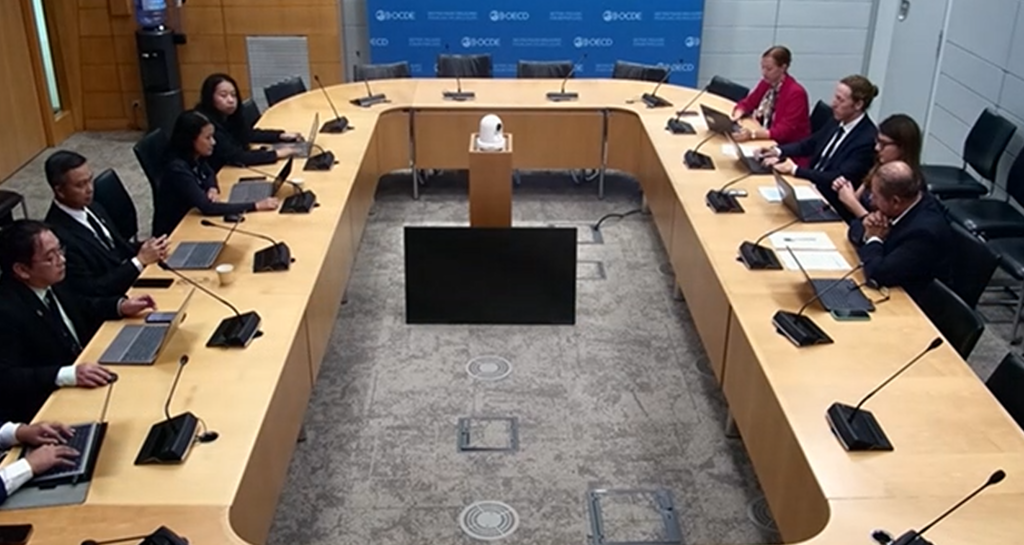
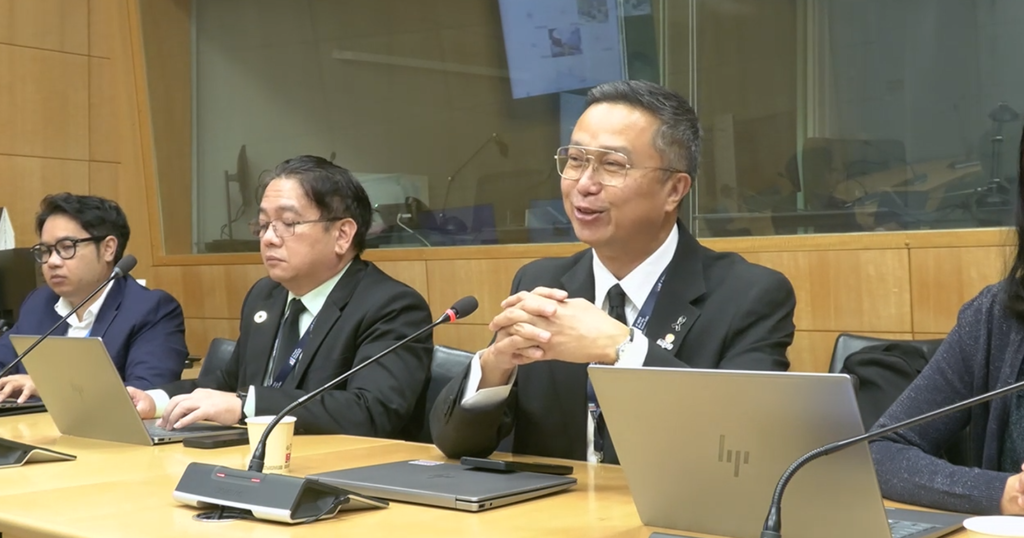
Dr. Surachai Sathitkunarat, President of NXPO, participated as a panelist at the OECD Blue Sky Forum 2026, an international forum on the development of science, technology, and innovation (STI) indicators, held on 14 September 2026 in Paris, France. The session focused on the use of data and statistics for policymaking and featured Ms. Mona Nemer, Chief Science Advisor to the Government of Canada, and Ms. Teresa Riesco, Secretary General for Innovation at the Ministry of Science, Innovation and Universities of Spain. The session was moderated by Mr. Christian Naczinsky, Head of the Department for EU and OECD Research Policy at the Austrian Ministry of Science, Research and Economy and Chair of the OECD Committee for Scientific and Technological Policy (CSTP).

During the session, Dr. Surachai presented developments in Thailand’s higher education, science, research, and innovation system as the country proceeds with its accession to the Organisation for Economic Co-operation and Development (OECD). The system reform includes the establishment of the National Higher Education Science Research and Innovation Policy Council, as well as the Policy Data Center, a platform for integrating data on higher education, science, research, and higher education institutions. The platform supports monitoring of national developments and provides evidence for policy decision-making under the country’s central data system, with the National Statistical Office serving as the lead agency.
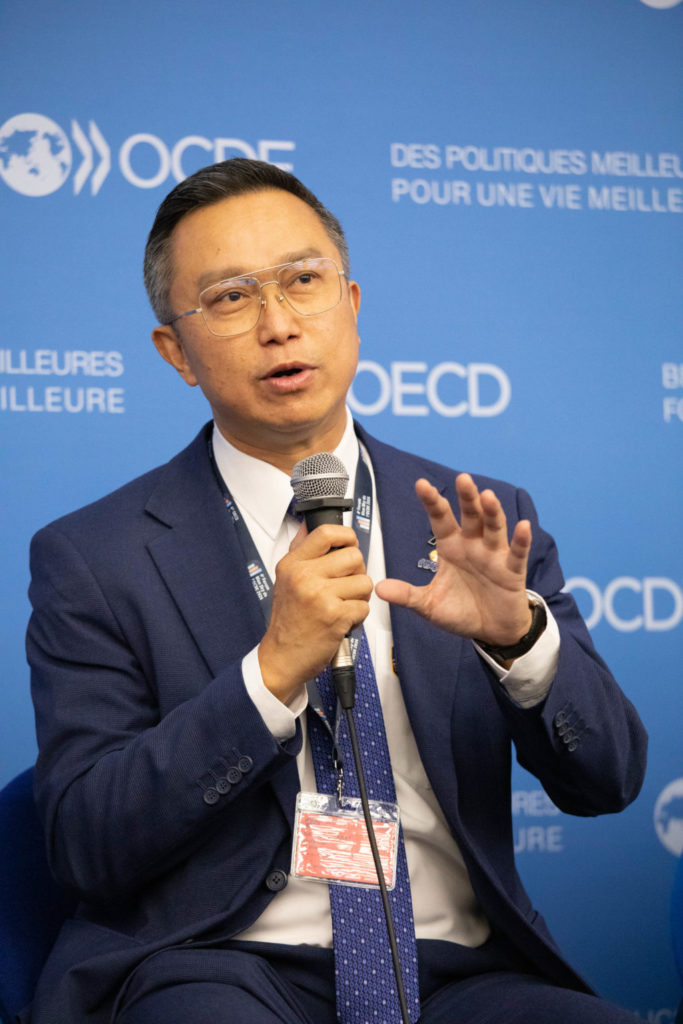
Dr. Surachai highlighted four key challenges facing policymakers. First is the monitoring and evaluation of policy implementation at the levels of outputs, outcomes, impacts, and spillover effects on the real economy, such as the agricultural sector, so that the findings can provide feedback for subsequent policy cycles. Second is the increase in Thailand’s research and development investment from 0.2% to more than 1% of GDP, which raises the need to adapt international indicators to better reflect Thailand’s national context. Third is the rapid pace of technological advancement, which is outpacing the development of indicators and means that existing international indicators may not adequately capture emerging disruptive technologies. Fourth is the need to balance the use of empirical evidence with the protection of confidential microdata held by the private sector.

Dr. Surachai also highlighted the role of the private sector, which currently accounts for approximately 70% of research and development investment, compared with around 30% from the public sector. This reflects a national innovation system built on collaboration among the private sector, government, and academia, with the private sector leading innovation development and the government providing policy support. The private sector is willing to share data when it sees direct benefits, enabling surveys to better align with the country’s context.
In closing, Dr. Surachai emphasized the need to adapt international indicators to the context of individual countries, as no single set of indicators can apply universally. This aligns with the panel’s shared conclusion that the key is not simply to have more data, but to have high-quality, reliable, and timely data that is effectively used to inform policymaking.
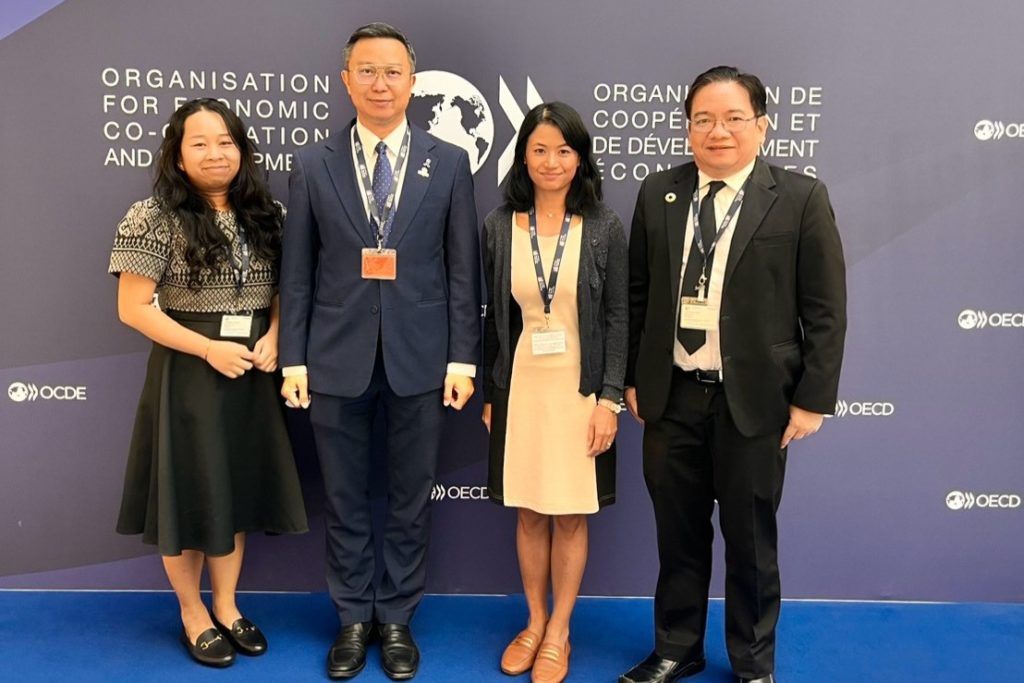
In addition to participating in the forum, the Thai delegation, comprising Dr. Surachai Sathitkunarat; Dr. Pranpreya Sriwannawit Lundberg, Senior Director of the International Policy Partnership Division; Mr. Parinand Varnasavang, Senior Policy Specialist; and Ms. Kotchaphan Bowonchaiyarit, Policy Developer, held bilateral meetings with the Secretariat of the Working Party of National Experts on Science and Technology Indicators (NESTI) and the Committee for Scientific and Technological Policy (CSTP) of the OECD. The discussions focused on following up on the progress of Thailand’s OECD accession process in the area of science, technology, and innovation and preparing for the ongoing technical review.
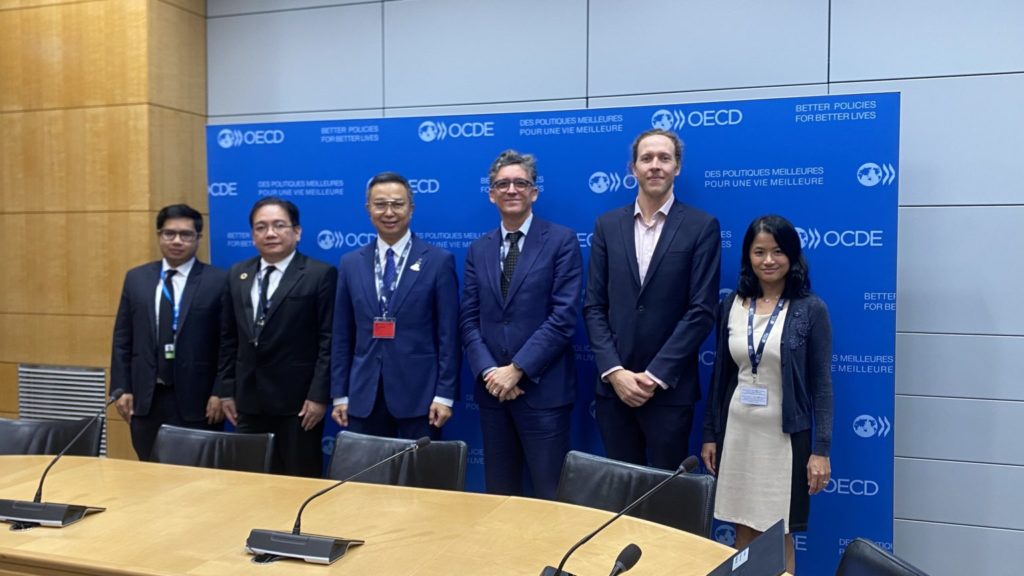
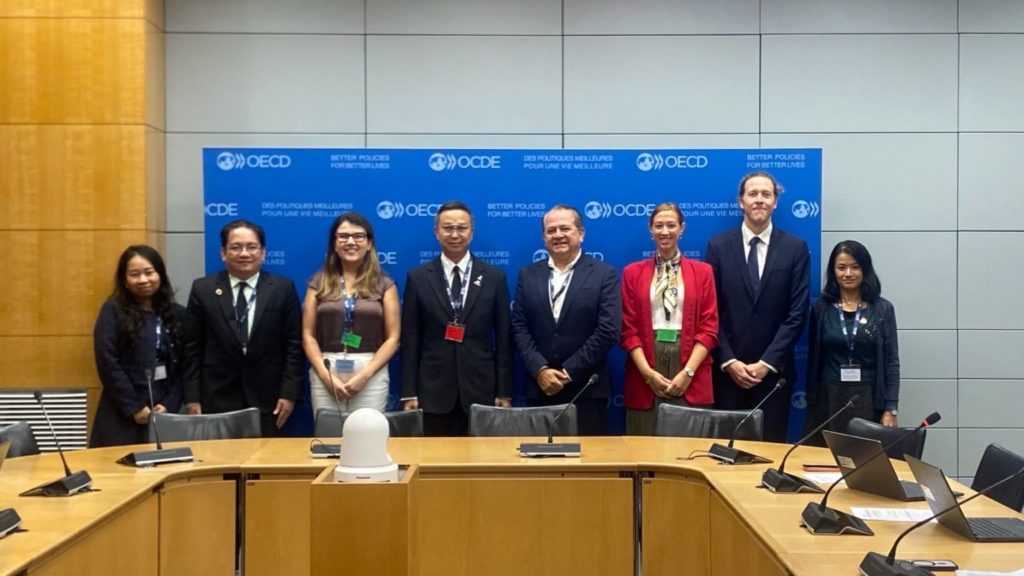
The Thai delegation reaffirmed its commitment to strengthening data governance and interoperability to support evidence-based policymaking, monitoring, and evaluation. This commitment reflects the key message, “Good data leads to good policy,” emphasized by Dr. Surachai at the Blue Sky Forum.
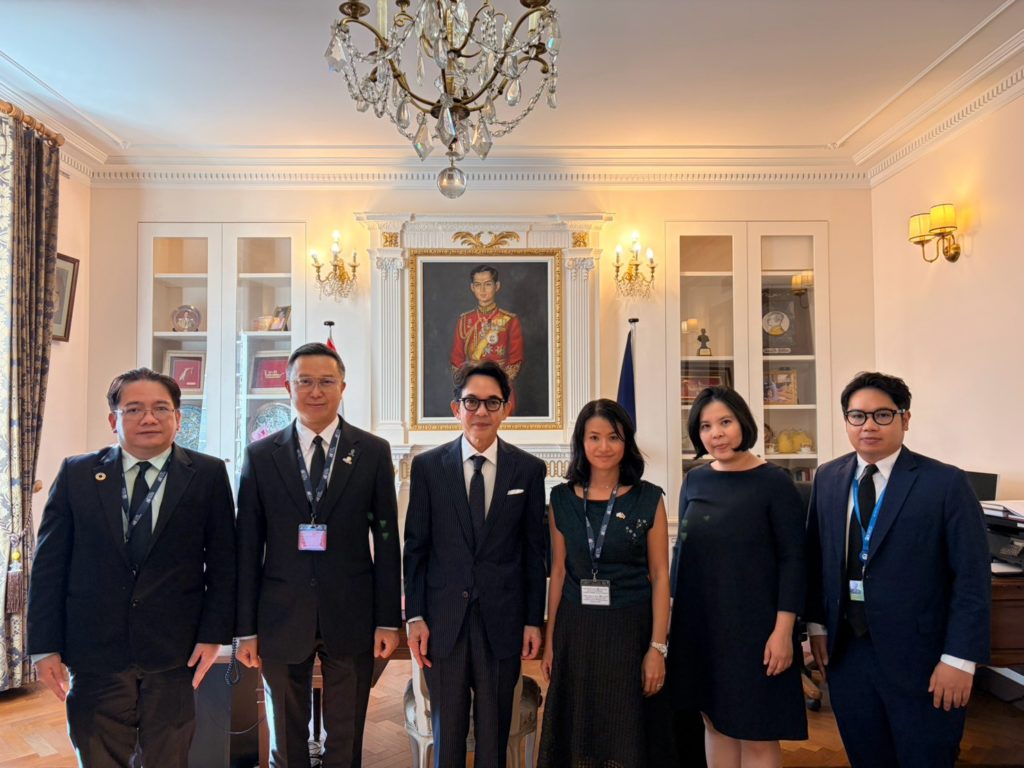
Following the meetings, Dr. Surachai and the delegation paid a courtesy call on Mr. Nikorndej Balankura, Ambassador of Thailand to France, at the Royal Thai Embassy in Paris. The discussion focused on Thailand’s preparations for OECD membership, particularly in the area of science and technology policy, as well as approaches to promoting cooperation and knowledge exchange with the OECD. These efforts include Thailand’s participation in the Blue Sky Forum, demonstrating the country’s commitment to becoming a meaningful partner and paving the way toward future OECD membership.

In Paris, the Thai delegation also participated in the 2026 Meeting of the Working Party of National Experts on Science and Technology Indicators (NESTI) and the 5th Meeting of the OECD Expert Group on the Management and Analysis of Research and Innovation Administrative Data (MARIAD), held on 16–17 September 2026.
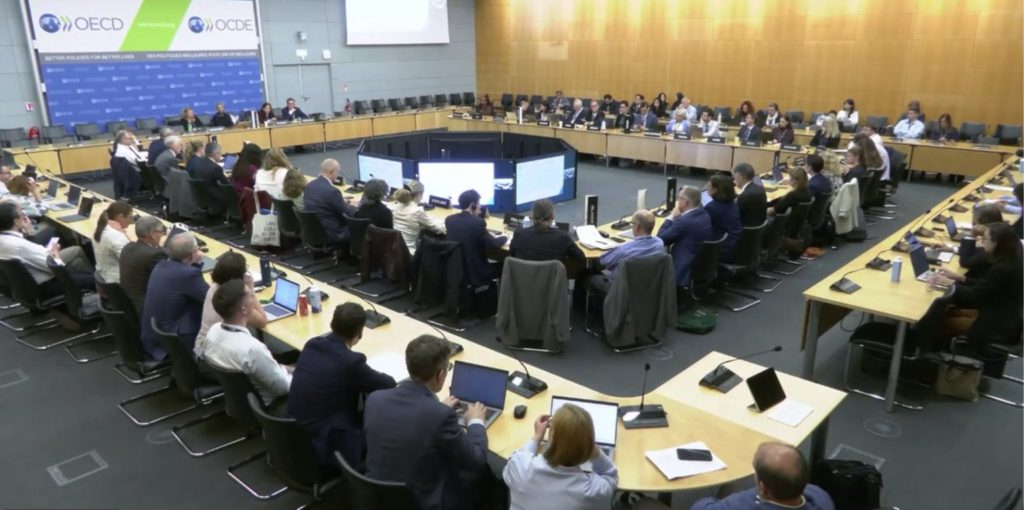
At the NESTI meeting, the Thai delegation delivered an intervention during the agenda item reflecting on the outcomes of the Blue Sky Forum 2026. The delegation reaffirmed Thailand’s commitment to strengthening its statistical systems, data practices, and STI indicators in alignment with OECD standards, guidelines, and good practices throughout the accession process. The delegation also highlighted key takeaways from the forum, including the importance of expanding cooperation beyond OECD member countries, the need to translate data into actionable policy recommendations, and the critical importance of developing and using artificial intelligence (AI) responsibly.
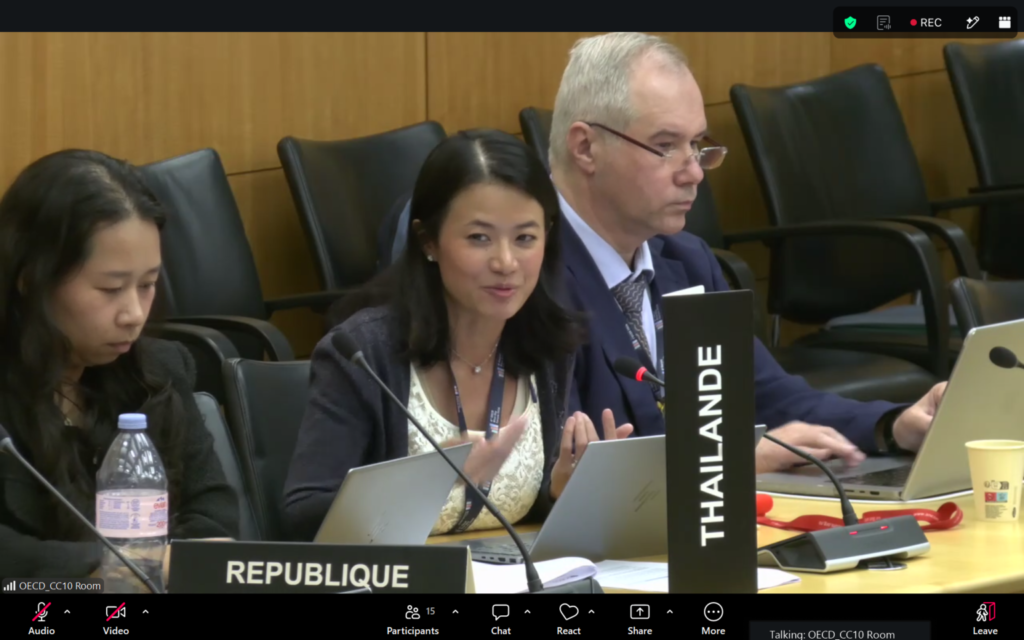
The MARIAD meeting marked Thailand’s first participation in the group. The Thai delegation shared its views on priorities for MARIAD’s collective learning, emphasizing the importance of using research and innovation administrative data to support Mission-oriented Innovation Policy (MOIP). This requires the ability to track the allocation of resources against societal goals, participating projects and institutions, outputs, the utilization of research results, as well as longer-term outcomes and impacts, rather than monitoring individual projects alone. The Thai delegation also exchanged experiences with the OECD Secretariat on mission-oriented innovation policy. The OECD has conducted a visit to Thailand and is currently preparing a final report. The findings and workshop outcomes will provide input for the development of Thailand’s five-year national framework for higher education, science, research, and innovation. The delegation also presented lessons learned from the National Research and Innovation Information System (NRIIS), which links data throughout the research funding cycle, from budgets and projects to researchers, institutions, outputs, utilization, outcomes, and impacts. The delegation emphasized that moving from administrative data toward policy-relevant data requires particular attention to data quality, sources, and data verification, especially for outcome and impact data. This includes distinguishing between self-reported data, data verified by agencies, user-validated data, and externally verified data. Thailand also expressed interest in further learning about approaches to applying AI in this area.