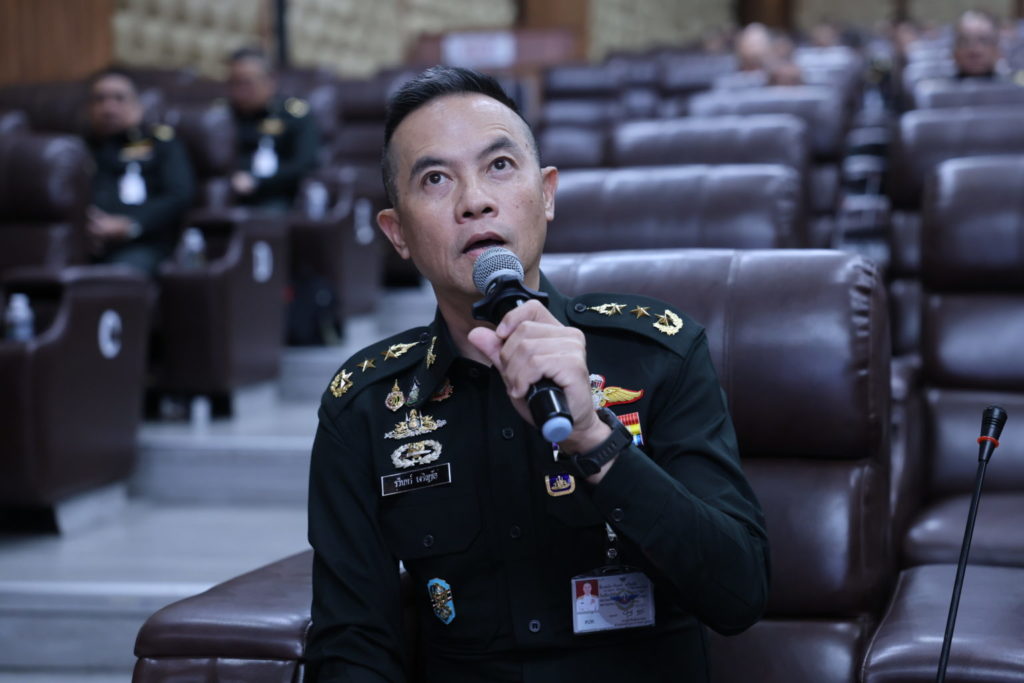
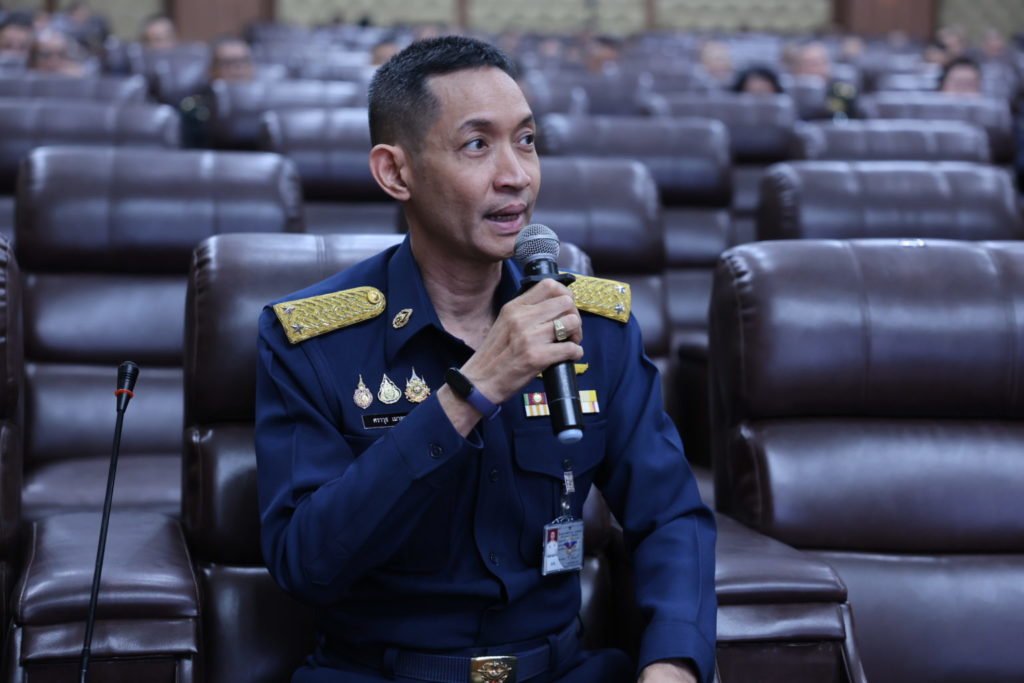
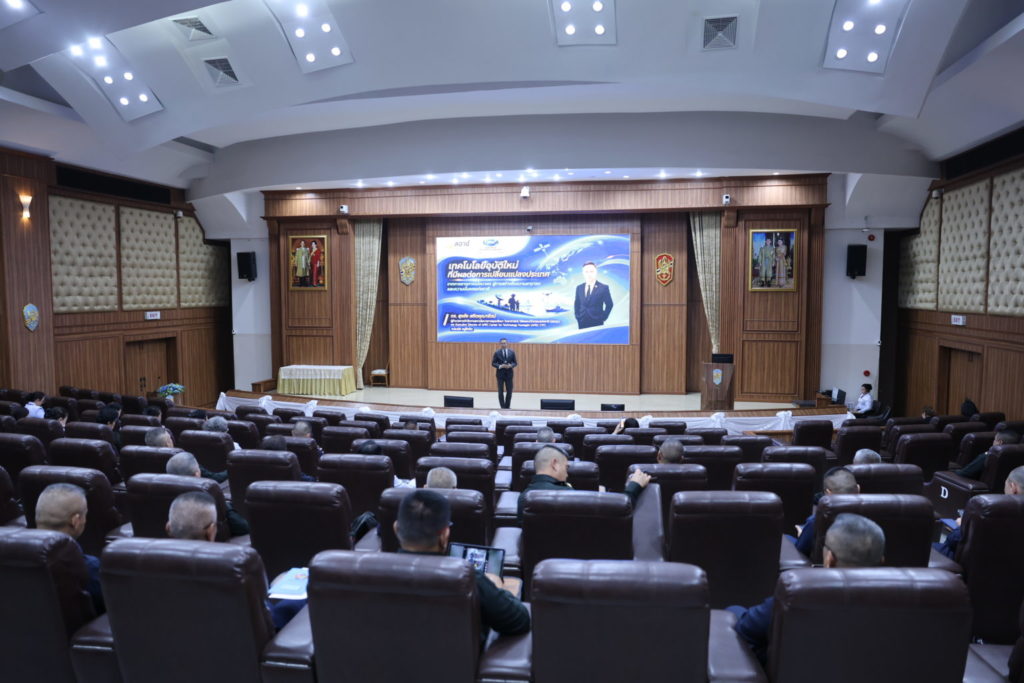
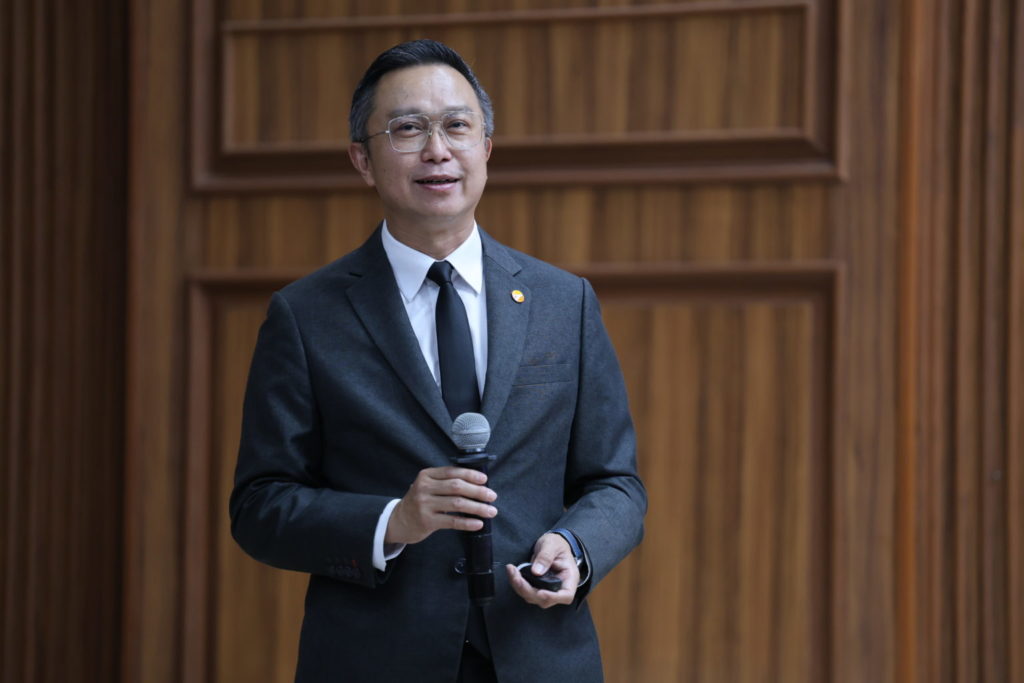
On 11 November 2026, Dr. Surachai Sathitkunarat, President of NXPO and Executive Director of the APEC Center for Technology Foresight (APEC CTF), delivered a lecture on “Emerging Technologies Shaping National Transformation” at the Orientation for Generals of the Royal Thai Armed Forces for Fiscal Year 2027, organized by the National Defence Studies Institute (NDSI).
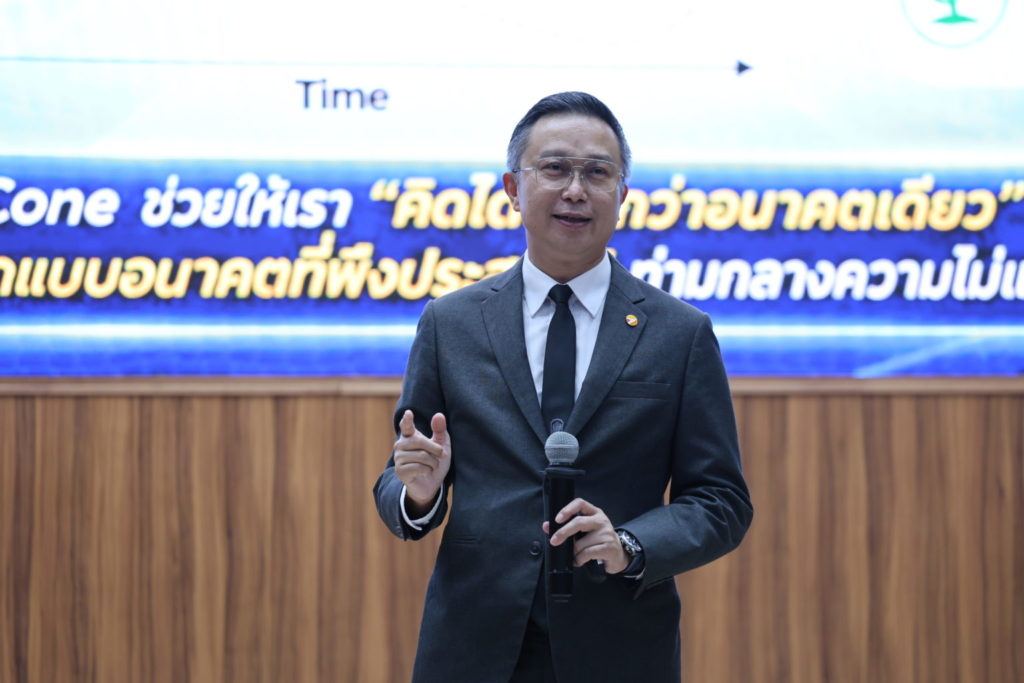
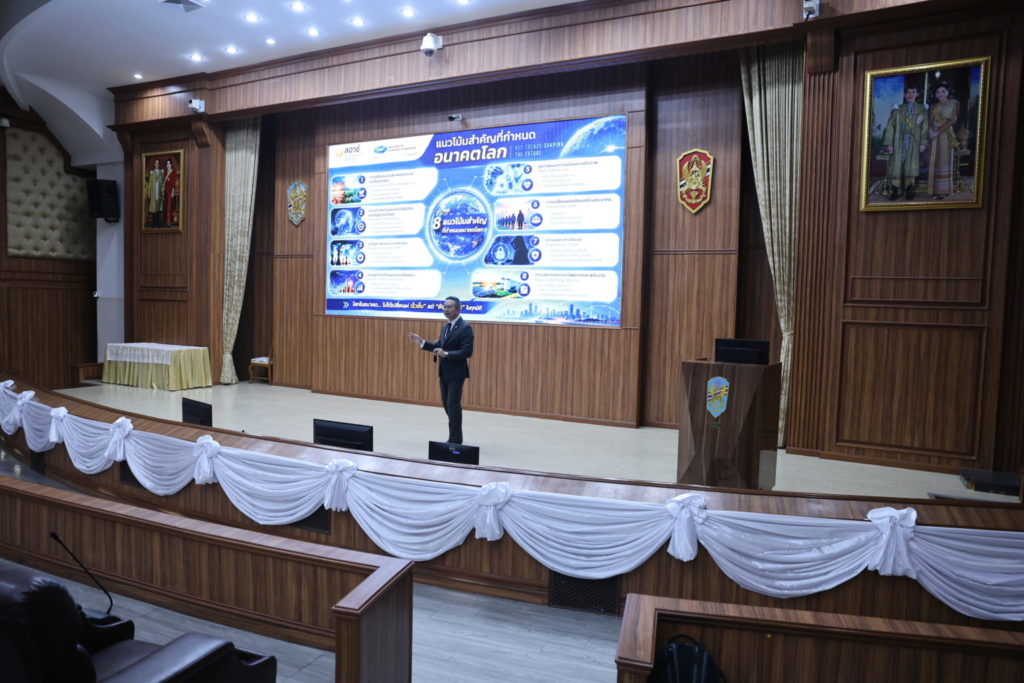
Dr. Surachai noted that the world is changing faster and becoming more complex than ever. We are now living in an era of “polycrisis,” in which multiple interconnected crises occur simultaneously and reinforce one another, resulting in increasingly severe impacts that are difficult to predict and manage. These challenges include geopolitical conflicts, economic and financial volatility, climate and environmental crises, demographic shifts, rapid technological advances, health and biological security concerns, and cyber and information threats. The simultaneous emergence and escalation of these risks call for integrated responses and a forward-looking approach.
He introduced strategic foresight as a process for exploring and understanding possible futures and developing alternative pathways to inform strategic decision-making. It involves three key processes: Horizon Scanning, Scenario Planning, and Strategic Direction. Together, these processes enable informed and comprehensive decision-making and help organizations prepare for a range of possible futures. He also explained three distinct approaches to thinking about the future: Prediction, which identifies what will certainly happen; Forecasting, which estimates what is likely to happen based on data, trends, and statistics; and Foresight, which explores a range of possible futures to build preparedness, develop options, and formulate strategies. Rather than focusing on a single expected outcome, foresight broadens our perspectives on the future and helps us make better decisions.
The Future Cone framework was also presented to illustrate the range of possible futures, from Preposterous and Possible to Plausible, Projected, Probable, and Preferable futures. This framework encourages us to look beyond a single vision of the future and explore ways to shape desirable futures amid uncertainty.
As part of the foresight process, Horizon Scanning involves systematically monitoring, collecting, and analyzing signals of change from diverse sources to identify trends, emerging issues, opportunities, and risks that may affect the future. The STEEP-V framework can be used to analyze signals across broad external environmental factors, while the DIMEFIL framework helps examine strategic signals across dimensions of national security and state power.
Scenario Planning involves developing a set of alternative future scenarios based on an analysis of key drivers and critical uncertainties. These scenarios are used to test strategic options, build preparedness, and formulate strategies that remain flexible in the face of changing circumstances. Several approaches to scenario development were highlighted, including the 2×2 Scenario Matrix, the Mont Fleur Scenario, and the Future Triangle.
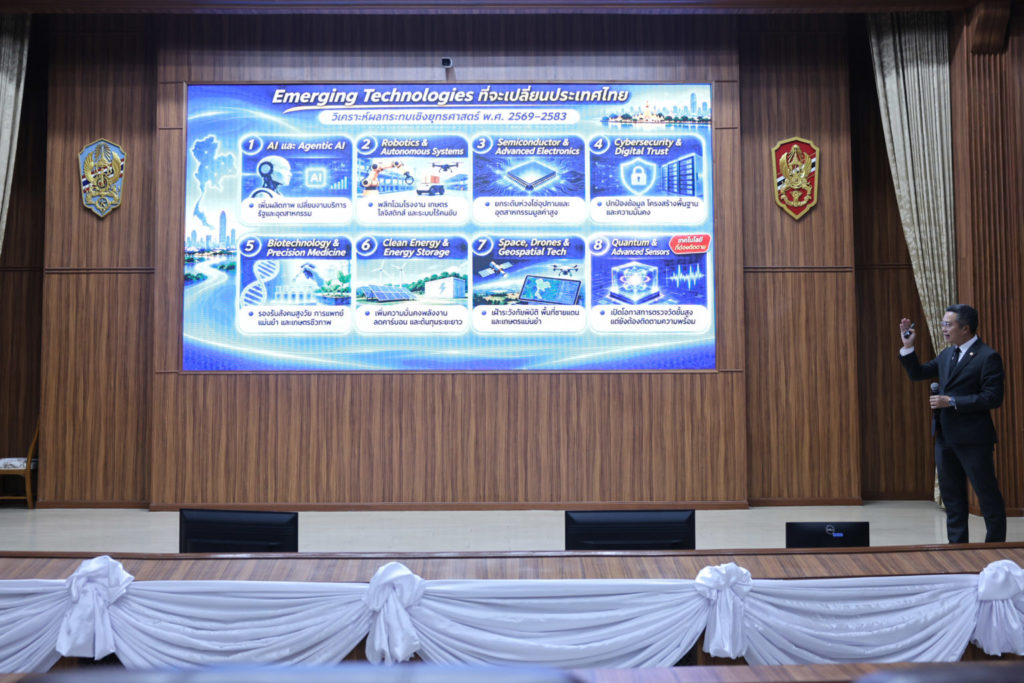
Turning to emerging technologies and their implications for national security, including military applications, Dr. Surachai presented an impact analysis of eight technology areas expected to shape Thailand during 2026–2040:
- AI and Agentic AI – Next-generation artificial intelligence capable of thinking, planning, and taking action autonomously.
- Robotics and Autonomous Systems – Intelligent robots and autonomous systems that enhance productivity, safety, and national capabilities.
- Semiconductors and Advanced Electronics – Technologies that underpin the digital economy and future innovation.
- Cybersecurity and Digital Trust – Technologies and measures that protect data and systems while building trust in the digital world.
- Biotechnology and Precision Medicine – Technologies that promote better health, more effective disease prevention, and national security.
- Clean Energy and Energy Storage – Technologies that strengthen energy security, support a low-carbon economy, and contribute to a sustainable future.
- Space, Drones and Geospatial Technology – Technologies that enable exploration, monitoring and surveillance, and more precise location-based decision-making.
- Quantum Technologies and Advanced Sensors – Technologies that enable computing, communication, detection, and measurement with unprecedented precision and capabilities.
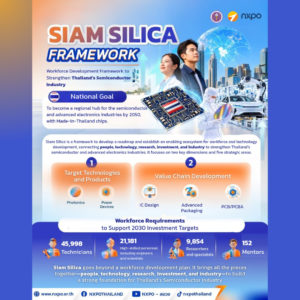
The Ministry of Higher Education, Science, Research and Innovation (MHESI) plays an important role in advancing emerging technologies through research and knowledge development, science infrastructure development, the promotion of economic and social applications, the establishment of networks and partnerships, and policy direction and governance. These efforts support the country’s strategic goals of driving an innovation-based economy, strengthening national security and preparedness, equipping Thai people with future-ready skills, and pursuing sustainable development. MHESI is advancing the Thailand2: Nation of Master framework to drive the economy through science, research, and innovation. The framework comprises three flagship initiatives: Siam Silica, which aims to develop the semiconductor and advanced electronics industries; Siam Medica, which seeks to build excellence in health sciences and modern medicine; and Siam Terra, which aims to upgrade agriculture, food, and biological resources to advance the bioeconomy.
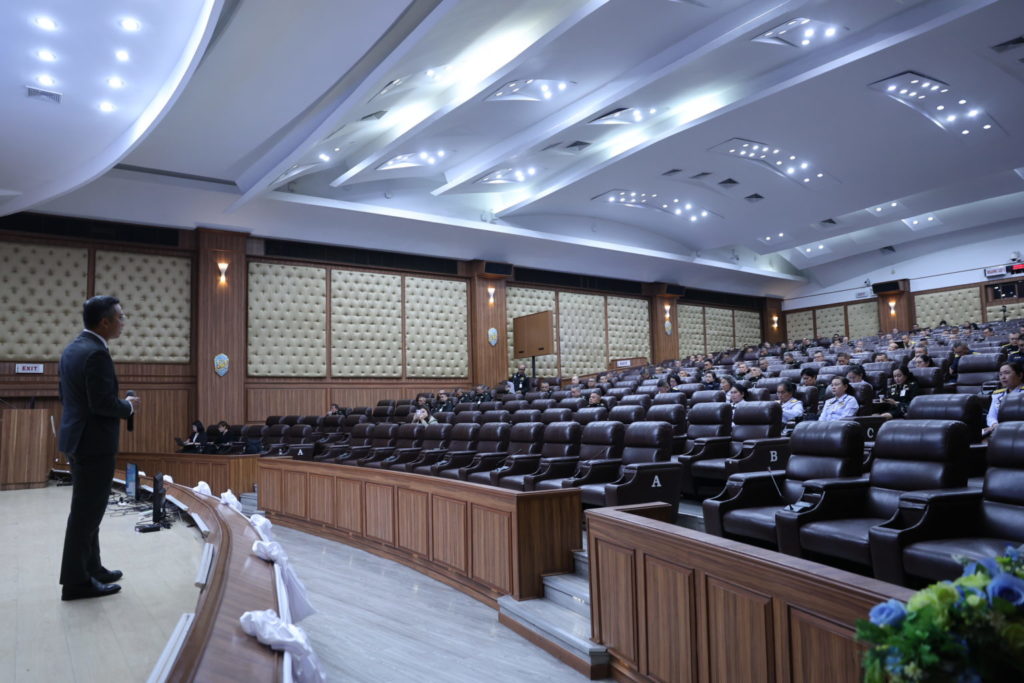
Dr. Surachai also highlighted the role of the Royal Thai Armed Forces in preparing for emerging technologies to strengthen national security. Key priorities include leveraging technology to enhance national defence capabilities; promoting security-related research, development, and innovation; developing military personnel and digital skills; integrating and applying technologies across multiple domains (Multi-Domain); fostering partnerships and a security technology ecosystem; and supporting new dimensions of sustainable security. These efforts will help modernize the Royal Thai Armed Forces and enhance their preparedness for emerging threats, strengthen their capacity to protect national sovereignty and interests, safeguard the security and safety of the public, support sustainable national development, and elevate Thailand’s role in regional security.
“Future national security will depend not solely on military capabilities, but also on the capabilities of science and technology, human resources, and the innovation ecosystem,” Dr. Surachai concluded.