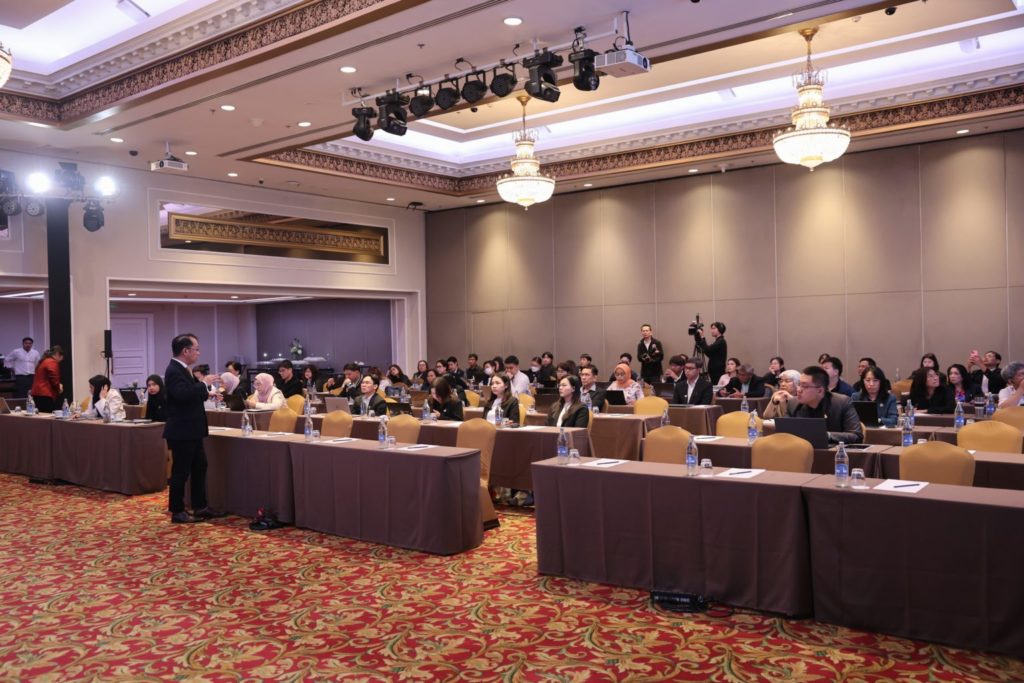
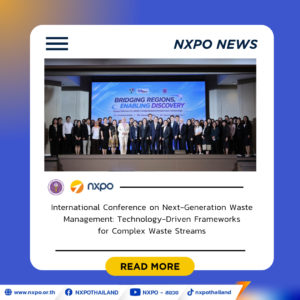
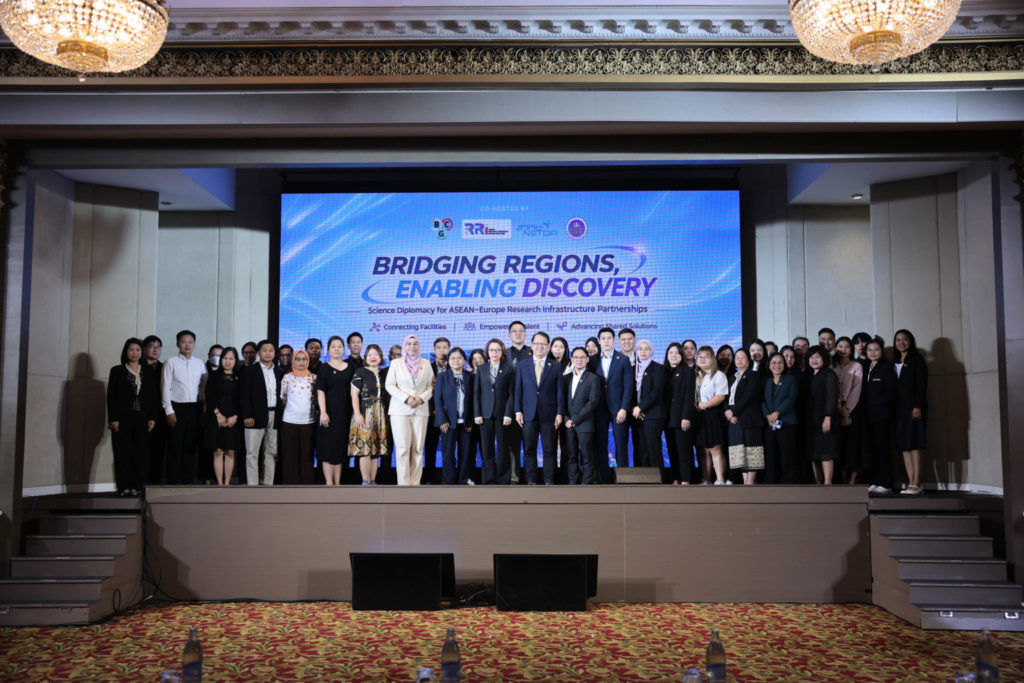
Assoc. Prof. Wongkot Wongapai, Vice President of NXPO, delivered a keynote address titled “Thailand National Circular Economy Strategic Roadmap: Driving Policy Frameworks for Material Circularity” at the International Conference on Next-Generation Waste Management: Technology-Driven Frameworks for Complex Waste Streams. The conference was organized by Thailand’s Ministry of Higher Education, Science, Research and Innovation (MHESI), in collaboration with the National Science and Technology Development Agency (NSTDA) and the ASEAN Bio-Circular-Green Economy Network (ASEAN BCG Network), on 5 November 2026 at the Mandarin Hotel Bangkok. The event aimed to promote the exchange of knowledge, technologies, and innovations in managing complex waste streams, while fostering research collaboration on circular economy technologies among ASEAN member states and international partners. Participants included representatives from government agencies, research institutes, universities, the industrial sector, and regional organizations.
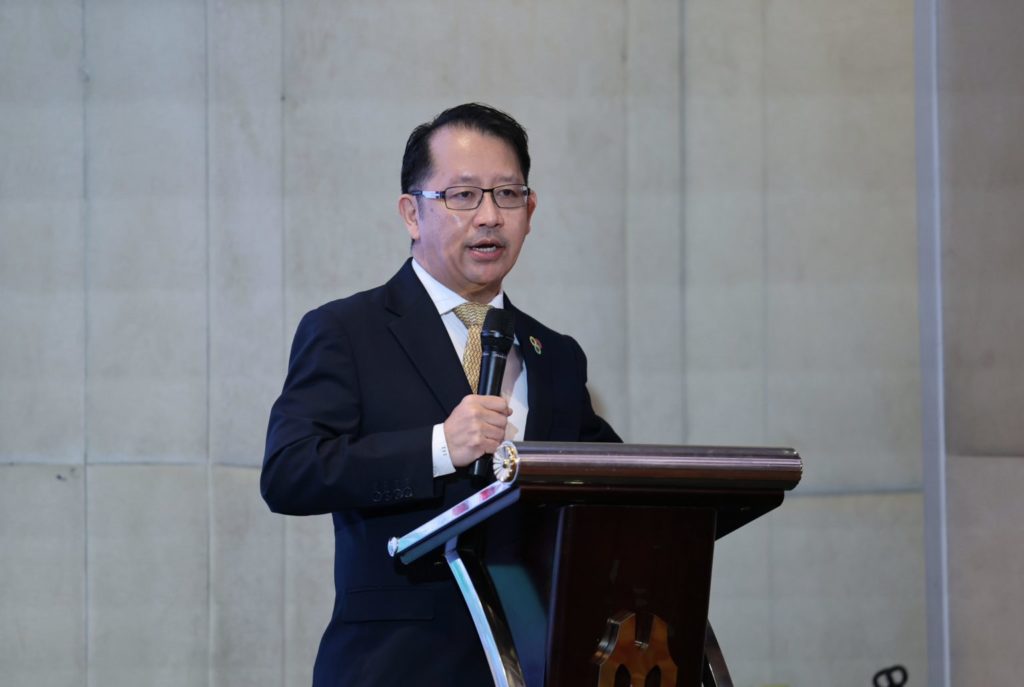
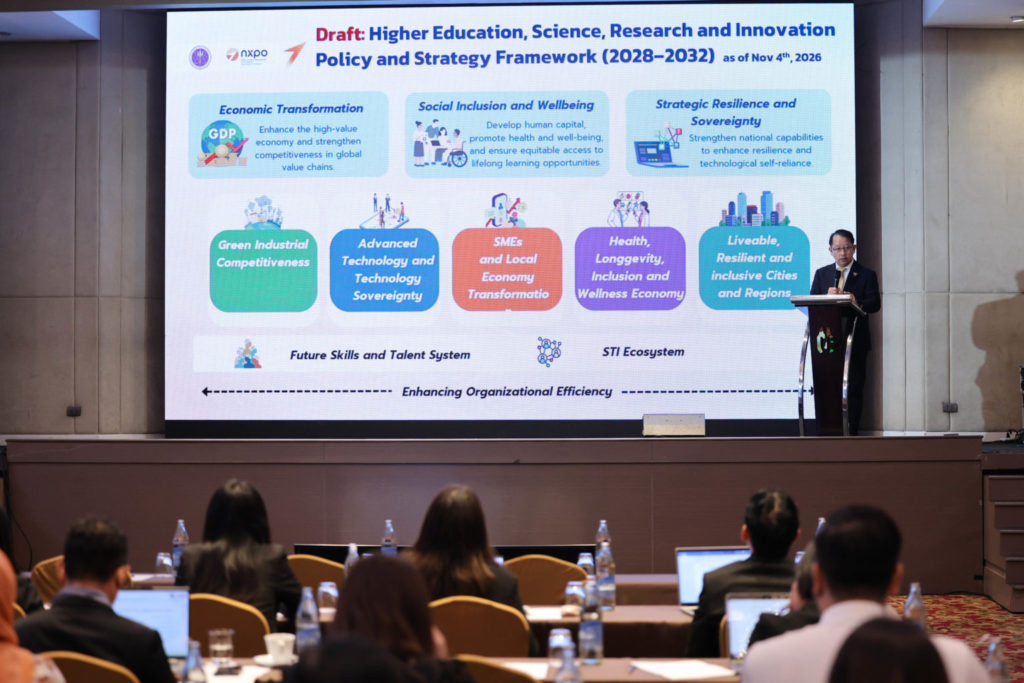
In his presentation, Assoc. Prof. Wongkot outlined the draft Higher Education, Science, Research and Innovation Policy and Strategy Framework for 2028–2032, which adopts the principles of Mission-Oriented Innovation Policy (MOIP). The framework comprises five key areas: (1) Green Industries Competitiveness; (2) Advancing Technologies and Technology Sovereignty; (3) SMEs and Local Economy Transformation; (4) Health, Longevity, Inclusion and Wellness Economy; and (5) Liveable, Resilient and Inclusive Cities and Regions. Achieving these priorities requires strong foundations in human resource development and future skills, alongside the development of a robust science, technology, and innovation ecosystem.
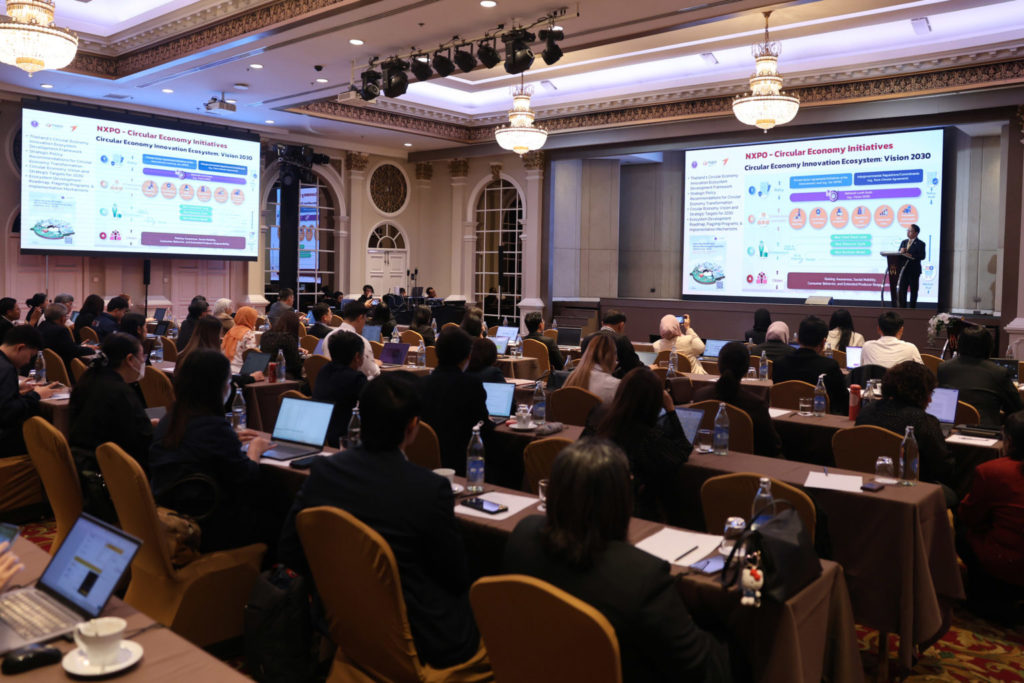
NXPO has played an active role in advancing the circular economy through the development of Circular Economy Innovation Ecosystem: Vision 2030. The framework addresses four levels. At the policy level, it aligns national policies with international goals. At the infrastructure and enabling mechanisms level, it focuses on establishing the necessary support systems. At the enterprise level, it promotes material recycling loops and new business models. At the public level, it encourages greater awareness and more sustainable consumer behavior. To support the development of a low-carbon economy, NXPO, together with nine government agencies and partner organizations, signed a Memorandum of Understanding (MoU) on the Development of a Database and Indicators to Support the Low-Carbon Economy. The collaboration aims to strengthen the country’s infrastructure, databases, and indicators covering greenhouse gas emissions, the circular economy, and the Sustainable Development Goals (SDGs). These efforts will support sustainable trade and economic development, while contributing to the development of indicators and targets for Milestone 10 of the 13th National Economic and Social Development Plan and the subsequent plan. The collaboration also facilitates data exchange and policy recommendations to strengthen databases and indicators related to national greenhouse gas emission reduction efforts.
Assoc. Prof. Wongkot also highlighted the Saraburi Sandbox initiative, which aims to establish Saraburi as a model for low-carbon cities and smart waste management. The initiative applies digital platform technology to visualize waste flows throughout the waste management value chain. This covers waste separation at source in households, temples, schools, and markets, as well as integration with downstream waste management systems. The platform also illustrates the roles and interconnections of various local agencies and stakeholders. The Waste Flow system supports the circulation of raw materials through a feedstock loop, a key mechanism for driving the circular economy. It also provides data for analyzing and developing business models, helping identify gaps between local-level implementation and national policy development. Digital platform and cloud technologies serve as the central infrastructure for data collection and management, enabling real-time monitoring and assessment of greenhouse gas emission reductions. These efforts will contribute to more efficient resource and waste management systems and provide a foundation for scaling up circular economy initiatives and low-carbon city development nationwide.
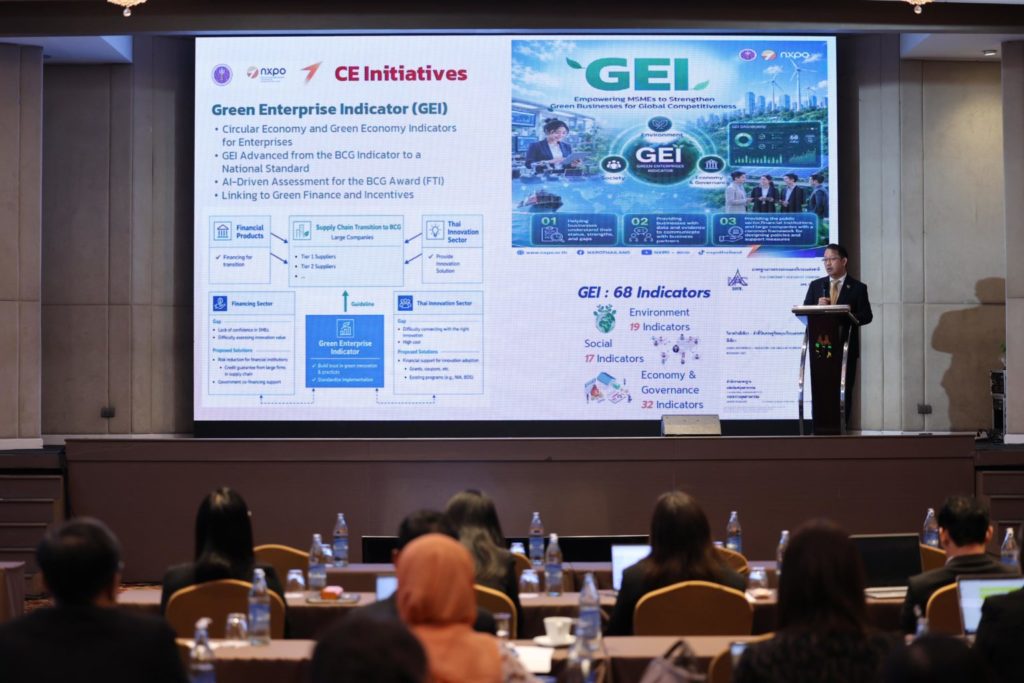
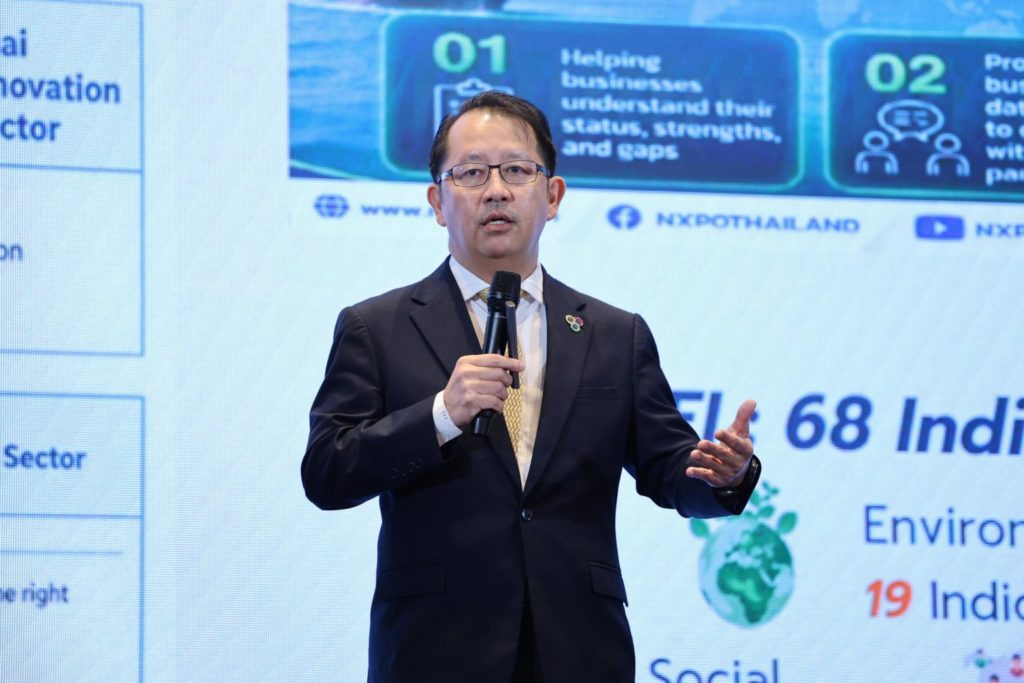
In addition, NXPO has helped drive the development of the Green Enterprise Indicator (GEI) as a tool to enhance the capabilities of micro, small, and medium-sized enterprises (MSMEs). The indicator has been elevated to national standard status (TCAS 12-2569), enabling businesses to assess their own performance and gain more effective access to financial support and green innovations. It also helps strengthen business partners’ confidence and supports the integration of Thai businesses into global supply chains.