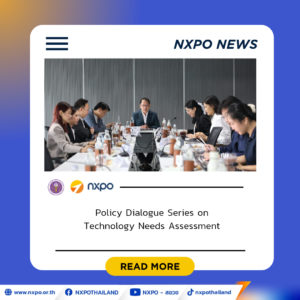
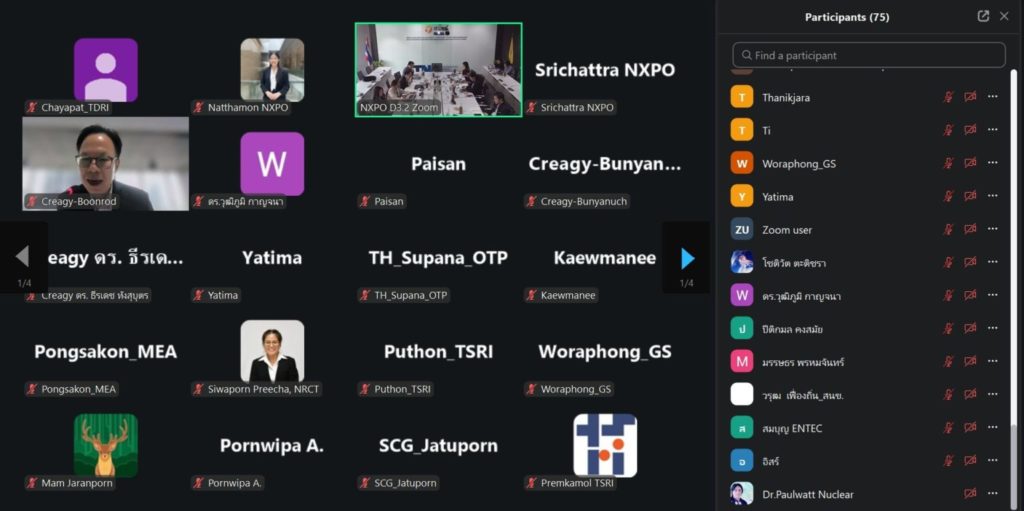
NXPO recently organized a series of policy dialogues under the Thailand Technology Needs Assessment (Thailand TNA) project. More than 200 participants joined the meetings, both in person and online, to exchange views on priority technologies identified by the project, discuss barriers to their adoption, and identify the measures needed to facilitate their implementation.
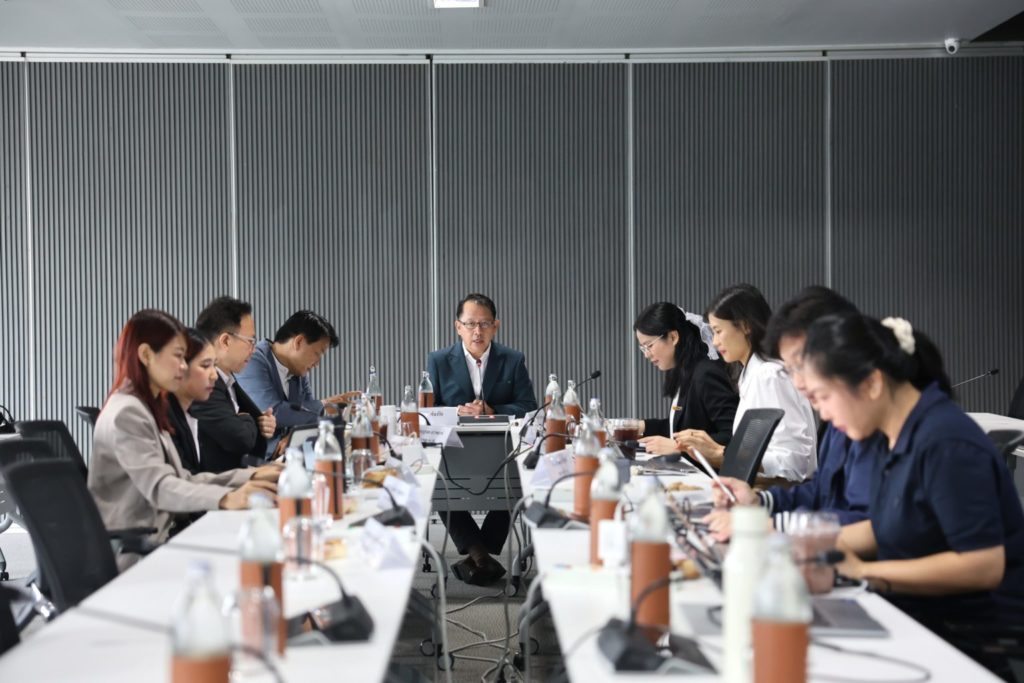
Assoc. Prof. Wongkot Wongsapai, Vice President of NXPO, highlighted the importance of the project, noting that the TNA provides Thailand with a clearer understanding of which technologies should be prioritized to address climate change and what enabling conditions are needed to support their adoption. These include appropriate policy and regulatory frameworks, financing mechanisms, and workforce capabilities to ensure effective deployment. He emphasized that one of Thailand’s key challenges over the next decade will be securing access to climate finance from institutions such as the Green Climate Fund (GCF), the Global Environment Facility (GEF), development banks, and private funds. This will require clear evidence of which technologies merit support, as well as a pipeline of bankable projects. The policy dialogues therefore provided an opportunity for government agencies, the private sector, academia, and civil society to jointly shape the direction of Thailand’s climate technology development from the outset.
The TNA is a mechanism under the United Nations Framework Convention on Climate Change (UNFCCC) that supports developing countries in identifying and prioritizing technologies for greenhouse gas mitigation and adaptation to climate change impacts. Thailand’s TNA project is being implemented during 2025–2027 as part of the fifth phase of the global TNA initiative (Global TNA Phase V), led by the UNEP Copenhagen Climate Centre (UNEP-CCC) with support from the Global Environment Facility. NXPO serves as Thailand’s national TNA Coordinator and National Designated Entity (NDE) for technology transfer under the UNFCCC.
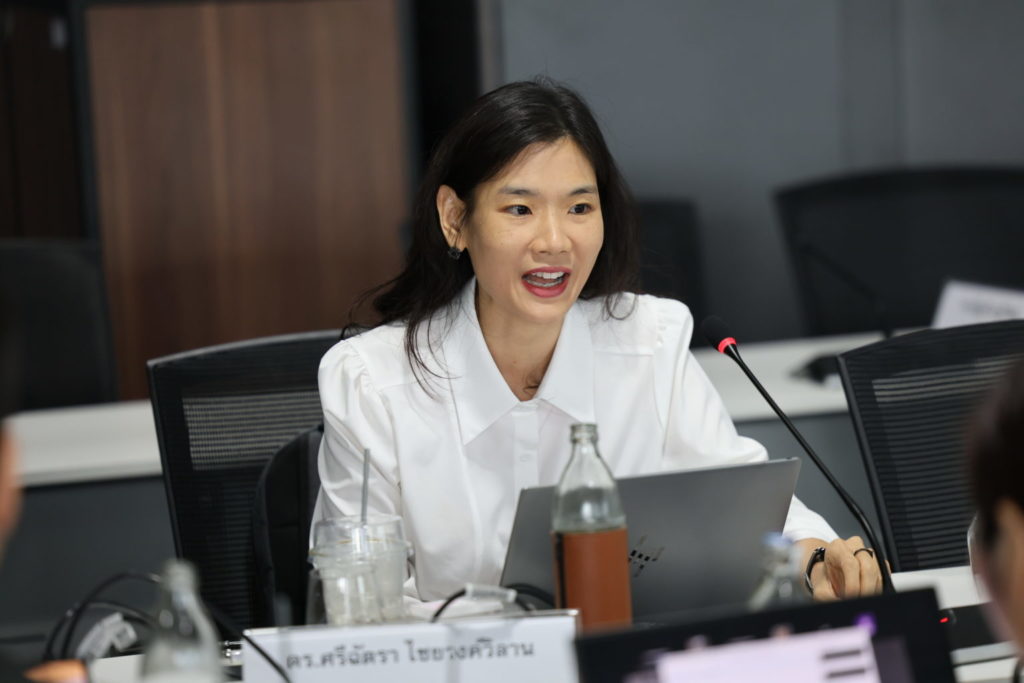
The project has shortlisted 16 priority technologies from an initial list covering four sectors. Energy and agriculture sectors focus on greenhouse gas mitigation, while water resource management and human settlements and security sectors address climate change adaptation. The technologies were selected based on their potential impacts, readiness for deployment, and suitability to Thailand’s national context. The policy dialogue series provided a platform to examine the challenges each sector is likely to face over the next five to ten years and identify the enabling conditions that need to be established.
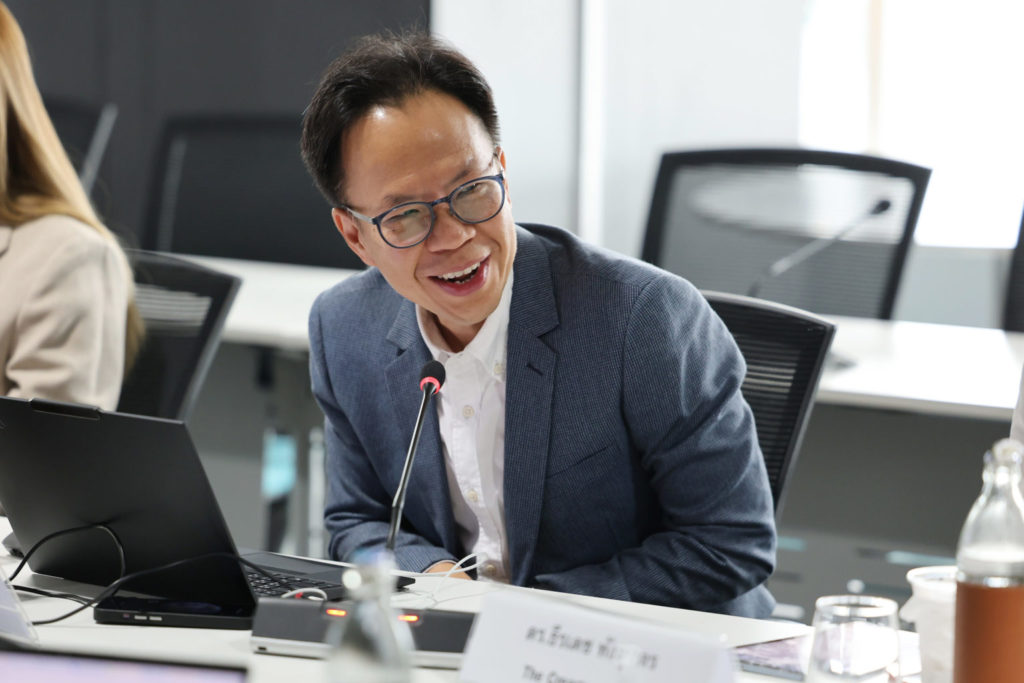
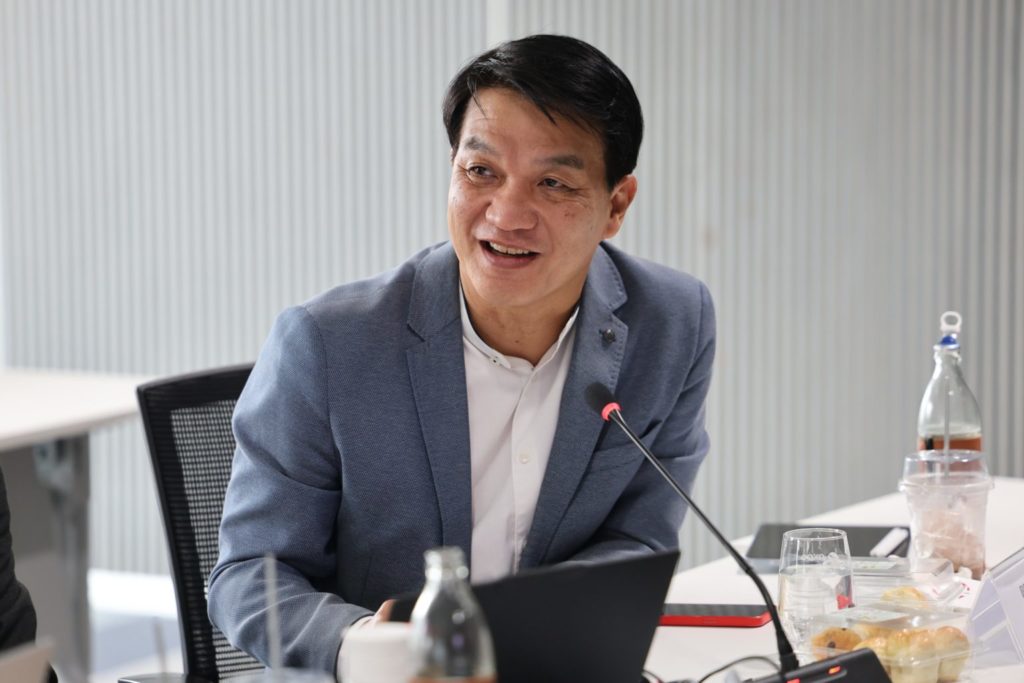
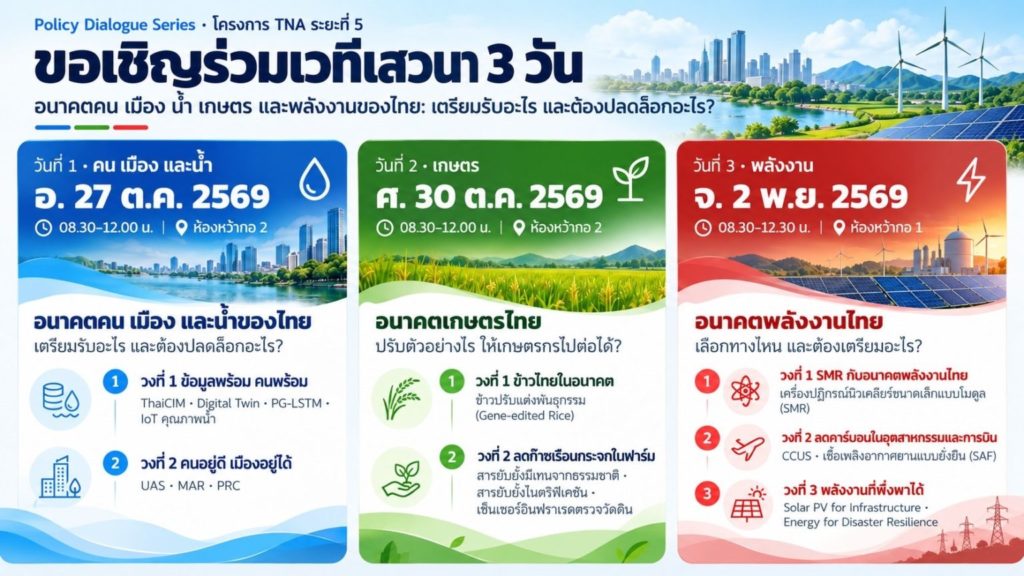
The first policy dialogue, held on 27 October 2026 under the theme “The Future of Thailand’s People, Cities, and Water: How to Prepare and What Barriers to Overcome?”, explored the use of data in urban planning and water resource management. Technologies discussed ranged from digital twin models and real-time water quality monitoring systems to Underground Attenuation and Storage (UAS), Managed Aquifer Recharge (MAR), and Passive Radiative Cooling (PRC) materials. Discussions also addressed data and workforce readiness, as well as inter-agency coordination to ensure that technology solutions respond to the specific needs of different areas.
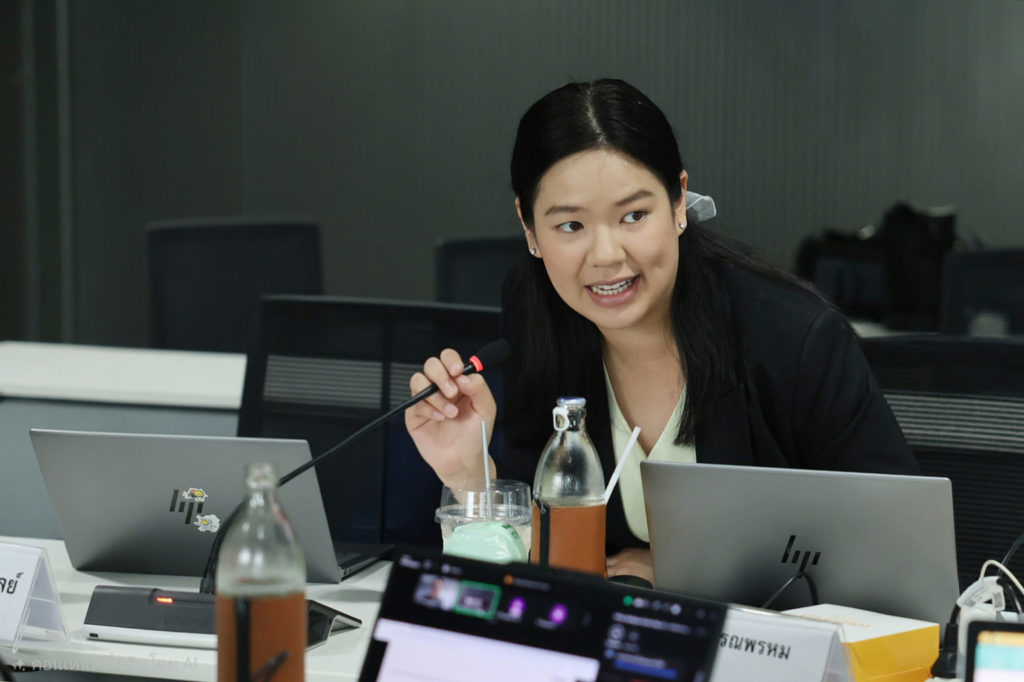
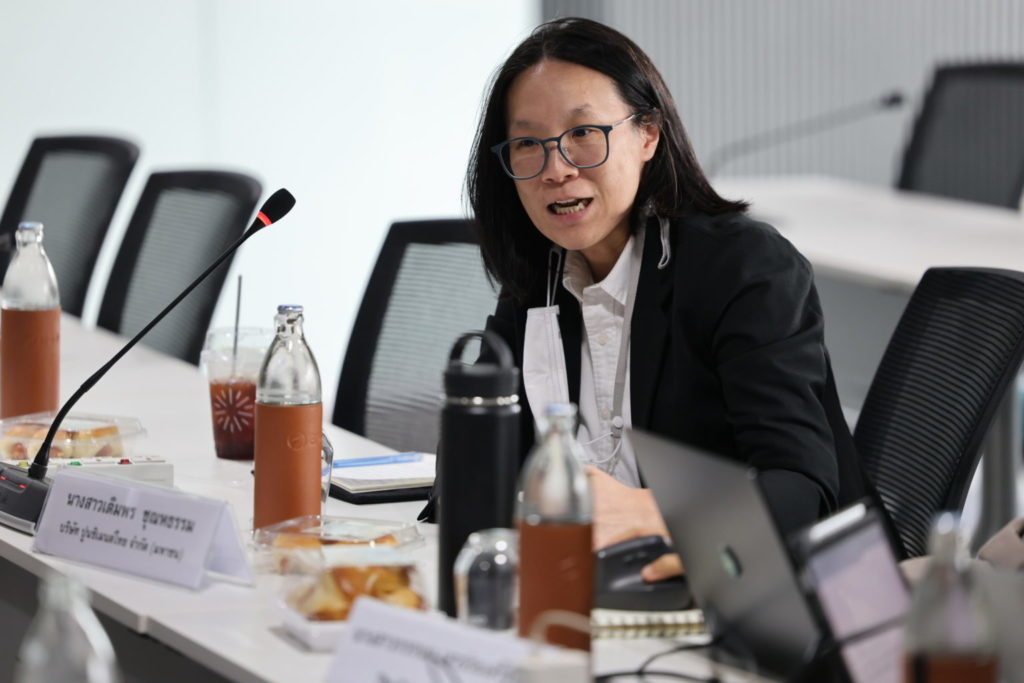
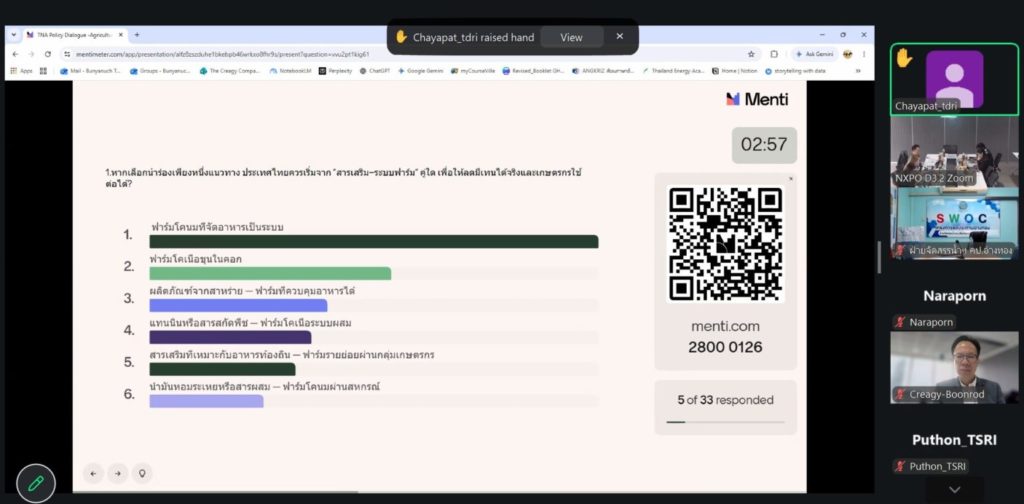
The second policy dialogue, held on 30 October 2026 under the theme “The Future of Thai Agriculture: How to Ensure Farmers Can Move Forward?”, focused on two key challenges: developing climate-resilient rice varieties and reducing greenhouse gas emissions from agriculture. Technologies and solutions discussed included genome-edited (GEd) rice, feed additives to reduce methane emissions from livestock, nitrification inhibitors, and near-infrared (NIR) sensors for soil analysis. Participants also considered costs, cost-effectiveness, and support mechanisms to enable farmers to access and adopt these technologies.
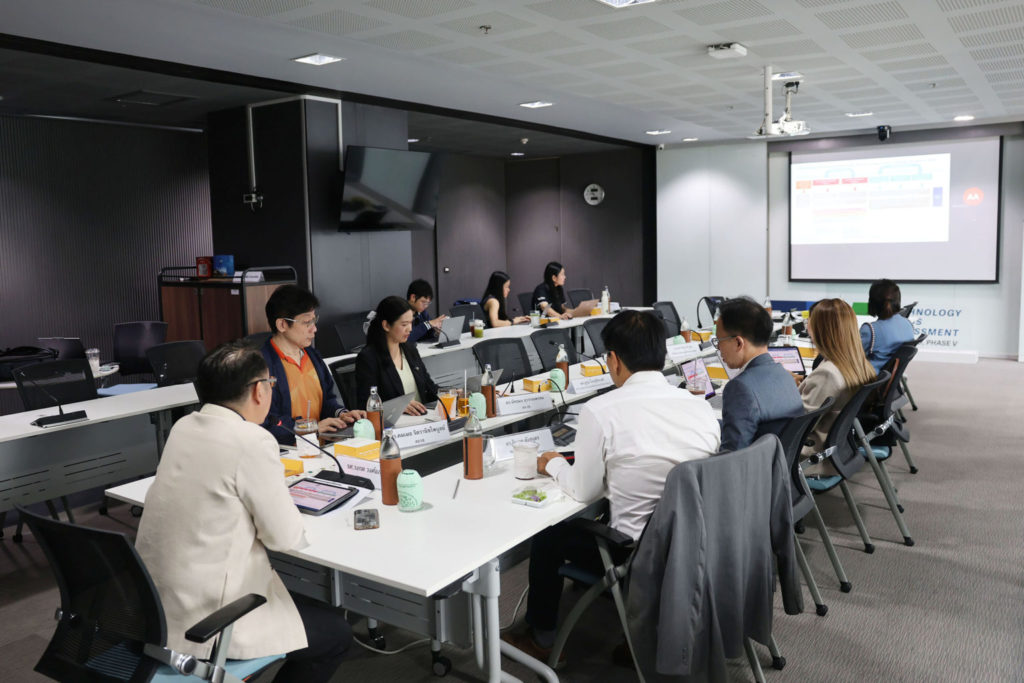
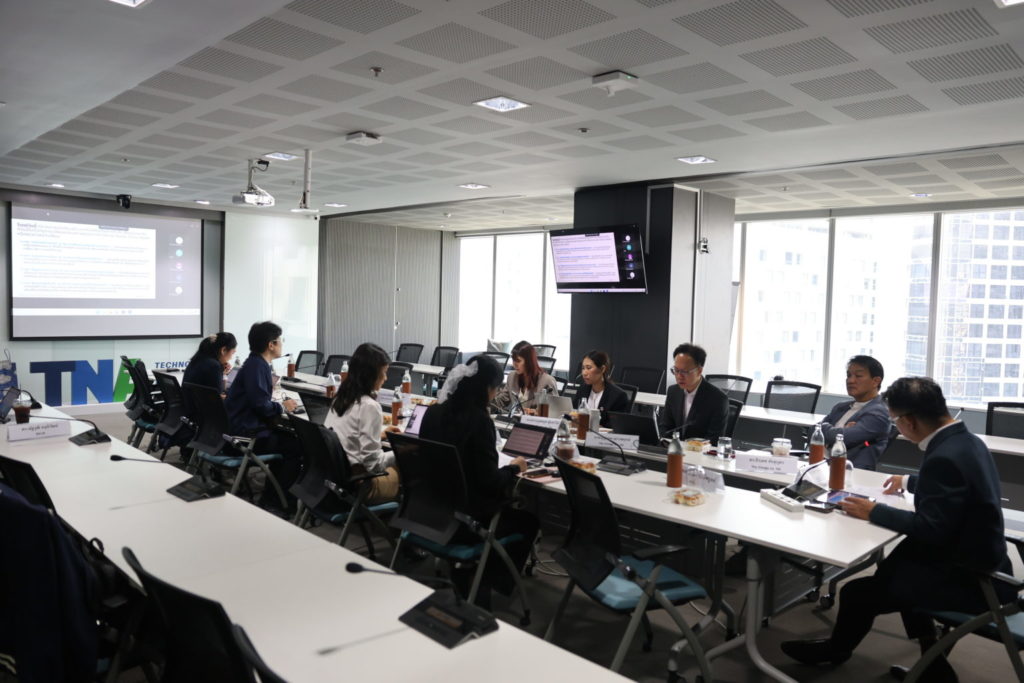
The third policy dialogue, held on 2 November 2026 under the theme “The Future of Thailand’s Energy: Which Pathways and How to Prepare?”, examined the potential of small modular reactors (SMRs), options for decarbonizing the industrial and aviation sectors through carbon capture, utilization, and storage (CCUS) and sustainable aviation fuel (SAF). Discussions also covered the use of solar energy and energy storage systems to ensure the continued operation of critical infrastructure during disasters.
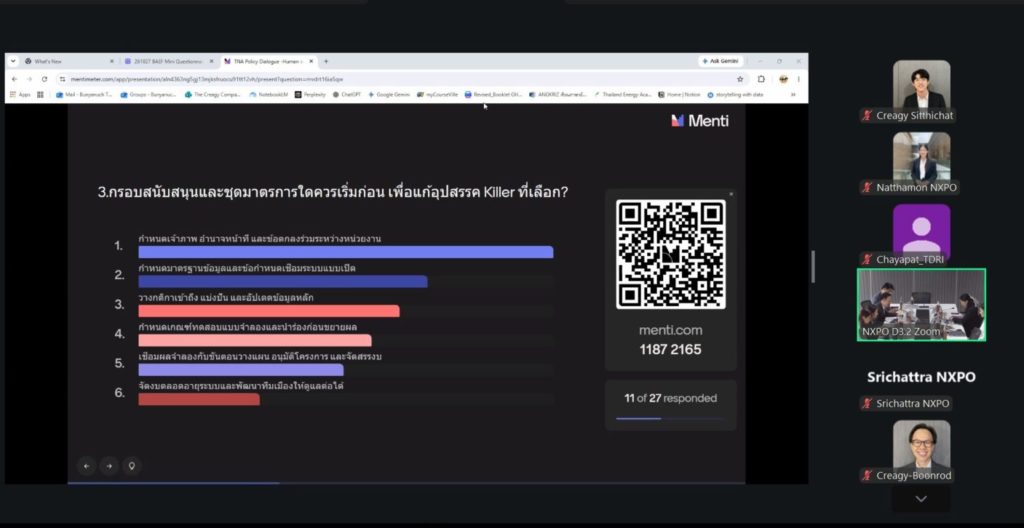
Insights and recommendations from the dialogue series will inform the development of a Barrier Analysis and Enabling Framework (BAEF). The framework will identify priority barriers, the support measures needed to address them, and the agencies responsible for implementation. Its findings will provide a foundation for developing Technology Action Plans (TAPs) and formulating project concepts. These efforts will help align technology deployment with Thailand’s national climate goals while creating pathways for investment, technology transfer, and access to financing.