In response to the global energy crisis—whose impacts are particularly acute for crude-oil importers such as Thailand—NXPO is advancing a comprehensive strategy spanning the short, medium, and long term. The roadmap focuses on reducing oil dependence through the promotion of electric vehicles (EVs), alongside a “just transition” approach that prioritizes job creation and livelihood support. At the same time, NXPO is accelerating policy development on Sustainable Aviation Fuel (SAF), including the establishment of a fully integrated supply chain, upgrading the value of agricultural residues, addressing PM2.5 pollution, and reinforcing Thailand’s position as a regional aviation hub—while strengthening energy security and progressing toward the Net Zero target by 2050.
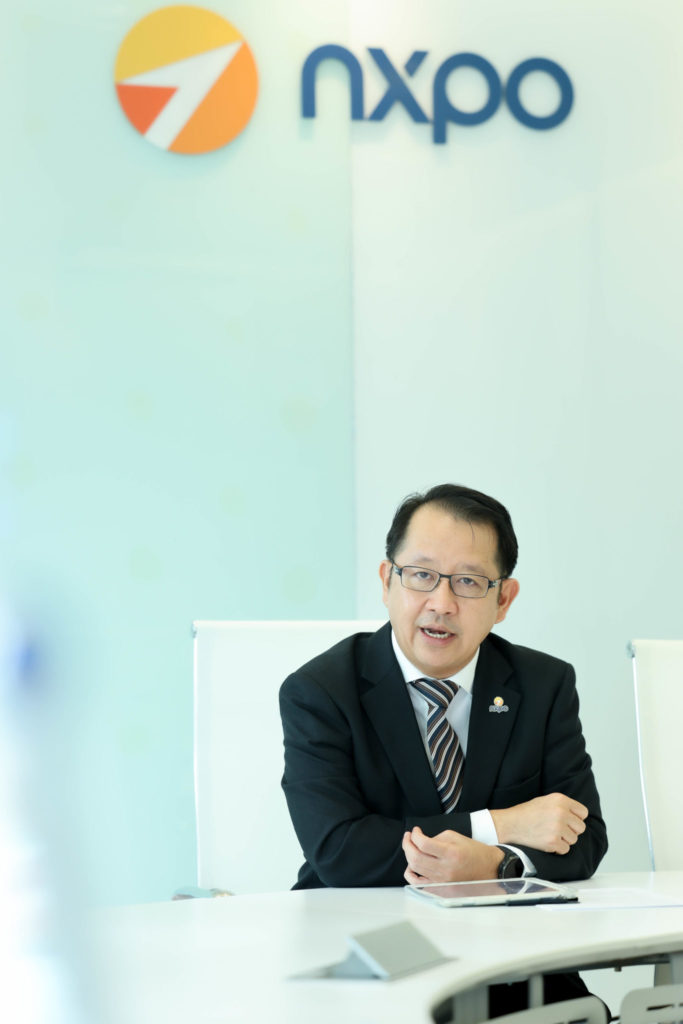
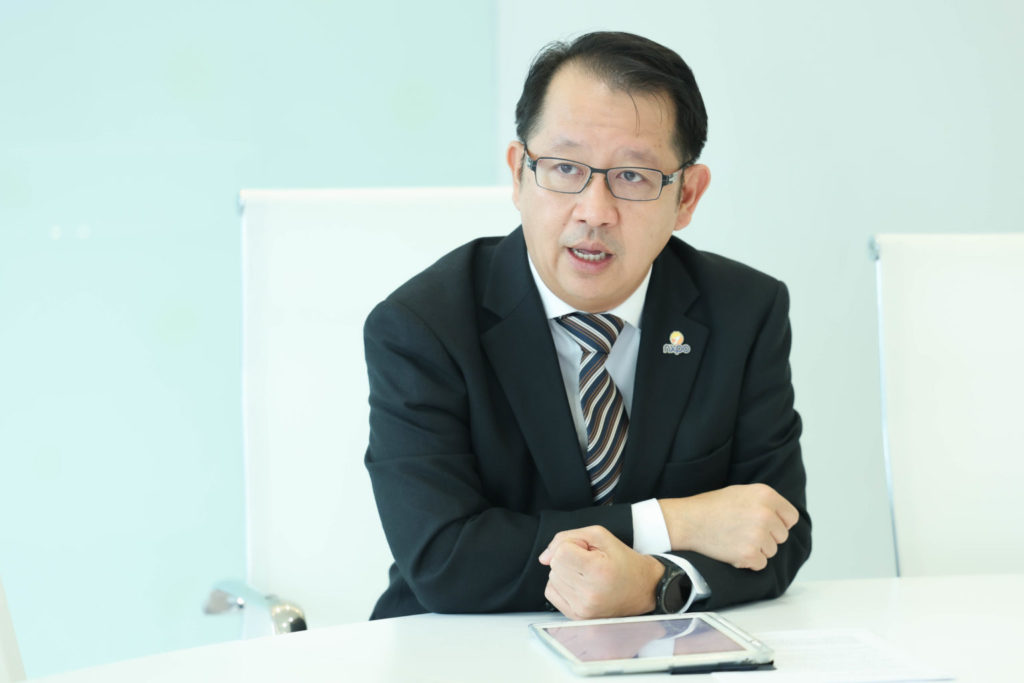
Assoc. Prof. Wongkot Wongsapai, Vice President of NXPO, noted that Thailand currently imports around 90% of its crude oil consumption. A sustainable solution must therefore begin with reducing energy use in the transport sector and transitioning systematically to clean energy. In the short term, NXPO—working with universities and agencies nationwide—has proposed immediate measures to the Ministry of Higher Education, Science, Research and Innovation (MHESI), including adjusting class and work schedules, adopting Work From Anywhere (WFA) where feasible, and expanding online learning to reduce electricity use and travel demand.
Over the medium to long term, NXPO is driving the transition through a range of EV technologies, including hybrid (HEV), plug-in hybrid (PHEV), and battery electric vehicles (BEV), as well as emerging options such as hydrogen. However, EV adoption alone is not sufficient, as 58% of Thailand’s electricity generation relies on natural gas—36% of which is imported, largely as liquefied natural gas (LNG). NXPO is therefore promoting a broader energy transition by accelerating renewable energy deployment—solar, wind, hydro, and biomass—while strengthening industrial supply chains across all stages.
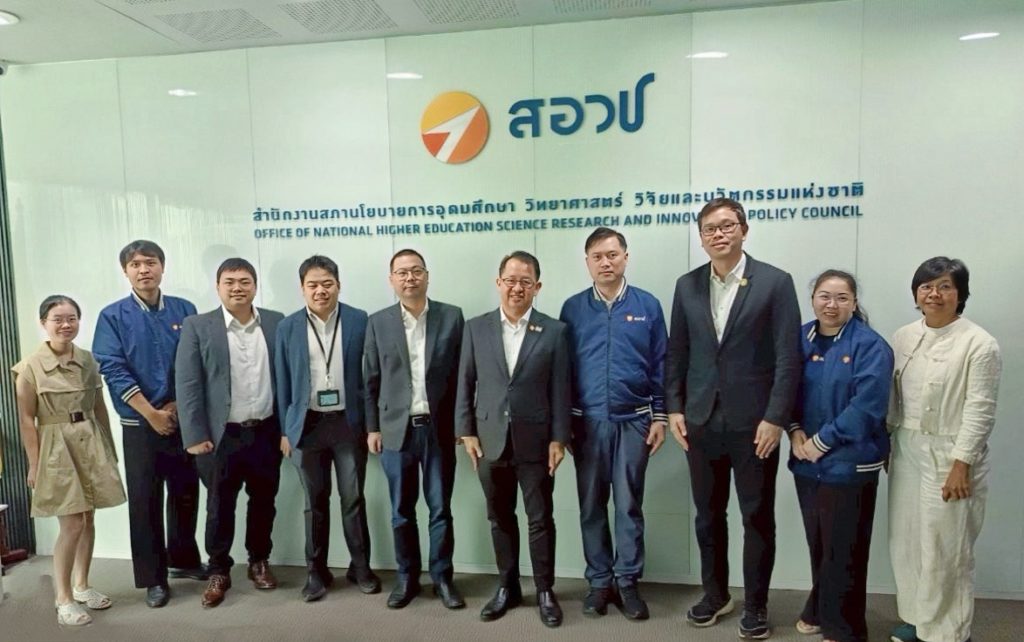
At the upstream level, NXPO is advancing policies to support key enabling technologies such as batteries, advanced materials, and semiconductors. Midstream efforts focus on strengthening Thai enterprises through local content measures and reskilling/upskilling the existing workforce in the conventional automotive industry. Downstream, emphasis is placed on research and innovation infrastructure to expand access to technology and support wider adoption.
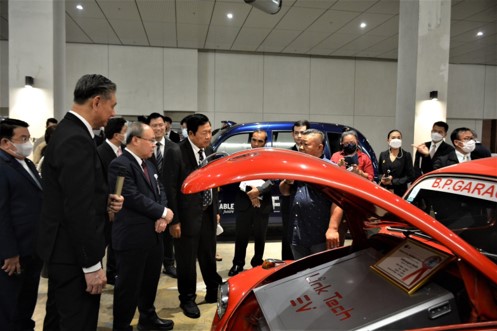
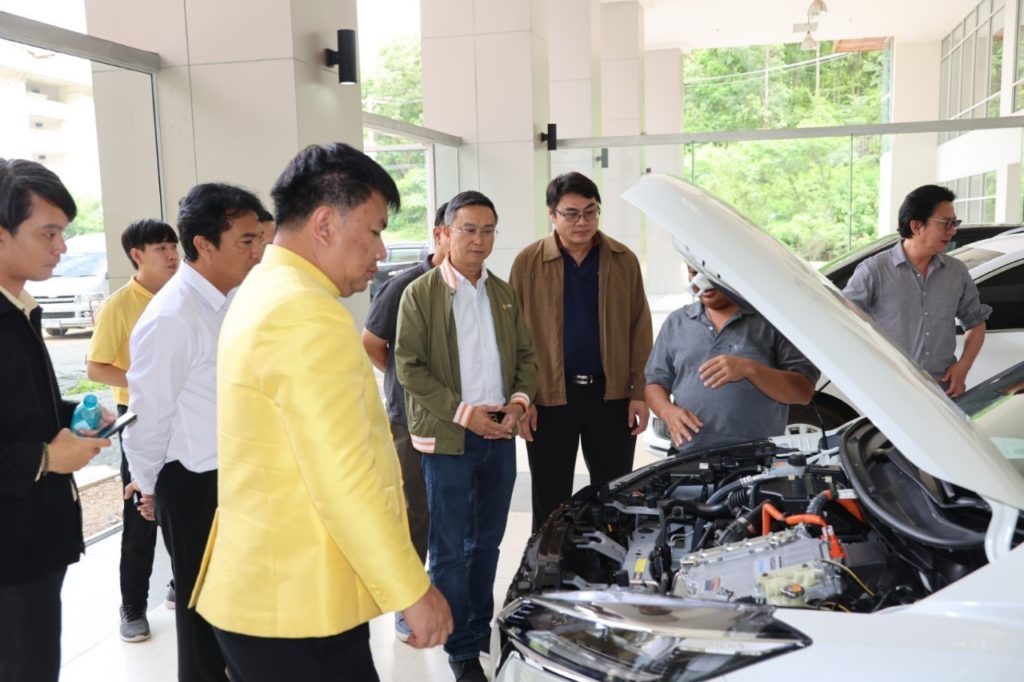
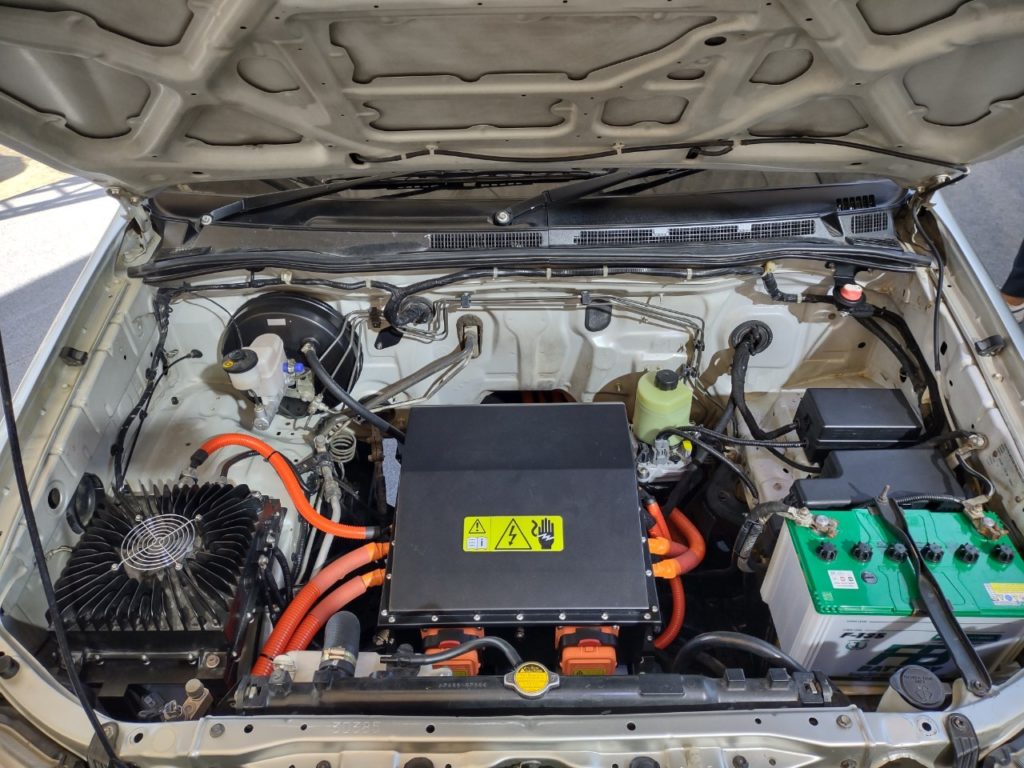
A key complementary approach is the promotion of “EV conversion”—retrofitting internal combustion engine vehicles into fully electric vehicles—particularly for specialized fleets such as shared taxis (songthaews), garbage trucks, and fire engines. This approach offers significantly lower costs compared to new procurement. NXPO is working with the Ministry of Energy and the Ministry of Industry to establish safety standards and explore financial mechanisms, including tax incentives and targeted subsidies, especially during periods of economic slowdown. In parallel, NXPO is preparing for the growth of low-carbon tourism through pilot initiatives in Chiang Mai, Pattaya, and Phuket.
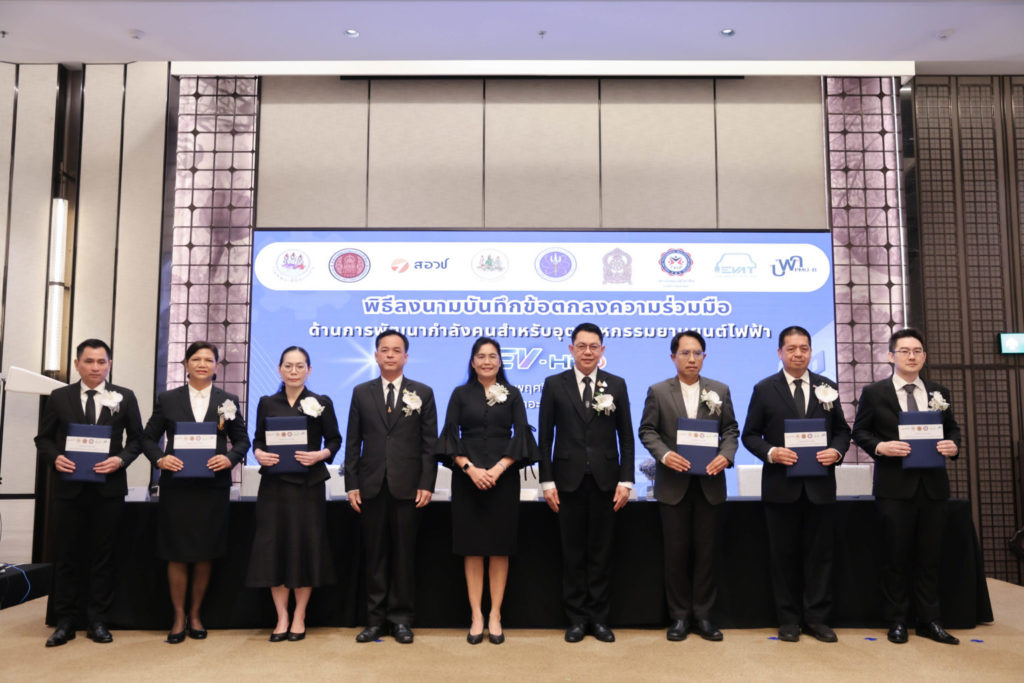
On workforce development, Assoc. Prof. Wongkot highlighted that NXPO has signed a memorandum of understanding (MOU) with key partners, including the Department of Skill Development (DSD), the Office of the Vocational Education Commission (OVEC), the Thailand Professional Qualification Institute (TPQI), the Electric Vehicle Association of Thailand (EVAT), and the Program Management Unit for Frontier Brainpower and Future Industries (PMU-B) under the Research and Innovation Acceleration Agency for Competitiveness and Area Development (RCAD). This collaboration, under the EV-HRD initiative, aims to upgrade the capabilities of Thai technicians in EV maintenance and conversion, while also establishing standards for EV charging systems. The program targets the development of at least 650 skilled personnel by 2026, alongside research and real-world deployment.

He added that scaling up EV adoption will reduce oil imports and shift toward domestically generated electricity, with increasing integration of renewable energy over time. EVs are three to four times more energy-efficient than internal combustion engines and enable advanced energy management systems such as smart charging and energy storage, which can enhance grid stability.
NXPO is also working with Thailand Science Research and Innovation (TSRI) and Airbus Group (Thailand) to develop policies supporting SAF across the full value chain. SAF is a critical enabler of decarbonization in the aviation sector, helping airlines respond to evolving geopolitical dynamics and international carbon regulations. Policy development is therefore taking a holistic view—covering supply chain readiness, job creation, and national capacity building.
“Some Airbus aircraft can already operate on fuel blends containing up to 50% SAF, while laboratory testing has reached 100%. Airlines in Thailand have begun trialing SAF derived from used cooking oil (UCO), but supply remains constrained—particularly for long-haul routes to Europe, where carbon-related requirements are more stringent,” he noted.

Thailand has strong potential to produce SAF from two key feedstocks. The first is used cooking oil, with private-sector players already scaling up production. The second is agricultural residues in the form of biomass, which are a major contributor to PM2.5 pollution when burned in the open. NXPO is therefore developing policies to convert these residues into high-value SAF through research and innovation, alongside exploring high-yield energy crops to support long-term supply. This approach not only mitigates air pollution but also creates a substantial new market for the agricultural sector and provides additional income streams for farmers. With sufficient SAF production, Thailand will be well positioned to sustain its role as a regional aviation hub.
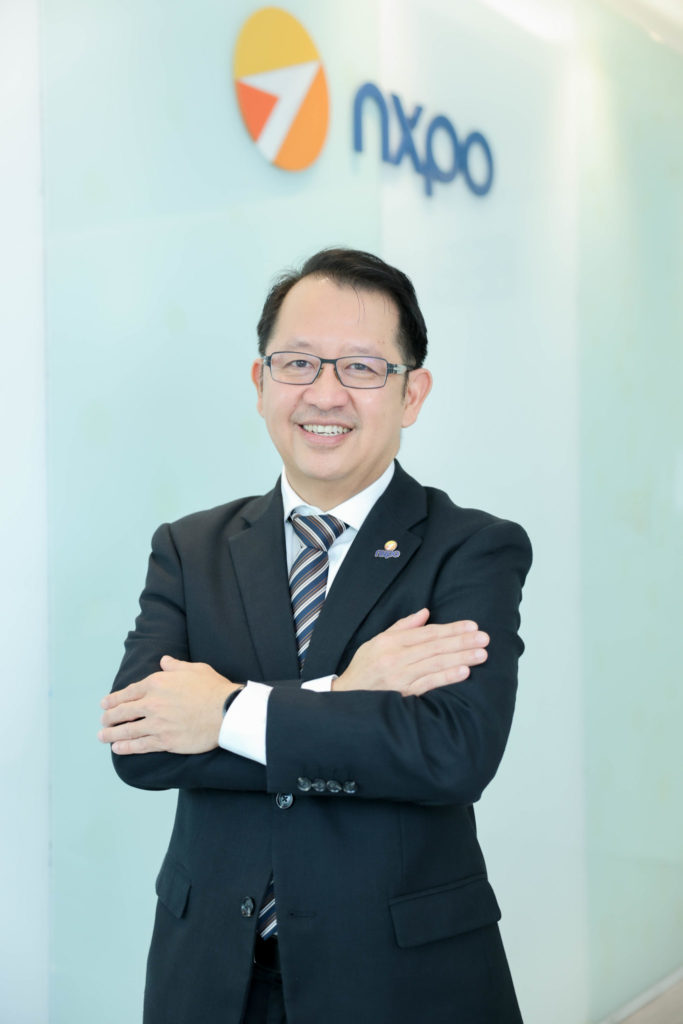
“Thailand’s advantages in feedstock availability and geography set it apart from many regional competitors. SAF development represents a strategic opportunity to position the country as a green aviation hub in Asia. Together, EVs and SAF form the two pillars of the transport sector’s energy transition—on land and in the air—and will be critical to achieving net zero greenhouse gas emissions while strengthening national competitiveness,” Assoc. Prof. Wongkot concluded.