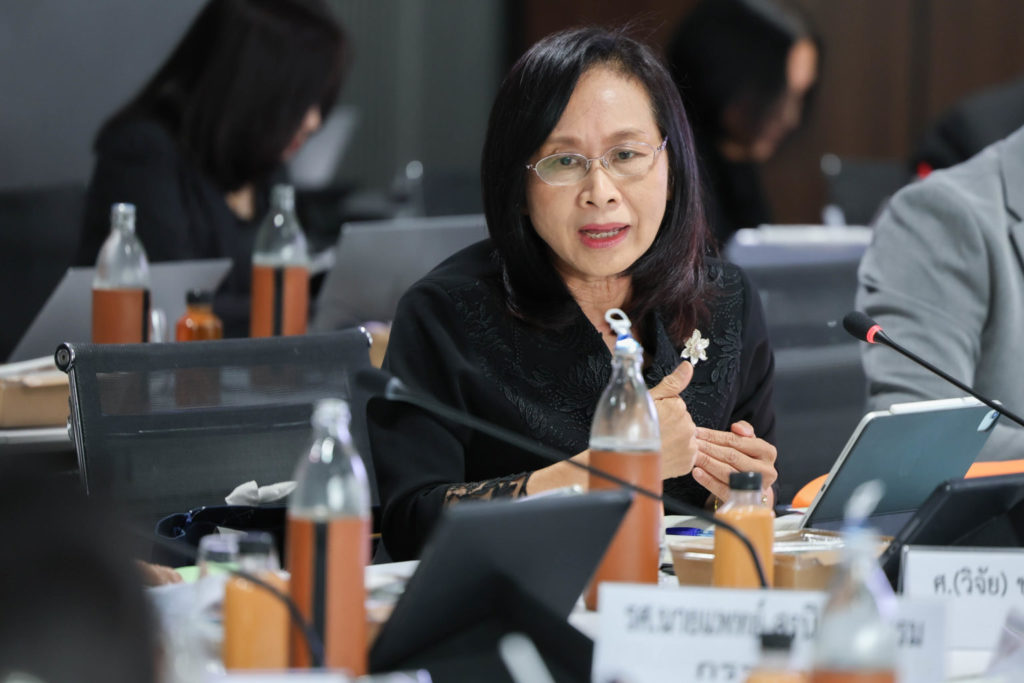
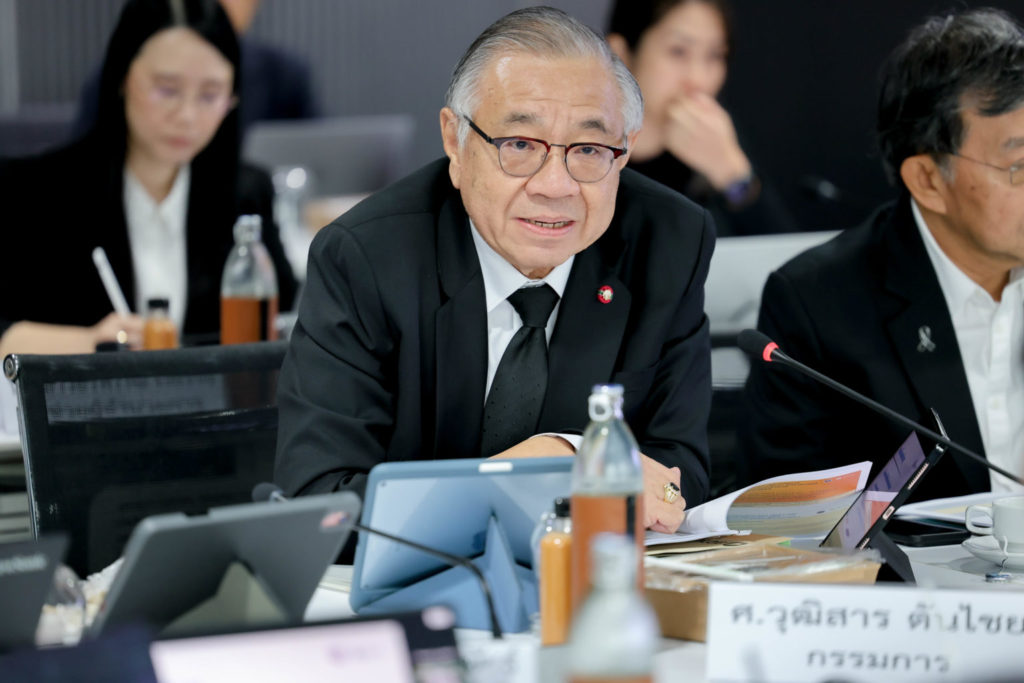
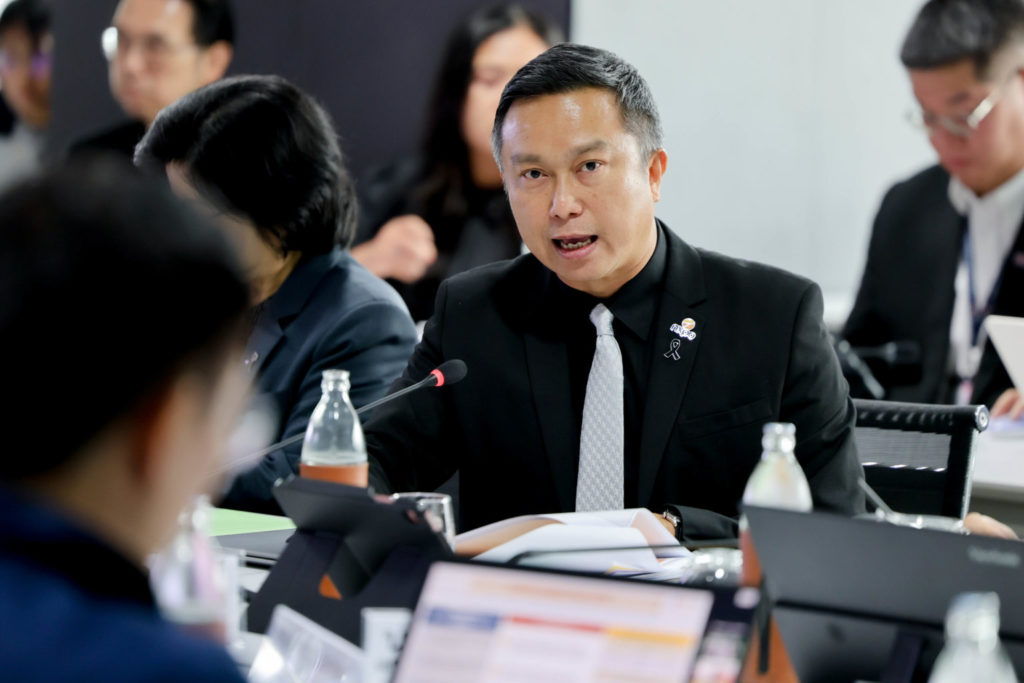
On 22 May 2026, Prof. Dr. Yodchanan Wongsawat, Minister of Higher Education, Science, Research and Innovation (MHESI), chaired the NXPO Executive Board Meeting. Dr. Surachai Sathitkunarat, President of NXPO, served as Board Member and Secretary to the meeting.
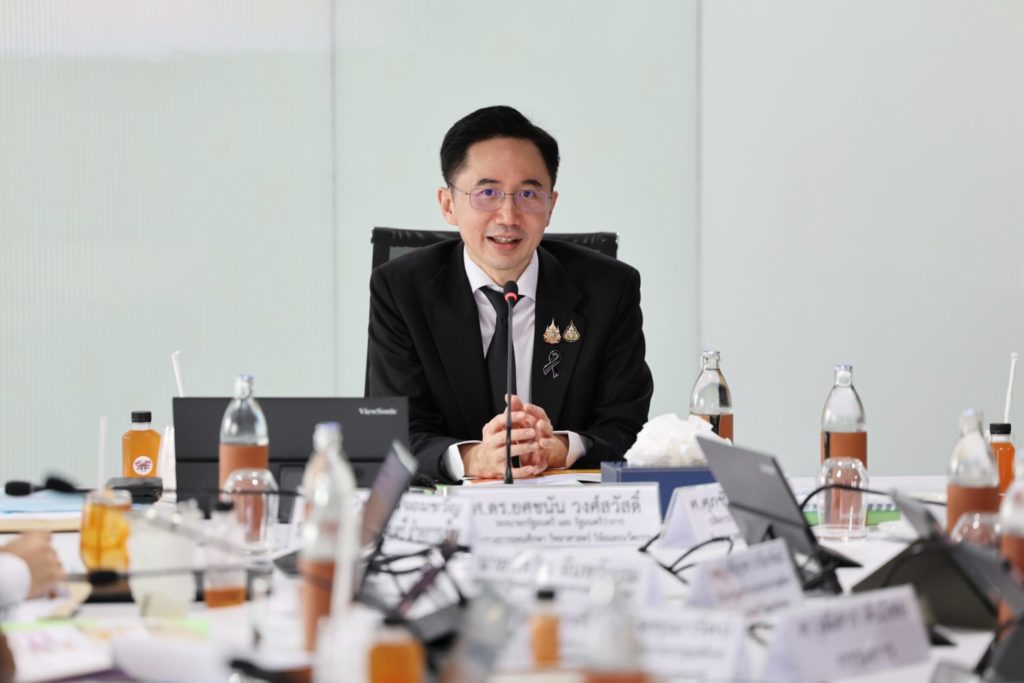
In his opening remarks, Minister Yodchanan emphasized the importance of strengthening the implementation of higher education, science, research and innovation (HSRI) policies to support Thailand’s long-term development. He stressed that the extensive knowledge base, research outputs, and capabilities developed by Program Management Units (PMUs) and universities nationwide should be strategically integrated into key national clusters to accelerate the growth of emerging industries and future-ready human capital in response to global transformations.
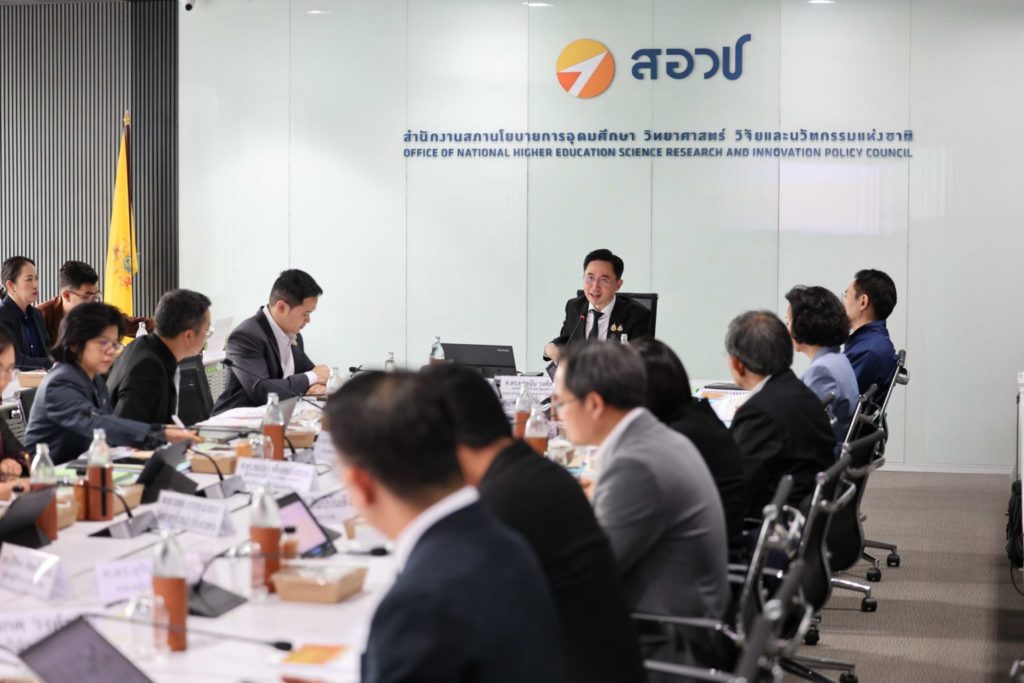
“We are connecting NXPO, PMUs, universities, and the private sector—each with distinct strengths—to create new growth engines for the country. Research findings and studies from relevant agencies should be consolidated and organized around strategic themes such as semiconductors, artificial intelligence (AI), biotechnology, and advanced medicine. This will enable us to assess national needs in workforce development and investment in science, research and innovation while ensuring alignment with Thailand’s strategic priorities,” said Minister Yodchanan.
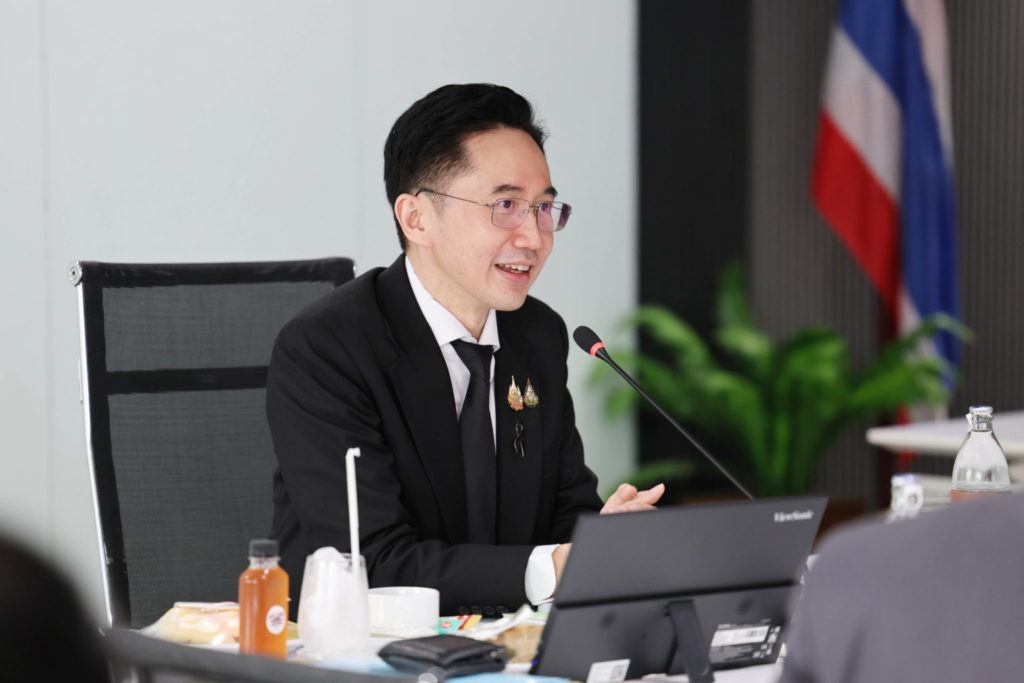
He also emphasized the need to increase Thailand’s investment in research and development (R&D). He revealed plans to collaborate with the Board of Investment (BOI) to address constraints in accessing large-scale research funding and to explore international models of investment and fund management, including Singapore’s Temasek, as references for designing mechanisms to attract investment in advanced technologies and innovation. He noted that pressing national challenges—including industrial transformation, environmental degradation, and PM2.5 pollution—require substantial investment and coordinated action among government agencies, the private sector, and major investors to accelerate the development of new national capabilities.
“If Thailand can increase investment in science, research and innovation to the targeted level of 20 billion THB, it will represent a major milestone in strengthening national competitiveness and establishing a new economic foundation for long-term growth. We will therefore move forward with close collaboration with the BOI,” he added.
Following the Minister’s remarks, Dr. Surachai introduced the members of the NXPO Executive Board and presented an overview of NXPO’s key priorities for 2026. These include reforming Thailand’s higher education, science, research and innovation system; formulating the Higher Education, Science, Research and Innovation Policy and Strategy Framework (2028–2032); advancing agricultural and food technologies; promoting systematic workforce development measures and incentives; implementing the Thailand Foresight Alliance; supporting the transition of SMEs into Innovation-Driven Enterprises (IDEs); advancing the Social Innovation Policy Framework for Thailand; and developing regenerative tourism policies to strengthen community-based tourism.
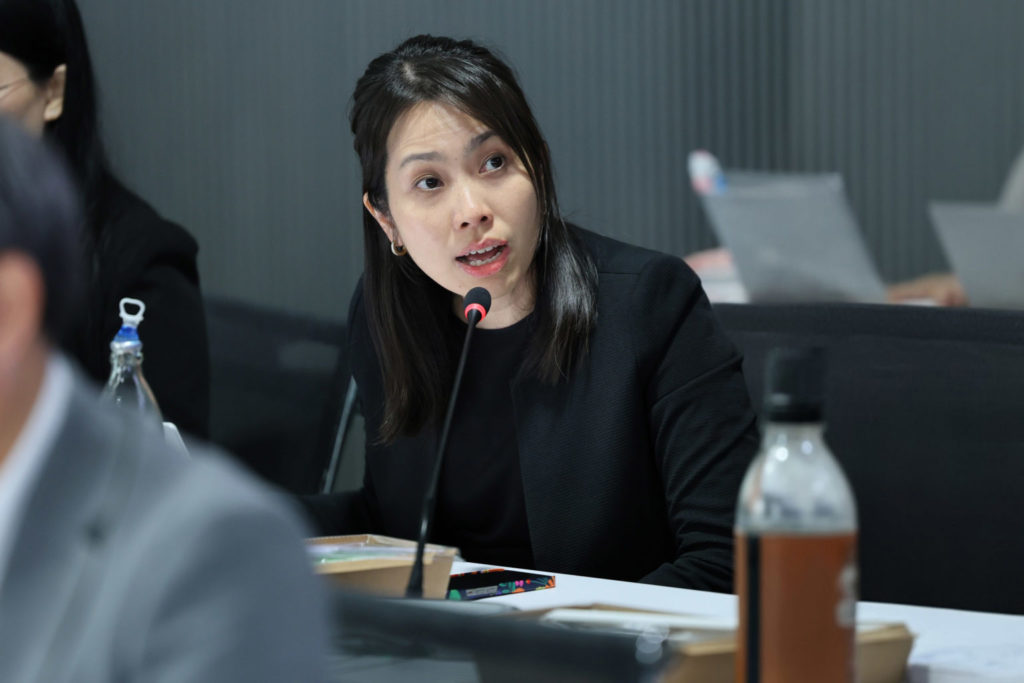
Ms. Sirinya Lim, Senior Director of the Bioeconomy Policy Division at NXPO, reported on progress in advancing Thailand’s Future Food Industry Policy. She highlighted that future food has been designated as a priority sector under the Biotechnology Industry Development Framework (2026–2035). In 2025, Thailand’s future food market exceeded 356 billion THB in value and comprised four major segments: health foods and functional ingredients; medical and personalized nutrition; organic and minimally processed foods; and alternative proteins. Two priority subsectors have been identified: functional ingredients and protein ingredients derived from Thai raw materials. Studies have revealed critical gaps across the value chains of both subsectors, spanning upstream production and raw material development, processing and manufacturing, as well as product formulation and commercialization.
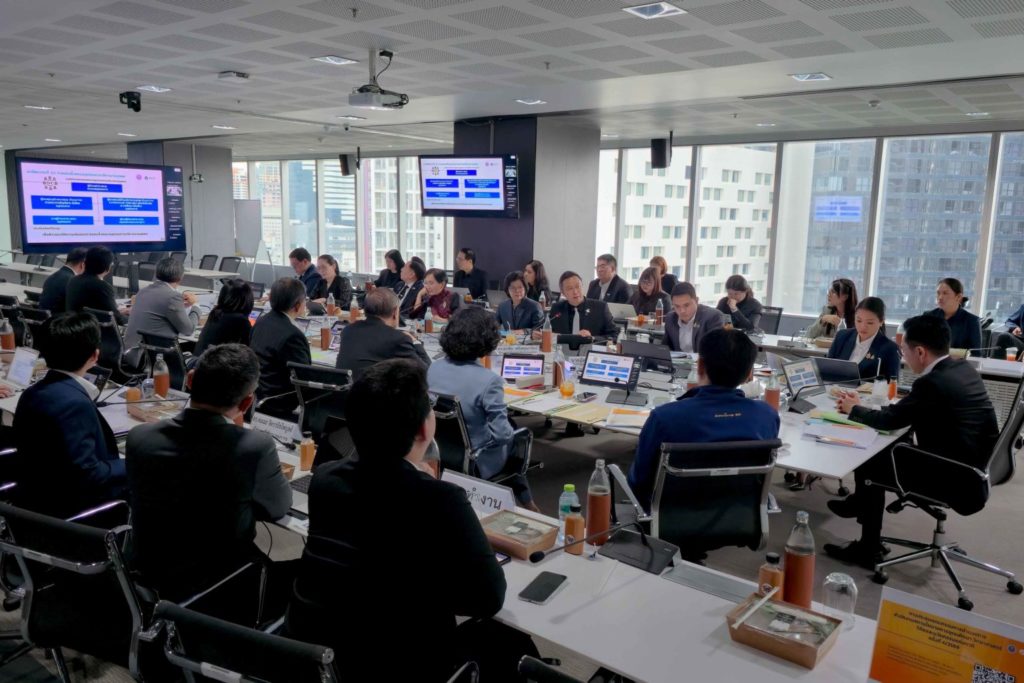
Ms. Sirinya also outlined strategies for advancing the future food industry, with the goal of expanding market value to 500 billion THB by 2027:
- Developing 150 positive lists for foods and food ingredients to reduce regulatory barriers, lower registration costs, and accelerate market entry for innovative products;
- Enhancing the value of agricultural products through functional claims, including pilot projects to identify crops with scientifically validated health benefits and establish certification and labeling systems for fruits and vegetables with high bioactive content;
- Establishing a Black Ginger Extract R&D Consortium; and
- Implementing the plant-rich diet awareness program, including the nationwide “Plant-Rich 30%” campaign.
“I would like to invite organizations from all sectors to join the ‘Plant 30% Leaders Club’—a collaborative network whose members commit to ensuring that plant-based foods account for at least 30% of meals served or food products offered. Together, we can build a food system that promotes better health, supports environmental sustainability, and creates new economic opportunities for Thailand,” Ms. Sirinya said.
She further noted that the next phase of future food industry development will require dedicated implementation mechanisms linking policy design with execution. The initiative aims to transform Thailand’s agri-food sector into a more competitive and resilient industry through enhanced productivity, innovation, and sustainable branding, enabling access to high-value domestic and international markets. By 2032, the future food market is projected to reach 4.66 trillion THB.
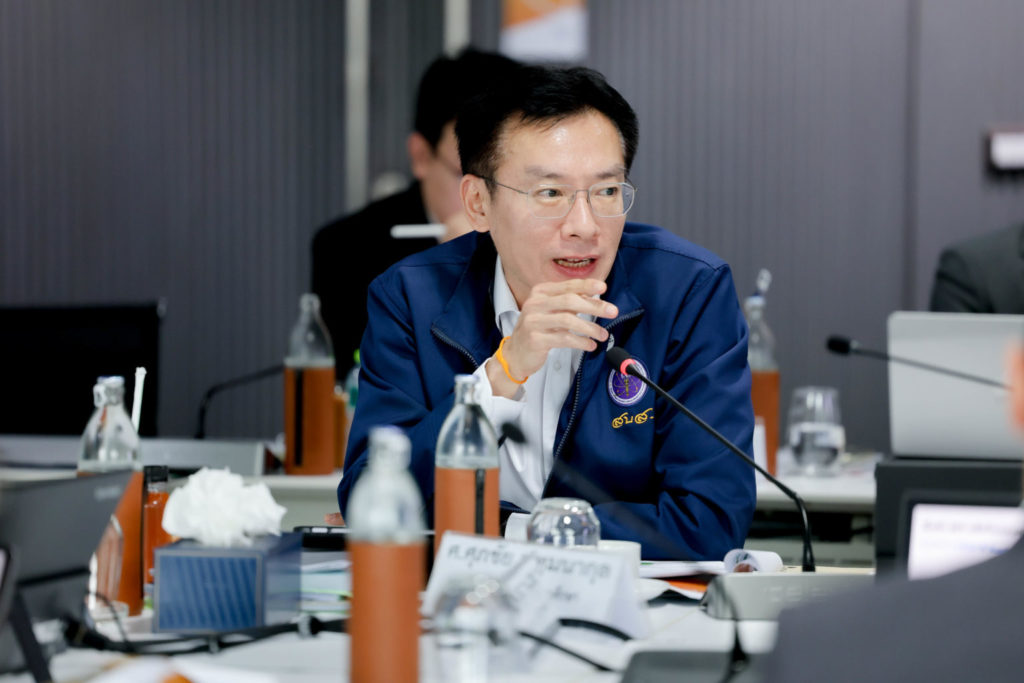
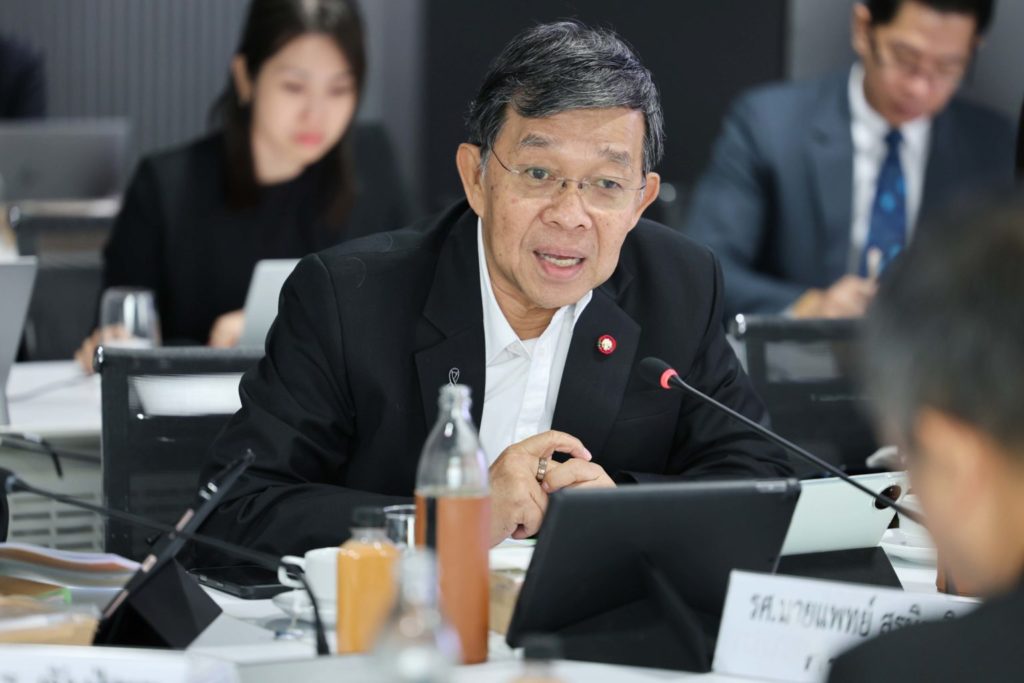
During the discussion, board members agreed that future food should be elevated to a national agenda, given its strategic importance for food security, public health, environmental sustainability, and the development of new national capabilities. To realize this vision, Thailand must accelerate the creation of a comprehensive ecosystem encompassing research and development, raw material supply chains, standards and positive lists, market development, and consumer acceptance. The Board also proposed adopting regulatory sandbox mechanisms and area-based development models to integrate economic development, food systems, agriculture, health, and innovation within the same geographic areas. Such an approach would enable tangible systemic outcomes while providing scalable models that can be expanded nationwide in the future.