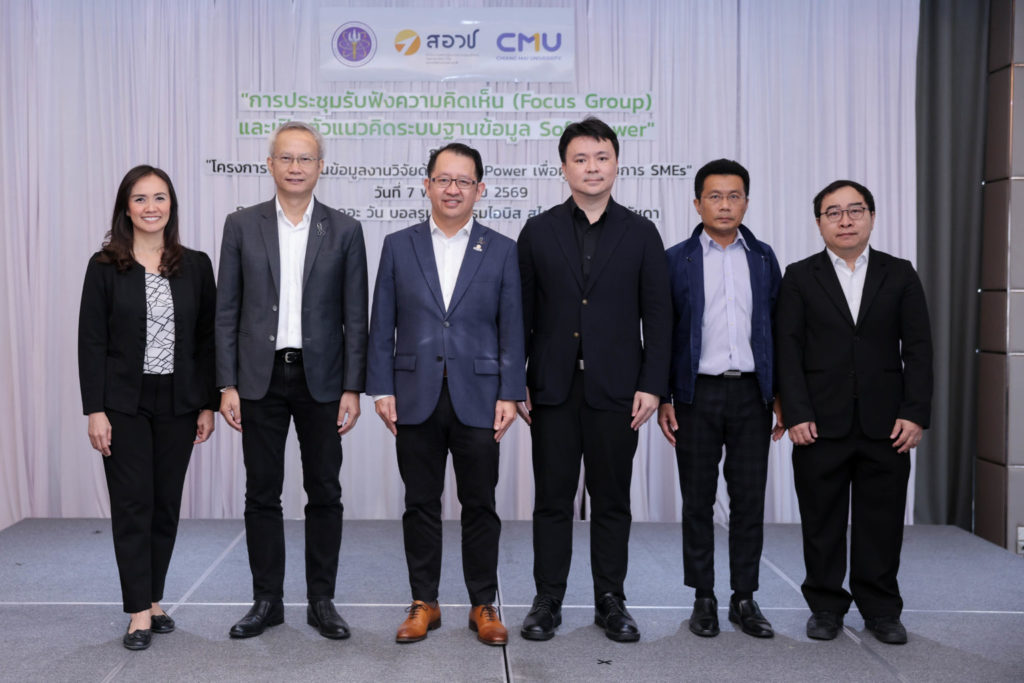
NXPO, in collaboration with Chiang Mai University, convened a focus group discussion under the “Development of a Soft Power Research Database for SMEs” project on 7 May 2026. The meeting aimed to gather feedback and recommendations from key stakeholders to further develop a database and system that effectively respond to the practical needs of the business sector—particularly across the five soft power domains (5F): Food, Film, Fashion, Fighting, and Festival. The session also served as a platform to exchange perspectives on opportunities and approaches for leveraging soft power within the creative economy.
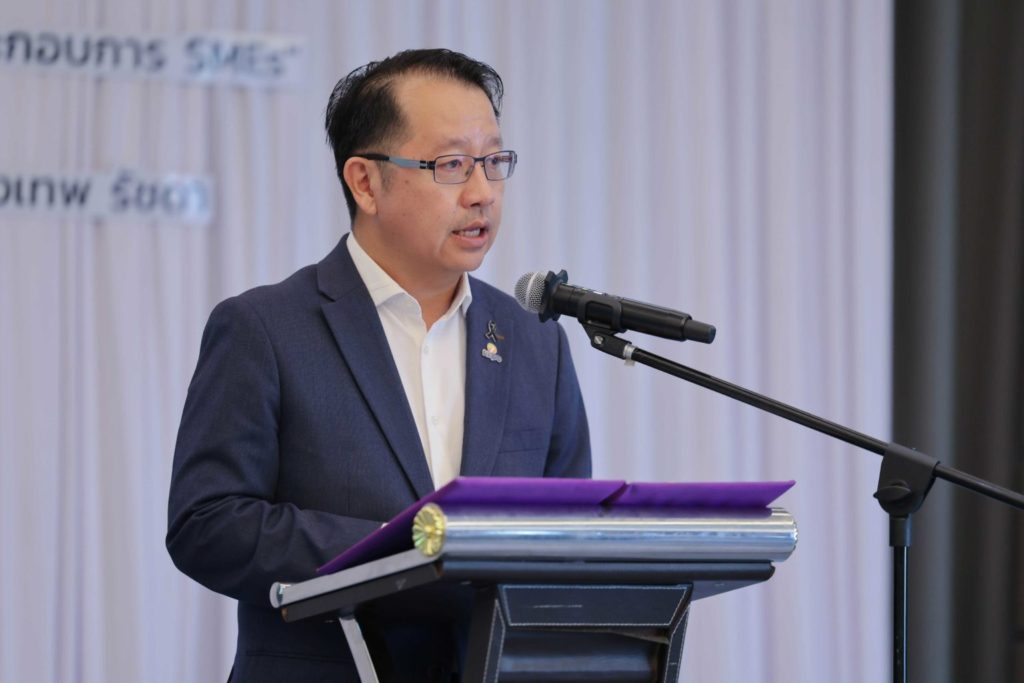
In his opening remarks, Assoc. Prof. Wongkot Wongsapai, Vice President of NXPO, emphasized that soft power has become a critical driver of economic growth and national positioning on the global stage. It spans sectors such as food, culture, tourism, creative industries, and entertainment—areas in which Thailand holds strong comparative advantages and significant potential for value creation. However, a key challenge remains in ensuring that the extensive body of knowledge and research is accessible and can be effectively utilized, particularly by SMEs, which are a central engine of the Thai economy.
As a policy agency, NXPO places strong emphasis on strengthening linkages among the research community, government, and the private sector—especially through the development of data infrastructure that enables enterprises to access relevant knowledge conveniently and efficiently. This meeting therefore went beyond information sharing; it marked an important step toward the co-design of a soft power research database grounded in real user needs and practical application.
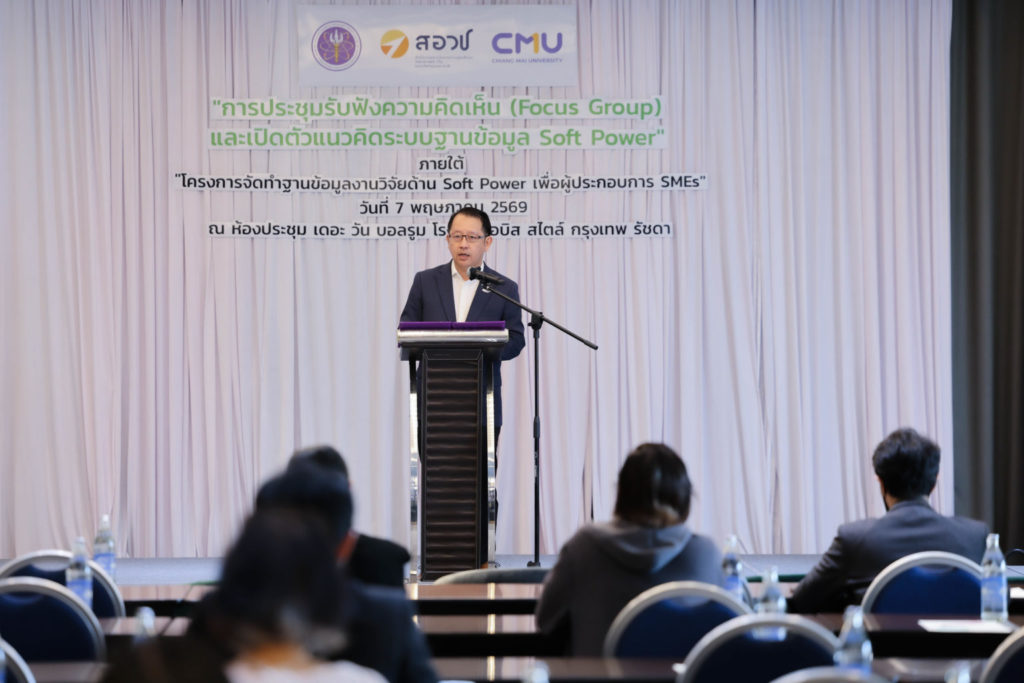
The discussion centered on three key areas. First, SMEs play a vital role as engines of employment, production, services, tourism, and knowledge transfer within communities, contributing to economic, social, and environmental development. Second, the database will be built upon existing datasets from the National Research Council of Thailand (NRCT) and further refined to align with user needs. This requires direct input from SME users on preferred data formats, structure, and functionalities to ensure usability and practical application—enabling businesses to analyze and apply data effectively. Third, research must be translated into practical use; therefore, the database must be designed to meet the needs of SME users.
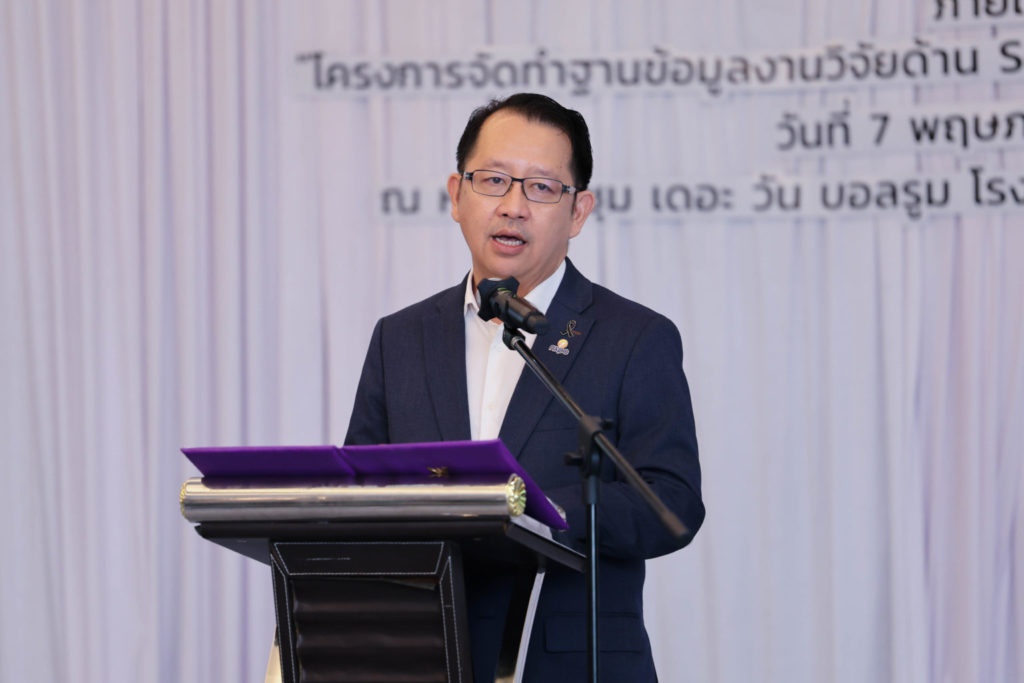
“If we can effectively connect data, research, and entrepreneurs, it will serve as a key mechanism to strengthen the capabilities of Thai SMEs and advance the country’s soft power,” Assoc. Prof. Wongkot noted.
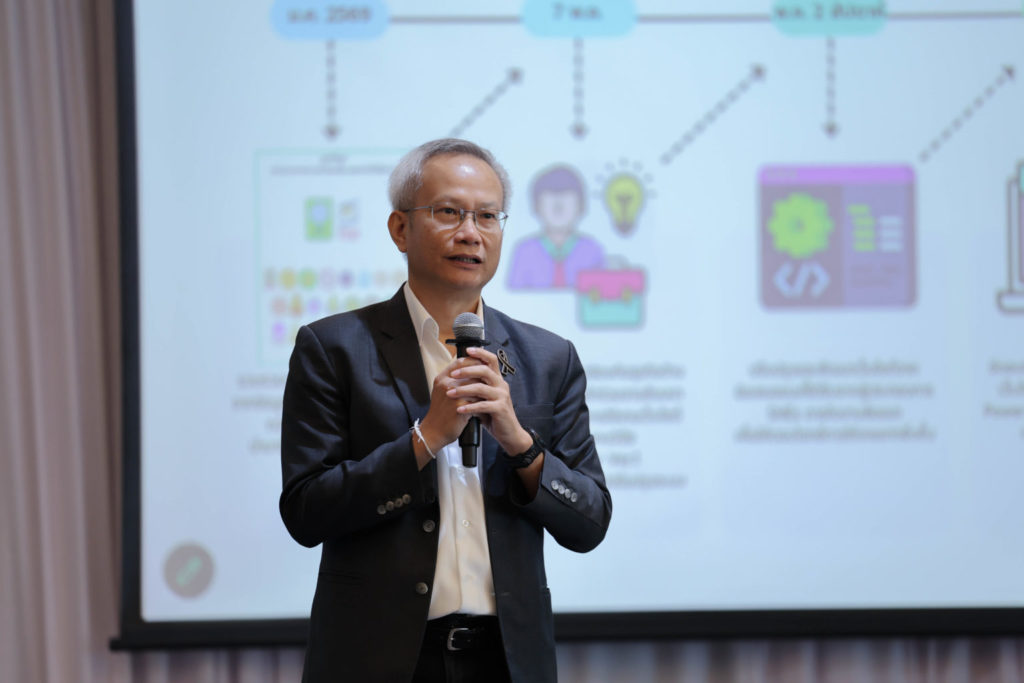
Asst. Prof. Dr. Chatchawan Chaichana, Associate Dean of the Faculty of Engineering at Chiang Mai University and the project manager, presented an overview of the initiative. To date, the project has compiled and screened 52,087 research studies, categorizing them within the 5F framework. He noted that participating SMEs were invited to provide feedback on the usability of the database platform, which will be used to refine and enhance the system. An online training session will be conducted to pilot the platform, followed by further development. The fully functional web-based database is expected to be launched in January 2027.
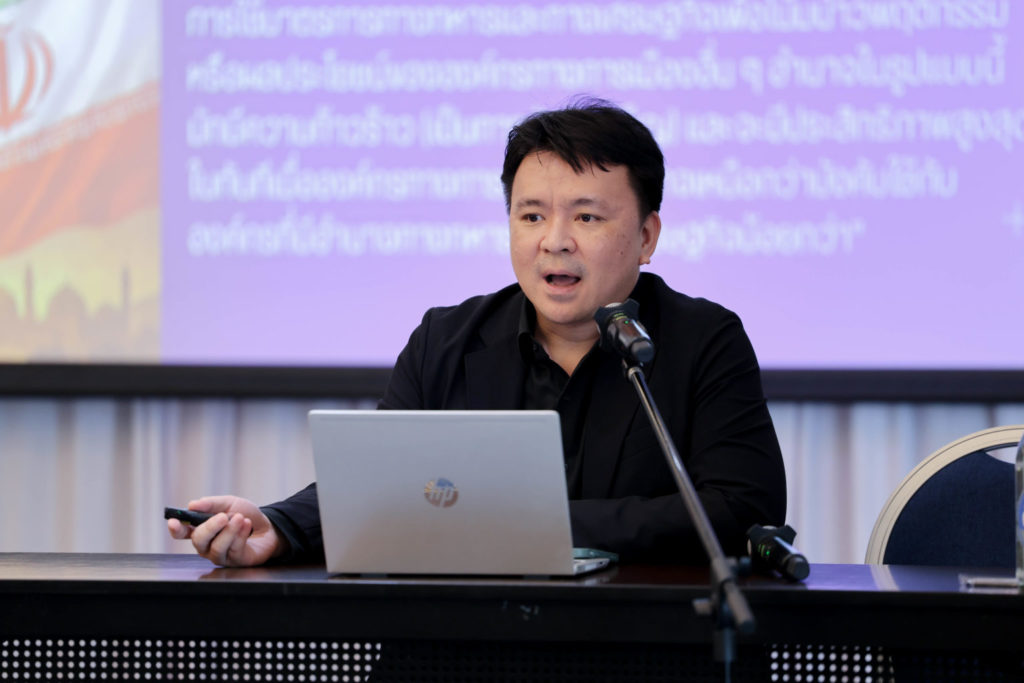
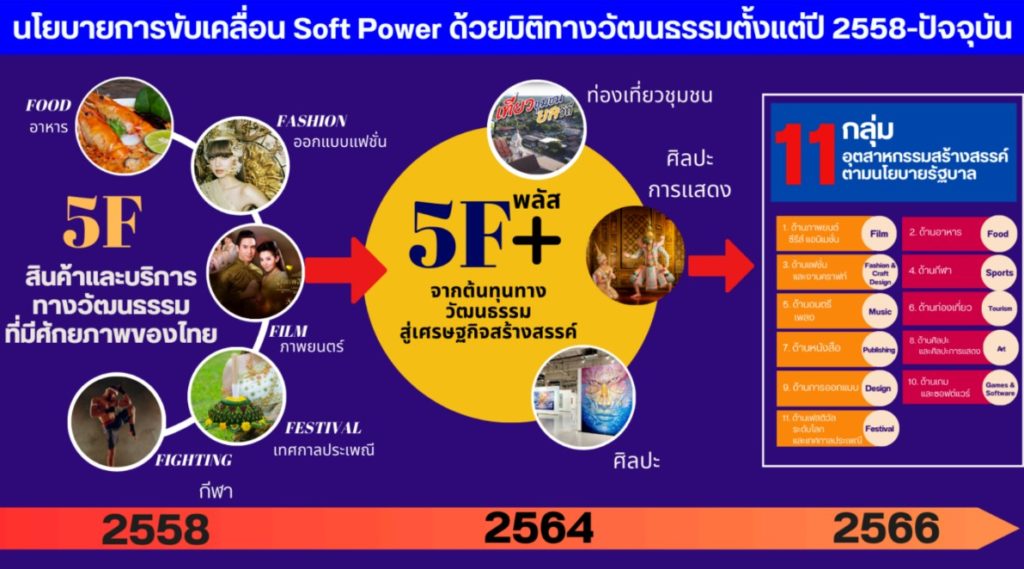
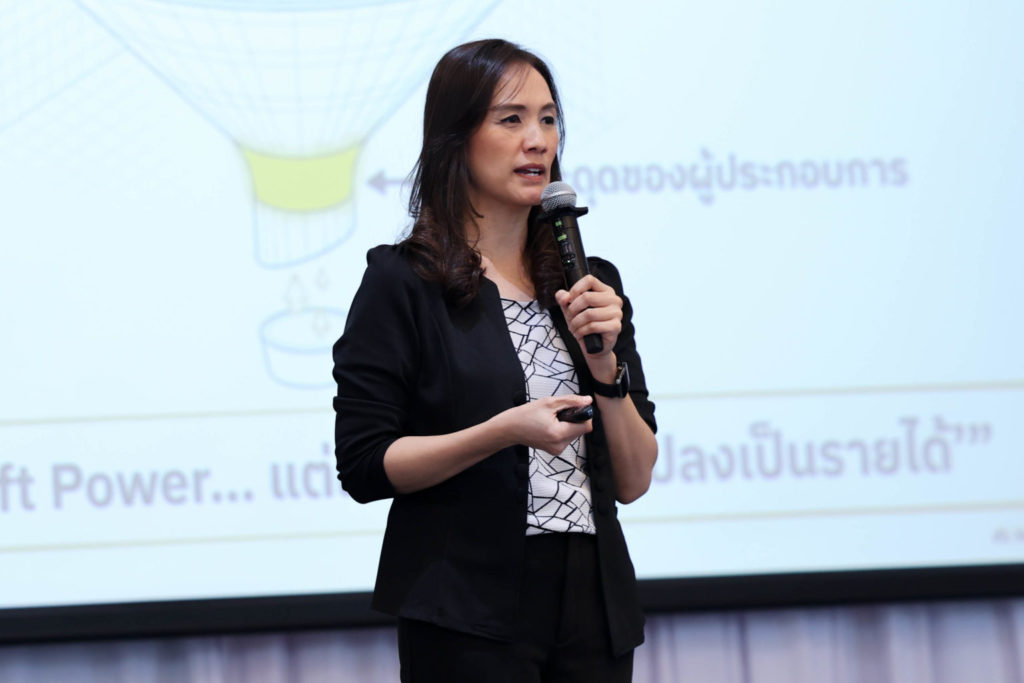
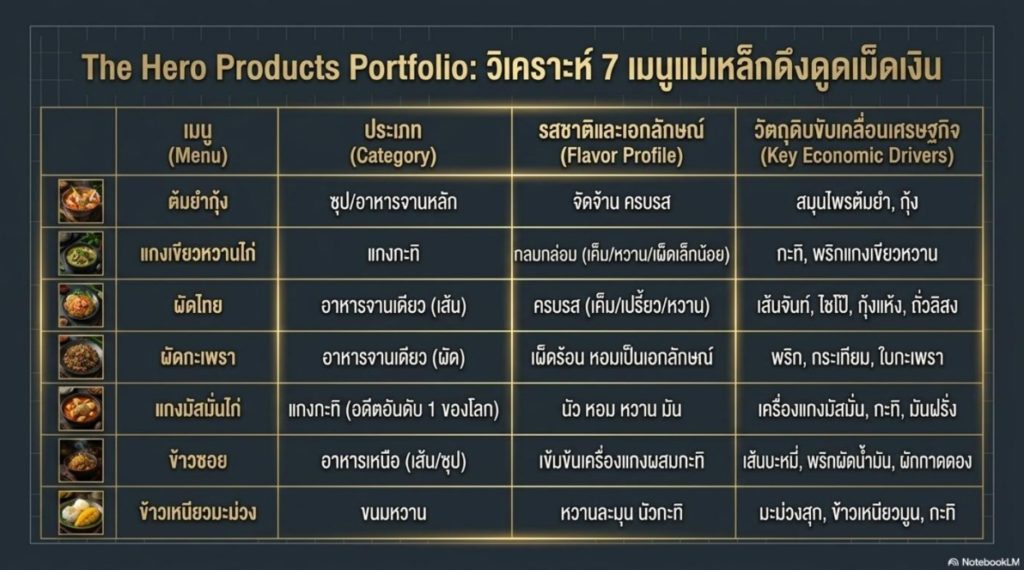
The event also featured a presentation on “The Direction of Thai Soft Power” by Mr. Pratchaya Srisattayasathien from the Ministry of Culture, offering an overview of soft power development in Thailand and its potential to generate value at the international level. Another session, titled “From Research to Revenue: Case Studies of Applying Soft Power in Real Businesses,” was delivered by Dr. Sansanee Krajangchom from the Multidisciplinary Research Institute, Chiang Mai University, highlighting practical examples of how soft power knowledge can be translated into business applications and economic value.
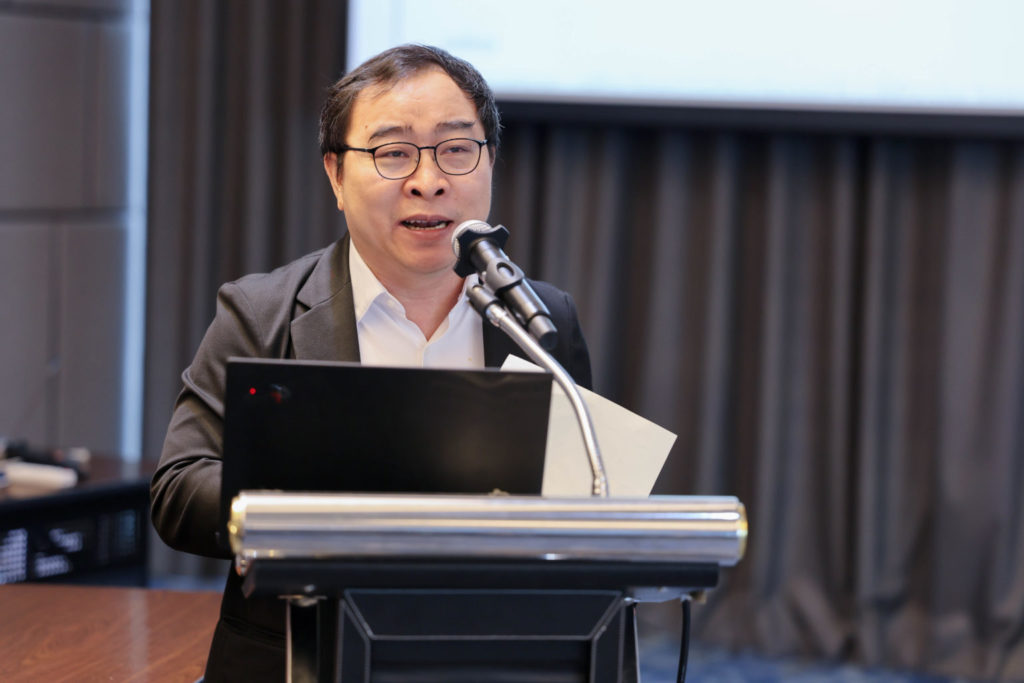
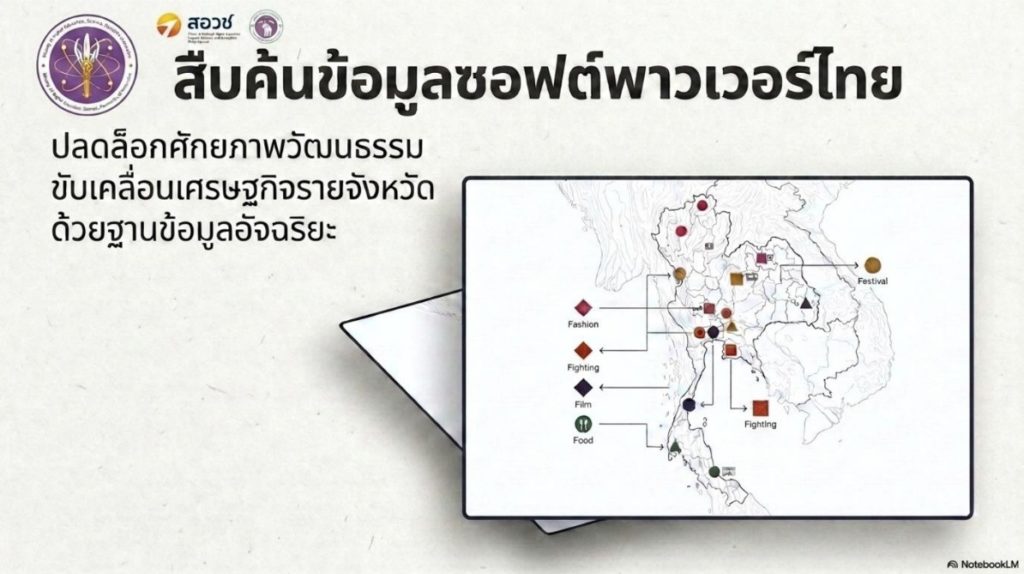
In addition, Asst. Prof. Dr. Pruet Boonma, a database specialist from the Faculty of Engineering, Chiang Mai University, demonstrated the platform’s search functionalities, which allow users to explore research by province, by 5F business categories, and through keyword-based queries.
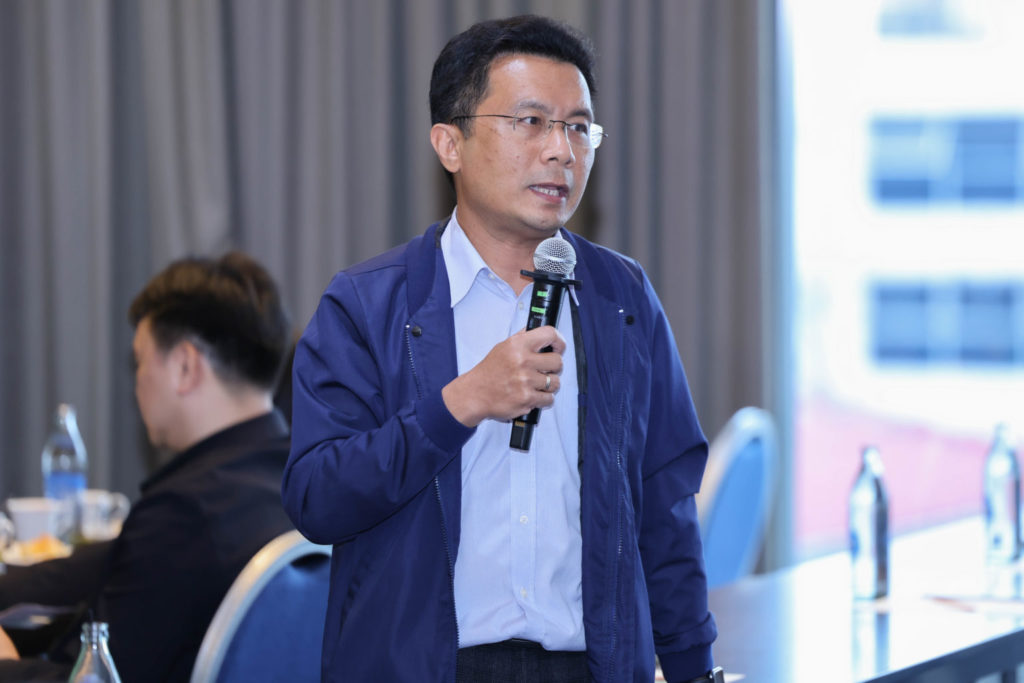

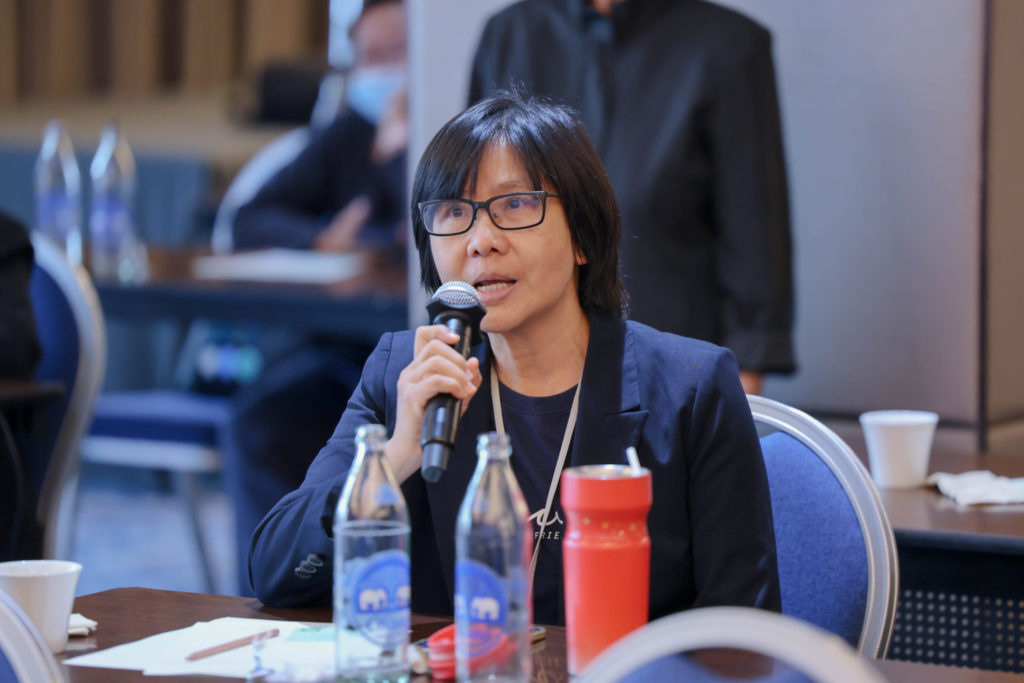
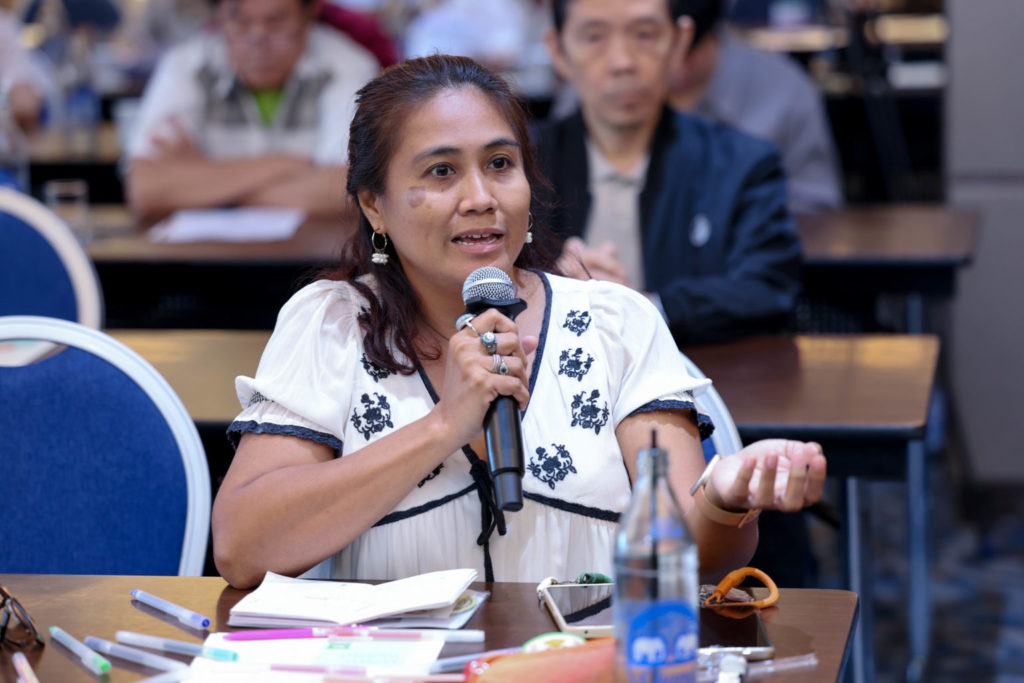
The event concluded with an interactive session titled “Co-designing a Practical Database for SMEs,” where participating SMEs shared feedback and recommendations. These inputs will be consolidated to further enhance and optimize the platform, ensuring it is fully functional and responsive to real-world user needs.