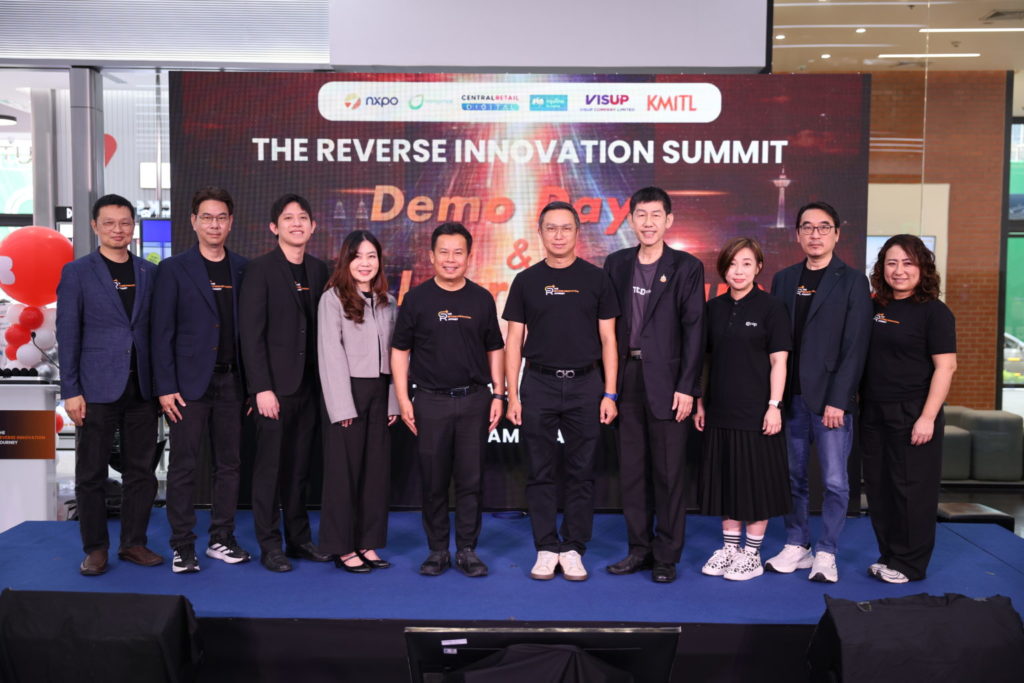
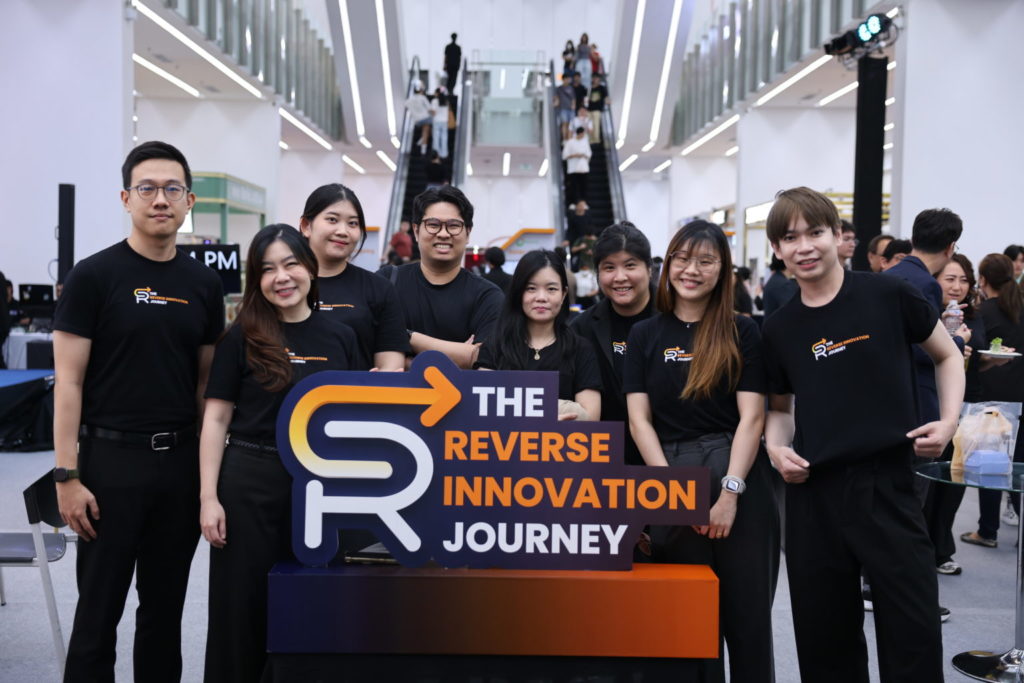
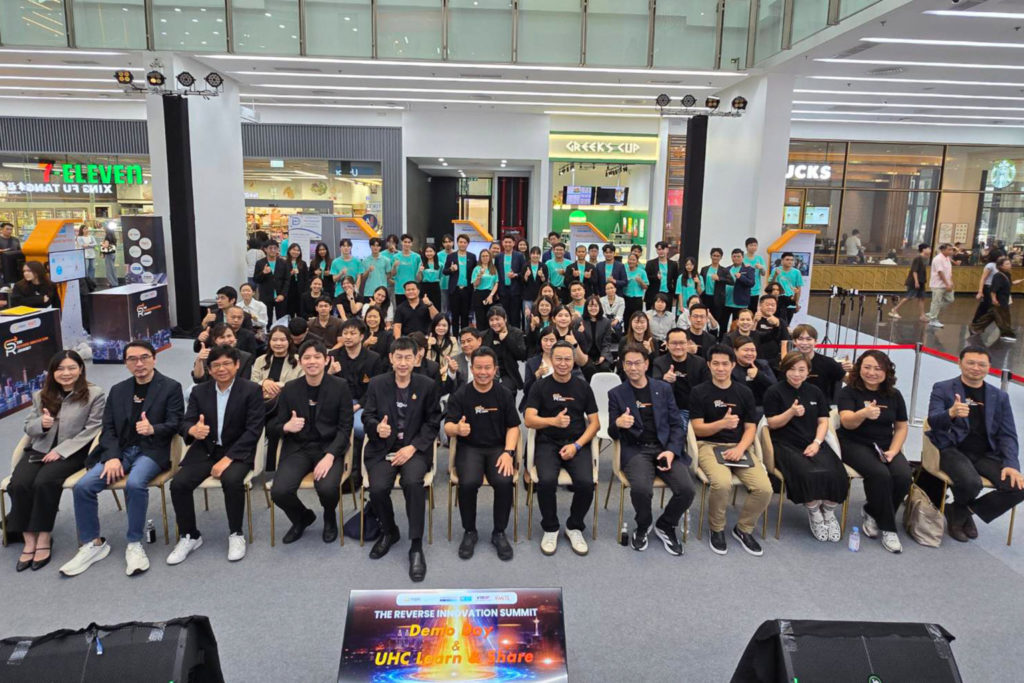
On 25 April 2026, NXPO, in collaboration with King Mongkut’s Institute of Technology Ladkrabang (KMITL) and industry partners—Bangchak Corporation, Central Retail Digital, and Krungthai Bank—hosted “The Reverse Innovation Summit.” The event provided a platform to showcase innovations from 12 research and startup teams that had undergone intensive incubation under “The Reverse Innovation Journey,” a pilot model for innovation development based on a reverse pitching mechanism. This approach systematically connects large corporations with startups, with universities serving as key intermediaries.
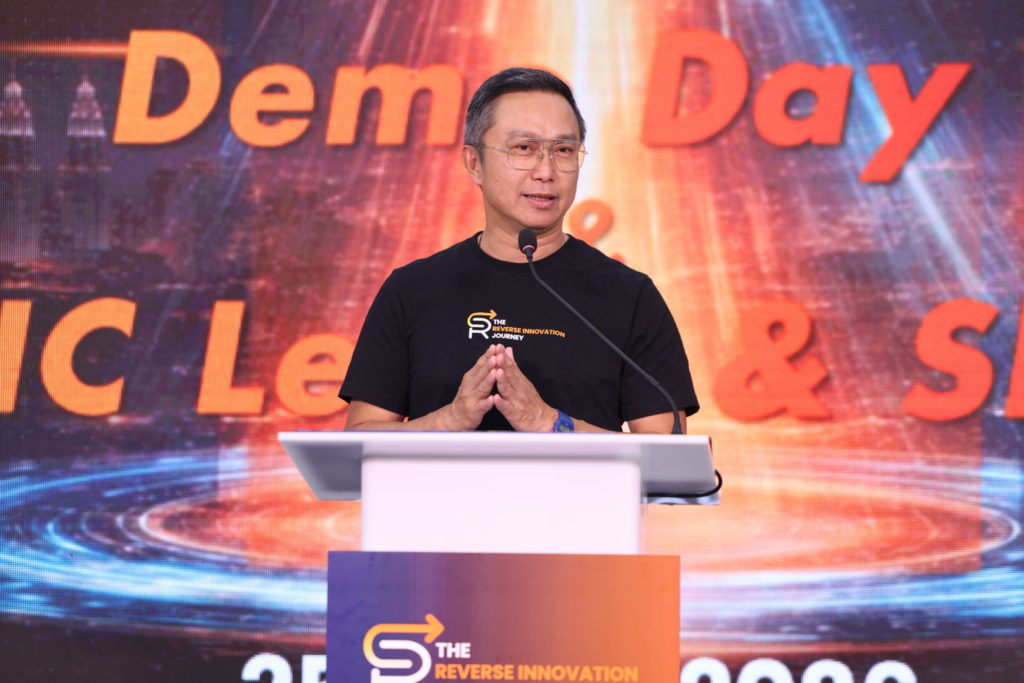
Dr. Surachai Sathitkunarat, President of NXPO, stated in his opening remarks that one of NXPO’s core missions is to strengthen the innovation ecosystem—particularly by bridging the gap between research and industry, which remains a critical barrier to the commercialization of Thai innovations.
“The Reverse Innovation Journey” was developed to shift the innovation paradigm from a supply-driven model to a demand-driven approach, starting from real market needs. The program comprises two key components: (1) a Reverse Pitching mechanism, in which large organizations define real industry challenges—reducing risks for startups and researchers while enabling faster entry into industrial value chains; and (2) a Collaborative Bootcamp, an intensive incubation program designed to enhance business capabilities, including intellectual property management, business model development, and negotiation skills. This process supports the transformation of researchers and students into innovation-driven enterprises (IDEs) capable of working effectively with industry partners.
Dr. Surachai emphasized that the event reflects three key directions for Thailand’s innovation development: (1) cultivating a new generation of innovators equipped with both technological and business competencies; (2) integrating real industry challenges into the innovation development process; and (3) elevating the role of universities from educational institutions to strategic intermediaries that can effectively connect innovators with industry.
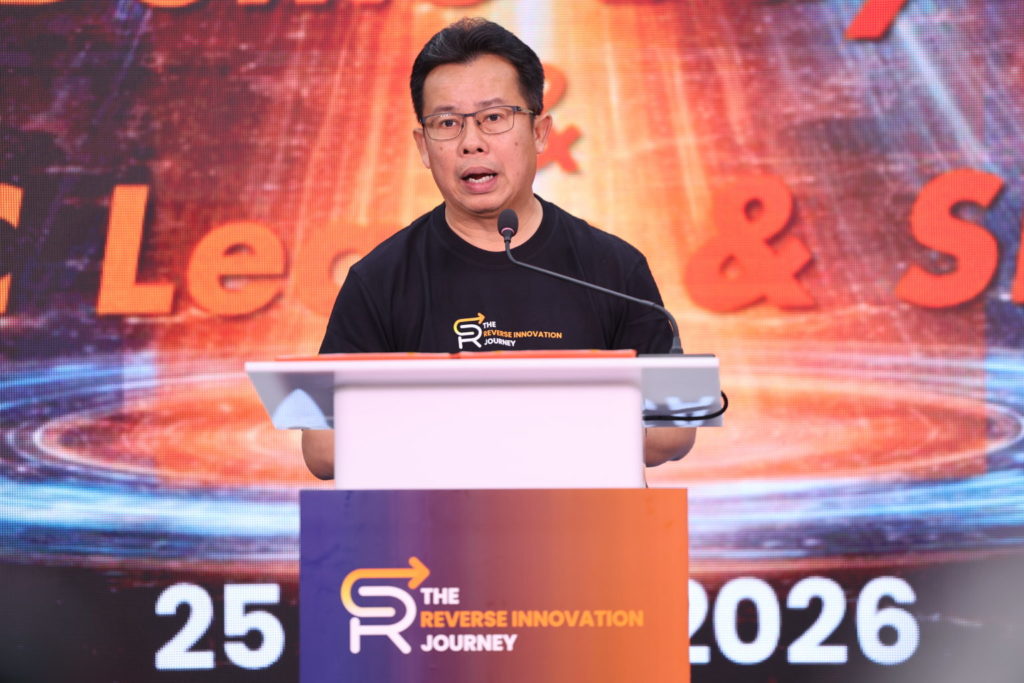
Assoc. Prof. Dr. Komsan Maleesee, President of KMITL, noted that “The Reverse Innovation Journey” represents a significant milestone in advancing Thailand’s innovation ecosystem. For the first time, large corporations are taking the lead in defining real-world challenges and needs, while opening opportunities for researchers and startups to co-create solutions. This approach not only narrows the gap between research and practical application but also lays the foundation for sustainable economic and social development.


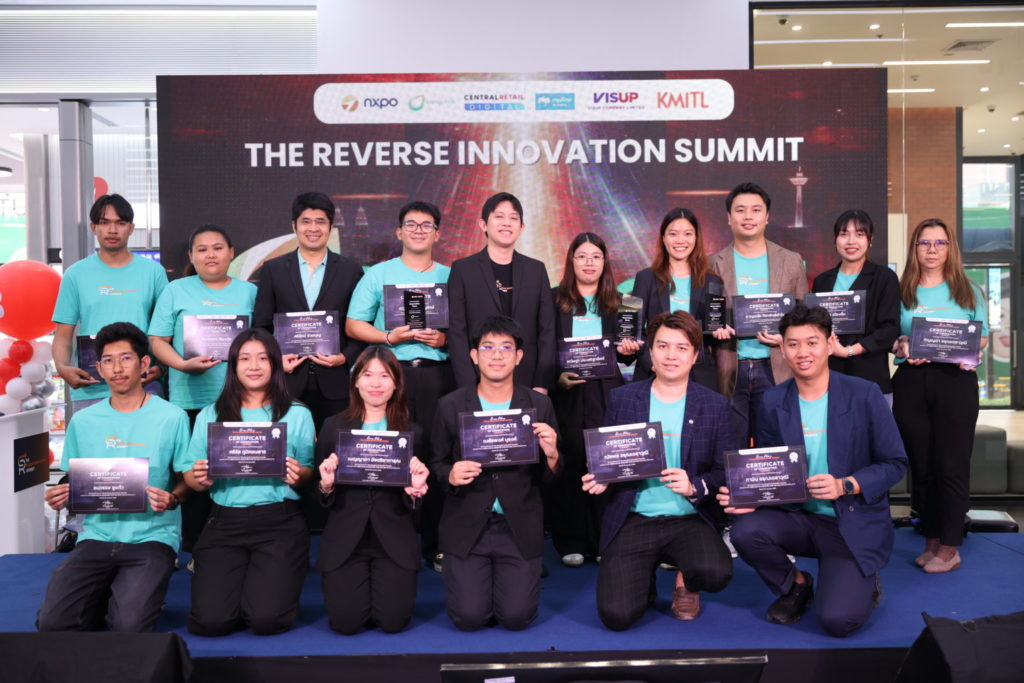
At the Summit, all 12 teams presented their innovations to a panel of judges and distinguished guests. Six outstanding teams that demonstrated strong potential for industry collaboration and tangible outcomes were awarded the “Distinguished Innovation Team” recognition by NXPO, KMITL, and corporate partners. The event also featured a keynote address by Ms. Sonia Ng, a startup founder from Malaysia, who shared her experience in building startups and raising capital at the international level. In addition, a panel discussion explored collaboration between large corporations and startups, with universities serving as intermediaries. Panelists included Ms. Manunya Chunhavuthiyanon, Senior Director of Innovation Policy for Entrepreneurship Development Division at NXPO; Dr. Sanat Wongthawethong, Manager of the TED Fund; Mr. Jirapat Yaovatsakul, Director of Bangchak Initiative and Innovation Center; Mr. Kowin Kulruchakorn, Chief Innovation Officer at Central Retail Digital; and Mr. Kitipong Muttamara, Executive Vice President of Krungthai Bank. The session was moderated by Asst. Prof. Dr. Rutchanee Gullayanon, Executive Vice President for Innovation and Global Engagement at KMITL, and Dr. Apiwat Thongprasert, Managing Director of VISUP.






Following the pilot phase, NXPO plans to scale up this model in collaboration with partners across the innovation ecosystem, including the TED Fund, to develop systematic support mechanisms and generate broader impact on the innovation-driven economy. “We believe that this group of innovators will become a valuable force in driving industry and the national economy forward,” Dr. Surachai concluded.