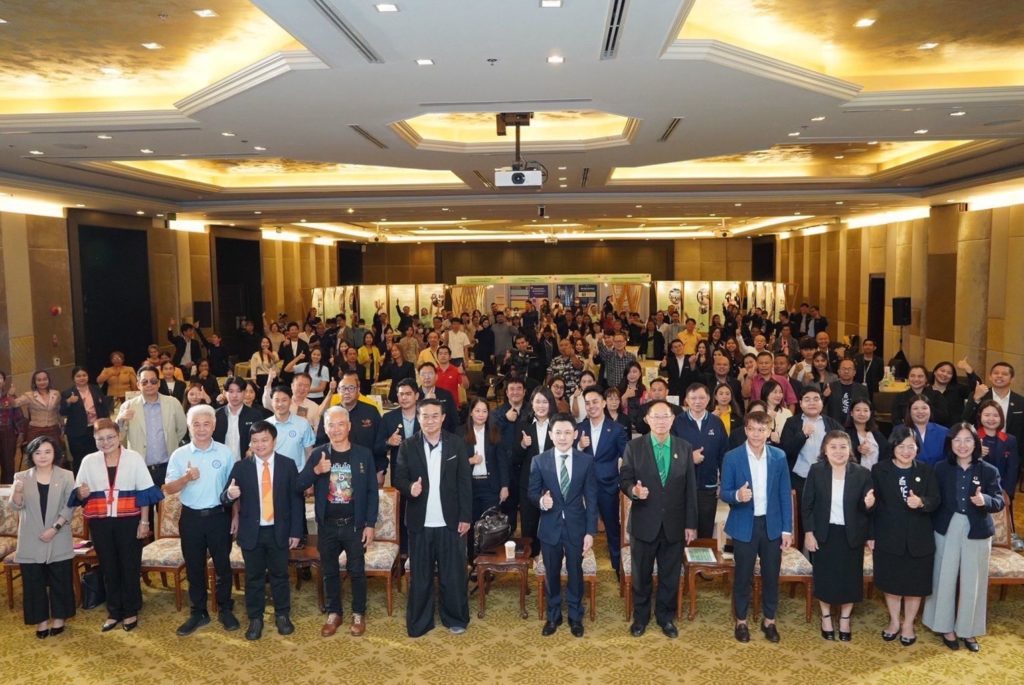
Marking NXPO’s 7th anniversary, Dr. Surachai Sathitkunarat, President of NXPO, reaffirmed the organization’s role as the architect and key driver of Thailand’s higher education, science, research, and innovation (HERI) policy. He highlighted major achievements across seven flagship policies that span economic, social, human capital, and environmental dimensions, collectively strengthening the foundation for Thailand’s transition to a sustainable, innovation-driven economy.

Policy 1: Driving Thailand toward a Low-Carbon Economy and Society
NXPO plays a strategic role in supporting Thailand’s transition toward net-zero greenhouse gas emissions. Through close collaboration with domestic and international partners, NXPO has designed and mobilized policy frameworks that act as catalysts for structural transformation with broad economic and social impact.
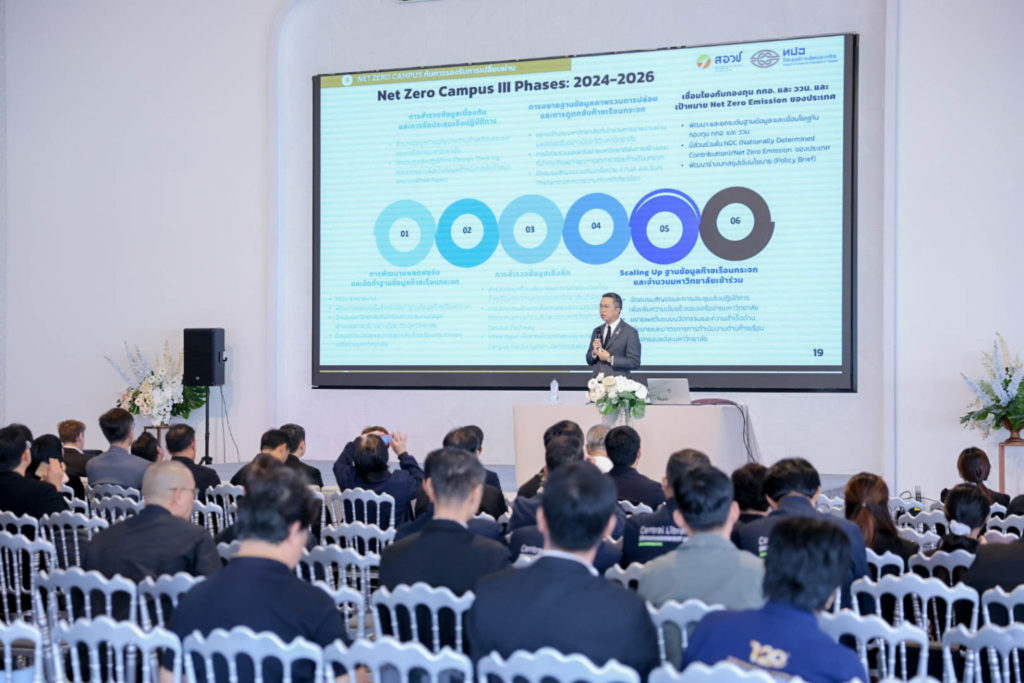
A flagship initiative is the Net Zero Campus, which repositions universities from traditional education providers into low-carbon infrastructure for the nation. To date, at least 50 higher education institutions have committed to developing pathways toward net-zero campuses, with the potential to reduce greenhouse gas emissions by no less than 10 million tons of CO₂ equivalent. The initiative also supports the development of a new workforce skilled in carbon footprint assessment for products and organizations (CFP/CFO), preparing Thailand for future carbon regulations, trade measures, and ESG requirements.
At the regional level, NXPO has advanced the “Saraburi Sandbox” as a model for low-carbon city transformation. This initiative integrates the cement industry with climate technologies, regulatory innovation, financial mechanisms, and international collaboration. For the business sector, NXPO has developed the Green Enterprise Indicator (GEI), enabling enterprises to transition toward greener operations, reduce adaptation costs, enhance global market access, and turn climate risks into competitive opportunities.
Policy 2: Advancing the Future Food Industry
Recognizing food as a cornerstone of Thailand’s economy, NXPO is driving a shift from cost-based competition toward high-value segments such as functional foods, medical foods, personalized nutrition, and alternative proteins.

In collaboration with government, industry, and academia, NXPO has developed key mechanisms to upgrade the sector through science and innovation. A major milestone is the establishment of a Positive List of functional ingredients to support health claims, strengthening confidence among producers and consumers. A regulatory sandbox has also been introduced to accelerate product approval and market entry.

Moving forward, NXPO plans to expand the Positive List by more than 20 additional items while advancing technology consortia in extraction and processing, biotechnology, and precision fermentation. Efforts will also focus on strengthening infrastructure and workforce capabilities across the ecosystem. Currently, Thailand’s future food sector has an export value of approximately THB 140 billion and a domestic market value of THB 190 billion. By 2027, these are projected to reach THB 220 billion and THB 280 billion, respectively—highlighting strong potential for economic upgrading and increased income for farmers and entrepreneurs.
Policy 3: Advancing University Holding Companies and Spin-off Businesses
University holding companies serve as structured platforms to manage intellectual property, research outputs, and innovation assets, enabling the creation of spin-offs and joint investments with the private sector.
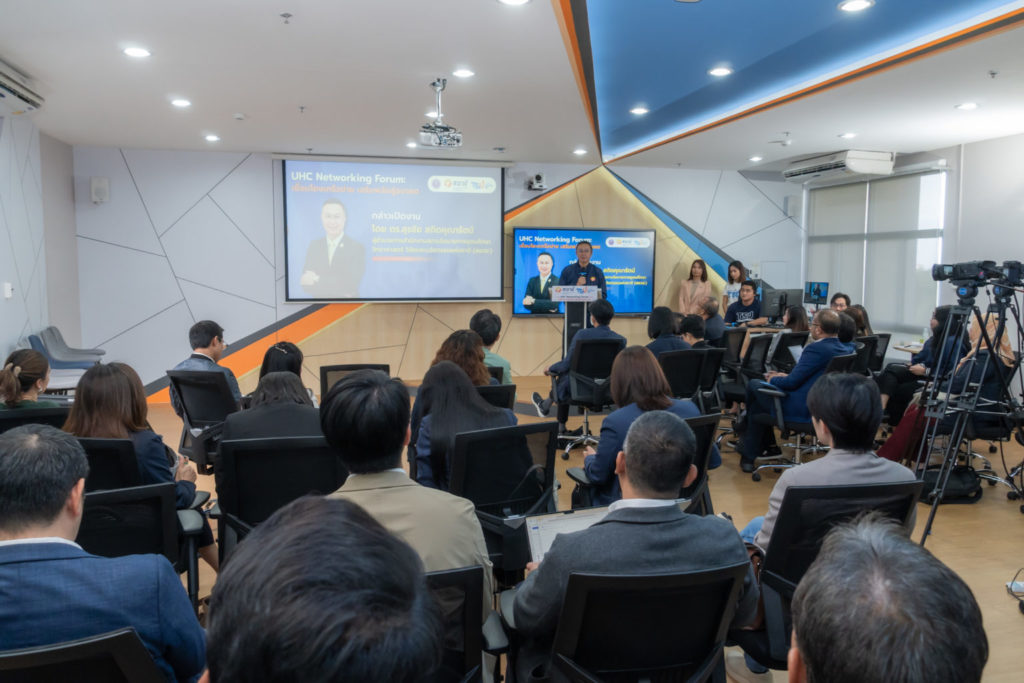
Currently, 12 higher education institutions have established holding companies, collectively investing in more than 110 innovation-driven businesses, with total investment exceeding THB 500 million. In the coming years, at least six additional holding companies are expected, with projected annual investments of no less than THB 400 million. NXPO will continue strengthening this ecosystem by enhancing organizational capacity, advancing research toward investment readiness, and deepening university–industry collaboration.
Policy 4: Higher Education Sandbox
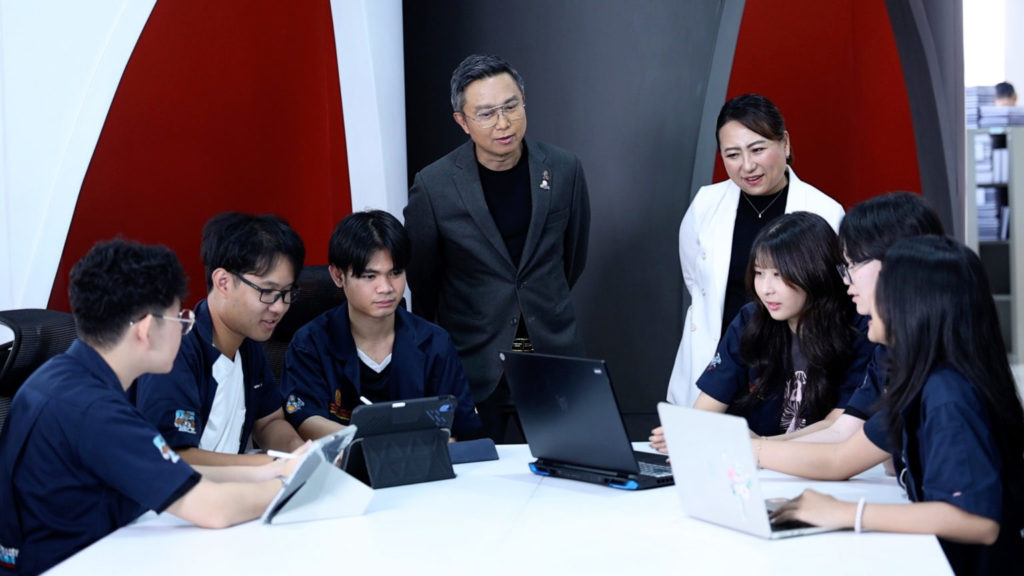
The Higher Education Sandbox promotes flexible and innovative learning models aligned with evolving economic and societal needs. Implemented in collaboration with the Office of the Permanent Secretary of MHESI, the sandbox enables institutions to pilot alternative models beyond traditional regulatory constraints. Since its launch in 2022, 24 programs have been approved, with an expected output of over 26,620 high-skilled graduates. To date, 16 programs are already in operation, covering high-demand fields such as computer engineering, digital technology, high-tech entrepreneurship, artificial intelligence engineering, and cybersecurity.
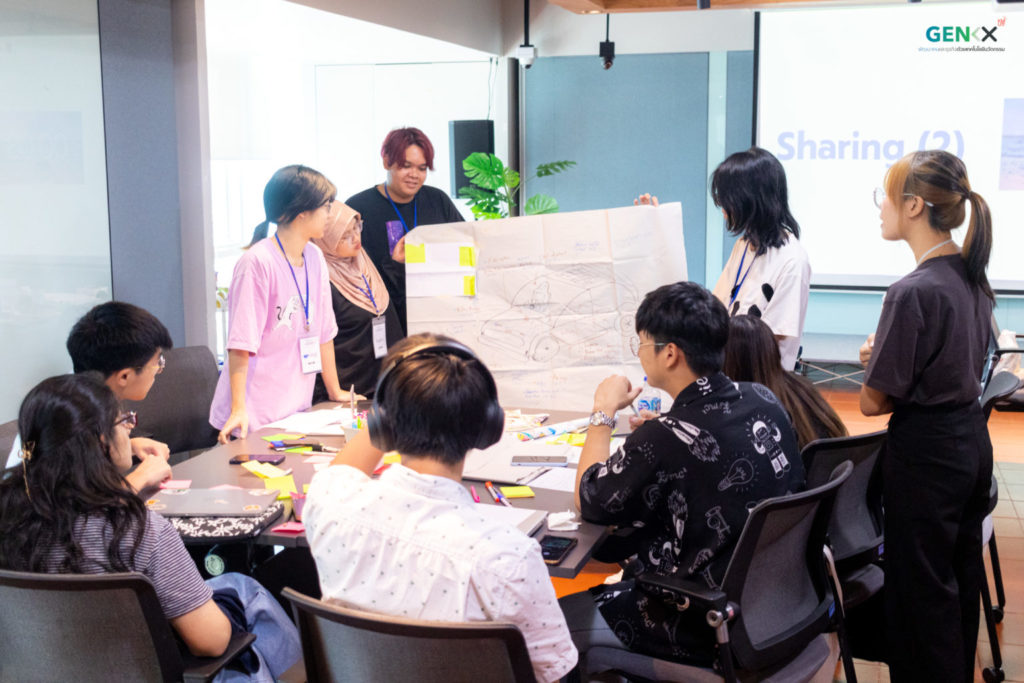
These programs emphasize competency-based learning, modular course design, and close industry co-creation, ensuring responsiveness to labor market needs. Students gain hands-on experience early through industry-integrated learning, while general education has been restructured to embed soft skills within specialized modules and internships.
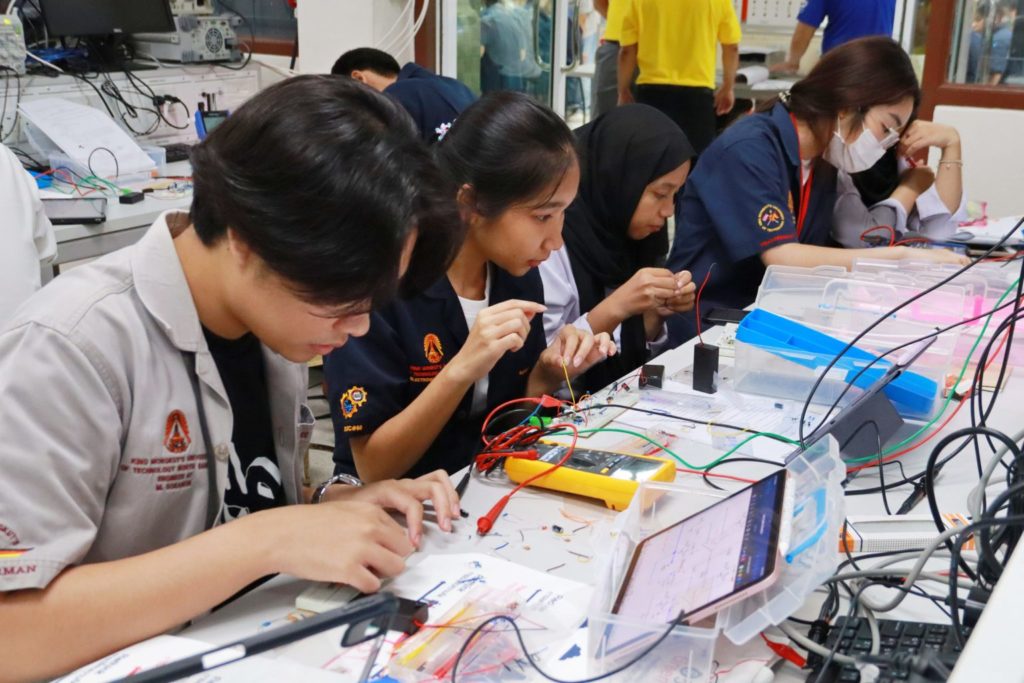
NXPO has also applied a top-down sandbox approach in strategic sectors such as semiconductor engineering, leading to the development of a national curriculum, strengthened university–industry collaboration, and the introduction of a Coop+ model. These efforts will be critical in building advanced electronics talent during 2026–2030.
Policy 5: STEMPlus Platform
The STEMPlus Platform is a key mechanism for developing high-skilled talent aligned with industry demand. It integrates education, skills development, and employment into a cohesive ecosystem, with active industry participation in curriculum design and training.
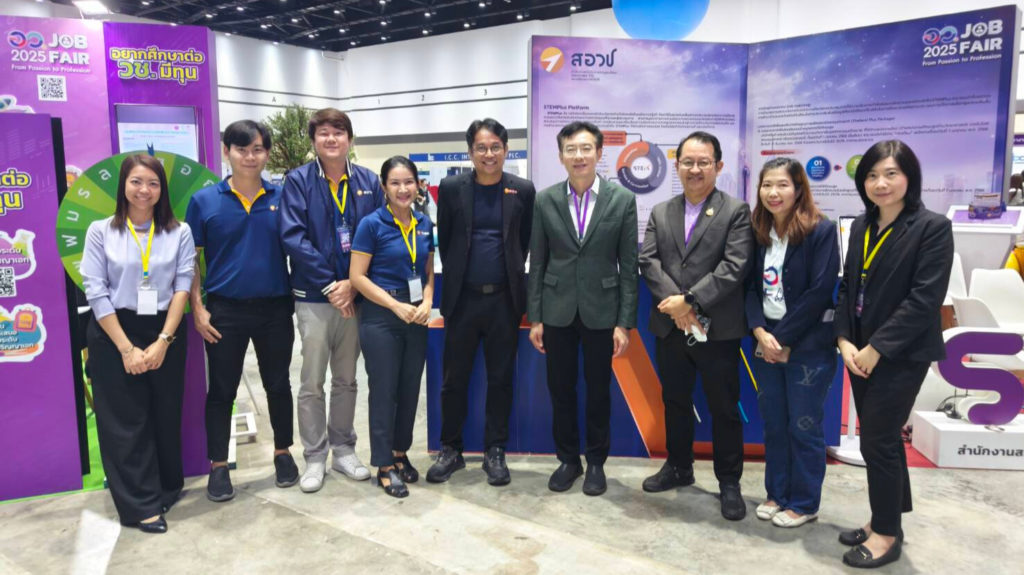
In 2025, more than 1,000 students participated in this initiative, alongside a growing number of companies offering experiential learning opportunities. Complementary tax incentives under the Thailand Plus Package have supported the creation of over 13,000 high-skilled STEM jobs across more than 200 companies, with a combined annual salary exceeding THB 4.4 billion. Additionally, over 450,000 individuals have completed skills training programs.
In partnership with the Board of Investment (BOI), NXPO has also implemented the BOI STEM++ initiative under the National Competitiveness Enhancement for Targeted Industries Fund. This initiative accelerates workforce development in next-generation industries, including agriculture and biotechnology, high-value food, biofuels, biochemicals, next-generation automotive, smart electronics, robotics, digital technologies, integrated medical services, and defense industries. To date, more than 17,000 individuals have been supported, with a target of at least 100,000 in the first phase.
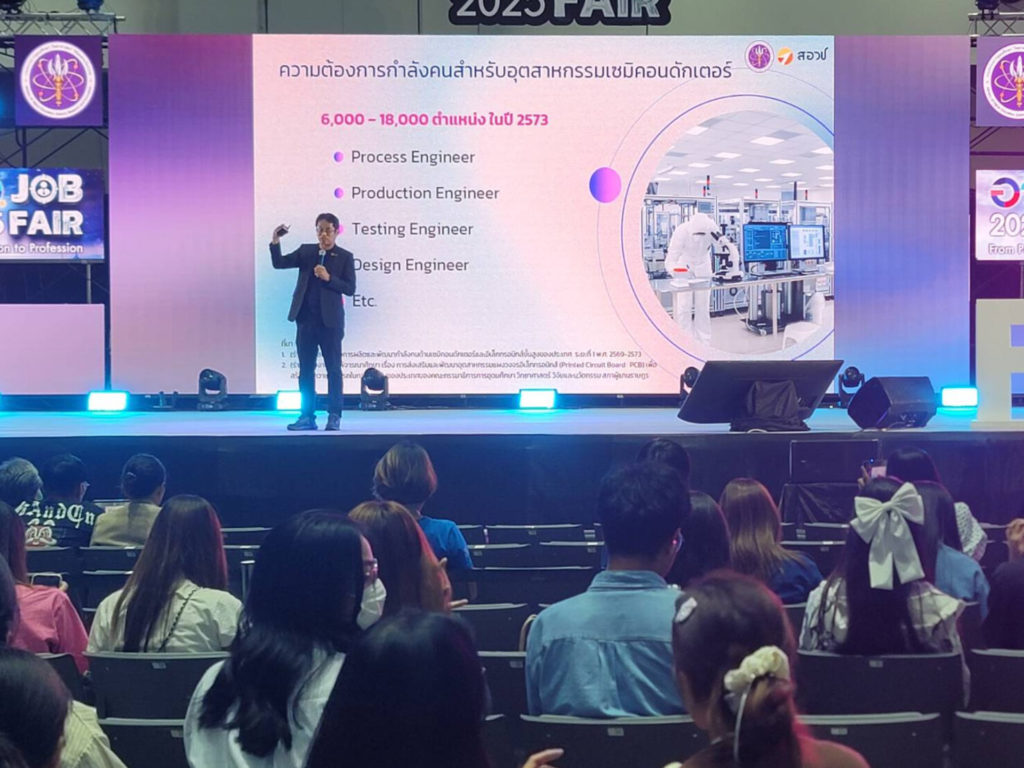
The platform also provides real-time workforce demand data through the STEM One-Stop Service, helping reduce skill mismatches. International collaborations—such as with the Taiwan Printed Circuit Association (TPCA)—further strengthen workforce development in advanced sectors like PCB manufacturing.
Policy 6: Social Enterprise Incubation Platform (SEIP)
The Social Enterprise Incubation Platform (SEIP) supports the development of social entrepreneurs by strengthening business capabilities alongside social impact creation and area-based development. The platform is designed based on real challenges and needs of local enterprises, combining learning processes, coaching, and hands-on practice. It works with community enterprises, social enterprises, and university incubators. These include Thoranin Organic Community Enterprise (Sakon Nakhon), Phop Phra Organic Community Enterprise (Tak), Ban Buak Chan Green Tourism and Ethnic Culture Community Enterprise (Chiang Mai), Autistic Thai Social Enterprise, and the Ecotive Incubation Unit at Prince of Songkla University, Pattani Campus. This results in social enterprise business models tailored to each organization, enabling them to apply to business planning, product and service development, marketing, and partnership building.
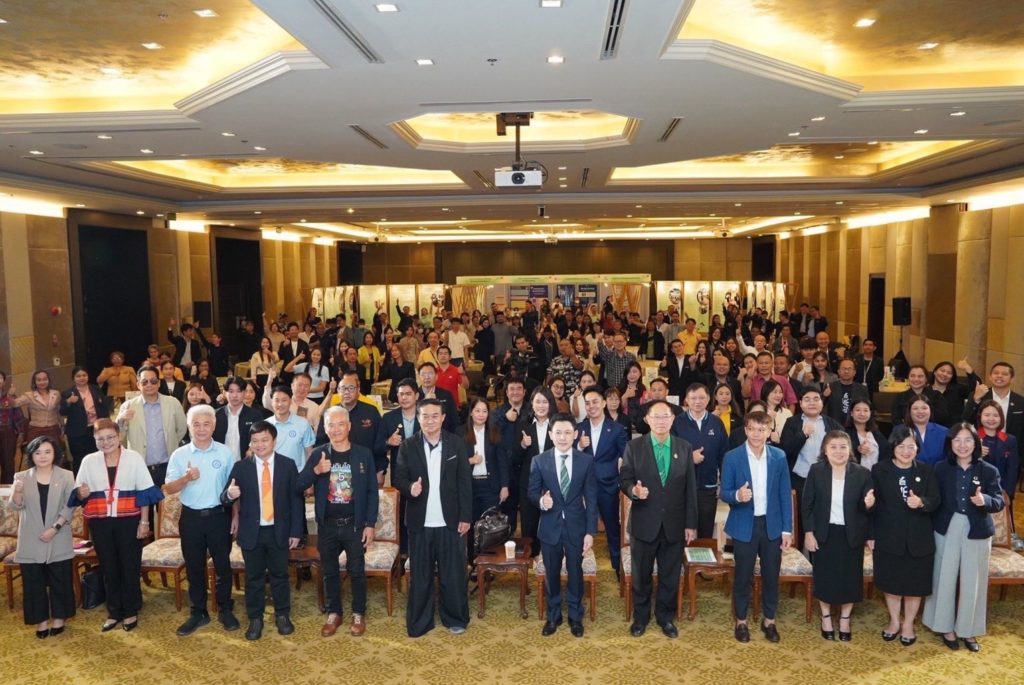
SEIP has also been integrated into academic programs, notably in collaboration with the Faculty of Interdisciplinary Studies and Entrepreneurship at Thaksin University, fostering stronger linkages between education and real-world social innovation.
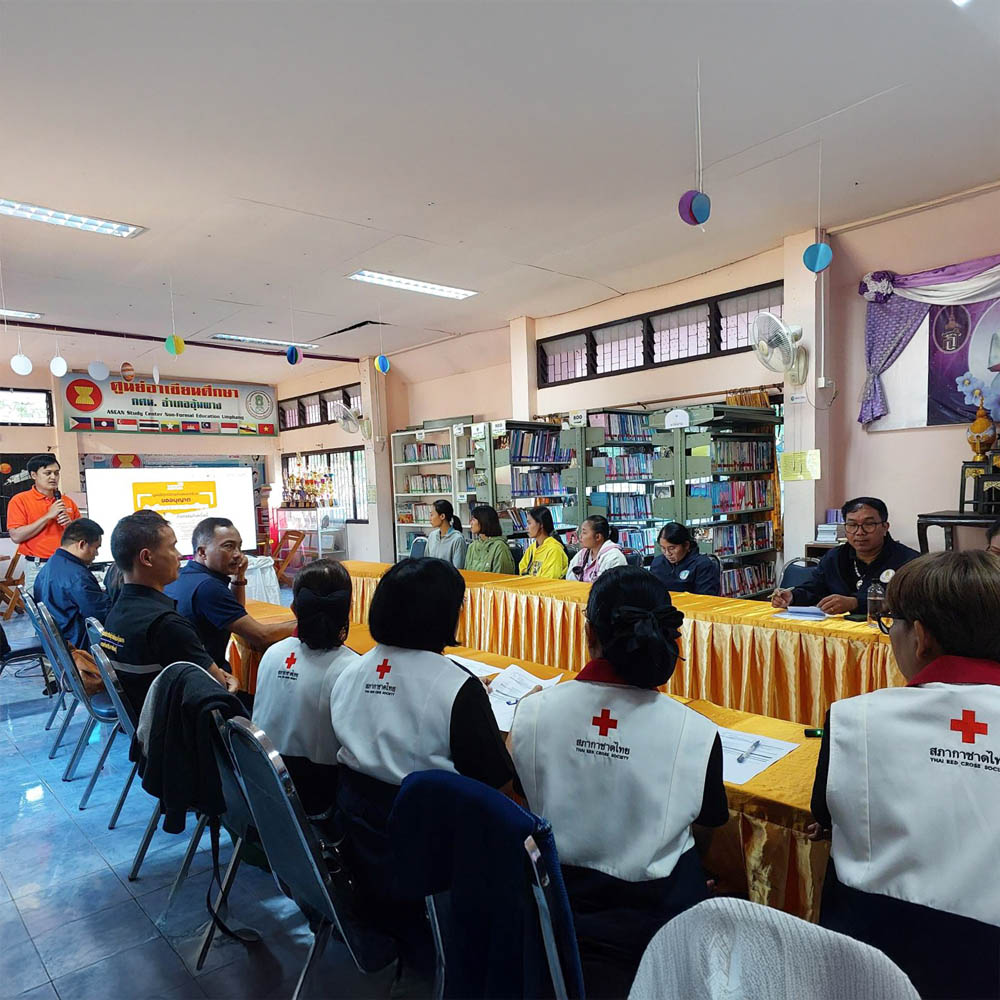
Beyond incubation, NXPO is advancing initiatives to reduce inequality in access to education and skills and enhance social mobility—particularly for low-income and remote populations. In collaboration with the World Vision Foundation of Thailand, pilot projects in Surin and Tak provinces focus on addressing out-of-school youth and improving literacy through data-driven, area-based approaches. These initiatives aim to establish scalable models for reducing disparities and enhancing social mobility.
Policy 7: Reforming the Research and Innovation System
NXPO is driving systemic reform through the establishment of the Research and Innovation Acceleration Agency for Competitiveness and Area Development (RCAD), launched on 1 January 2025.
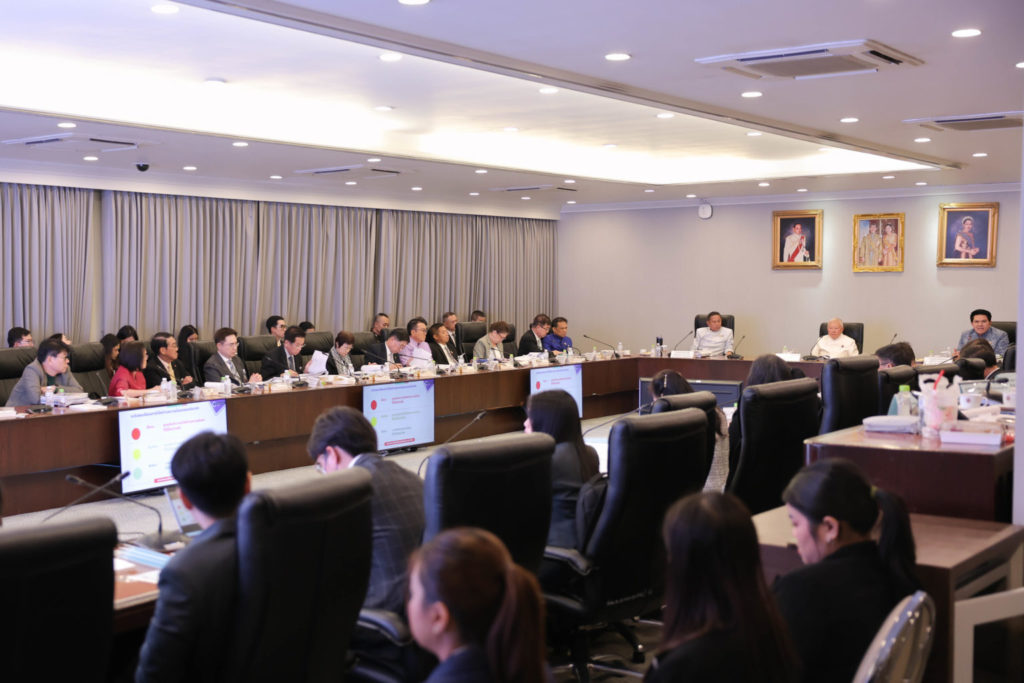
Designed as a more agile and flexible mechanism, RCAD accelerates the translation of research into real-world applications while addressing gaps in the STI ecosystem—particularly by strengthening collaboration with the private sector and end-users. It plays a critical role in funding allocation, technology deployment, and fostering collaboration between academia, industry, and end-users. The agency is empowered to co-invest, establish entities, hold equity stakes, and support innovation-driven enterprises in scaling toward commercialization. This integrated approach strengthens the pathway from research to market.
RCAD will play a key role in stimulating private sector investment in research and innovation through collaboration among universities, research institutions, industry, and policy agencies. It aims to help Thailand achieve its target of investing 2% of GDP in research and innovation by 2027.

Dr. Surachai concluded that over the past seven years, NXPO has systematically built a robust foundation for leveraging higher education, science, research, and innovation across all dimensions—from education reform and workforce development to economic upgrading and green transformation.
“NXPO not only designs and drives policies to solve problems, create opportunities, and respond to national needs, but also strengthens the country’s system by harnessing the full potential of higher education and science. This enables Thailand to transition toward a technology- and innovation-driven economy in a sustainable manner over the long term,” he stated.