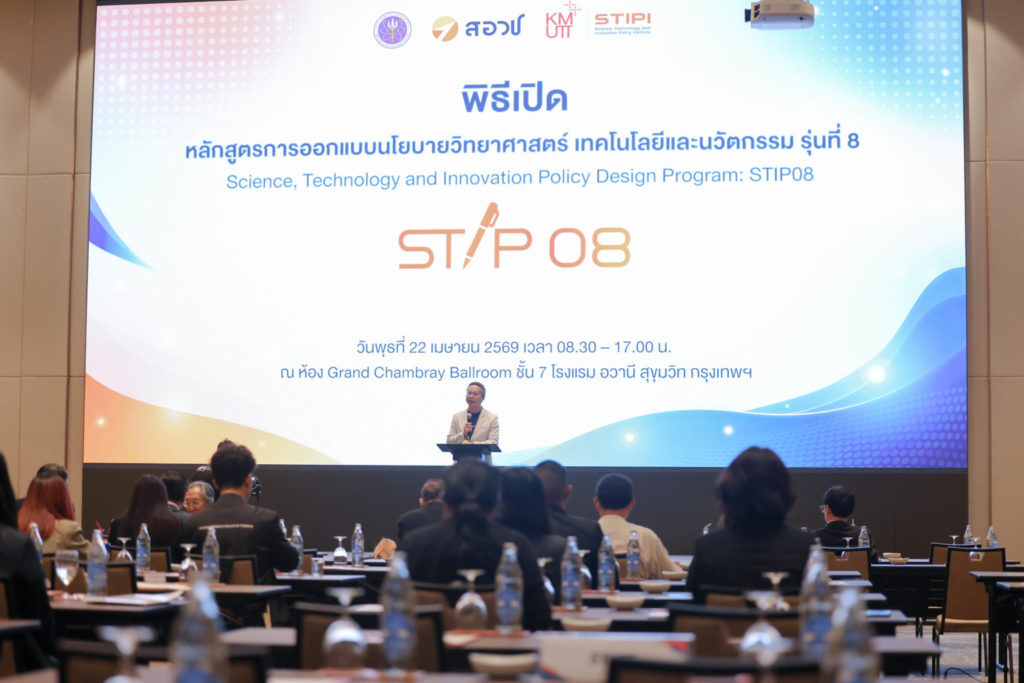
NXPO, in collaboration with the Science, Technology and Innovation Policy Institute (STIPI) of King Mongkut’s University of Technology Thonburi (KMUTT), officially launched the Science, Technology and Innovation Policy Design Program, Cohort 8 (STIP08) on 22 April 2026 at Avani Sukhumvit Bangkok Hotel. Opening remarks were delivered by Dr. Surachai Sathitkunarat, President of NXPO, and Assoc. Prof. Dr. Suvit Saetia, President of KMUTT.
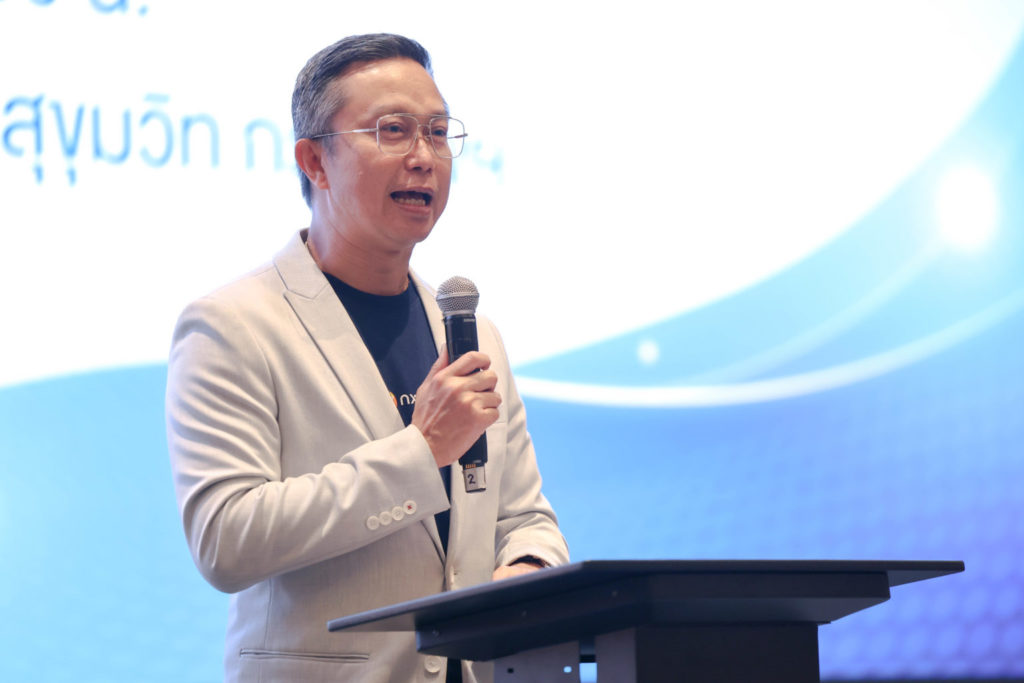
Dr. Surachai highlighted the complex challenges Thailand faces amid global volatility, including economic uncertainty, geopolitical tensions, climate change, and energy security. These issues have far-reaching implications for national policy and planning. He emphasized the need for policymakers to design adaptive, forward-looking policies aligned with rapidly evolving global and domestic contexts. NXPO has continuously partnered with STIPI–KMUTT to deliver the STIP program, refining its curriculum each year to reflect emerging realities while deepening policy discussions to ensure practical and timely application.
The program is guided by three core objectives: (1) to provide specialized training in policy design for higher education, science, research and innovation, as well as data-driven public policy aligned with real-world contexts across government, industry, and the private sector; (2) to emphasize hands-on learning that translates policy into tangible economic and social impact, enabling participants to develop actionable policy proposals; and (3) to foster a strong network of policymakers to reduce siloed operations and support coordinated policy implementation.
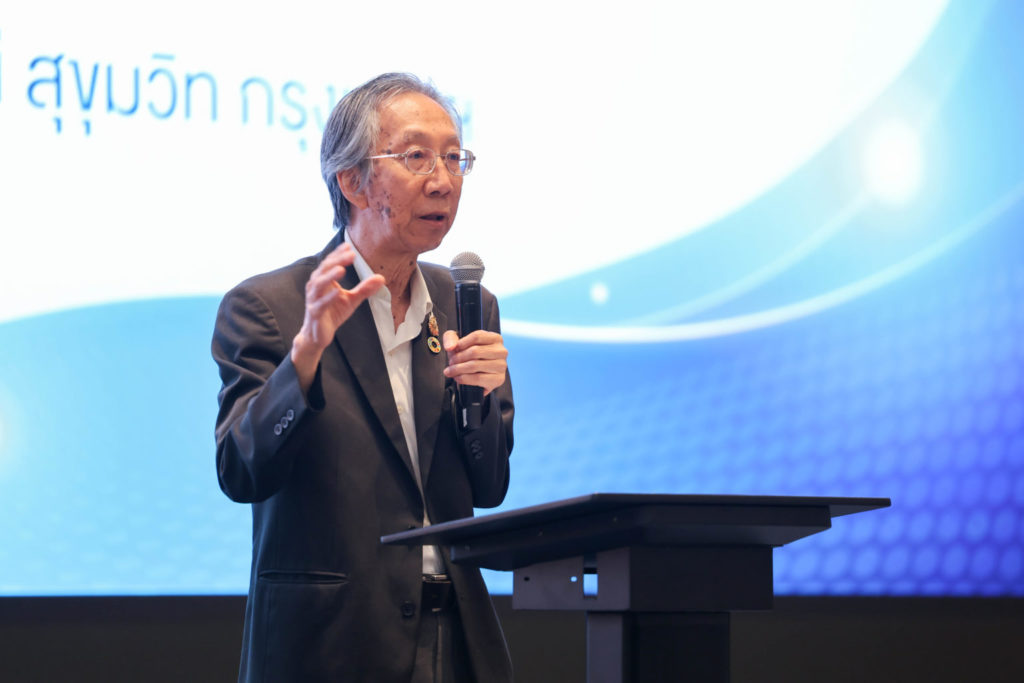
In his remarks, Dr. Suvit underscored the importance of science and technology in addressing national challenges, as emphasized by the current government through evidence-based policymaking. He noted that participants, as policy designers, play a critical role in shaping the country’s future. Strengthened collaboration across sectors will enhance impact at ministerial, industrial, and national levels. He also stressed the importance of robust monitoring and evaluation to ensure policy effectiveness, measurable outcomes, and informed decisions on policy continuation. He expressed confidence that the program would equip participants with practical experience and insights from experts, contributing to more comprehensive and strategic national planning.
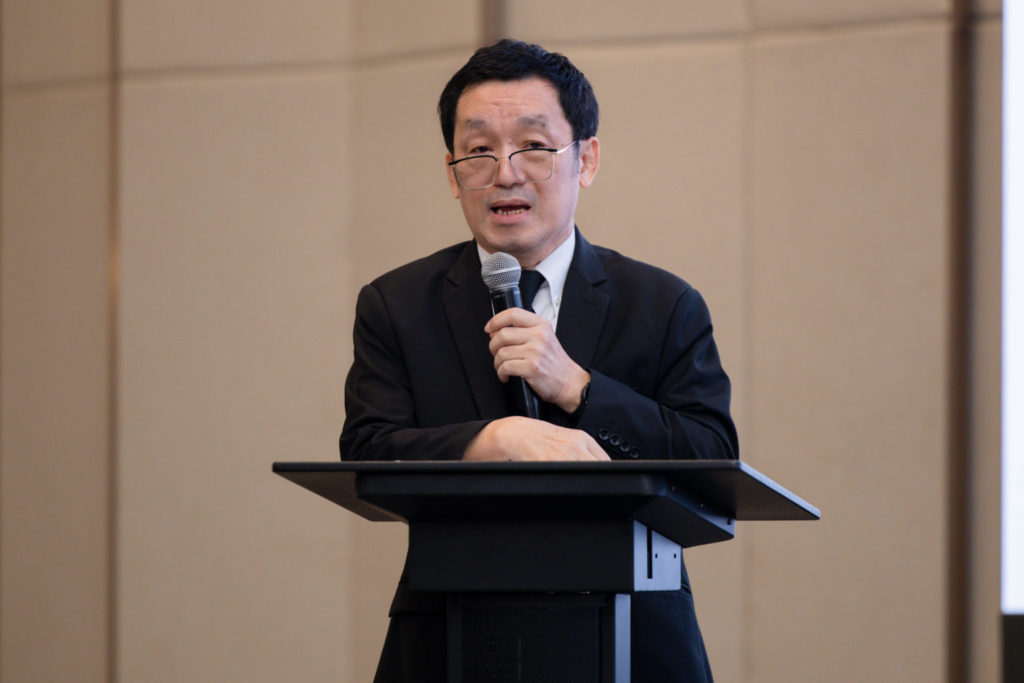
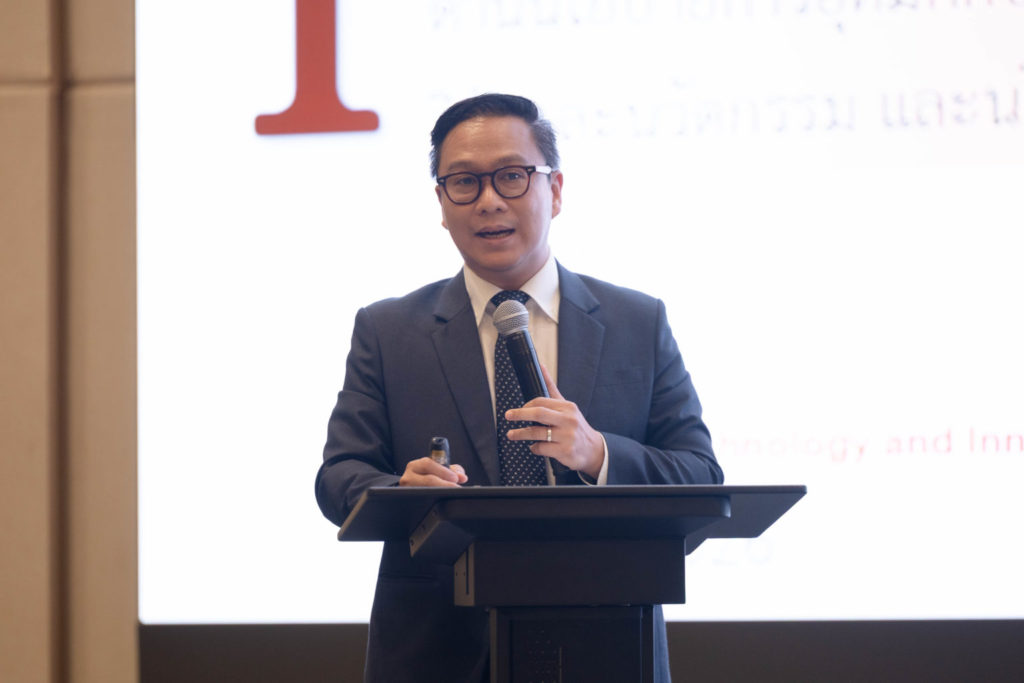
The program orientation was conducted by Dr. Suchat Udomsopagit, Assistant to the President of NXPO, who outlined the program’s objectives. These include strengthening capabilities in STI and public policy design among personnel both within and beyond the STI system, including the private sector; enhancing practical experience through the development of real policy proposals; and building a national network of STI policymakers. Dr. Bank Ngamarunchot, Director of STIPI–KMUTT, elaborated on the course modules, which guide participants through identifying problems and opportunities, understanding policy contexts, and formulating key questions. Participants will also learn to apply appropriate policy tools, conduct stakeholder analysis, estimate project budgets, and assess expected outputs and impacts—ultimately fostering collaborative policy design. This year’s cohort comprises 42 participants from 31 organizations.
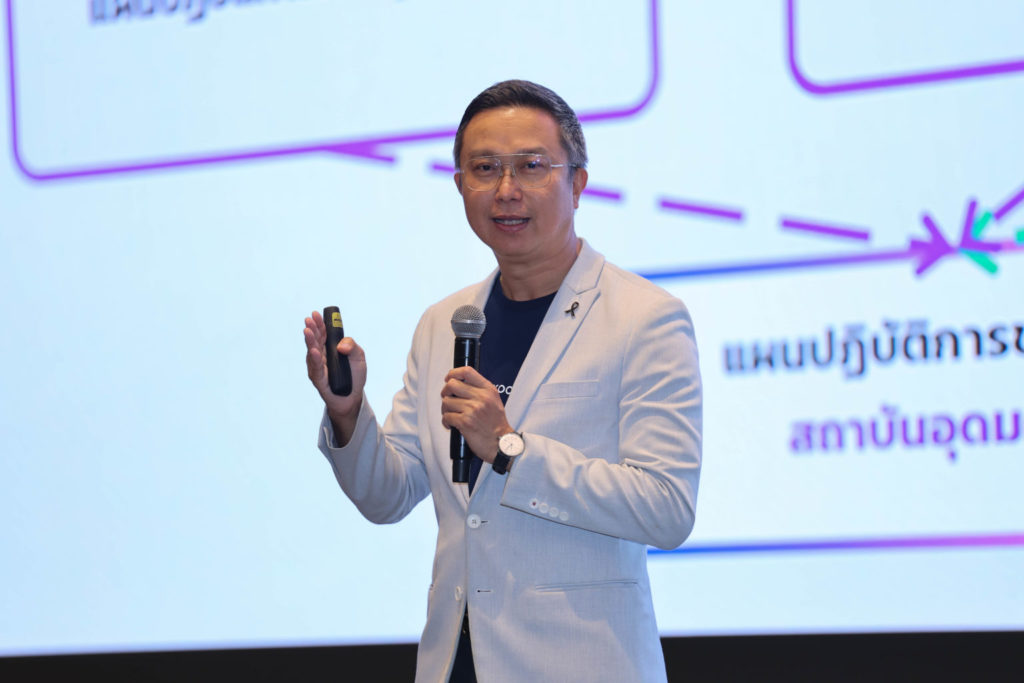
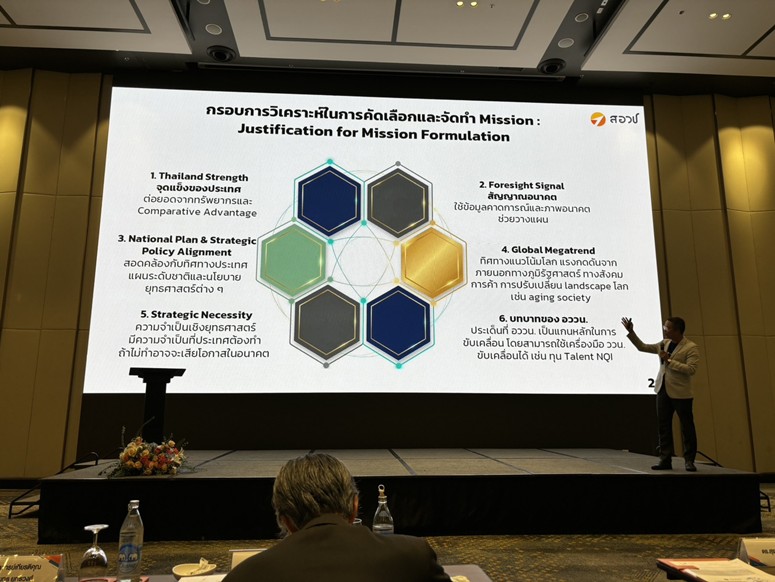
Following the opening, Dr. Surachai delivered a lecture on “Policy Development Approaches Based on Mission-oriented Innovation Policies (MOIP).” He explained that MOIP focuses on transforming national challenges into clearly defined missions to drive targeted research, innovation, and education. Rather than prioritizing individual technologies, the approach employs a portfolio of innovations, shifting from a sector-based to a mission-oriented, outcome-driven framework. This enables the integration of cross-disciplinary resources and coordinated efforts toward shared goals and impacts. Key criteria for defining missions include clarity of direction, measurable targets within a defined timeframe, ambition balanced with feasibility, the ability to capture public interest, and openness to diverse, cross-sectoral solutions and experimentation.
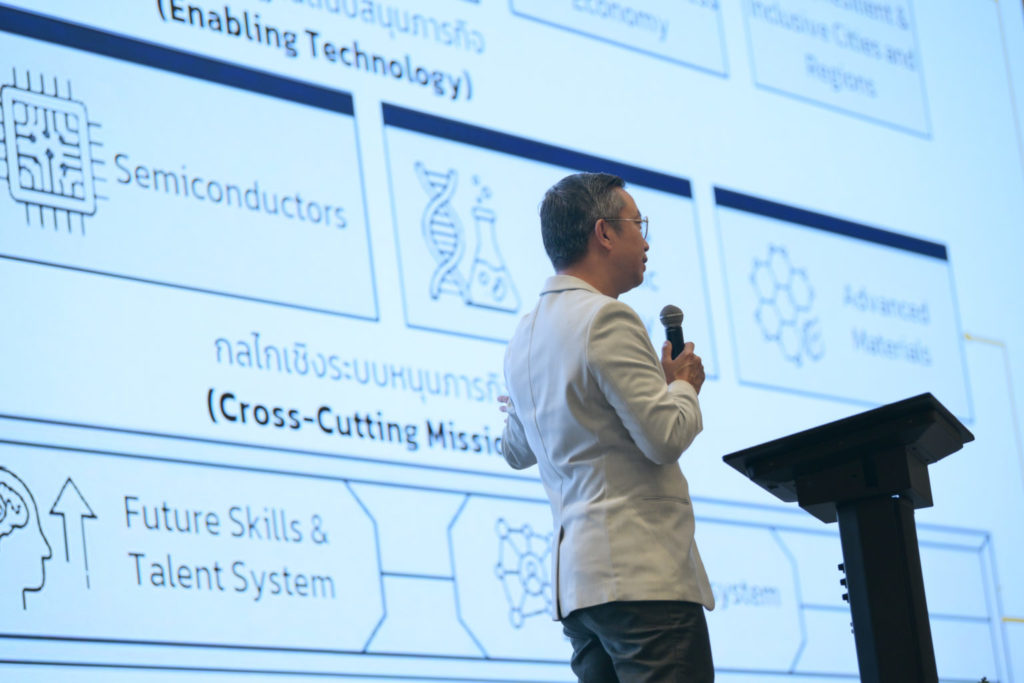
He further illustrated the transition from broad strategic frameworks to concrete missions in the development of Thailand’s Higher Education, Science, Research and Innovation Policy Framework (2028–2032). The framework emphasizes using STI to address national challenges and create new opportunities. A mission portfolio approach is adopted to manage interconnected projects, optimize resource allocation, and explore multiple pathways toward achieving clearly defined outcomes within a set timeframe.
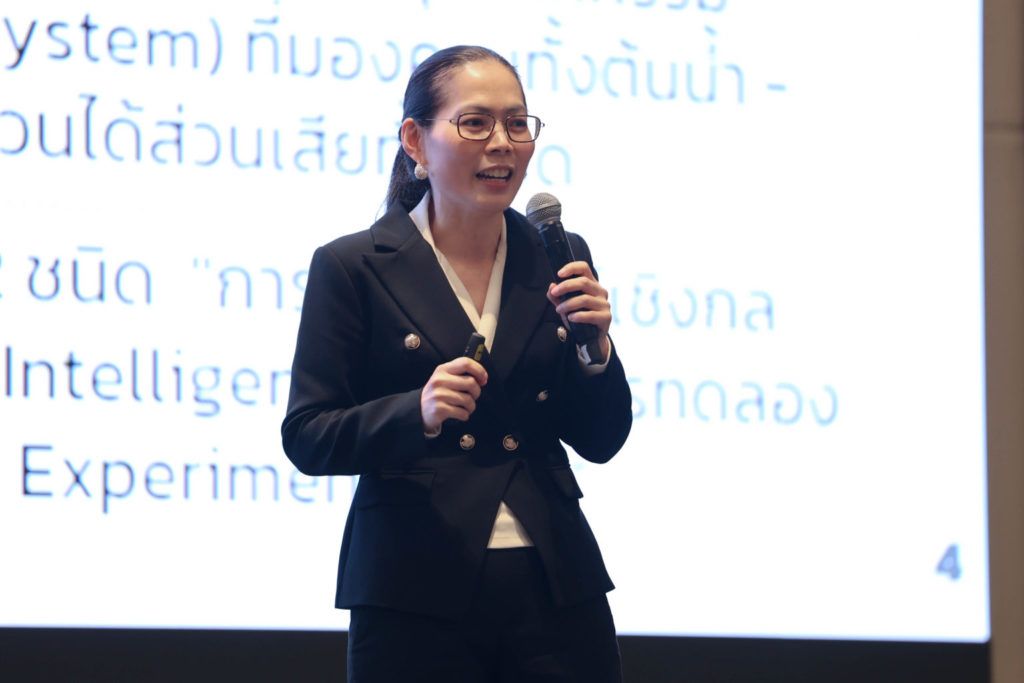
Dr. Siriporn Pittayasophon, Vice President of NXPO, delivered a session on “Key Challenges in Thailand’s Development through STI.” She identified three major drivers shaping the evolving STI landscape: (1) global challenges, particularly climate change, which necessitate urgent structural transformation; (2) economic security concerns arising from geopolitical tensions and strategic competition; and (3) disruptive technologies, especially the convergence of artificial intelligence (AI), biotechnology, and quantum technologies.
Dr. Siriporn also highlighted the importance of policy agility, particularly in monitoring and evaluation systems that support transformative change. She emphasized that evaluation should focus on enabling change rather than merely measuring outputs, guided by key questions such as whether policies are on the right trajectory and aligned with national goals. Insights from evaluation should inform adjustments to STI investments and policy measures to drive systemic transformation. An example of policy experimentation was highlighted through improvements in regulatory processes to support entrepreneurs in the future food industry. This includes the establishment of the “Positive List”, or the list of approved health claims for key ingredients, to shorten time-to-market and increase product sales.
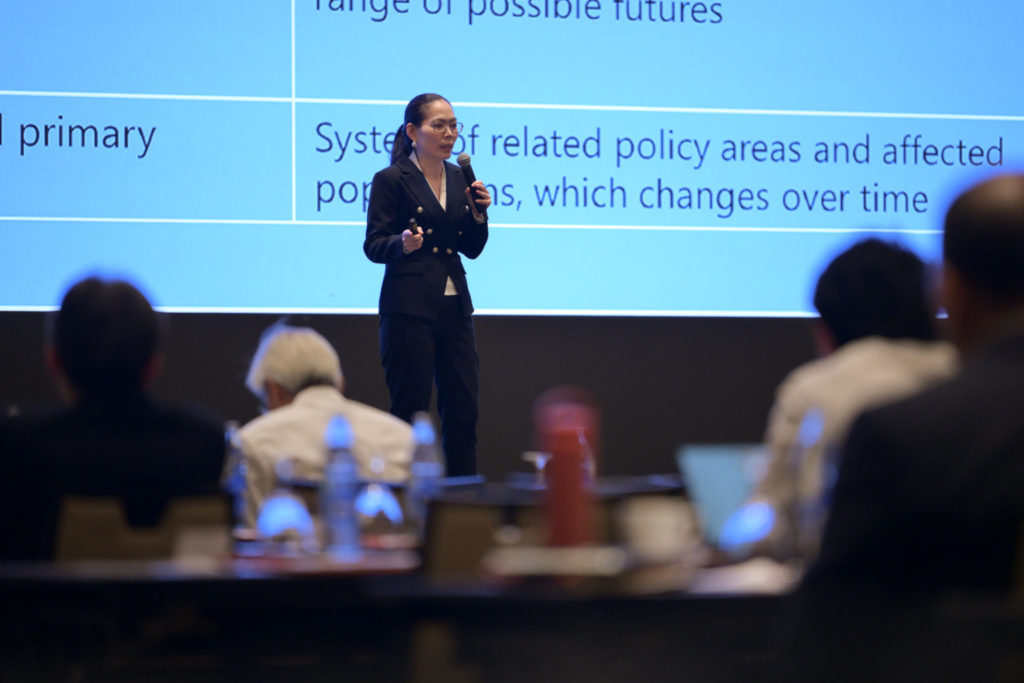
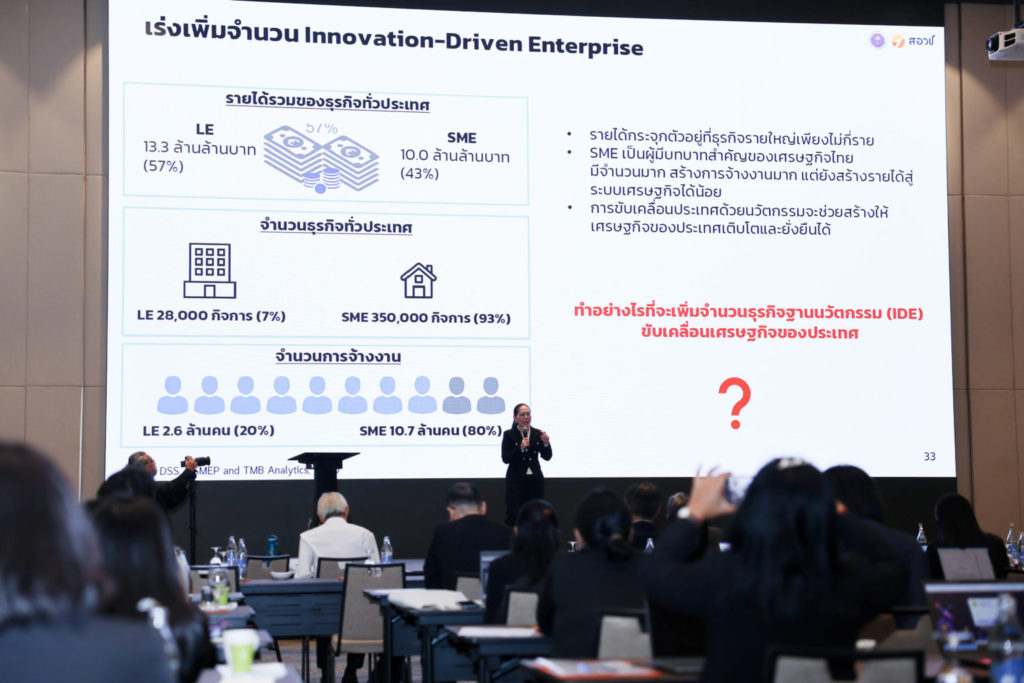
Additional initiatives highlighted include promoting innovation-driven enterprises (IDEs) through regulatory reform, strengthening the innovation ecosystem, developing policy recommendations and support mechanisms, establishing the E-Commerce and Innovation Platform (ECIP) to expand market access, encouraging co-investment via the University Holding Company (UHC) mechanism, and implementing offset policies to position Thai industries as key players in global value chains.
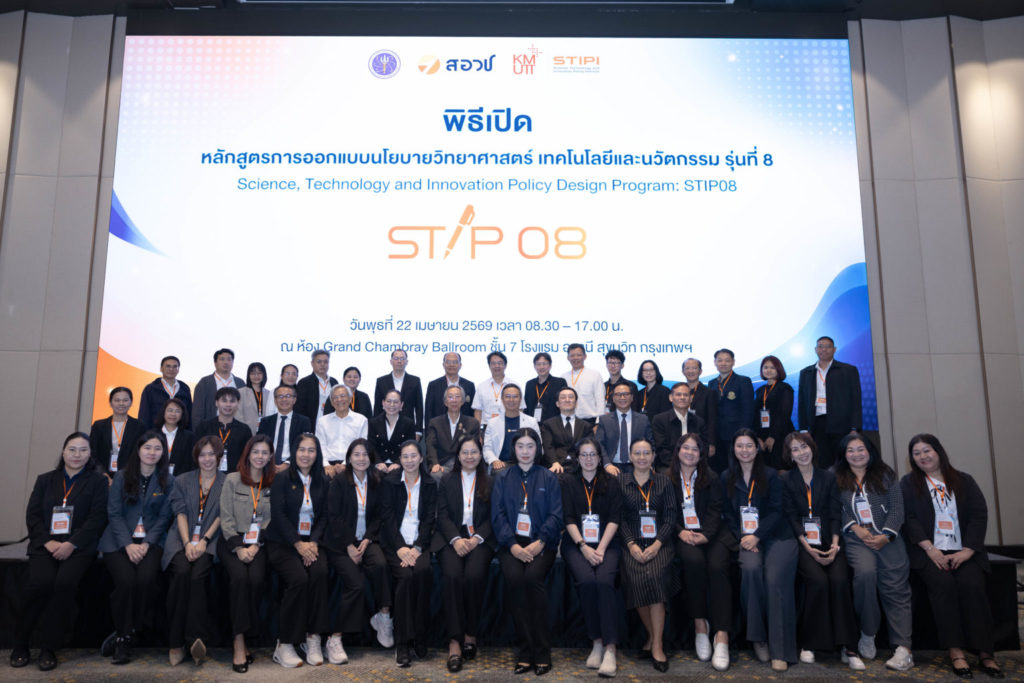
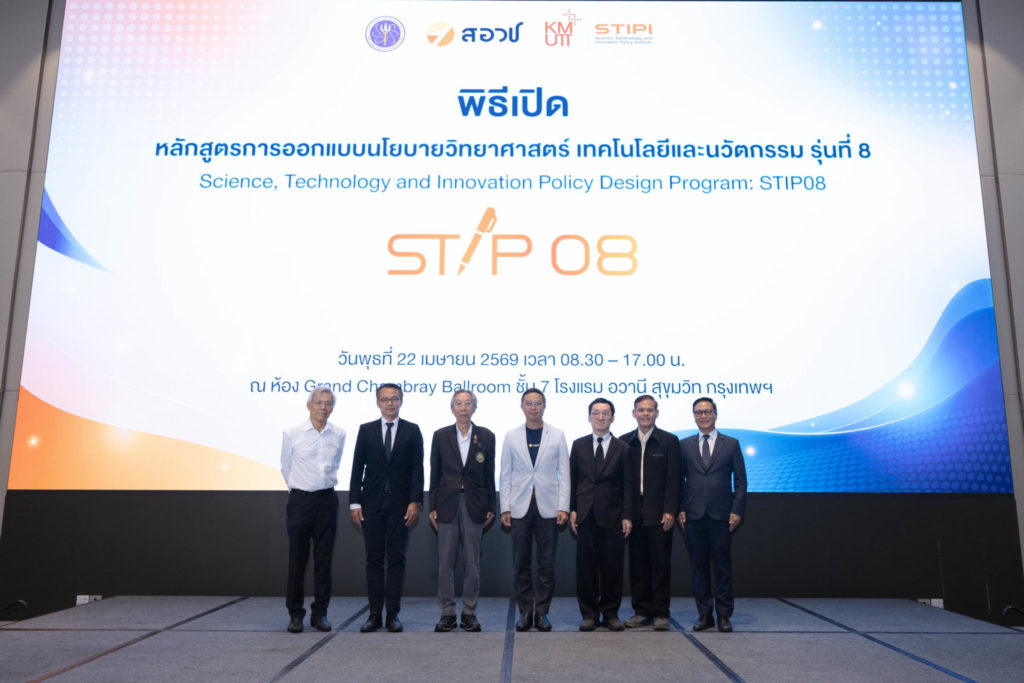
Photo credit: KMUTT