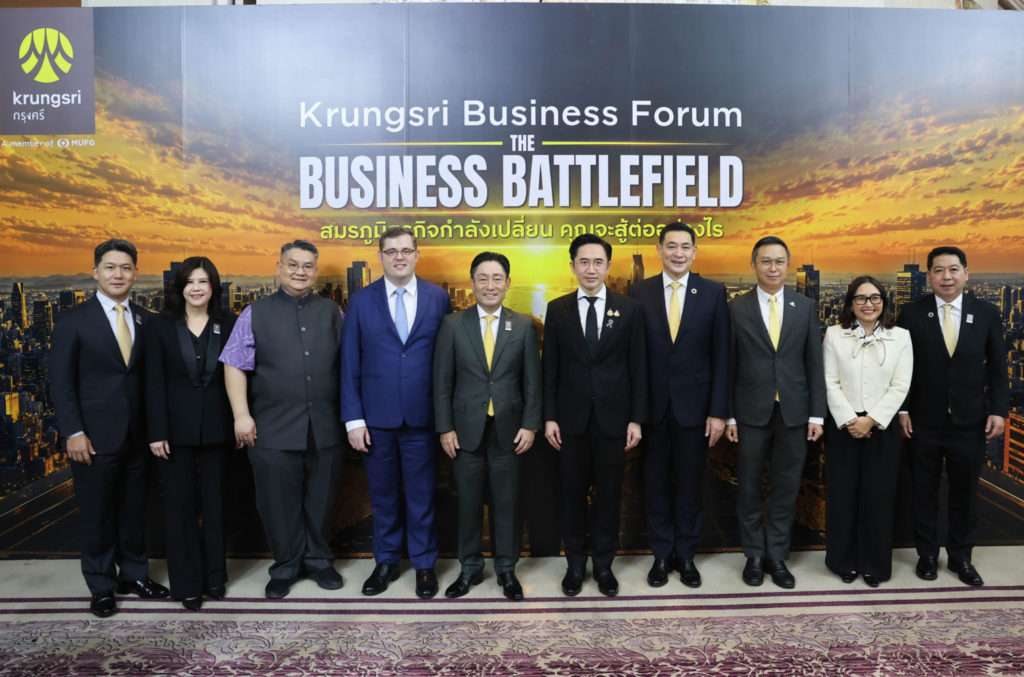
On 1 October 2026, Dr. Surachai Sathitkunarat, President of NXPO, participated in a panel discussion titled “The New Opportunities of Thailand’s Food Economy” at the Krungsri Business Forum, organized by Bank of Ayudhya Public Company Limited at Siam Kempinski Hotel Bangkok. The event also featured a keynote address by Prof. Dr. Yodchanan Wongsawat, Deputy Prime Minister and Minister of Higher Education, Science, Research and Innovation (MHESI), titled “Thailand’s Next Competitive Advantage: Turning Global Challenges into National Opportunities.”
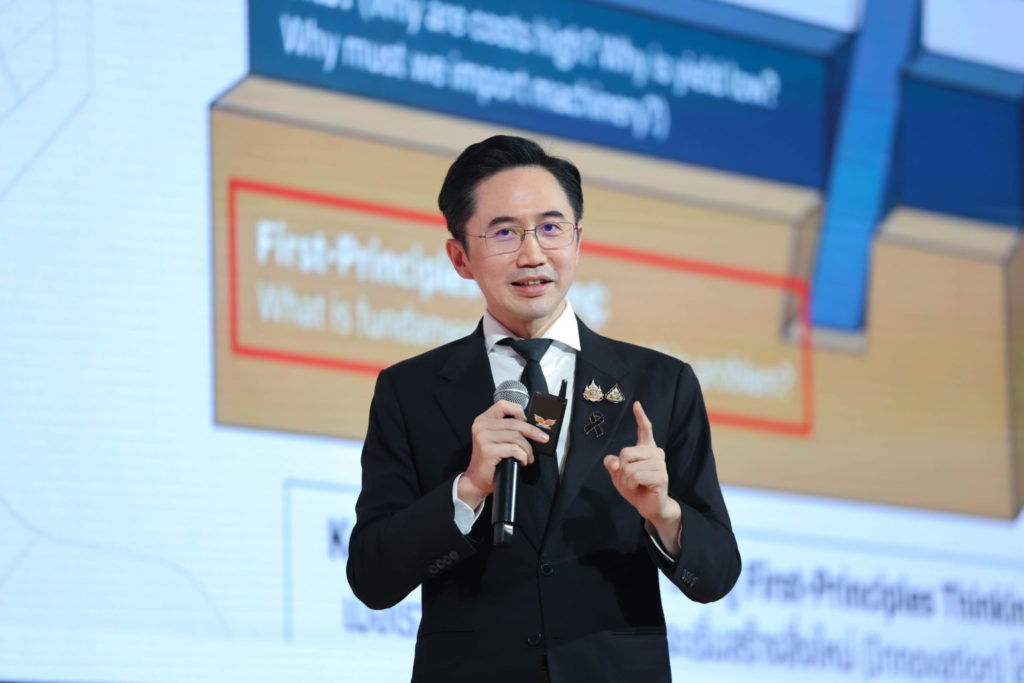
During the discussion, Dr. Surachai highlighted trends shaping Thailand’s food industry, noting that people are living longer as advances in medicine and technology continue to improve, including technologies related to food. As a result, future food is no longer simply a consumer trend but a new growth opportunity for the global economy, connecting economic development with health, food security, biotechnology, and sustainability. With its long-standing strengths and potential in agriculture and food, Thailand should continue to develop the sector by strengthening existing businesses with advanced technologies and innovations.
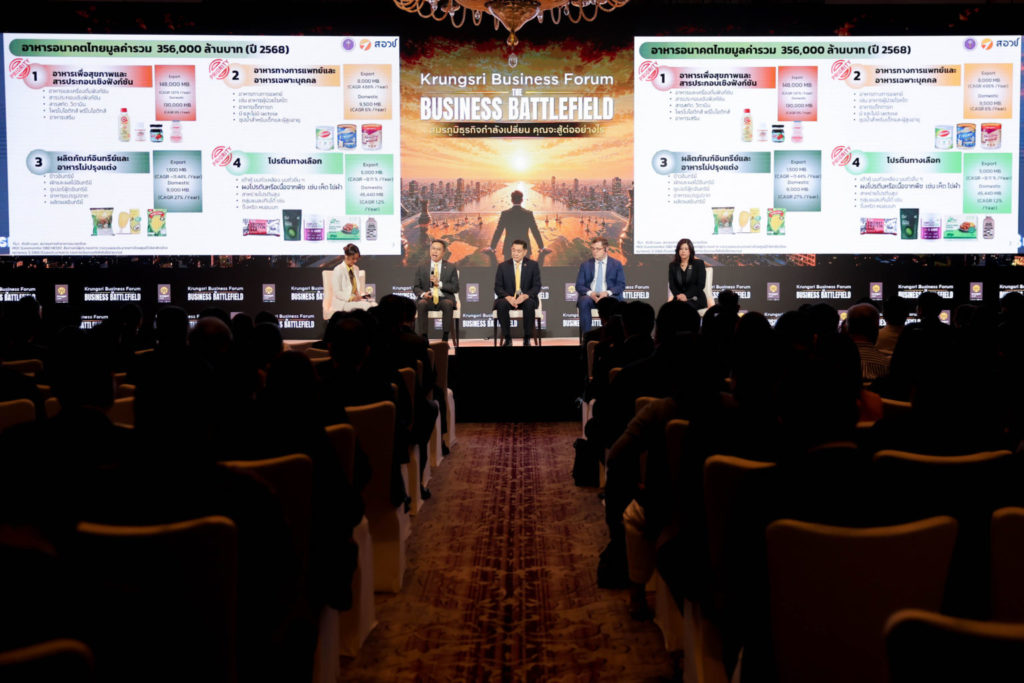
Thailand’s future food industry was valued at THB 356 billion in 2025, comprising four major categories: 1) health foods and functional ingredients, 2) medical and personalized foods, 3) organic and minimally processed foods, and 4) alternative proteins. Each category presents opportunities for Thai businesses to expand. At the same time, further progress requires a stronger collaborative ecosystem involving businesses, the private sector, financial institutions, and the government, particularly in providing the necessary support and facilitating industry development.

NXPO has worked with partners from both the public and private sectors, including the Thai Food and Drug Administration (FDA), the Thai Chamber of Commerce, the Thai Future Food Trade Association, and more than 30 other organizations, to establish a common definition of future food. The definition comprises three key elements: 1) promoting consumer health, 2) leveraging technology and innovation, and 3) being sustainable and environmentally friendly. The partners have also set a target of increasing the total market value of the future food industry to THB 500 billion by 2027. A draft future food policy framework has been developed around three key areas of action: promoting investment in the midstream food industry, developing technological capabilities, and promoting market development.

One example of NXPO’s current initiatives is its collaboration with the FDA and network partners to expand the Positive Lists for Health Claims. Under this initiative, researchers compile scientific evidence on the health benefits of specific active ingredients to support the FDA’s consideration of health claims that businesses can use for their products. This approach can help reduce research time and costs while creating additional opportunities for businesses to increase sales.
Dr. Surachai also emphasized the importance of building a strong food innovation ecosystem that connects the entire value chain from upstream to downstream. A consortium could serve as a central mechanism for connecting researchers, businesses, farmers, regulatory agencies, funding sources, and markets. By bringing these stakeholders together around shared national goals, Thailand could move beyond individual food innovation projects toward an integrated ecosystem capable of generating new businesses, high-value products, and greater competitiveness in regional and global markets.

In closing, Dr. Surachai highlighted the need to strengthen Thailand’s capabilities as the country moves toward becoming a food innovation hub. While the domestic ecosystem has developed significantly, he identified two areas that require further strengthening. The first is food standards and safety. While food safety standards remain essential, future food sectors such as functional foods and medical foods also require a deeper understanding of health-related standards and knowledge. For example, the design of foods, products, and menus requires knowledge of nutrition. The second is in-depth knowledge at the cellular level. Beyond taste and palatability, it is important to understand how food components affect health at the cellular level and to develop more specialized knowledge in this area. The government can support the industry by providing research-based information that helps businesses develop and apply such knowledge.