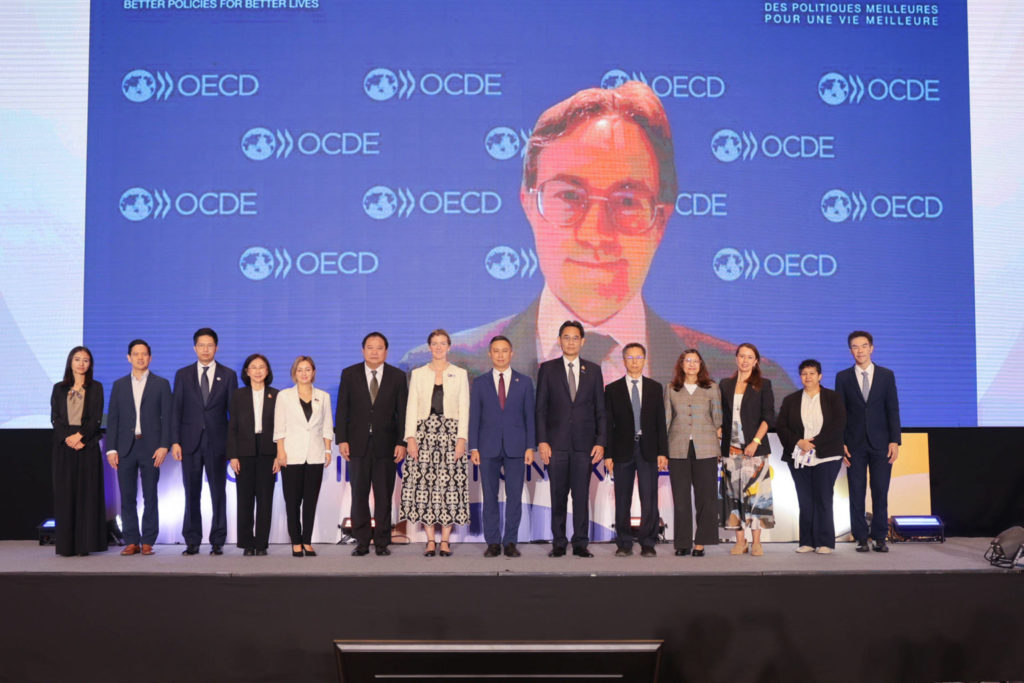
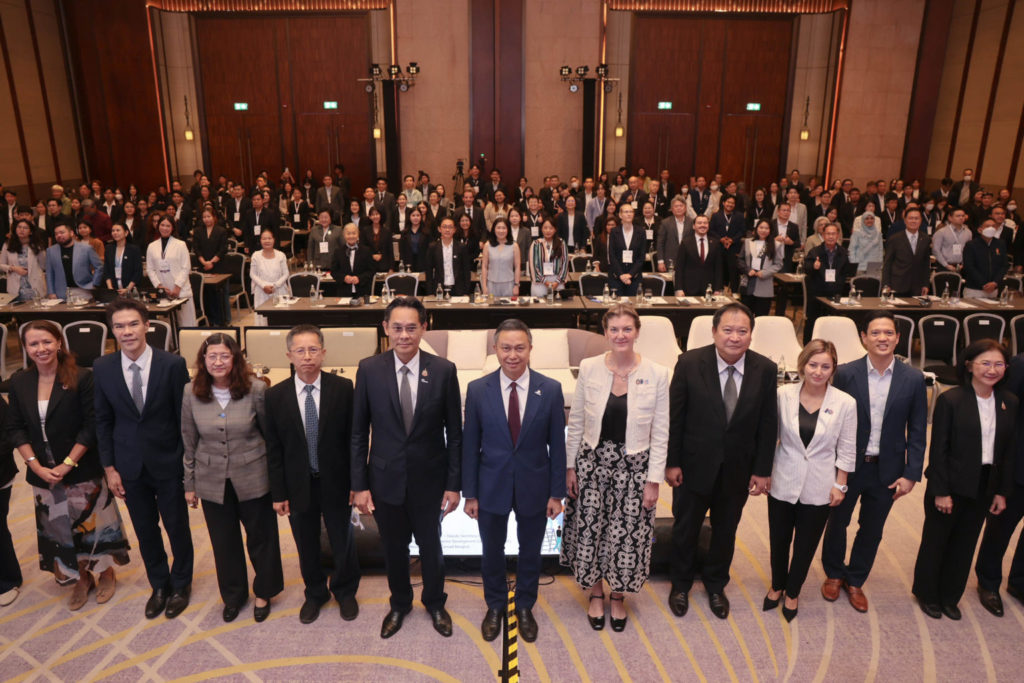
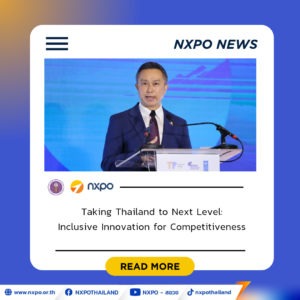
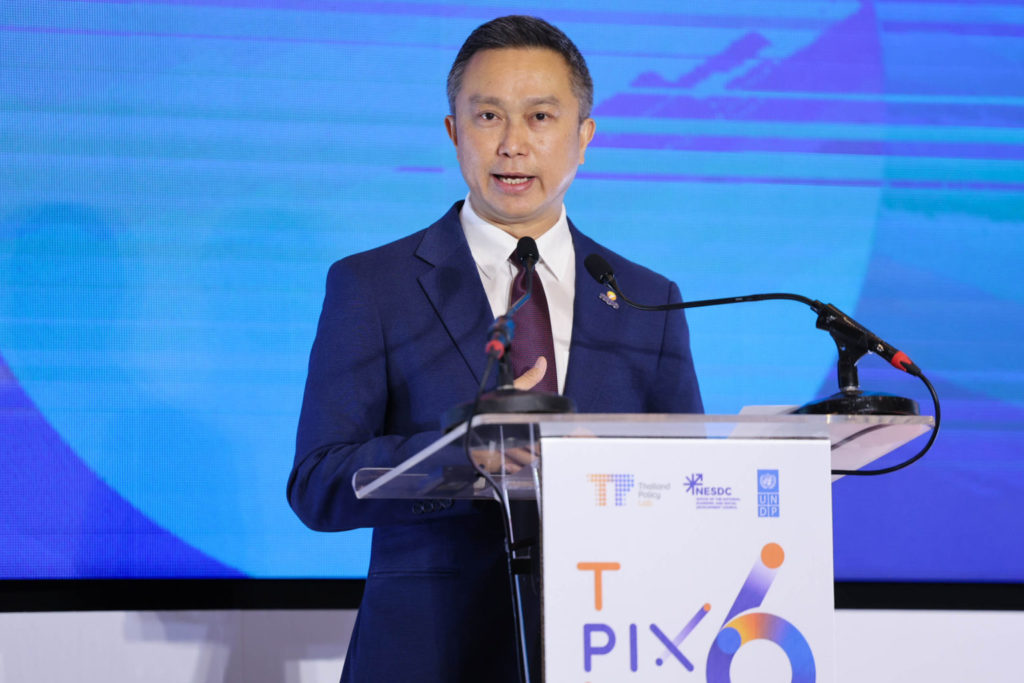
On 19 November 2026, Dr. Surachai Sathitkunarat, President of NXPO, represented Prof. Dr. Yodchanan Wongsawat, Deputy Prime Minister and Minister of Higher Education, Science, Research and Innovation (MHESI), in delivering a keynote speech at Policy Innovation Exchange 6 (PIX6), held under the theme “Next Level Thailand.” The event was organized by the Thailand Policy Lab (TP Lab), a joint initiative of the Office of the National Economic and Social Development Council (NESDC) and the United Nations Development Programme (UNDP).
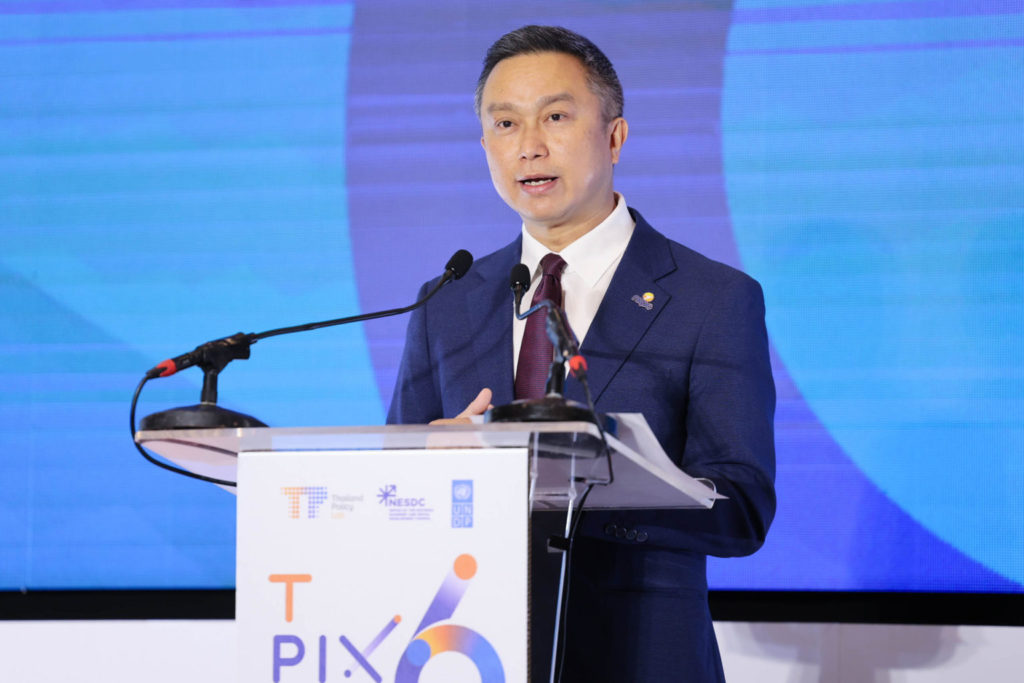
In his keynote speech, titled “Taking Thailand to Next Level: Inclusive Innovation for Competitiveness,” Dr. Surachai stated that advancing Thailand towards sustainable progress requires a paradigm shift in how the country approaches competitiveness. Rather than relying primarily on investment, infrastructure, and exports, Thailand must strengthen its capacity to generate and apply knowledge, technology, and innovation. At the heart of this transformation is inclusive innovation, which should not be concentrated solely in large corporations or major economic hubs but should extend opportunities to SMEs, workers, farmers, and local communities. Empowering more people to innovate will unlock the economy’s productive potential on a broader scale, making inclusiveness and participation key drivers of economic growth.
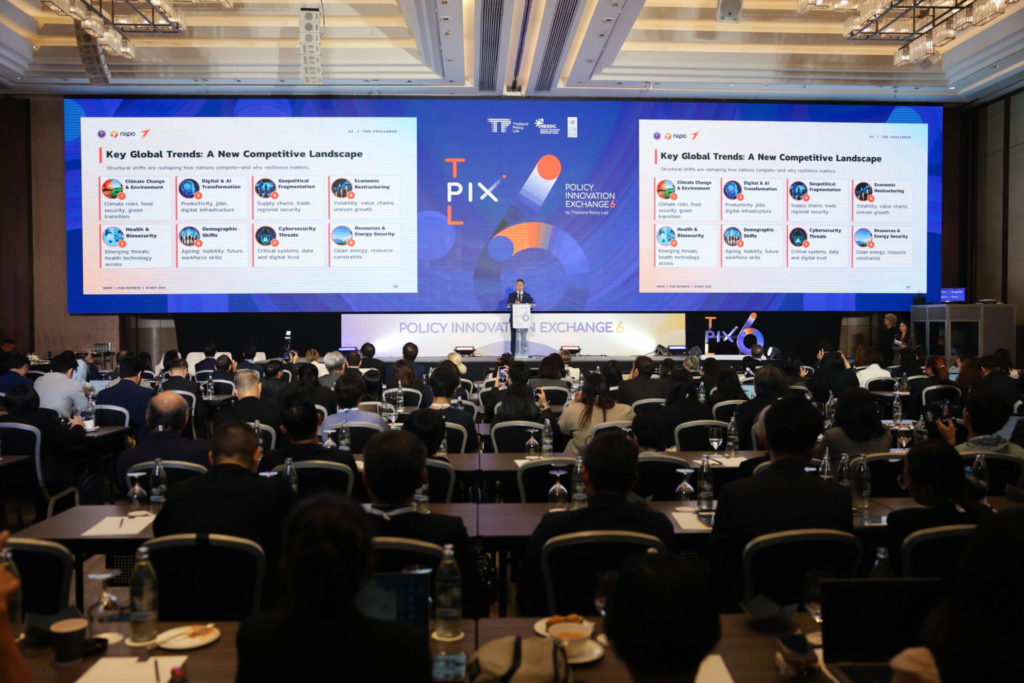
Dr. Surachai highlighted that Thailand is facing a range of interconnected global challenges, including climate change, artificial intelligence (AI), geopolitical shifts, an aging society, and concerns over energy, health, and cybersecurity. These challenges have far-reaching implications across different sectors. At the same time, emerging technologies such as AI, robotics, semiconductors, biotechnology, and clean energy offer enormous economic opportunities. However, access to technology does not necessarily translate into technological capability. Thailand must therefore advance frontier research alongside technology transfer and diffusion to help SMEs and regional businesses overcome constraints related to skills, capital, and infrastructure. This will enable businesses across the economy to improve productivity and strengthen their competitiveness.
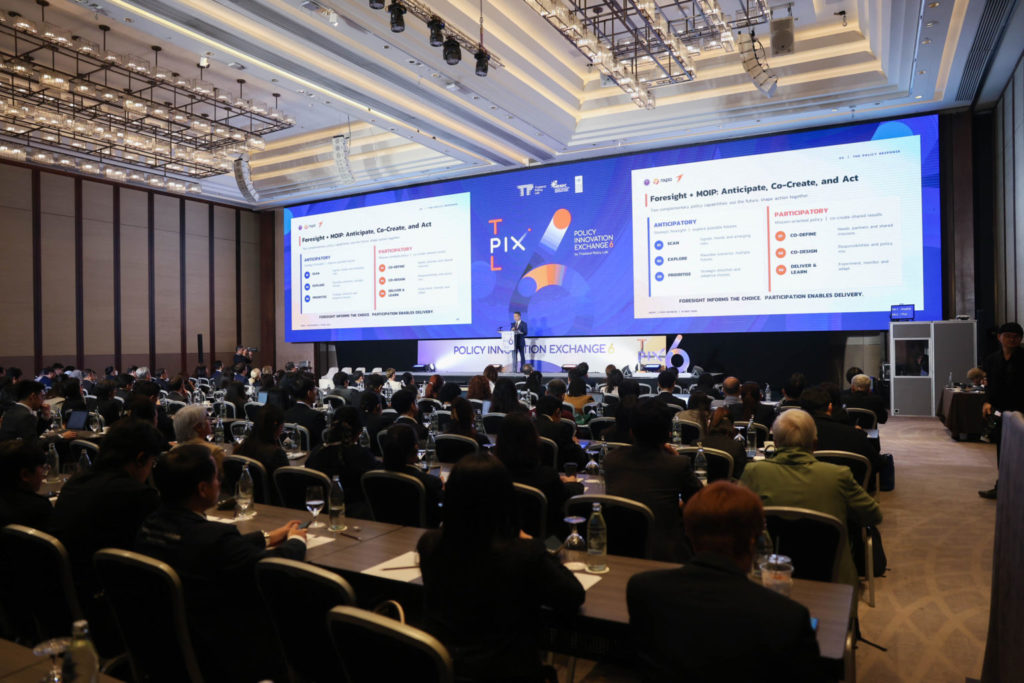
Beyond the economic dimension, technological transformation is also giving rise to six “Emerging Social Frontiers,” all of which share a common underlying challenge: inequality. These include: (1) human-AI relations; (2) security and resilience; (3) longevity, care, and adaptation; (4) new opportunities and inequalities; (5) trust, truth, and civil society; and (6) sustainable living and climate adaptation. To address these challenges, NXPO has adopted two key approaches in developing the draft Higher Education, Science, Research and Innovation Policy and Strategy Framework for 2028–2032:
- Anticipatory Governance – Applying strategic foresight tools to scan emerging signals and develop future scenarios, enabling policymakers to identify potential risks and anticipate their impacts on different groups of people.
- Participatory Policymaking – Applying the principles of Mission-Oriented Innovation Policy (MOIP) to bring together government agencies, the private sector, universities, and communities to jointly define missions and design solutions. This approach ensures that those facing barriers have a meaningful role in shaping policies that affect them.
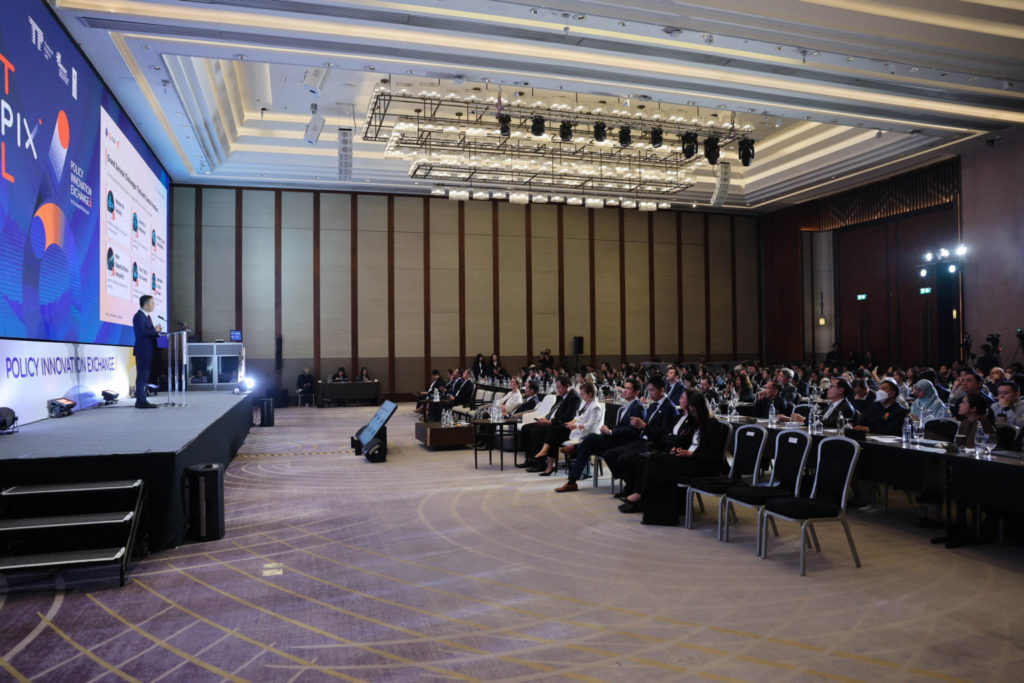
The draft Policy and Strategy Framework for 2028–2032 comprises five strategic areas and ten missions, focusing on translating policy priorities into tangible outcomes. Three key missions serve as the main drivers of this framework:
- Creating Value from Bio-based Resources – Aligned with the Siam Terra program, this mission emphasizes resource efficiency, the circular economy, and biotechnology to transform Thailand’s agricultural and biological resources into high-value food products, biomaterials, and biochemicals. It also aims to enable farmers, cooperatives, and SMEs to access technologies and standards, helping them move beyond supplying raw materials to become active participants in value creation.
- Making Innovation Accessible to All – This mission places inclusive innovation at the heart of grassroots economic development by promoting appropriate technology (App Tech) that is practical and affordable. Solutions will be developed based on local needs and co-designed with users, with Local Innovation Hubs serving as key mechanisms for implementation. These hubs will help small-scale producers reduce costs, improve product quality, and expand their markets.
- Transforming Regional Cities into Engines of Inclusive Growth – This mission aims to reduce the concentration of economic activity and employment in major cities by unlocking the potential of regional cities through three key components: place-based innovation, inclusive urban technologies, and participatory governance. Together, these approaches will help distribute quality jobs and economic opportunities more widely across the country.
In closing, Dr. Surachai emphasized that the success of inclusive innovation depends on collaboration across the National Innovation System, bringing together government agencies, industries, educational institutions, and local communities. The true measure of success, he noted, lies in the tangible benefits delivered to people, including the number of SMEs adopting innovation, increased productivity among local producers, and greater access to new opportunities across society. Through collective efforts, Thailand can turn national ambitions into local opportunities and build a strong foundation for sustainable national competitiveness.