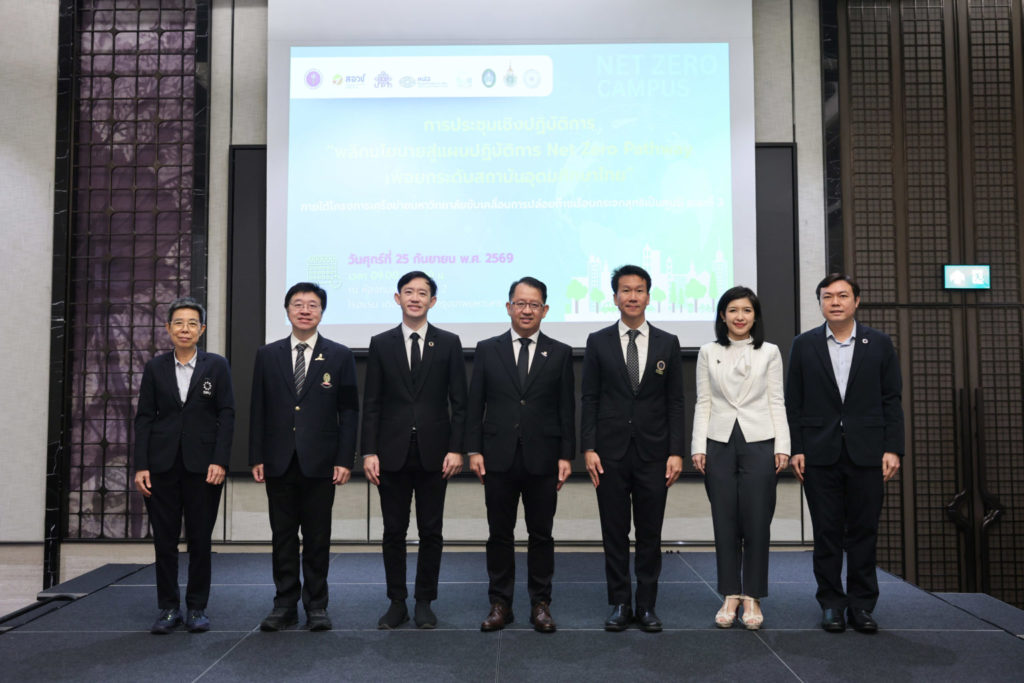
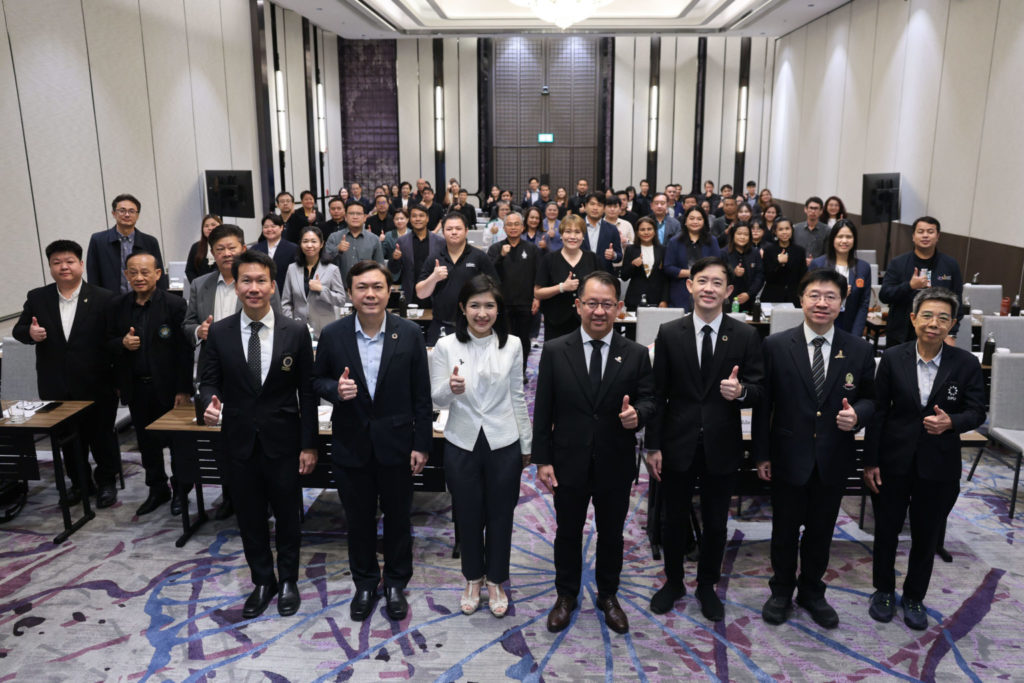
On 25 September 2026, NXPO, in collaboration with the Council of University Presidents of Thailand (CUPT), Sustainable University Network of Thailand (SUN Thailand), Rajabhat University Network, Rajamangala University of Technology Network, and Association of Private Higher Education Institutions of Thailand (APHEIT), organized the workshop “Transforming Policy into a Net Zero Campus Action Plan to Enhance Thai Higher Education Institutions.” The workshop was held under Phase 3 of the Net Zero Campus Project at The Sukosol Bangkok. Assoc. Prof. Wongkot Wongsapai, Vice President of NXPO, delivered the opening remarks and a presentation titled “Unlocking the Potential of Thai Universities Toward Net Zero: Policy Directions and Government Support Mechanisms.”
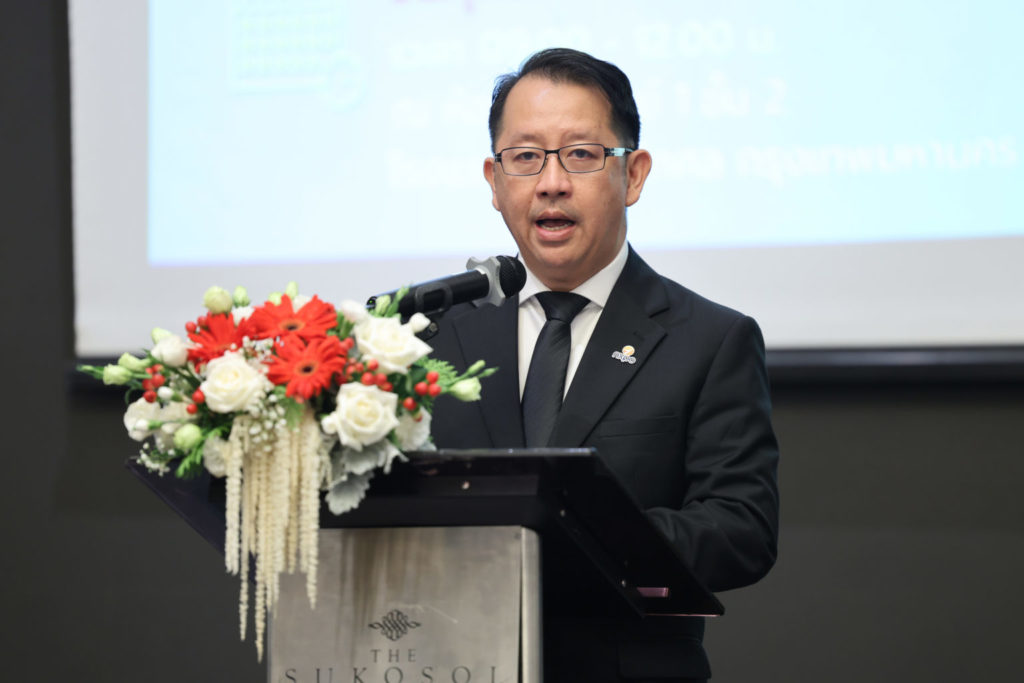
Assoc. Prof. Wongkot said the workshop was organized to promote the role of higher education institutions in supporting the country’s greenhouse gas emissions reduction and net zero goals. NXPO plays an important role in developing policies and mechanisms for higher education, science, research and innovation to support the country’s strategic goals. This includes strengthening universities as sources of human capital development and knowledge, as well as living laboratories for testing and applying technologies and innovations, turning research into practical solutions while advancing a sustainable transition toward a low-carbon economy and society.
“Phase 3 of the project will focus on strengthening universities’ implementation through the development of Net Zero Pathways and guidelines, while also connecting universities with the private sector and funding sources to support the implementation of low-carbon measures and technologies. This will enable higher education institutions to systematically develop their pathways toward Net Zero,” Assoc. Prof. Wongkot said.
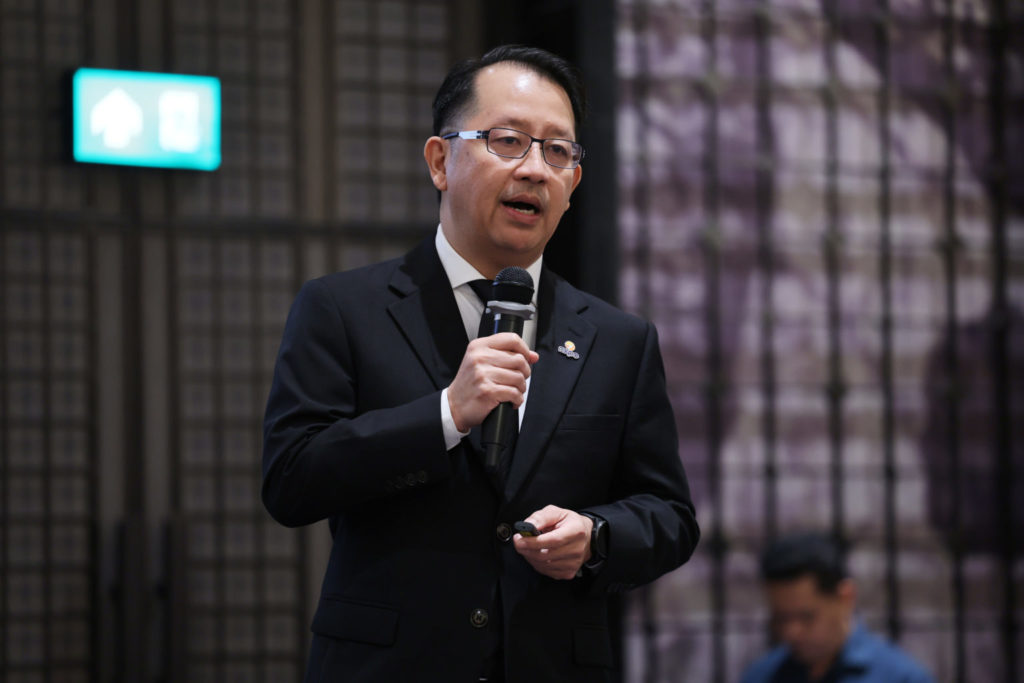
During his presentation, Assoc. Prof. Wongkot highlighted the policies of Prof. Dr. Yodchanan Wongsawat, Deputy Prime Minister and Minister of Higher Education, Science, Research and Innovation (MHESI), which reflect the changing global context and the external pressures facing Thailand, including geopolitics, trade wars, a slowing global economy, energy challenges, technological advances, and the growing use of AI. The “Transforming Universities to Global Level” policy aims to strengthen research, emphasize technology development and innovation, and enhance intellectual and professional capabilities. Under this policy, universities should not merely be places that produce graduates, but platforms that connect “communities” with “science” and “business,” creating a Mastery Ecosystem. Assoc. Prof. Wongkot linked this concept to the sustainability framework for universities, ranging from knowledge and research development to practical application and the establishment of enterprises, such as startups, with the potential to scale up. Examples include the development of climate businesses and clean energy technologies.
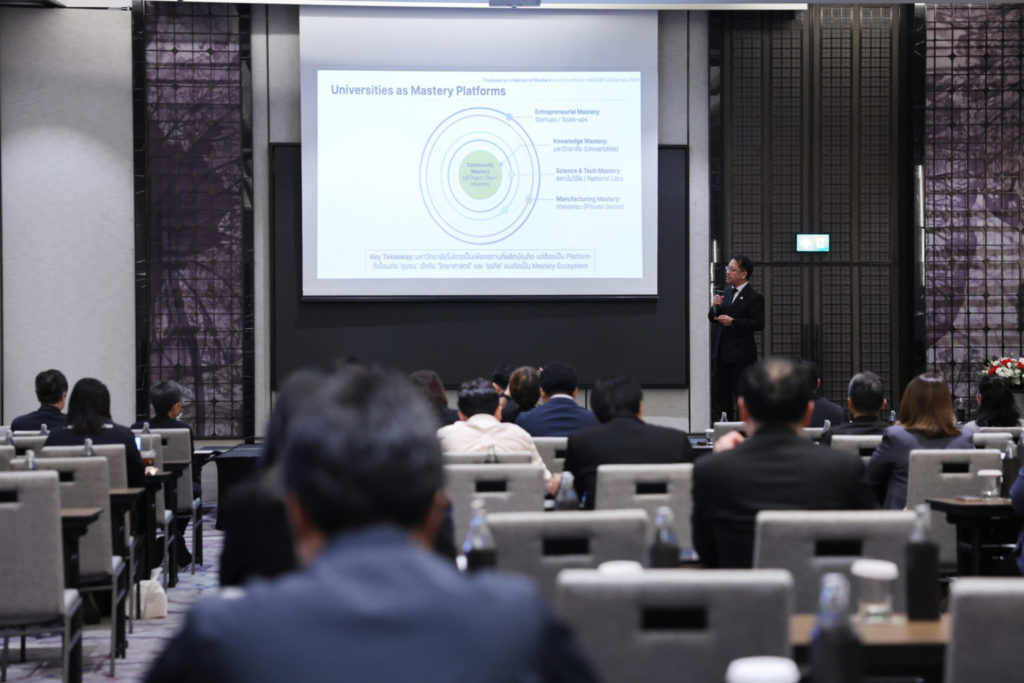
In addition, MHESI is advancing toward the Net Zero 2050 goal through climate transition efforts that connect Nature Tech, AI, and biodiversity to establish Thailand as a living lab for nature-based innovation while creating sustainable economic opportunities. NXPO’s role includes serving as the Technology Needs Assessment (TNA) Coordinator for Thailand’s participation in the Global TNA in Phases I and V. NXPO also serves as Thailand’s National Designated Entity (NDE) for climate change technology development and transfer under the UNFCCC. Another key role of NXPO is to serve as a policy agency responsible for developing and integrating higher education, science, research and innovation policies in line with the country’s policies, strategies, and plans.
In line with this role, NXPO formulated the Policy Proposal for Advancing Climate Change Missions through Higher Education, Science, Research and Innovation, 2027–2032 and submitted it to the National Higher Education, Science, Research and Innovation Policy Council (Policy Council). The Policy Council approved the proposal and assigned NXPO and relevant agencies to advance its implementation. The proposal comprises three components: 1) the 2027–2032 Climate Change Research Framework and Program; 2) the High-Skilled Workforce Development Program to Support the Transition to a Low-Carbon Economy and Society; and 3) the Net Zero Campus Program, which establishes universities as areas for greenhouse gas emissions reduction, testing grounds for climate innovation, and platforms for workforce development.
Assoc. Prof. Wongkot also presented the implementation process for the Net Zero Campus project, which begins with establishing the MHESI’s overarching policy, followed by establishing a Carbon Accounting standard for universities aligned with the national standard and expanding the number of participating universities, each with a clear Net Zero Pathway. He also highlighted examples of Climate Tech and Deep Tech that can contribute to the Net Zero goal. These technologies can serve as important mechanisms for reducing greenhouse gas emissions and supporting progress toward Net Zero, while simultaneously creating economic opportunities and investment in emerging industries. The five key technology groups include Electrification, Agriculture, Power Grid, Hydrogen, and Carbon Capture.
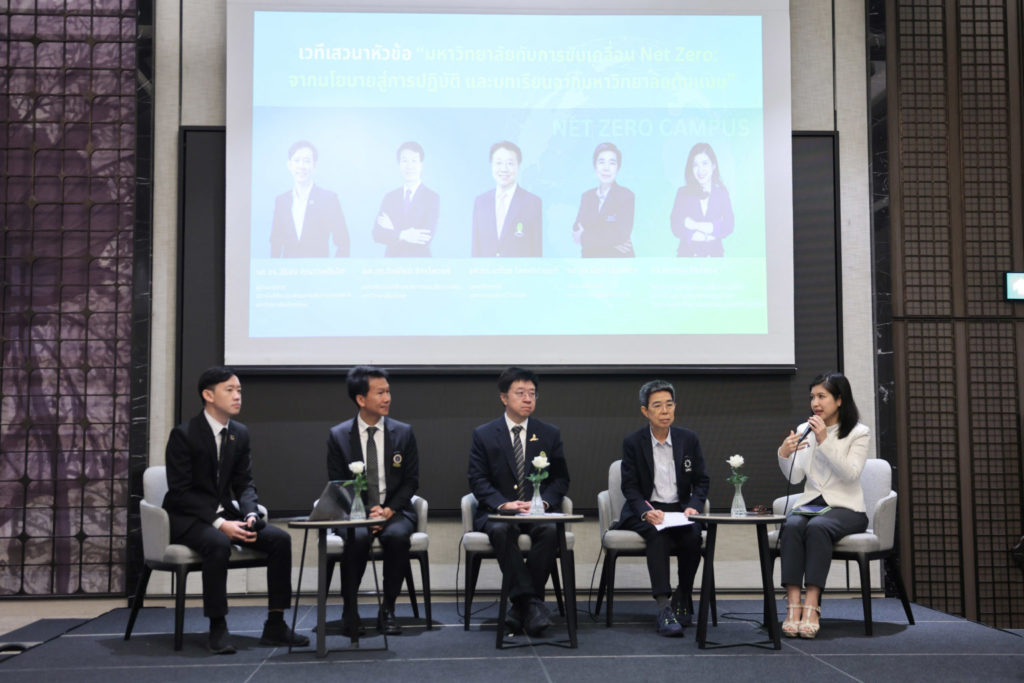
The event also included a panel discussion featuring Assoc. Prof. Dr. Sirichai Koonaphapdeelert, Director of the Energy Research and Development Institute–Nakornping (ERDI), Chiang Mai University; Asst. Prof. Dr. Ittichote Chuckpaiwong, Vice President for Infrastructure and Environment, Mahidol University; Assoc. Prof. Dr. Manoj Lohatepanont, Vice President, Chulalongkorn University; and Assoc. Prof. Dr. Nit Petcharaks, Assistant to the President, Dhurakij Pundit University. The discussion was moderated by Dr. Saravanee Singtong, Director of the Sustainability Policy Division, NXPO.
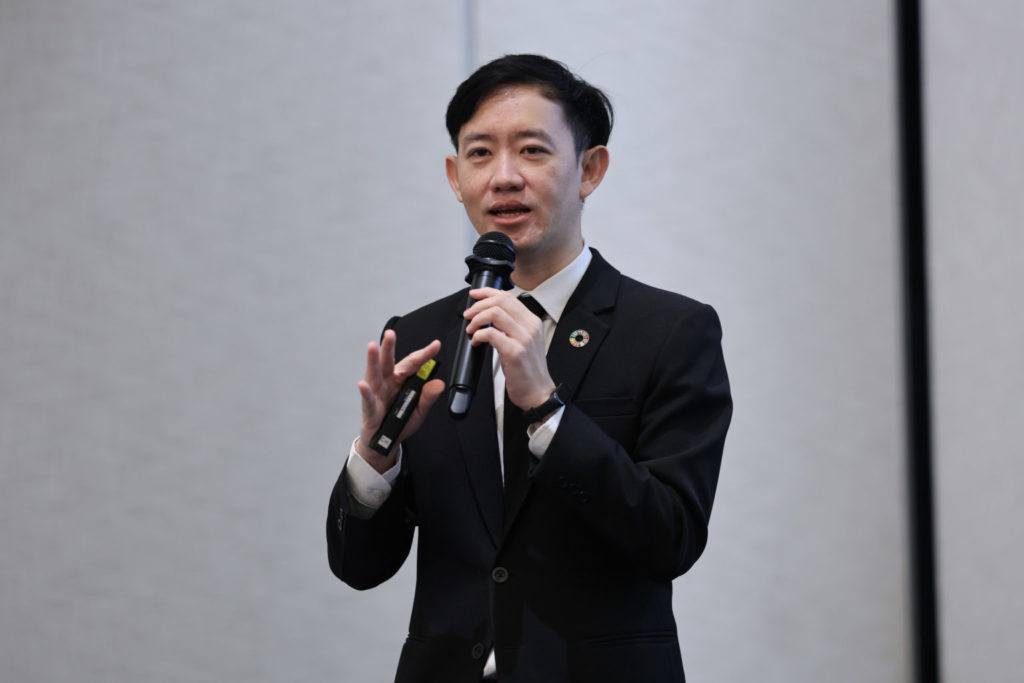
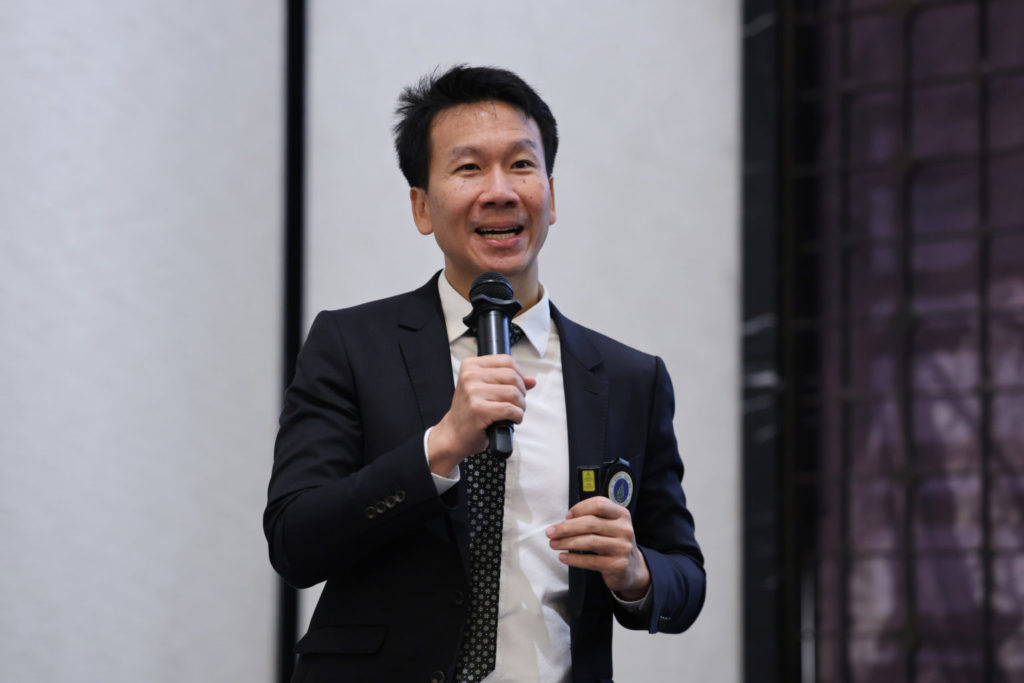
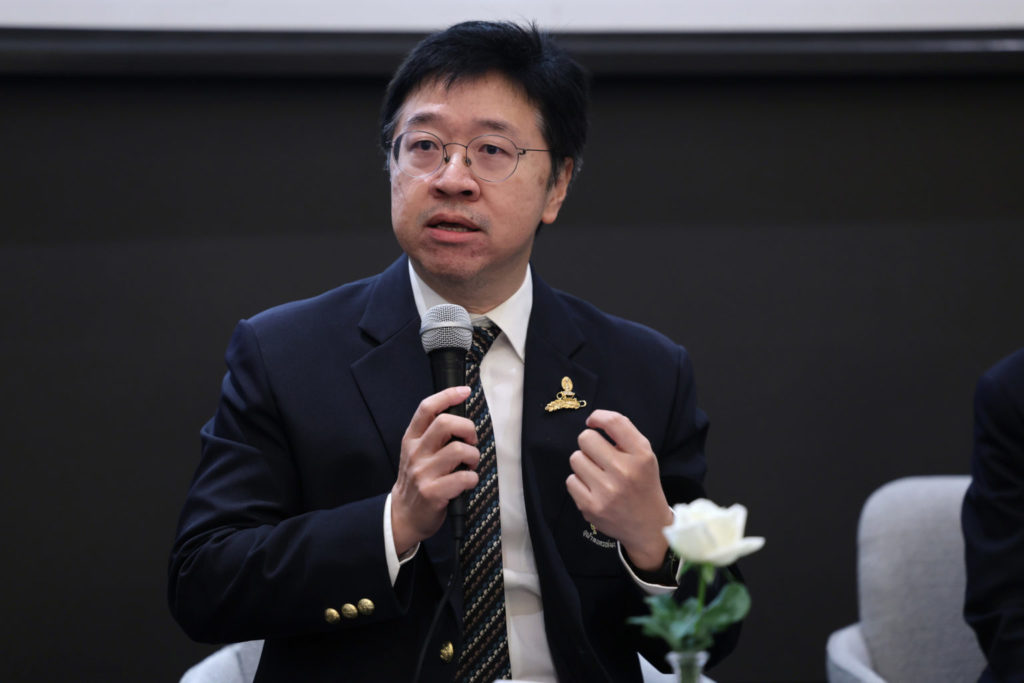
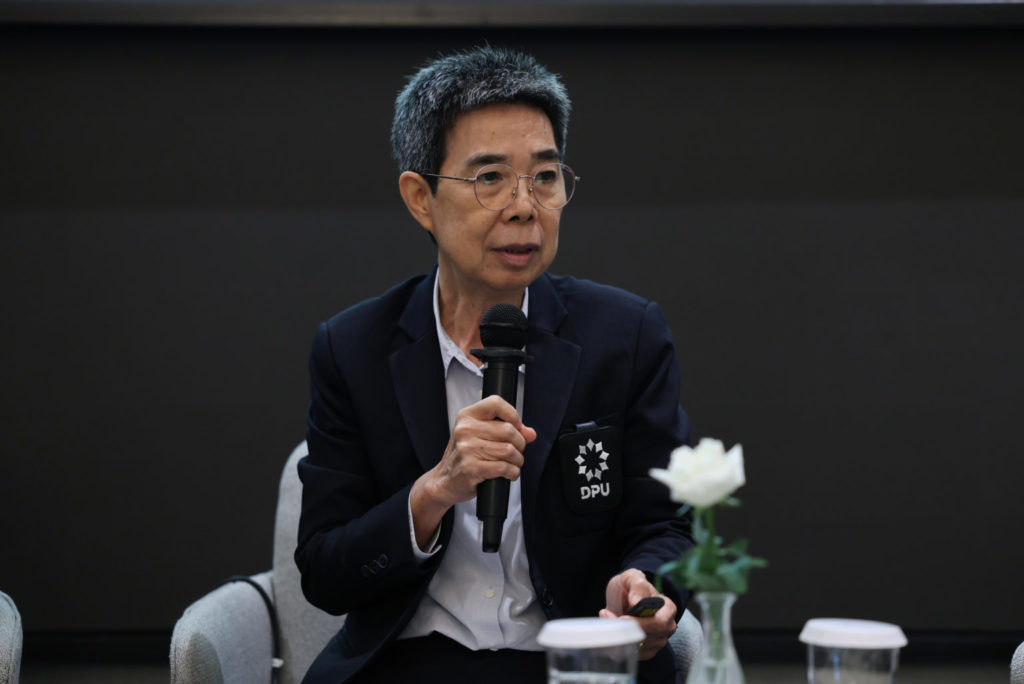
Representatives from each university shared experiences and lessons learned in advancing their universities toward the Net Zero goal. Their experiences highlighted different gaps and operational challenges, including fragmented management and governance across sub-units. This requires universities to establish a clearer organization-wide ecosystem and shared goals, while building awareness and confidence among all relevant stakeholders. Other challenges included budget constraints faced by private universities, building understanding among students and university staff, and managing complex data. The event provided a platform for participating universities to exchange experiences and learn about good practices from one another. Overall, the participating universities agreed on the importance of setting Net Zero targets in alignment with the country’s goals and recognized universities as a critical starting point for driving long-term sustainability.
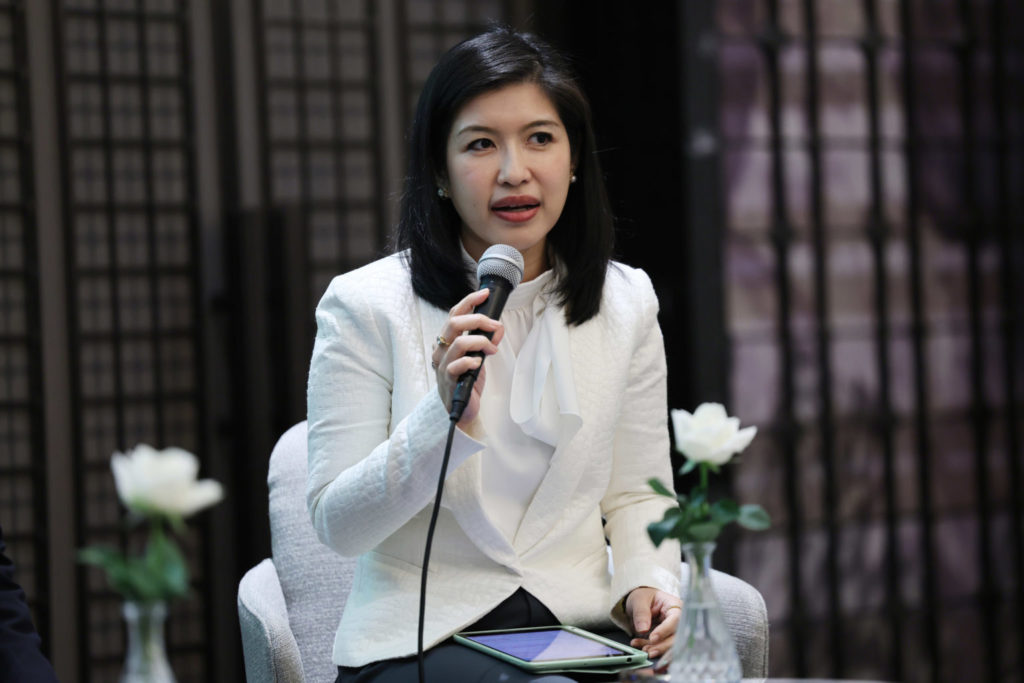
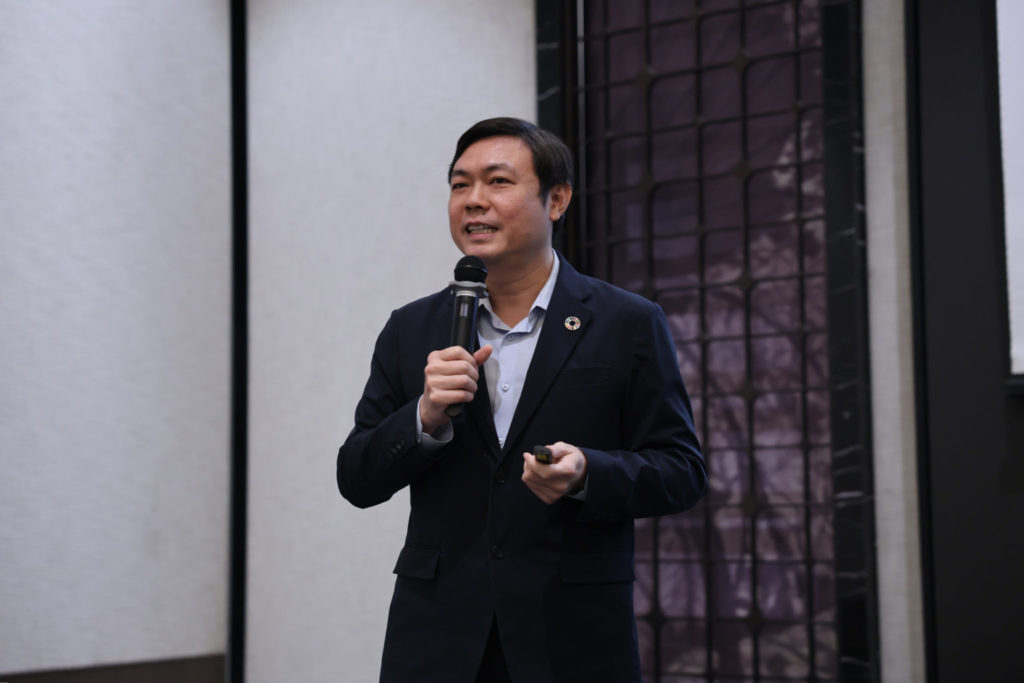
The event also featured a presentation on carbon management by Mr. Thada Varoonchotikul of the Thailand Greenhouse Gas Management Organization (TGO). He presented guidelines for obtaining Carbon Footprint of Organization (CFO) certification, which demonstrates an organization’s environmental responsibility and enables it to receive an official certification mark from TGO. The presentation also linked CFO certification with universities’ Net Zero initiatives, including the use of clean energy; development of green buildings and spaces; low-carbon transportation; and the management of waste, water, food, green procurement, and green activities. He also discussed preparing a university CFO, setting greenhouse gas reduction targets, developing a Carbon Reduction Roadmap, monitoring progress, and offsetting residual emissions.
Toward the end of the event, participants engaged in a brainstorming session on developing guidelines for Net Zero Campus implementation in higher education institutions, led by Assoc. Prof. Dr. Sirichai. Participants exchanged a wide range of views, while each university shared its own approach to developing a Net Zero Pathway. These inputs will contribute to a common approach for advancing universities toward the Net Zero goal.