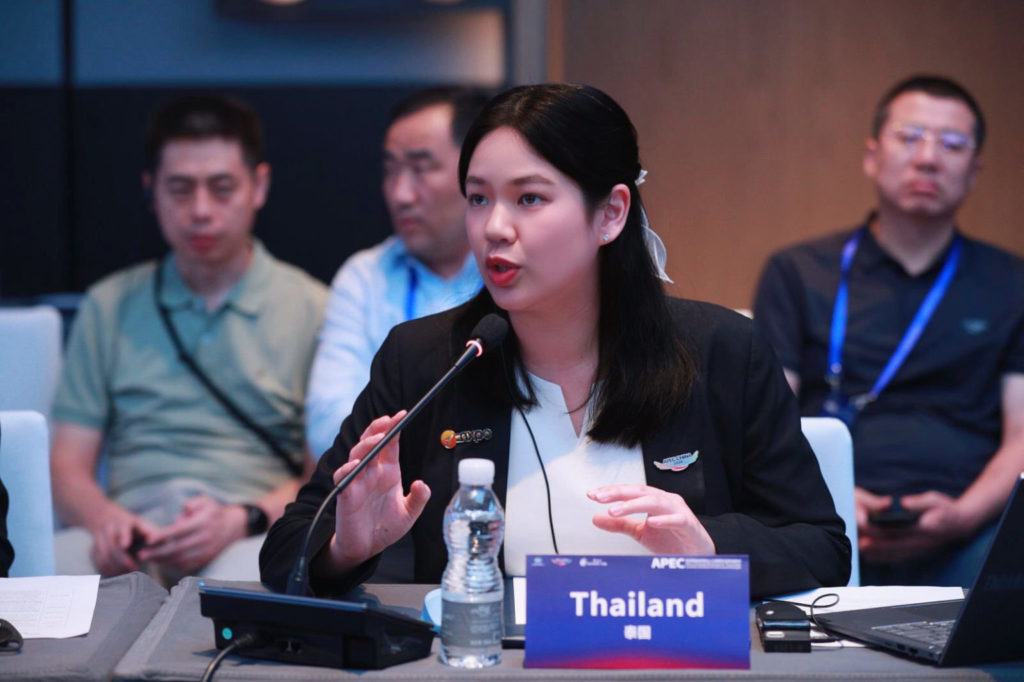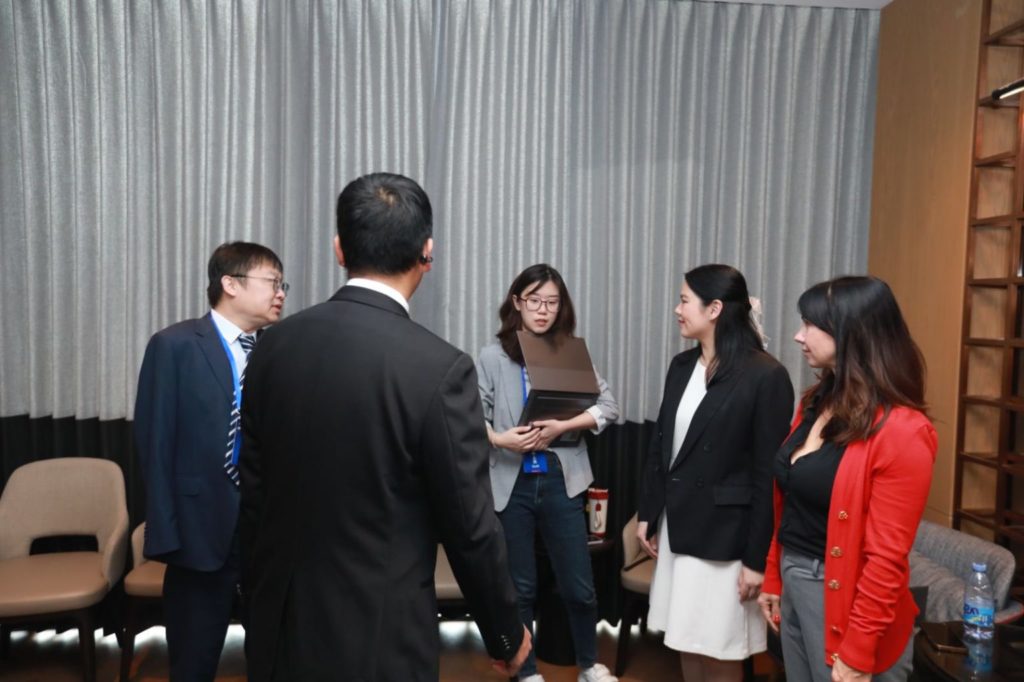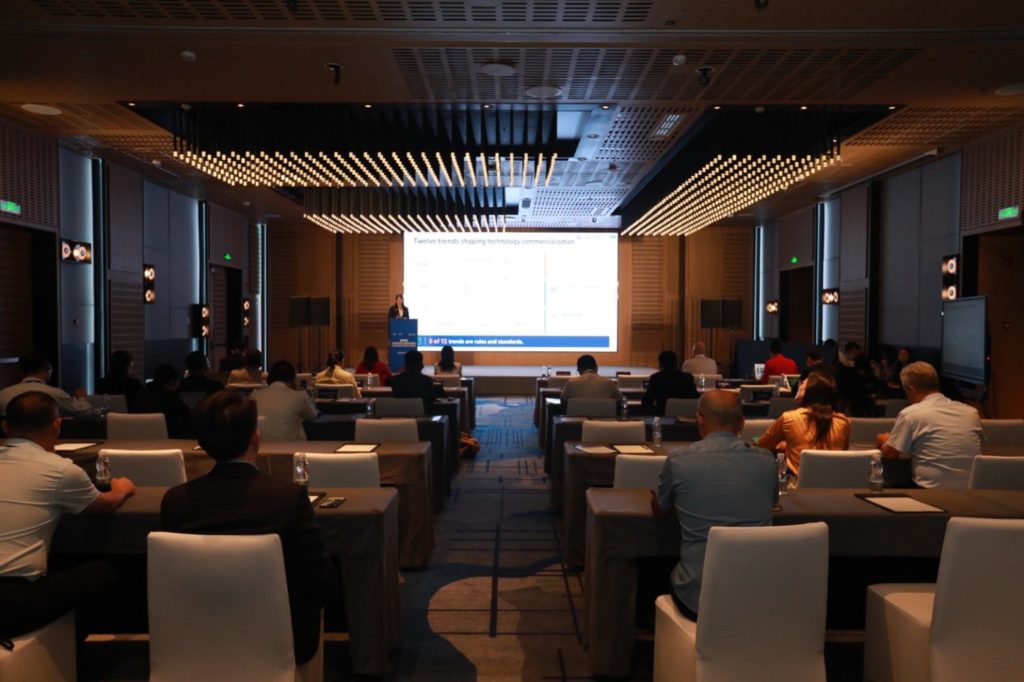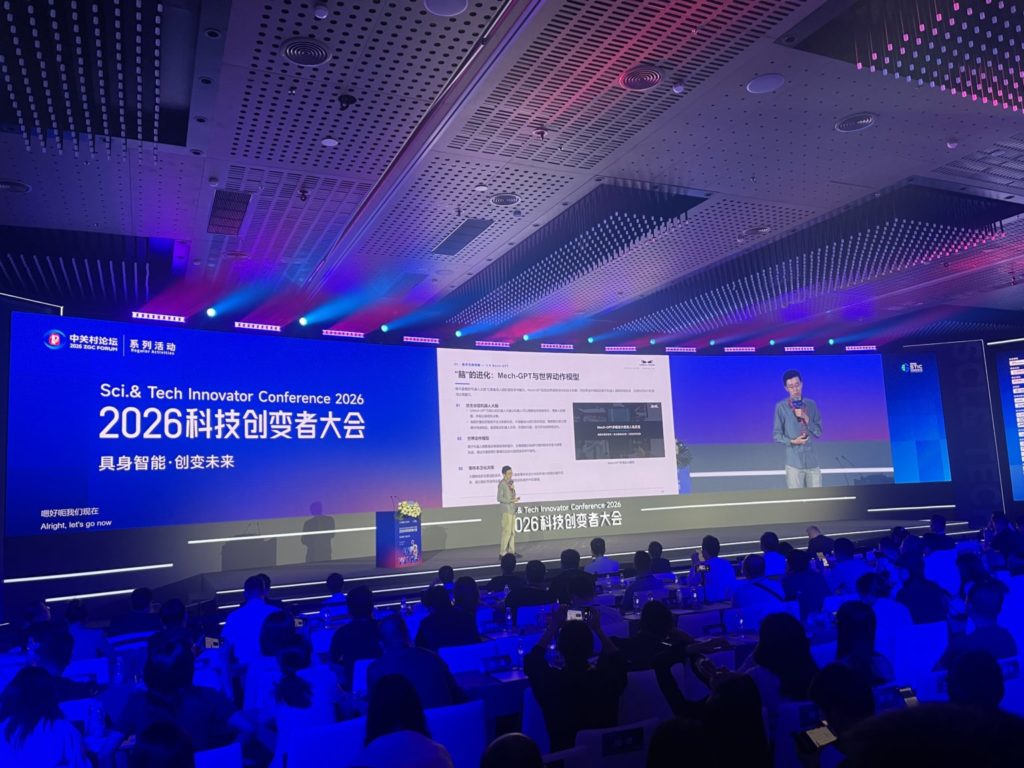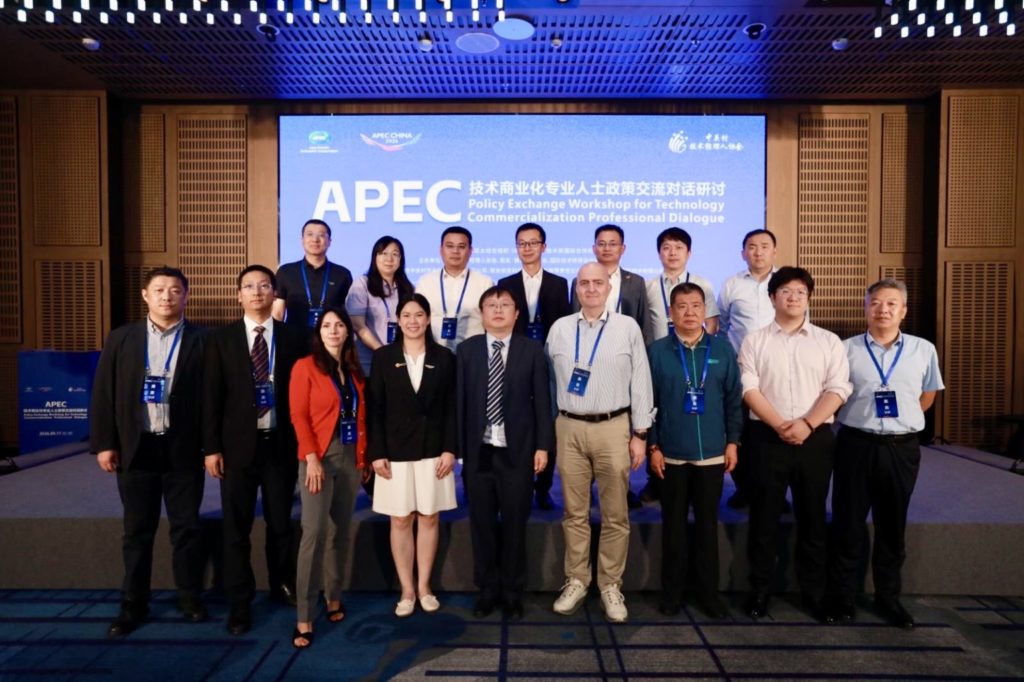
The APEC Center for Technology Foresight (APEC CTF), hosted by NXPO, participated in the “APEC Policy Exchange Workshop for Technology Commercialization Professional Dialogue” and the “2026 Sci-Tech Innovators Conference,” held in Beijing, China, on 17 September 2026 and 18–19 September 2026, respectively. The APEC workshop was held under the framework of the APEC Policy Partnership on Science, Technology and Innovation (PPSTI) to facilitate the exchange of policies and practices on technology transfer and commercialization in the Asia-Pacific region.

The APEC workshop was organized by the Zhongguancun Technology Managers Association, with China serving as the proposing economy and Thailand, Chile, Malaysia, and Peru as co-sponsoring economies. Participants included representatives from governments, universities, research institutes, technology transfer associations, and the private sector from APEC member economies, as well as international technology transfer networks such as the Alliance of Technology Transfer Professionals (ATTP) and the Steinbeis Network. The workshop provided a platform for exchanging experiences on policy, professional capacity development, and cross-border collaboration.
Dr. Natthamon Suwannaprom, Policy Developer at NXPO, represented Thailand and delivered a keynote speech on “Future Trends and Technology Commercialization.” She also shared Thailand’s perspectives in the session “Policy Exchange on Technology Transfer and Commercialization in the APEC Region,” highlighting the roles of NXPO and APEC CTF in applying foresight to support technology commercialization. Foresight not only helps identify emerging technologies, but also highlights areas where preparedness is needed, including markets, regulations, and capabilities.
NXPO’s horizon scanning for the 2026–2034 timeframe, conducted through the NXPO Shaping Tomorrow platform, identified several key trends. For instance, it found that quantum computing has potentially high impacts but remains at an early stage, highlighting the need to build capabilities in intellectual property, human resources, and an investor ecosystem. The findings also showed that most trends extend beyond the technologies themselves to encompass standards and regulations, such as AI ethics standards and regulations for green technologies. Technology commercialization therefore requires technology prioritization and regulatory readiness to be addressed in parallel.
Dr. Natthamon also highlighted the use of foresight tools in Thailand’s Technology Needs Assessment (TNA) project, carried out by NXPO in its role as the National Designated Entity (NDE) and project coordinator under the United Nations Framework Convention on Climate Change (UNFCCC). She also highlighted Thailand’s efforts in promoting innovation-driven businesses and reforming the higher education, science, research, and innovation system through the Science, Research and Innovation Promotion Act B.E. 2562 (2019) and the Thailand Research and Innovation Utilization Promotion Act B.E. 2564 (2021) (TRIUP Act).
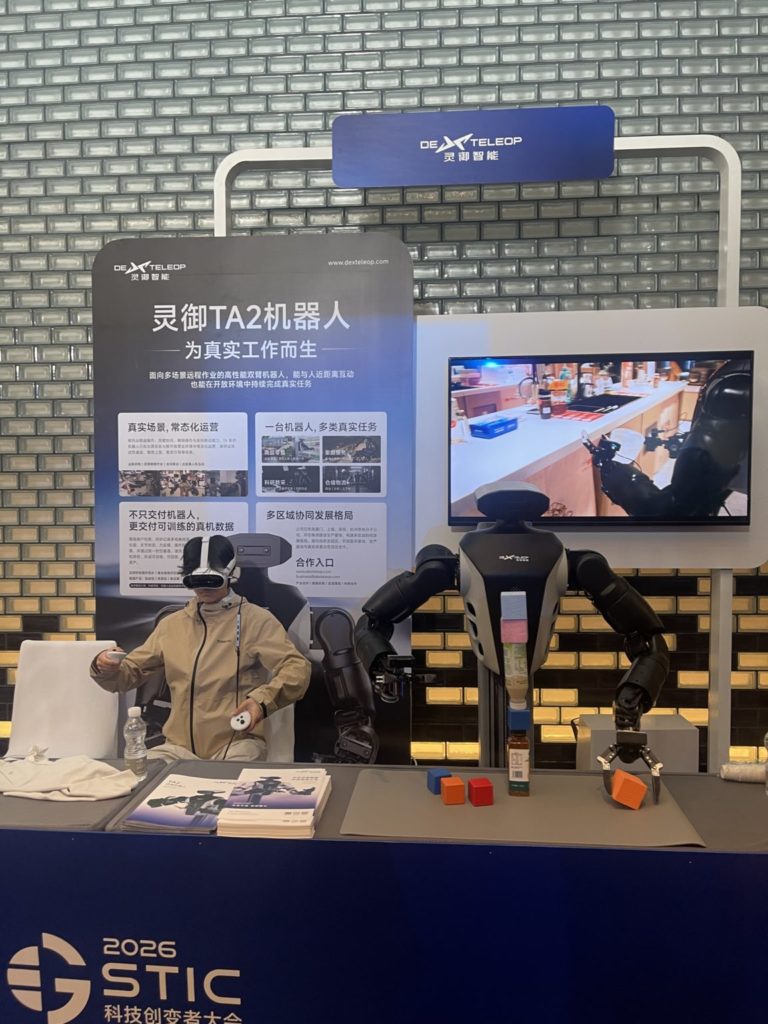
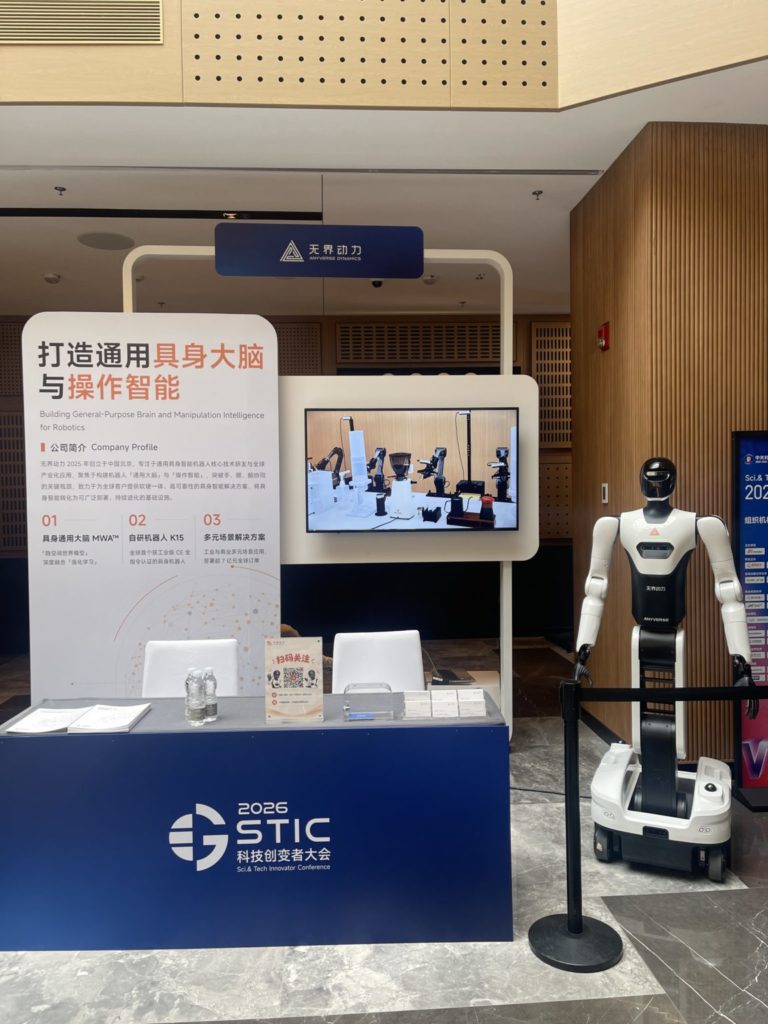
The 2026 Sci-Tech Innovators Conference, part of the 2026 Zhongguancun Forum Series, provided a platform for robotics and artificial intelligence startups to showcase products and real-world applications, including a Dexterous Hand for Embodied Intelligence and the Mech-Eye 3D camera, which integrates AI capabilities.
The participation supports regional cooperation in science, technology, and innovation, while promoting the use of foresight tools and policy instruments to advance the utilization of research and innovation outputs. These efforts will help strengthen competitiveness and support sustainable development across the Asia-Pacific region.