On 9 September 2026, the NXPO Future Mobility Policy Division, led by Dr. Thanakarn Wongdeethai, organized a site visit for the steering committee of the project “Study and Development of Policy Recommendations on Level 3 and Above Connected and Autonomous Vehicles (CAV)” and experts to observe Level 4 CAV testing at the Testing Center for Connected and Automated Vehicles (T-CAVs) in Rayong Province. The visit team included Asst. Prof. Dr. Ananchai Ukaew, Chair of the Project Steering Committee; Assoc. Prof. Dr. Yossapong Laoonual and Asst. Prof. Dr. Nuksit Noomwongs, Advisors to the Project Steering Committee; Dr. Noppakun Boongrapue, Project Steering Committee Member; Mr. Rakphol Kangnoy, representative of WHA Industrial Estates; Dr. Thanakarn Wongdeethai, Member and Secretary of the Project Steering Committee; and Prof. Dr. Takeyoshi Imai, a legal expert from Hosei University, Japan. The visit aimed to collect data from real-world testing to support the development of policy recommendations, testing criteria and guidelines, as well as to prepare Thailand for the adoption of advanced autonomous vehicle technologies.
The testing, the first Level 4 CAV test in Thailand, is part of the project “Study and Development of Policy Recommendations on Level 3 and Above Connected and Autonomous Vehicles (CAV),” implemented under a Memorandum of Understanding (MOU) between NXPO and the Department of Science Service (DSS). NXPO supports and drives the project from a policy perspective, while DSS serves as the implementing agency, with Dr. Pasan Kulvanit as Project Leader. The project seeks to apply scientific and technological knowledge and empirical data to support the formulation of national CAV policies.
The project focuses on assessing Thailand’s readiness to adopt advanced CAV technologies in terms of technology, safety, infrastructure and relevant operating environments. It also examines the potential of Thai companies and relevant stakeholders to enter the CAV value chain and aims to create an enabling environment for testing, development and investment in autonomous vehicles, laying the foundation for Thailand to become a regional testing and development hub for CAV technologies.
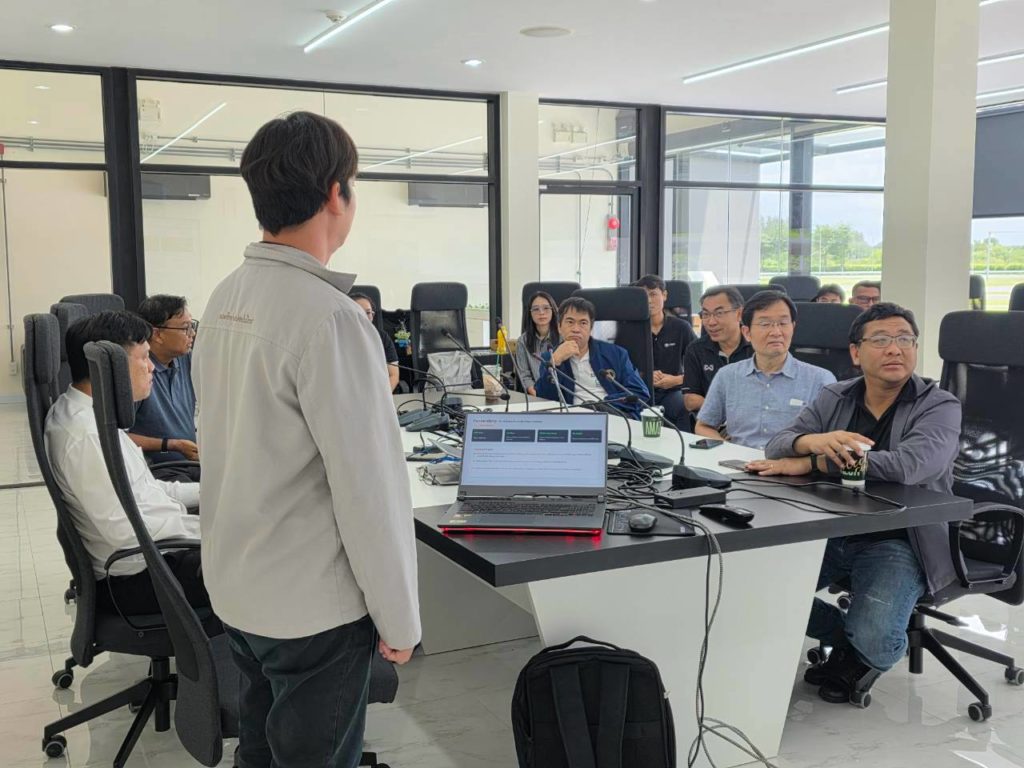
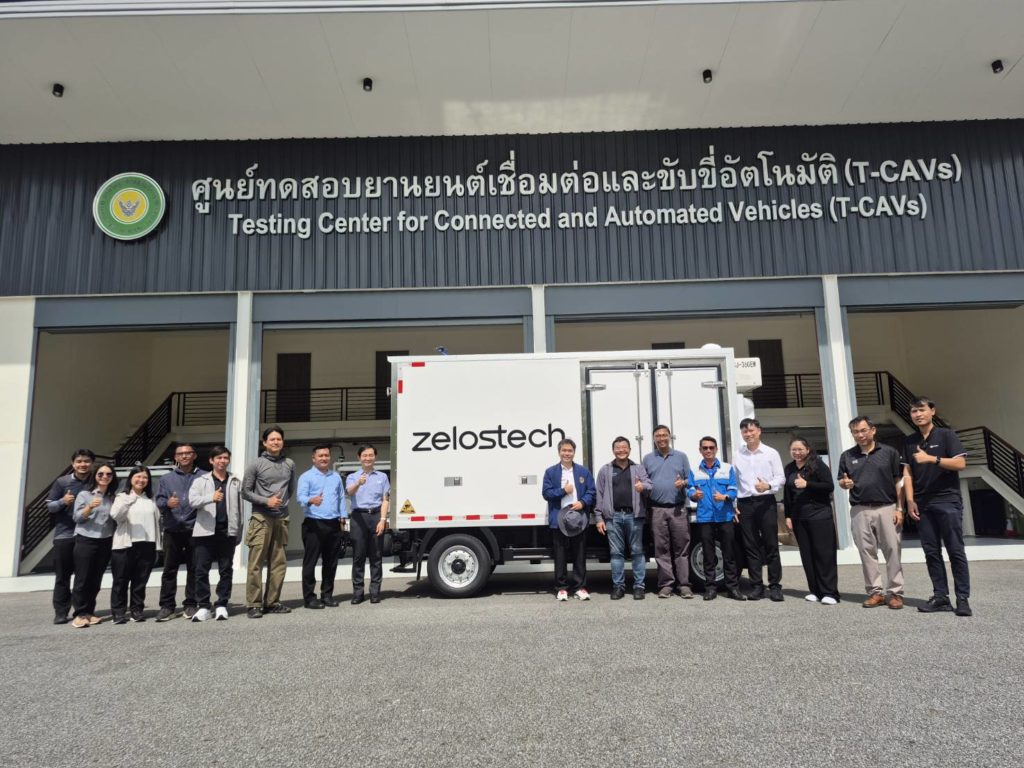
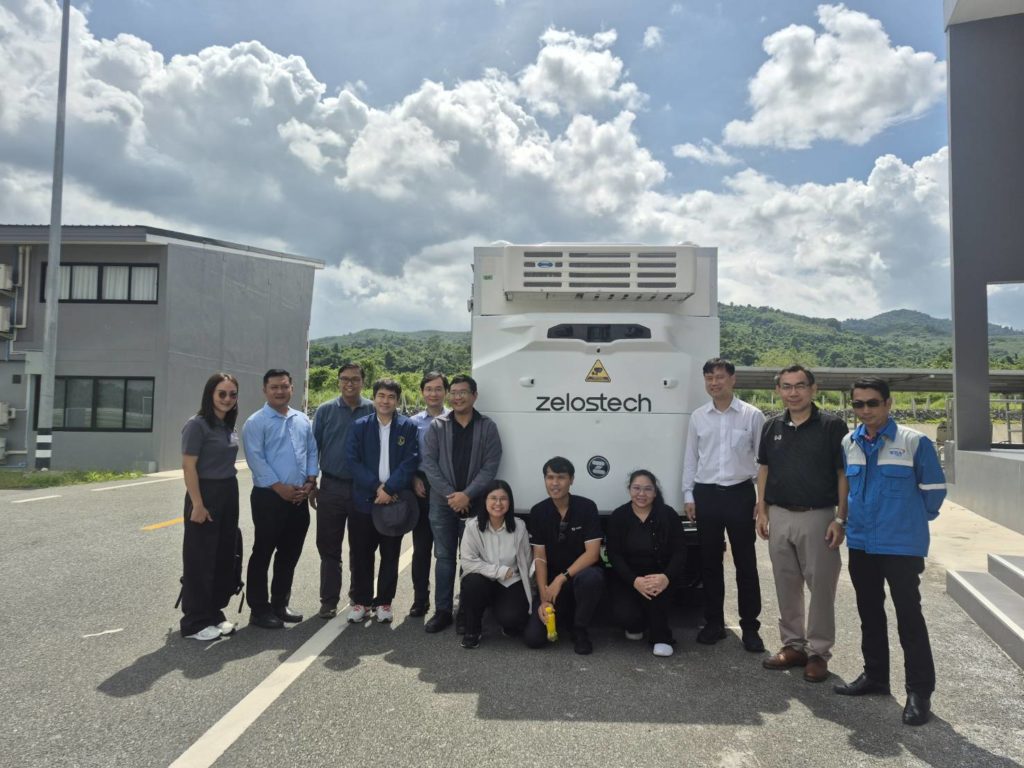
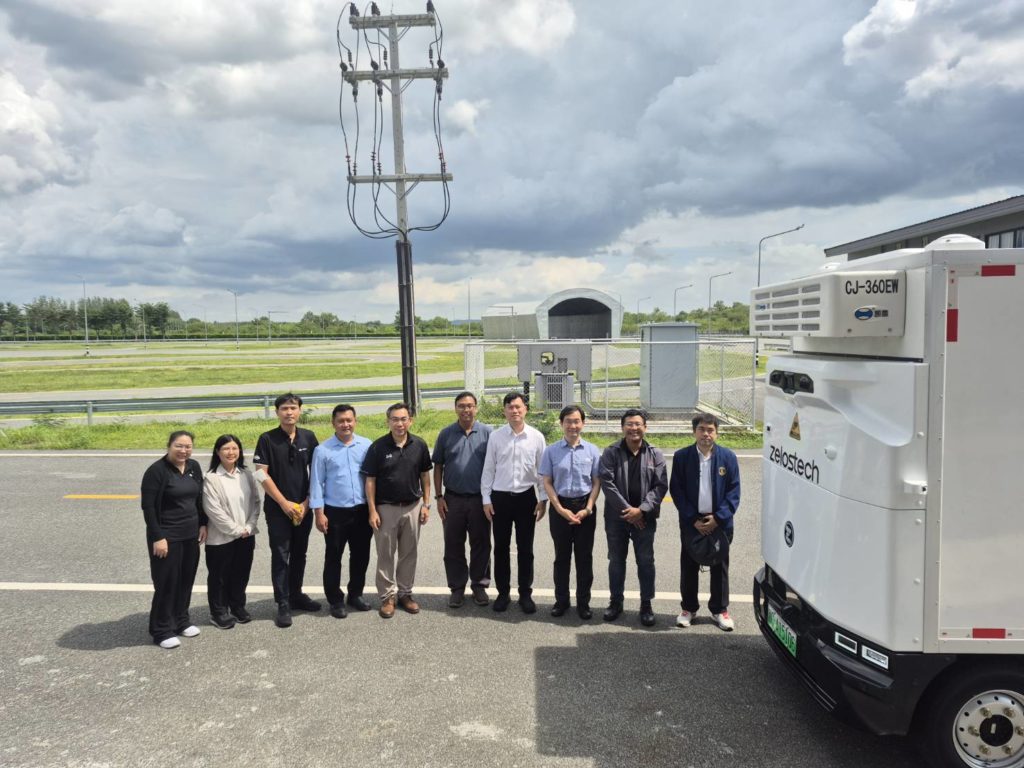
The site visit formed part of the project’s oversight and monitoring process to ensure that testing and research findings can be translated into concrete policy applications. The Project Steering Committee is responsible for setting directions, overseeing and monitoring implementation, and promoting the utilization of project outcomes in alignment with higher education, science, research and innovation policies and national goals.
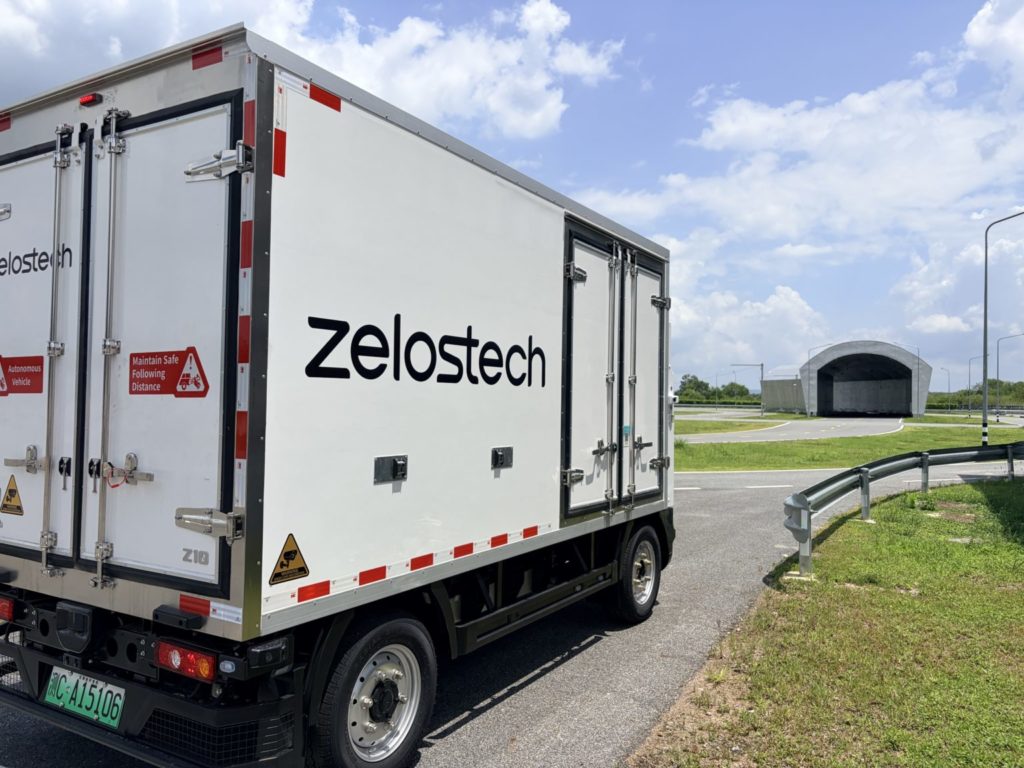
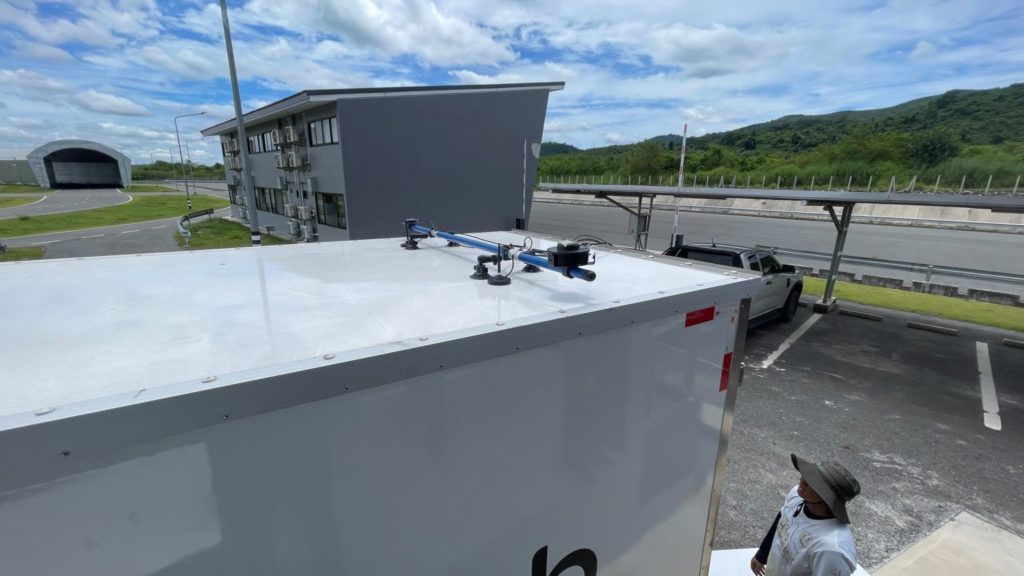
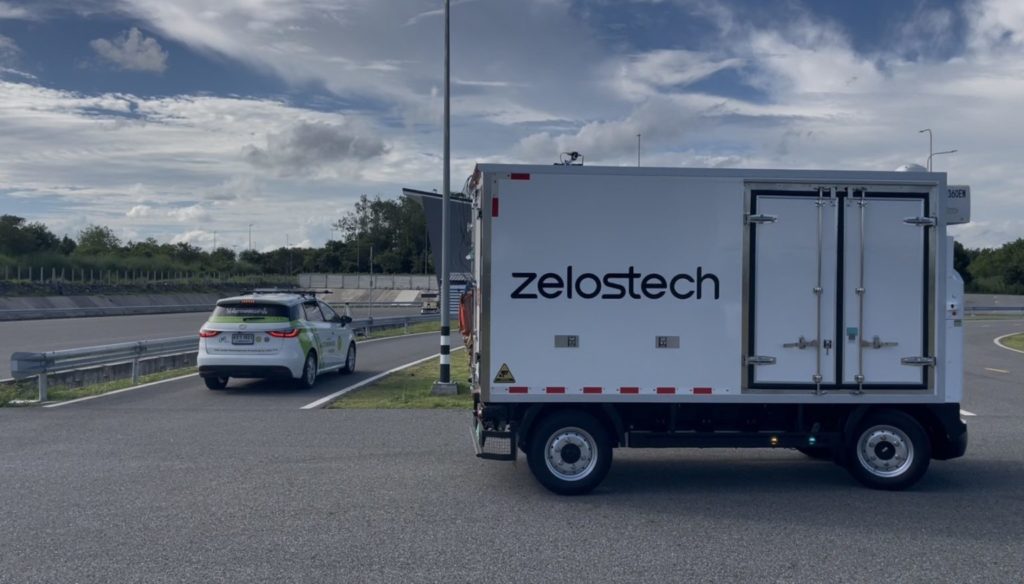
The testing was conducted with support from ZelosTech, using a Level 4 autonomous vehicle for freight transportation for testing in Thailand. The vehicle was tested in Thailand to assess its capabilities within a defined Operational Design Domain (ODD), enabling the project team to study its performance, limitations and system responses under conditions and environmental contexts relevant to Thailand.
Testing will be conducted from 1–10 September 2026, covering more than 20 test scenarios that reflect Thailand’s traffic conditions and operational contexts. These include collision avoidance involving cars, motorcycles and pedestrians; responses to traffic signals; turning across traffic flows; lane keeping and maintaining a safe distance from the vehicle ahead; as well as parking and merging into traffic lanes. The tests are designed to evaluate system performance in environmental perception, decision-making and safe responses.
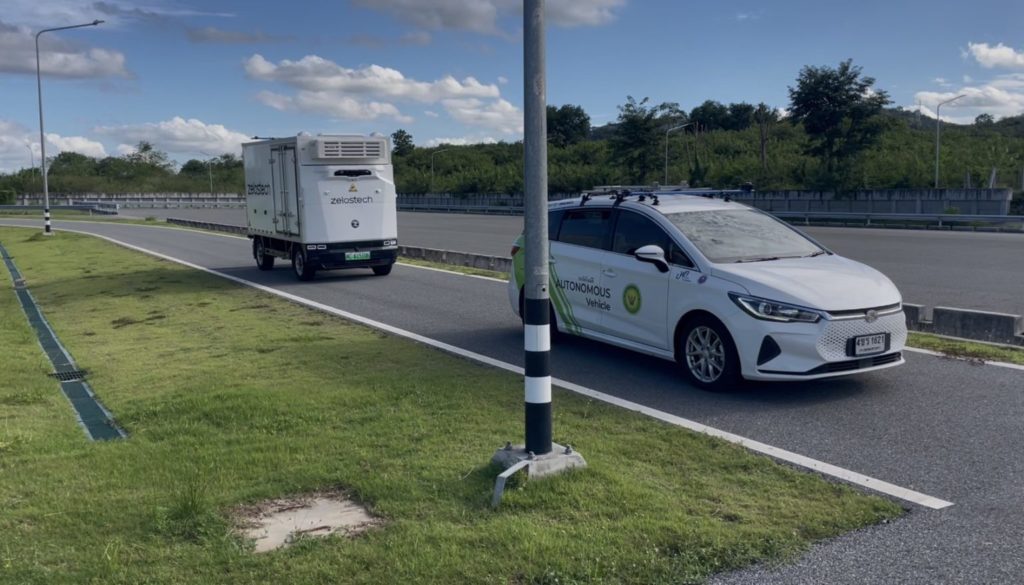
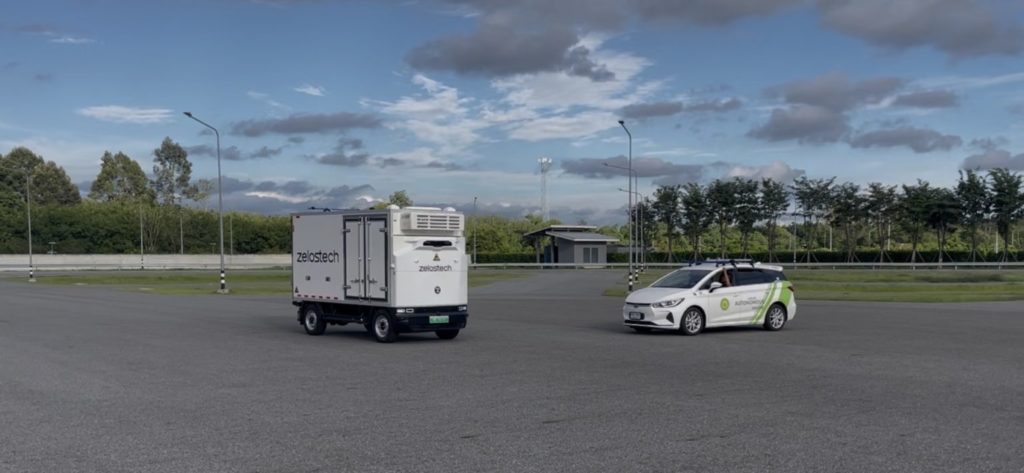
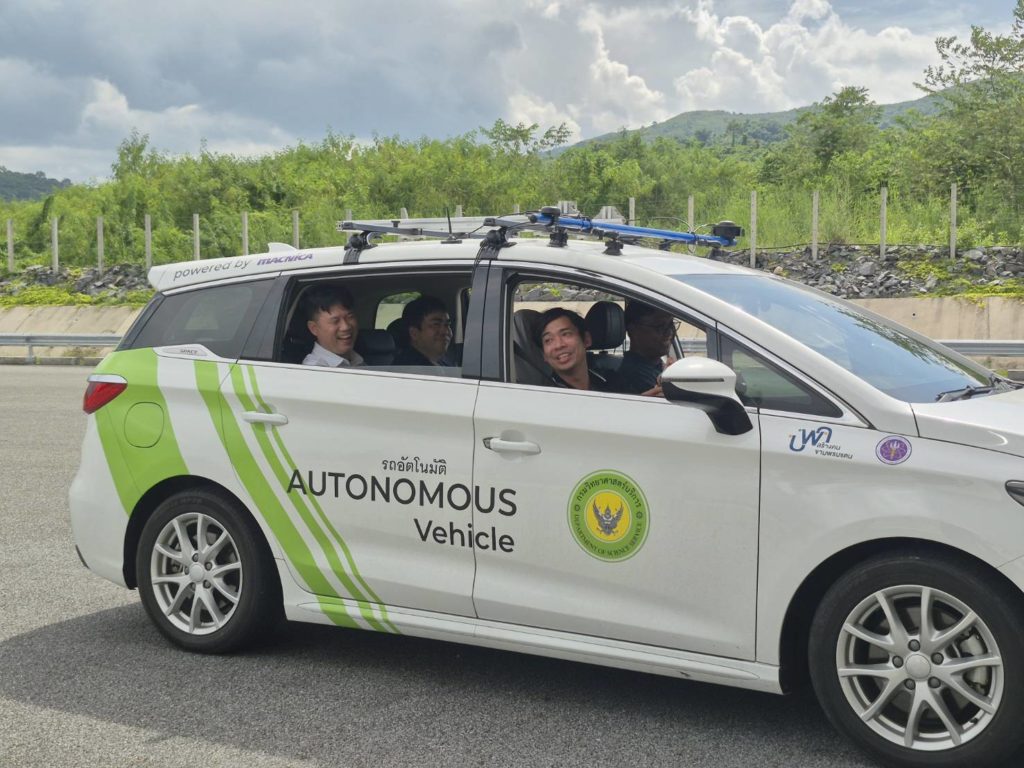
In addition to testing at T-CAVs, the project plans to expand testing to a closed area at the Eastern Seaboard Industrial Estate (ESIE) in Rayong Province. This will enable the study of autonomous vehicle performance in conditions closer to real-world use and the collection of data on road conditions, infrastructure, the operating environment and Thailand-specific factors. The findings will help assess the readiness and limitations associated with deploying CAV technologies in Thailand.
Data collected from the tests will be analyzed across technological, safety, infrastructure and operational-environment dimensions. The findings will support the development of policy recommendations, criteria, testing procedures and conditions for authorizing Level 3 and above CAV testing. The project will also examine the feasibility of conducting Level 4 CAV testing in suitable areas, such as closed facilities, industrial estates and areas within the Eastern Economic Corridor (EEC).
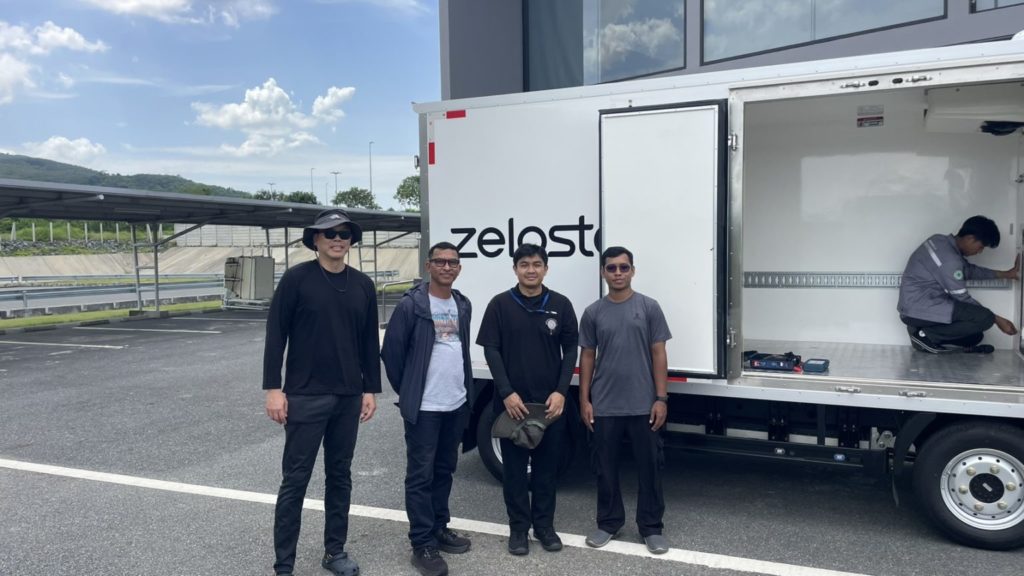
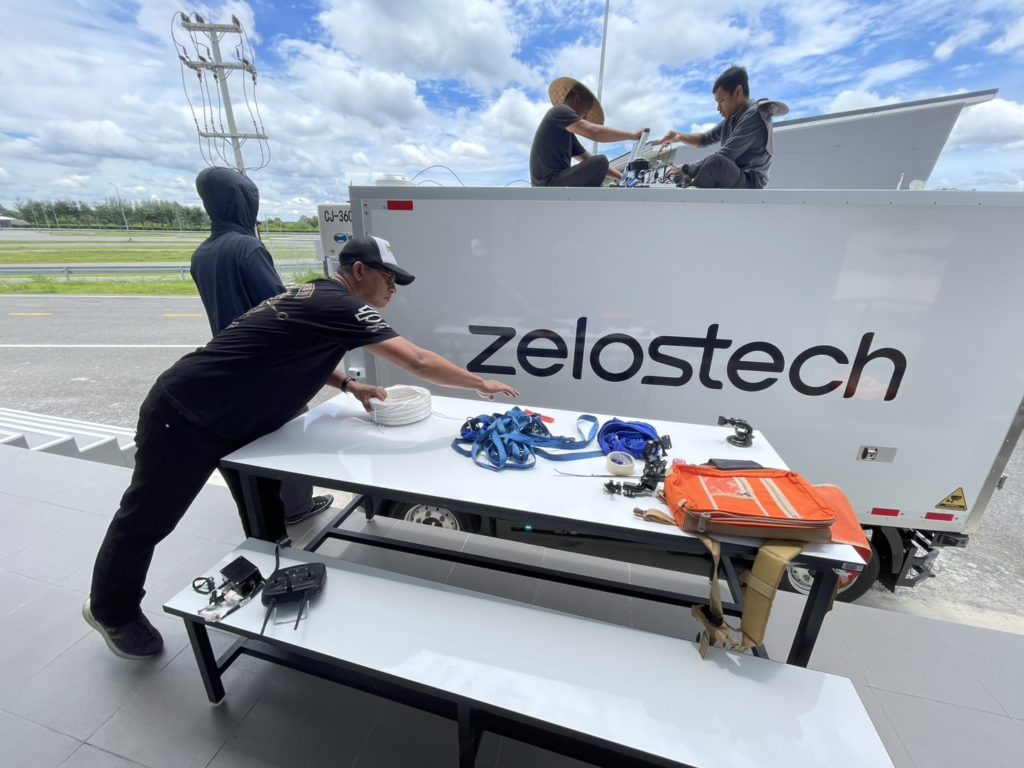
Thailand’s first Level 4 CAV test marks an important step in connecting “technology–testing–real-world data–policy.” It also demonstrates how the country’s higher education, science, research and innovation system can be leveraged to support evidence-based policymaking for future transportation systems.
The project will develop policy recommendations based on its findings and evidence, while contributing insights to the broader body of evidence used to analyse and consider an appropriate regulatory framework for CAV development in Thailand. The project’s outcomes will also contribute to laying the foundations for the development of testing infrastructure, knowledge base, a skilled workforce and domestic industry capabilities to support CAV development. The project will also help build confidence among technology developers and international investors, while supporting Thailand’s longer-term ambition to become a regional hub for autonomous vehicle testing and technology development.