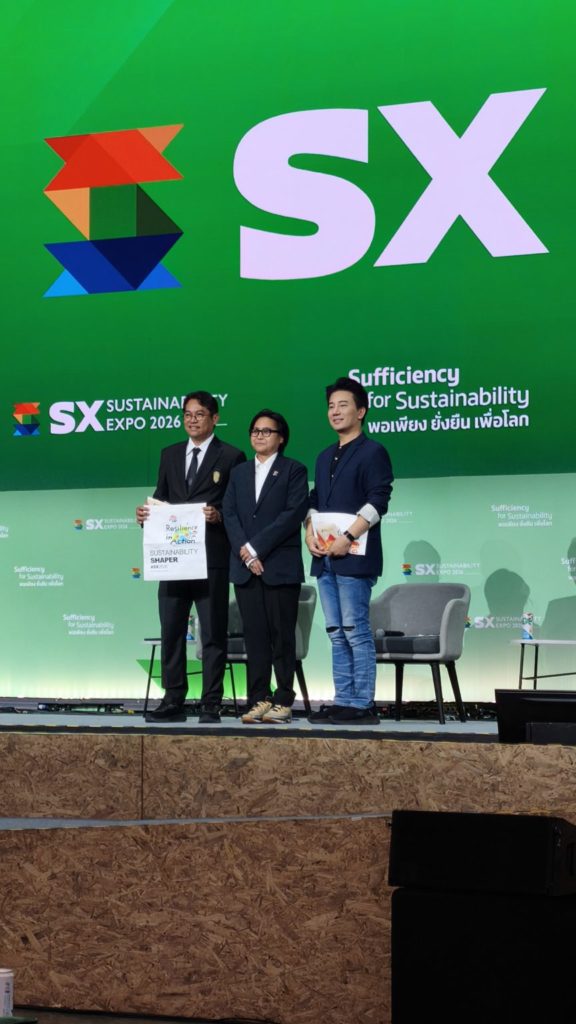
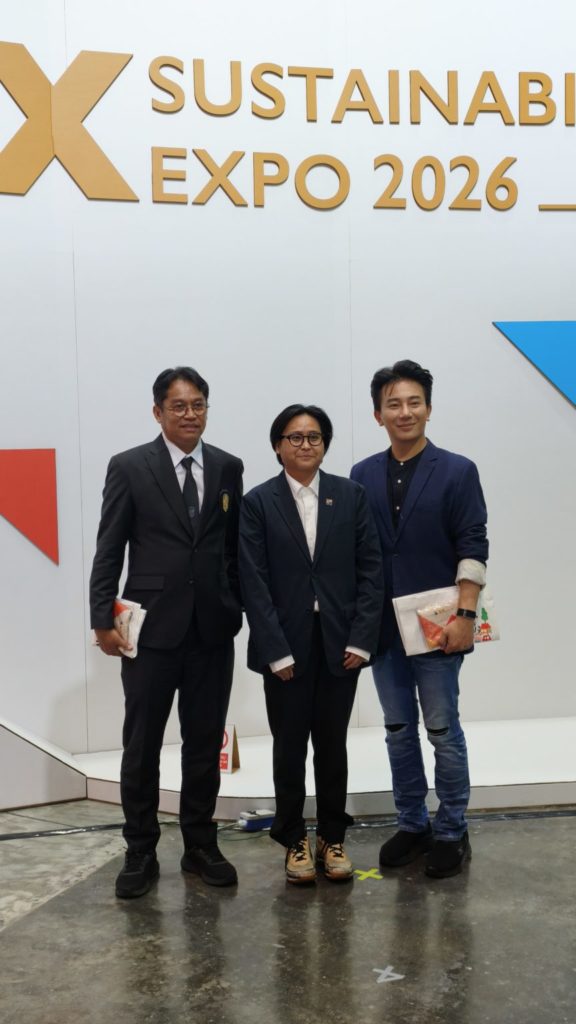
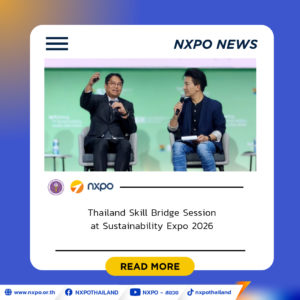
On 13 November 2026, Prof. Dr. Surin Khomfoi, Vice President of NXPO, joined a session on Thailand Skill Bridge during Sustainability Expo 2026, held at the Queen Sirikit National Convention Center. He shared approaches to developing a workforce that can meet the demands of emerging industries, emphasizing the need to update curricula in line with technological advances, integrate knowledge across disciplines, and provide students with practical work experience.
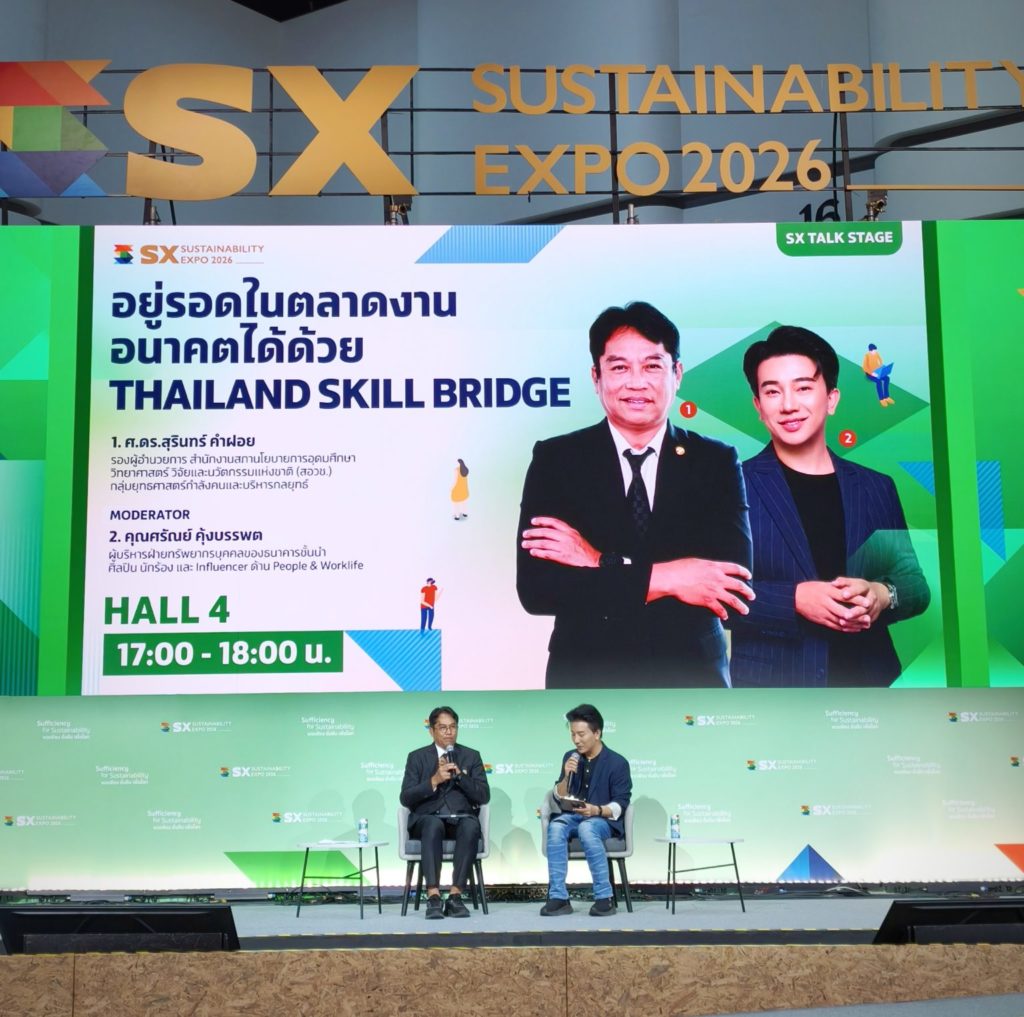
Prof. Surin noted that the future job market would no longer be clearly divided between science and arts disciplines, as it has been in the past. Universities must therefore adapt their curricula to address both areas. Curricula in science, technology, engineering, and mathematics (STEM) must be regularly updated to keep pace with technological advancements. Meanwhile, non-STEM programs need to incorporate more STEM-related knowledge and skills, while offering students opportunities to learn across disciplines and greater flexibility in changing their study pathways.
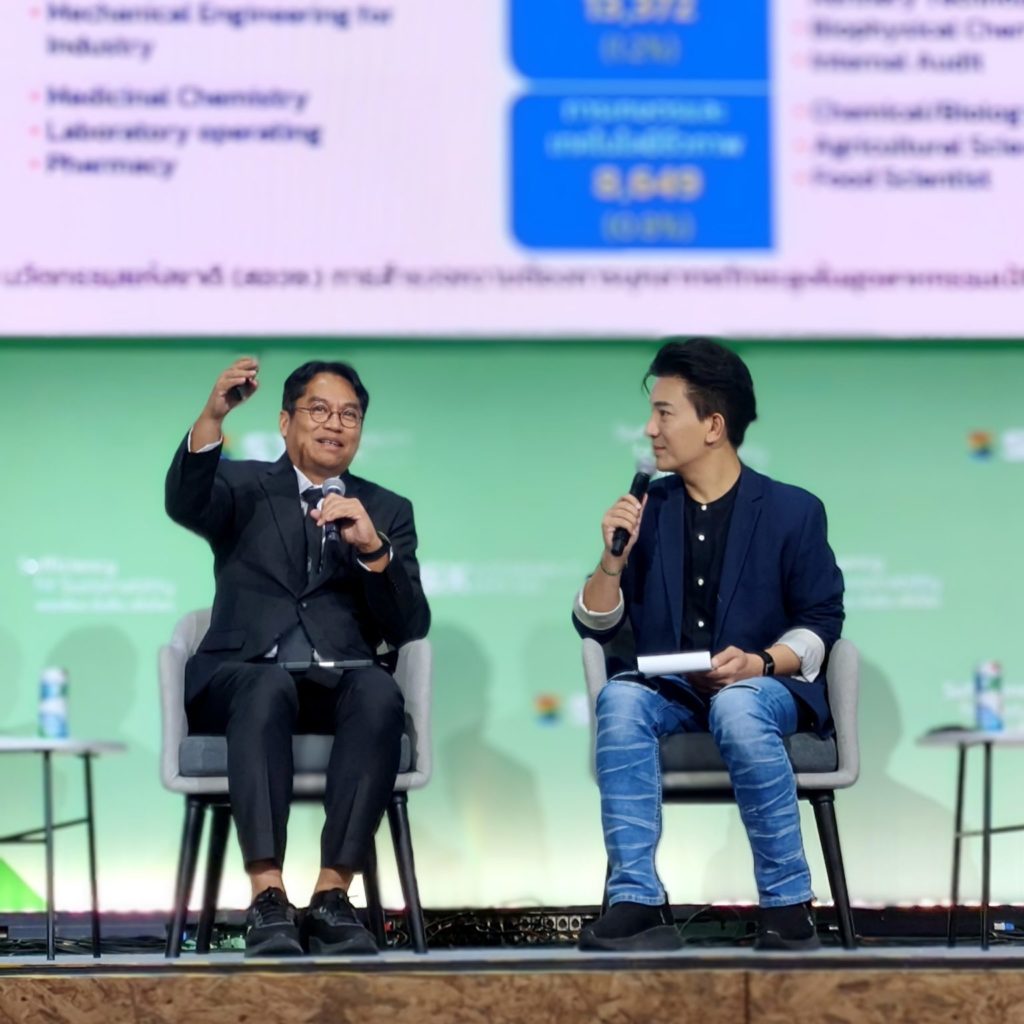
Beyond academic knowledge, students also need to develop soft skills, particularly the ability to work with others and adapt to changing circumstances. These skills are becoming increasingly important in the age of artificial intelligence and can be cultivated through extracurricular activities and experiential learning. Through academia-industry collaboration, students can gain hands-on work experience while studying, allowing them to apply their knowledge, develop teamwork skills, and strengthen their adaptability.
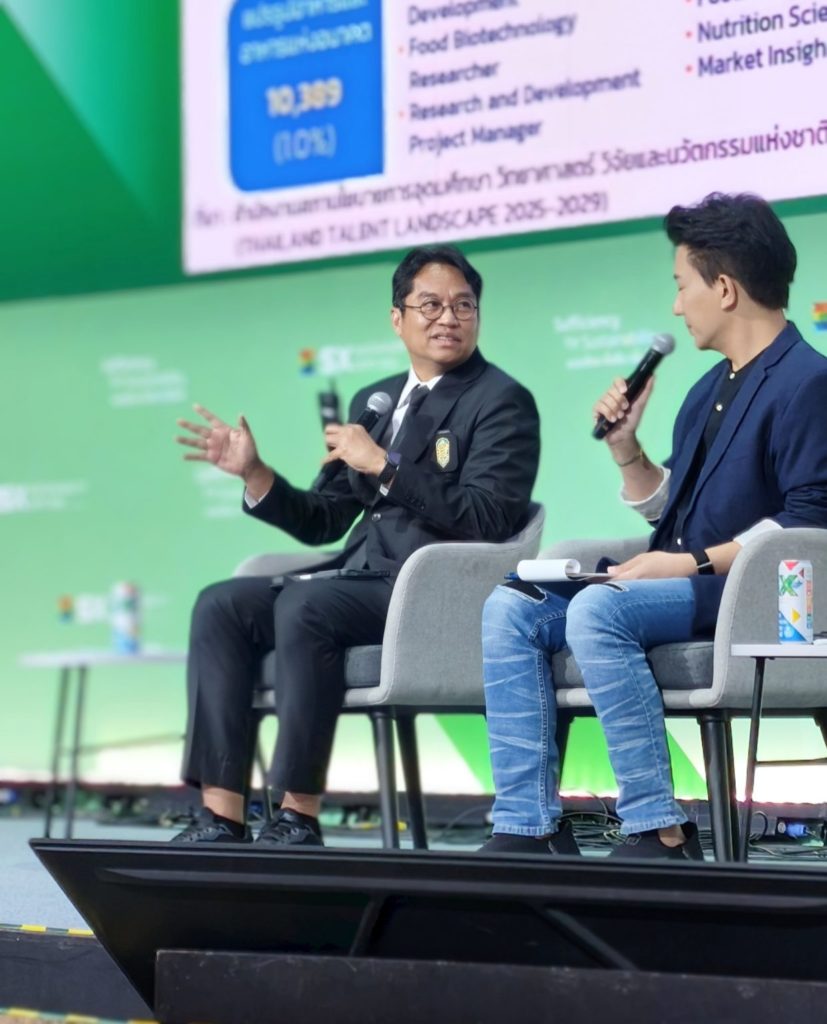
Prof. Surin also explained that Thailand Skill Bridge aims to promote interdisciplinary learning, foster collaboration among universities, and facilitate coordination across ministries to ensure that workforce development responds to labor market needs. It also seeks to provide people of all ages with access to learning and opportunities to develop their skills throughout their lives.
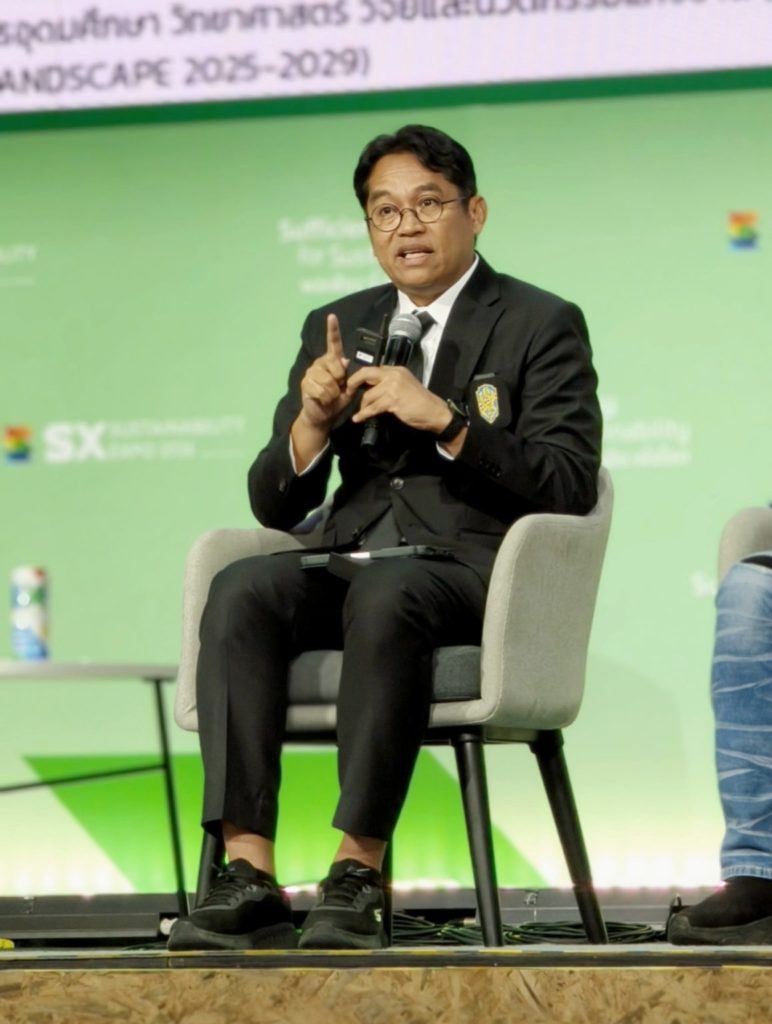
NXPO contributes to these efforts through initiatives such as the Thailand Future Skill Map, the Thailand Talent Landscape, and the STEMPlus platform. These initiatives help align academic programs and support measures with industrial workforce needs, ensuring that education planning and skills development respond to employment opportunities and the country’s industrial development priorities.