As climate change is increasingly affecting economies, trade, and people’s quality of life around the world, Thailand needs to accelerate its adaptation in terms of policies, technologies, and workforce development to support the transition toward a green economy.
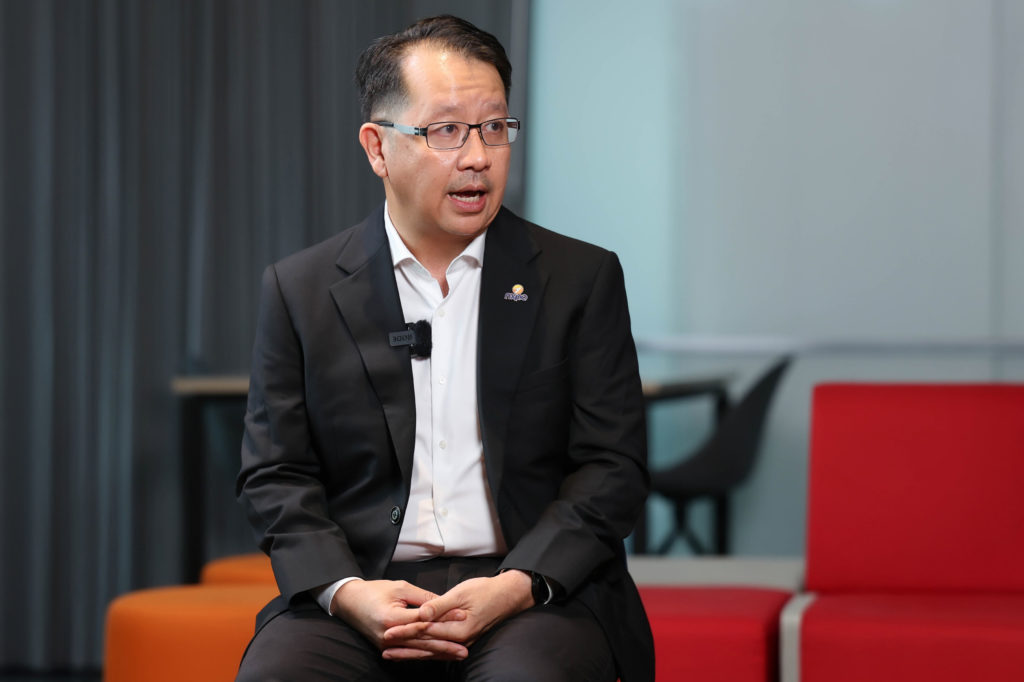
Assoc. Prof. Wongkot Wongsapai, Vice President of NXPO, highlighted the wide-ranging impacts of climate change, including rising sea levels, increasing average temperatures, and more severe natural disasters, as well as its impacts on economic sectors, particularly agriculture and industry, and on Thai businesses of all sizes.
He added that Thai businesses are currently facing new global trade rules, particularly the European Union’s Carbon Border Adjustment Mechanism (CBAM), which requires imported goods to disclose greenhouse gas emissions throughout the production process. As the Thai steel and aluminum industries are among the first sectors to be affected by the initial phase of CBAM, they must accelerate efforts to improve energy efficiency in their production processes and adopt more environmentally friendly practices in order to remain competitive in the European market. In the longer term, however, the measure will be expanded to cover many more products, requiring businesses, particularly SMEs in supply chains, to raise their environmental standards alongside other aspects of competitiveness.
Assoc. Prof. Wongkot said that the green transition must proceed in parallel with the digital transition, known as the Twin Transition. Digital technologies, particularly artificial intelligence (AI), will be important tools for calculating carbon emissions, reducing costs, and improving production efficiency in the industrial sector.
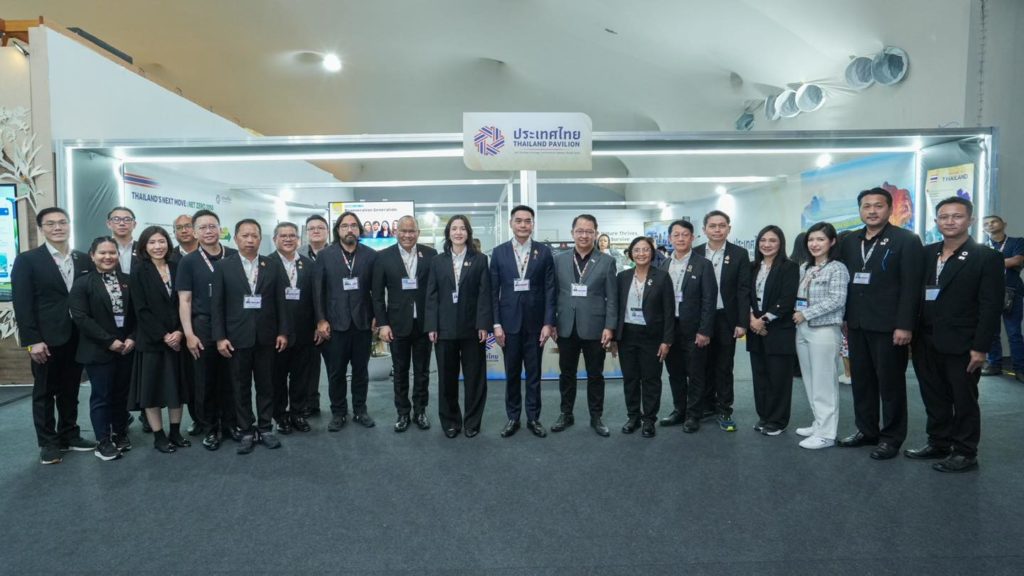
At the international level, NXPO serves as Thailand’s National Designated Entity (NDE) for technology transfer and participates in the Conference of the Parties (COP), both under the United Nations Framework Convention on Climate Change (UNFCCC). In addition, NXPO has conducted the Technology Needs Assessment (TNA) to assess the country’s technology needs in four strategic sectors: energy and agriculture in terms of greenhouse gas mitigation; and water resources management and human settlements and human security in terms of climate change adaptation. The findings will subsequently transfer to the industrial sector and inform national workforce development efforts.
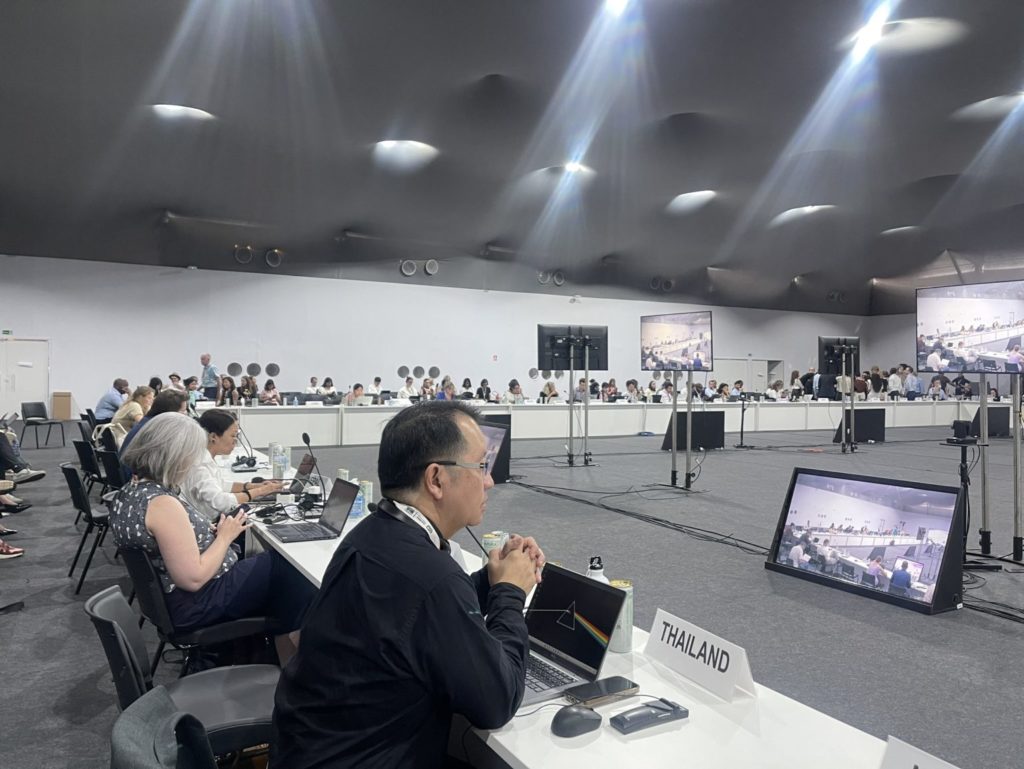

Regarding the PM2.5 air pollution problem, Assoc. Prof. Wongkot said that NXPO is currently compiling knowledge and technologies from agencies under the Ministry of Higher Education, Science, Research and Innovation (MHESI) to develop long-term policy recommendations covering prevention, mitigation, response, situation monitoring, and assessment of technology gaps. NXPO is also advancing science diplomacy to build cooperation with neighboring countries in addressing transboundary haze pollution, with networks of researchers and universities serving as key mechanisms for transferring knowledge and technologies.
In water management, NXPO is working with the Hydro-Informatics Institute (HII) to promote the use of the National Hydroinformatics Data Center (NHC), along with monitoring and early warning systems, to improve water management efficiency and prepare for increasingly severe climate variability.
Assoc. Prof. Wongkot emphasized that human capital is at the heart of the sustainability transition. NXPO is therefore supporting the development of a green workforce through various approaches, including developing skill requirements for environmental and sustainability-related fields to guide curriculum development in higher education institutions. NXPO is also connecting industrial workforce demand with graduate production through skill matching, enabling workers to adapt to future industrial transitions.
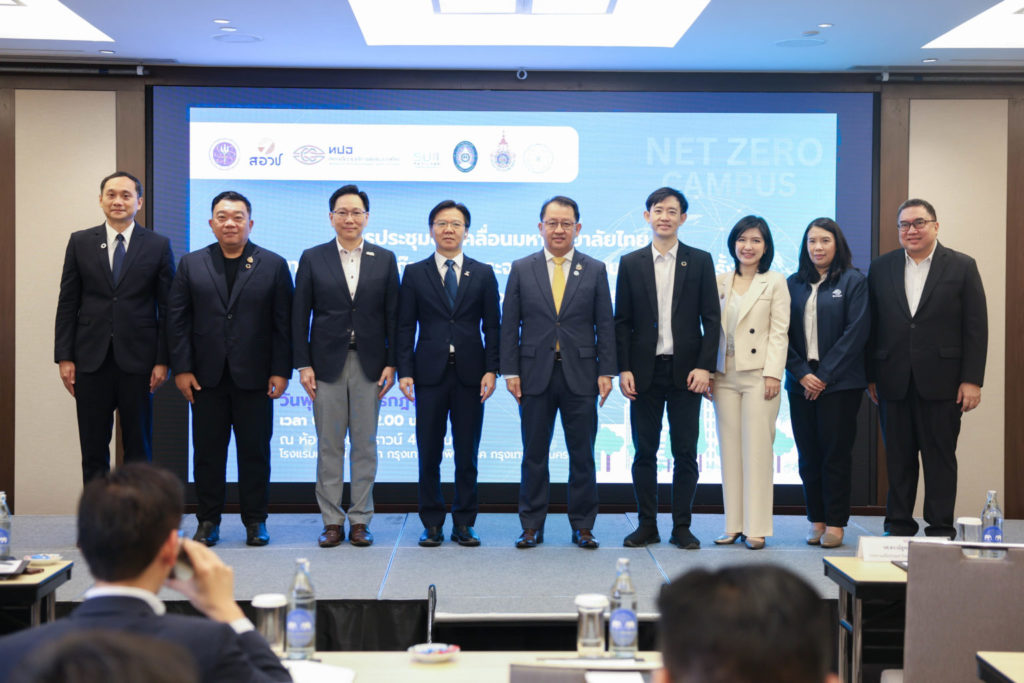
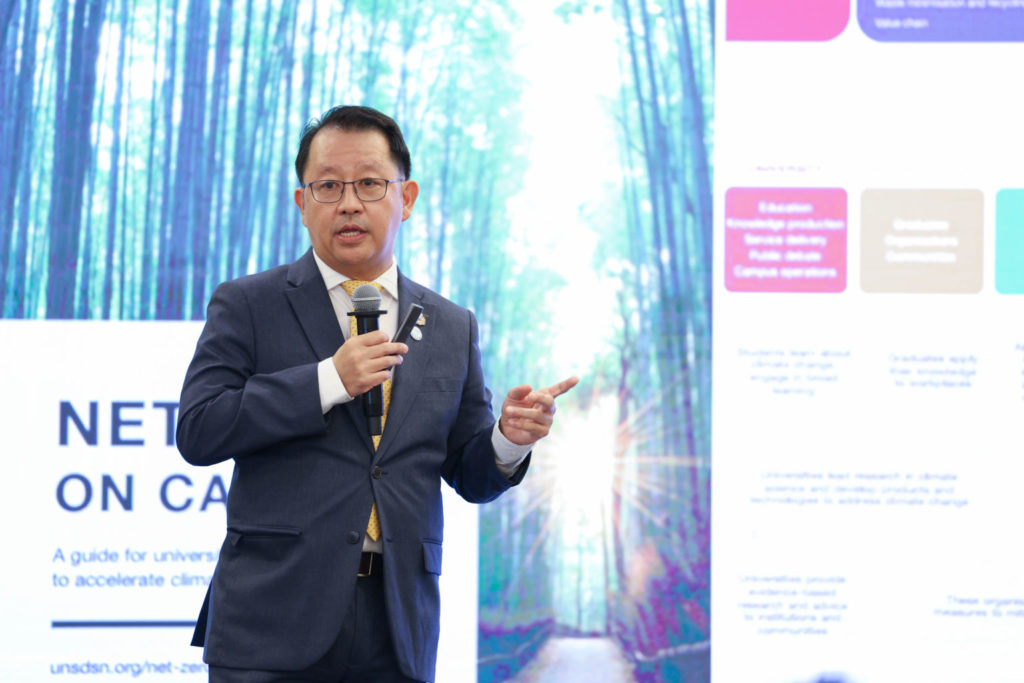
Another key initiative is the Net Zero Campus, in which nearly 100 public and private universities have committed to reducing greenhouse gas emissions, adapting curricula and teaching, and developing graduates with sustainability skills. This is being complemented by the expansion of the Saraburi Sandbox, a low-carbon city model that integrates cooperation among the public sector, private sector, academia, and communities. There are plans to expand the model to other areas to support the country’s energy transition.


Over the next three to five years, NXPO aims to support the reduction of approximately 10 million tons of greenhouse gas emissions through the Net Zero Campus and Sandbox projects. At the same time, mechanisms will be established to embed carbon reduction in the country’s industrial sector, education system, and workforce development, ensuring that emission reductions continue over the long term rather than being limited to short-term projects. In line with the focus on biodiversity emphasized by Prof. Dr. Yodchanan Wongsawat, Deputy Prime Minister and Minister of Higher Education, Science, Research and Innovation, NXPO is preparing policy recommendations on nature positive, which focuses on restoring and enhancing biodiversity. This is emerging as another important global goal being advanced alongside the net zero target.

“Sustainability requires a system that can continuously support carbon reduction over the long term. NXPO will therefore continue to develop new workforce skills, support research and innovation, and formulate policies to address climate change and advance the nature positive concept, enabling Thailand to strengthen its competitiveness and achieve sustainable growth,” Assoc. Prof. Wongkot concluded.