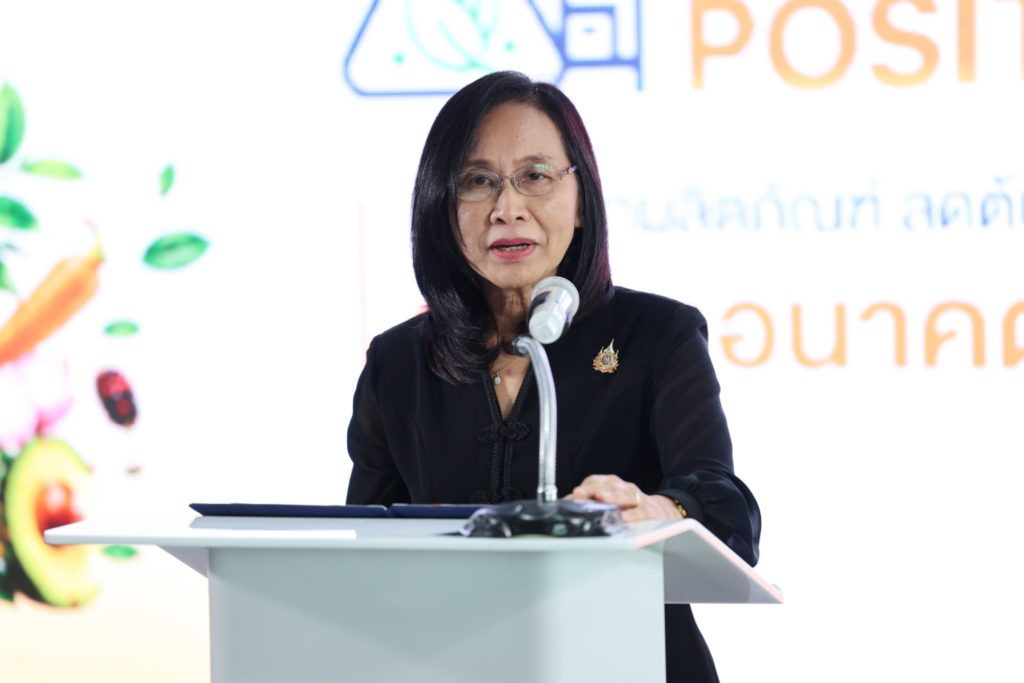
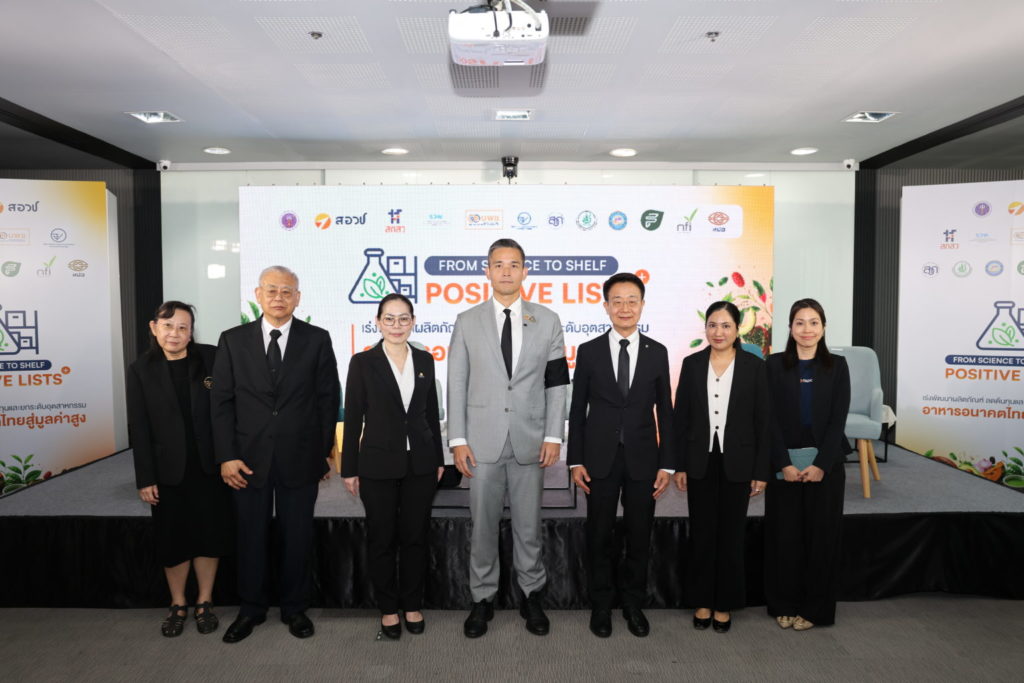
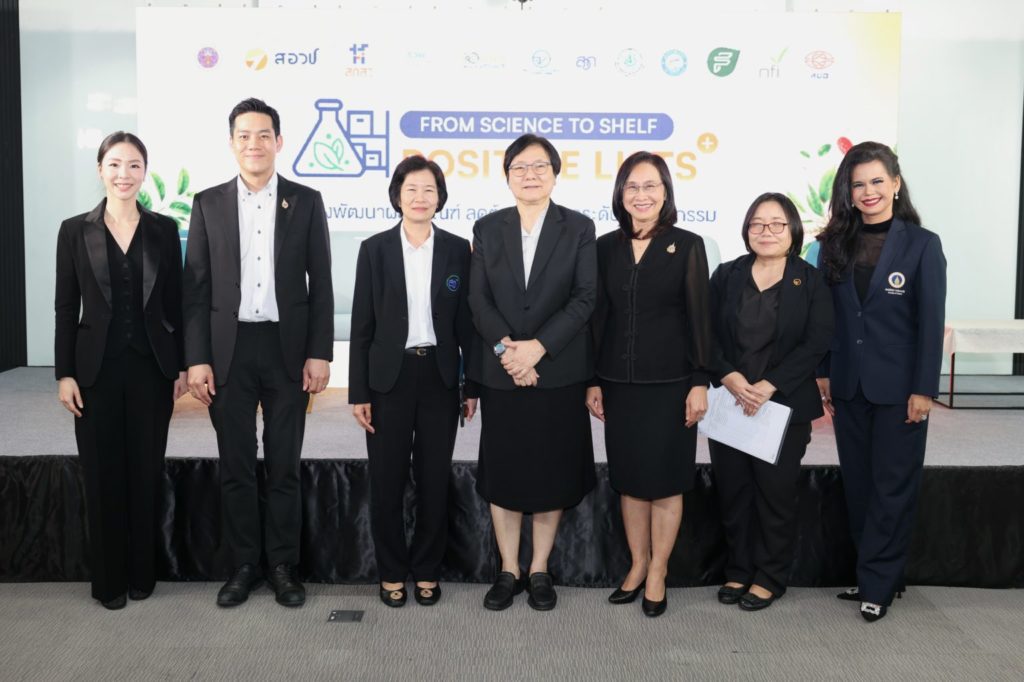
On 24 July 2026, MHESI-NXPO, in collaboration with the Thai Food and Drug Administration (Thai FDA), the Program Management Unit for Competitiveness (PMUC), the Agricultural Research Development Agency (ARDA), the Thailand Science, Research and Innovation (TSRI), the National Bureau of Agricultural Commodity and Food Standards (ACFS), the National Food Institute (NFI), the Thai Chamber of Commerce, the Thai Future Food Trade Association, the Council of University Presidents of Thailand (CUPT), and other partner organizations, hosted the “Positive Lists: From Science to Shelf” event.
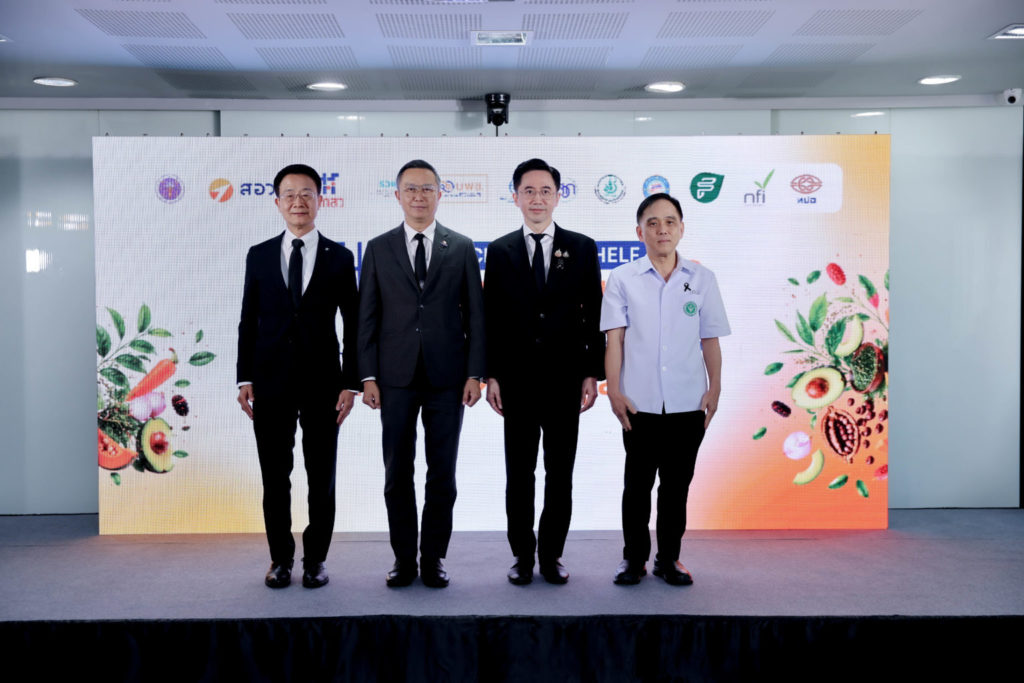
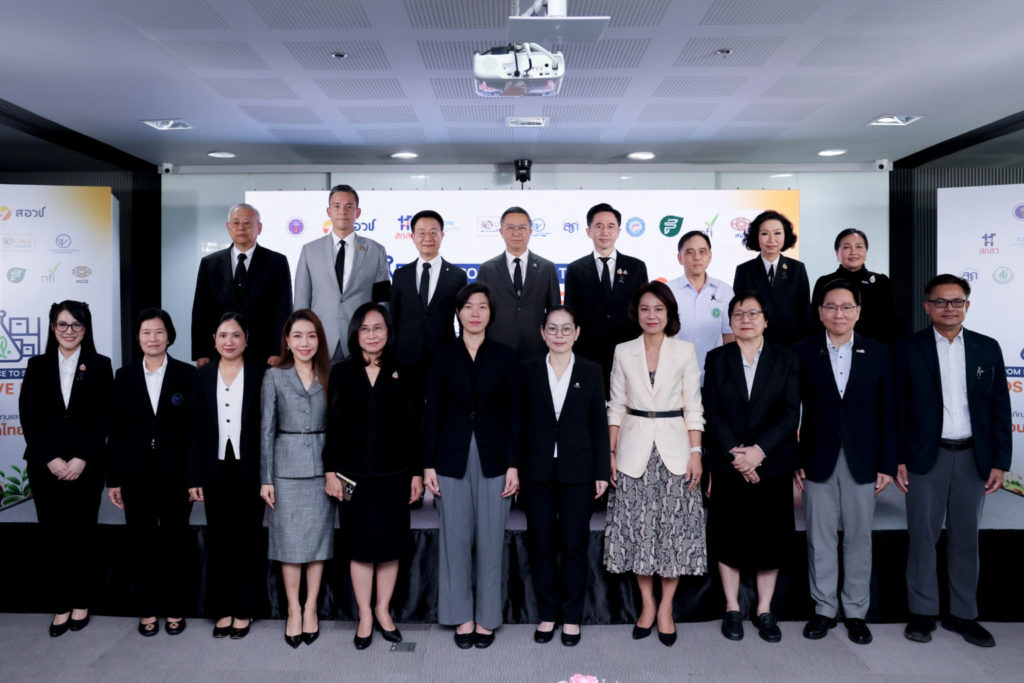
The event brought together government agencies, research organizations, academia, and the private sector to strengthen collaboration in advancing Thailand’s future food industry. It highlighted the progress and achievements of the Positive Lists initiative, shared practical guidance for enterprises on using the lists to develop products and make science-based function claims, and introduced a monitoring mechanism to evaluate the economic impact of the initiative.
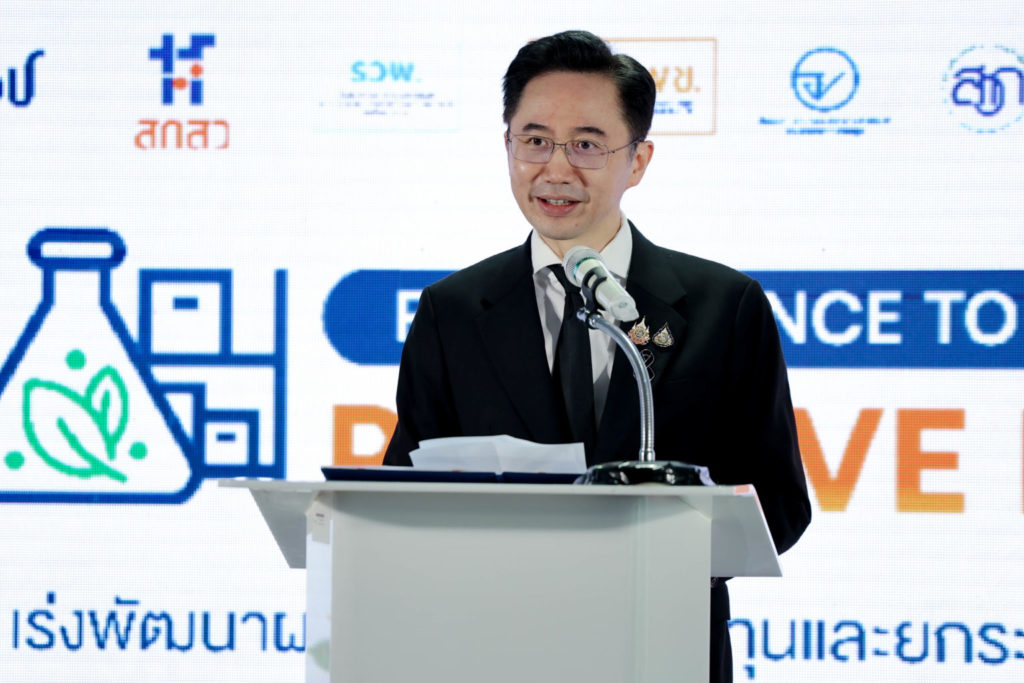
In his congratulatory remarks, Prof. Dr. Yodchanan Wongsawat, Deputy Prime Minister and Minister of Higher Education, Science, Research and Innovation (MHESI), emphasized that the Positive Lists represent a key innovation infrastructure that reduces development costs, shortens time-to-market, and streamlines the development of future food products. He noted that the initiative aligns with MHESI’s policy of translating research and innovation into practical applications, fostering an innovation-driven economy, and strengthening Thailand’s global competitiveness.
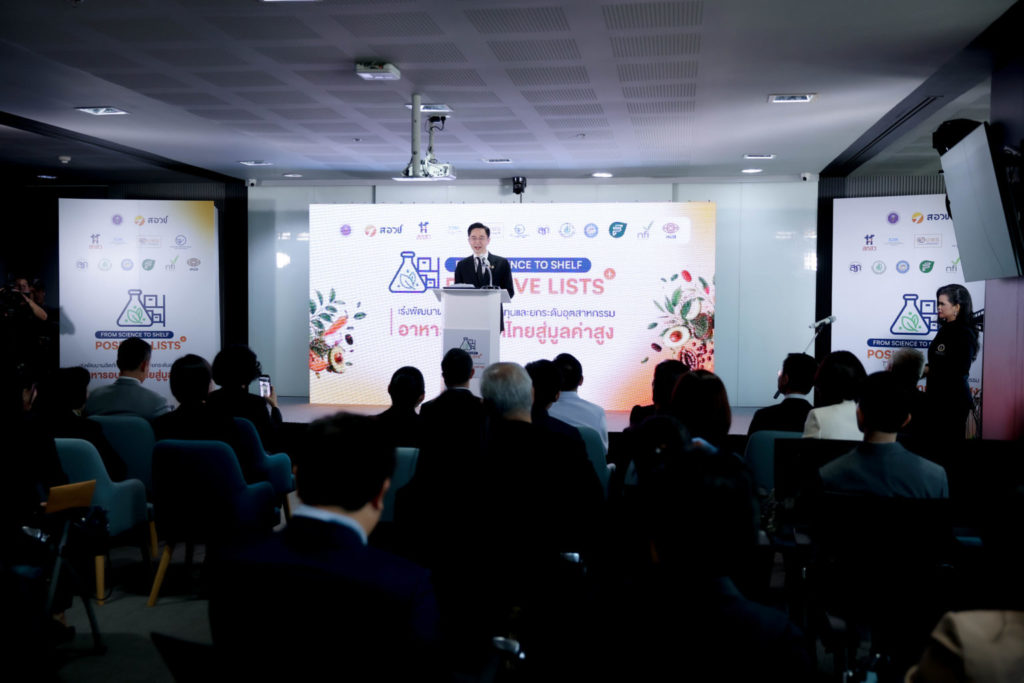
“The Positive Lists are a systemic mechanism that enhances innovation agility, builds confidence among businesses and consumers, and supports the transformation of Thailand’s food industry from the production and export of primary agricultural commodities to a high-value, innovation-driven agro-food industry,” said Minister Yodchanan.
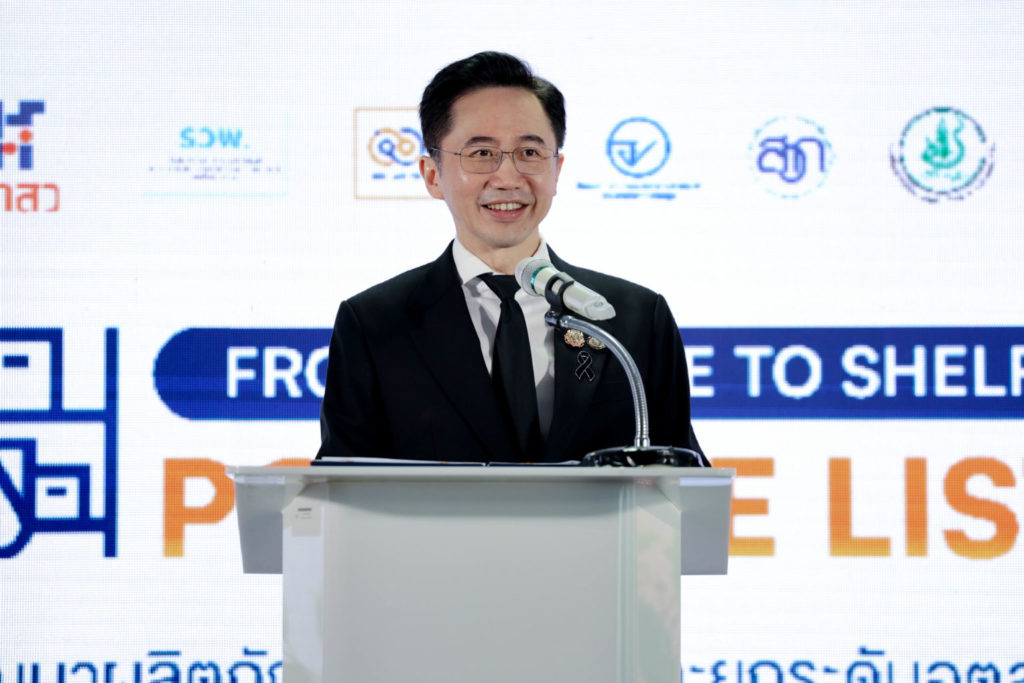
He reaffirmed MHESI’s commitment to expanding the initiative through stronger cross-sector collaboration. The Ministry will continue to support the development of internationally recognized knowledge and data resources, promote the commercialization of research, empower Thai enterprises—particularly SMEs and startups—to compete in global markets, and strengthen the innovation ecosystem underpinning Thailand’s future food industry.
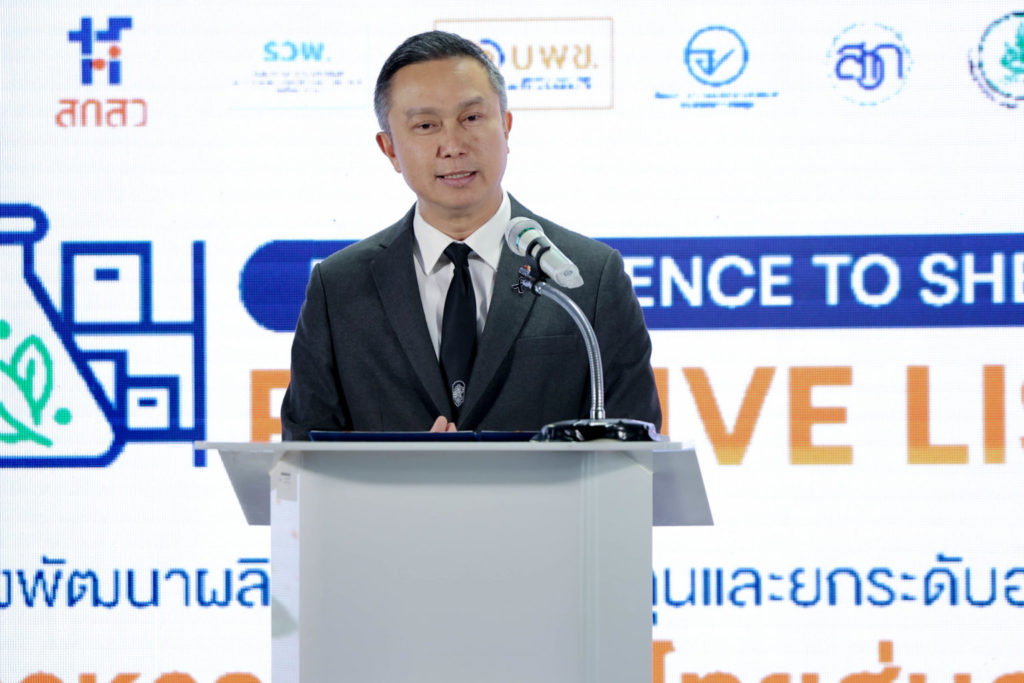
Dr. Surachai Sathitkunarat, President of NXPO, noted that Thailand has long been recognized as the “Kitchen of the World” due to its strong agricultural base, rich biodiversity, and capable entrepreneurs. In 2025, Thailand’s future food market was valued at approximately THB 356 billion, growing at an average annual rate of 8.6%. Health foods and functional ingredients accounted for 89% of the market, demonstrating the opportunity to add value to Thai agricultural resources—including black ginger, ginger, holy basil, turmeric, and cocoa—through the development of functional ingredients and premium health food products. He stressed that Thailand must now evolve from a Food Producer into a Food Innovator.
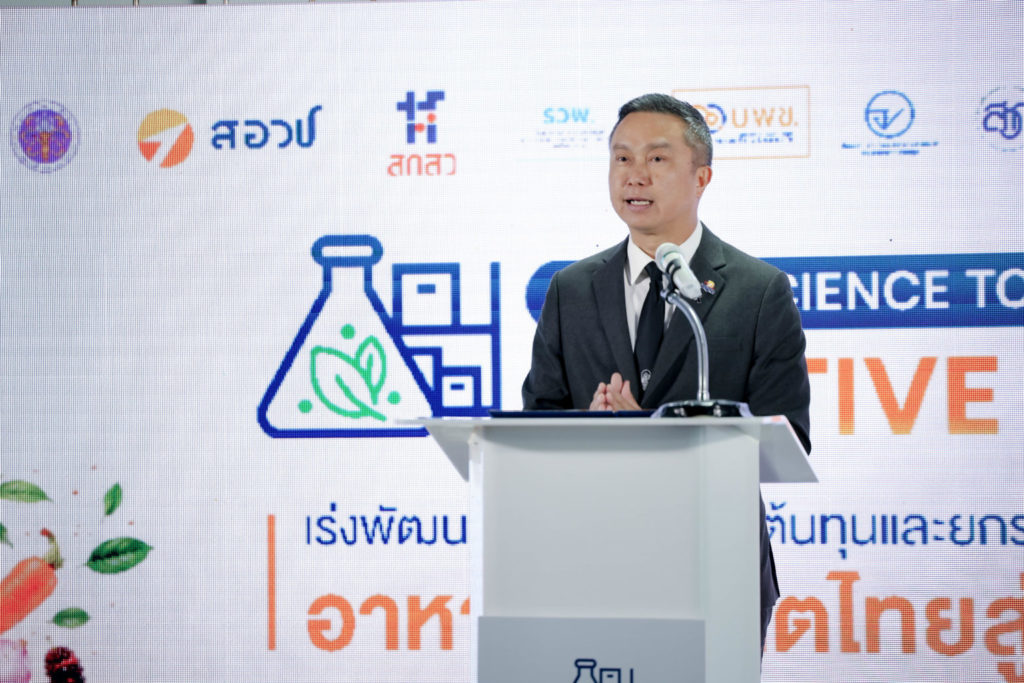
Dr. Surachai added that Thailand’s higher education, science, research, and innovation system will play a pivotal role in this transformation. Together with partner organizations, it has set a strategic goal of increasing the country’s agriculture and food market to THB 4.7 trillion by 2032, while expanding the future food sector to THB 1.2 trillion, accounting for 25% of the total market. Achieving Thailand’s vision of becoming the Future Food Innovation Hub of Asia will require simultaneous efforts to strengthen the future food industry, develop indigenous technologies, and build both talent and future markets.
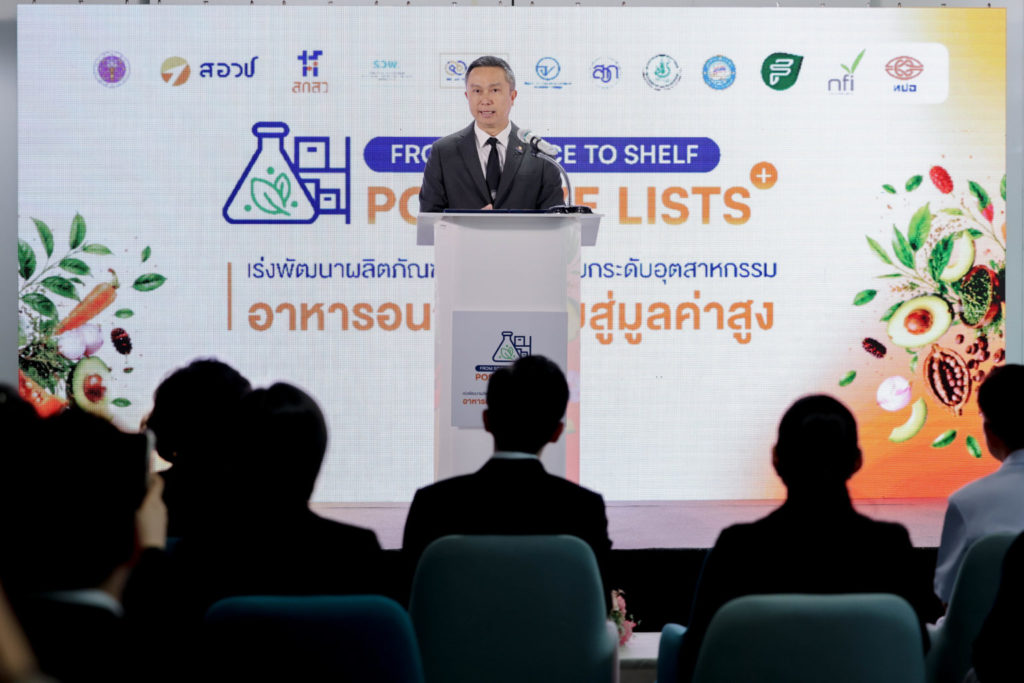
Mr. Morakot Jaroonwattana, Senior Advisor on Safety, Effectiveness and Use of Health Products at the Thai FDA, described the Positive Lists as a practical example of translating scientific research and evidence into commercially viable products. He explained that the initiative establishes a national reference framework through collaboration among multiple stakeholders, creating greater opportunities to develop high-value products while leveraging Thailand’s biodiversity, agricultural strengths, and science, technology, and innovation capabilities to enhance the country’s competitiveness.
The Positive Lists for Other Function Claims provide a standardized list of approved function claims for foods and food ingredients supported by scientific evidence. The framework enables manufacturers to use pre-approved bioactive compounds more efficiently, reduces the need for case-by-case scientific substantiation, and accelerates product commercialization. To date, 16 function claims have been approved, covering ingredients such as beta-glucans from oats and barley, chicory inulin, cocoa flavanols, and green tea catechins. In addition, more than 48 bioactive compounds derived from Thai raw materials are currently undergoing research and scientific evaluation, with the long-term goal of expanding the Positive Lists to 150 approved claims.
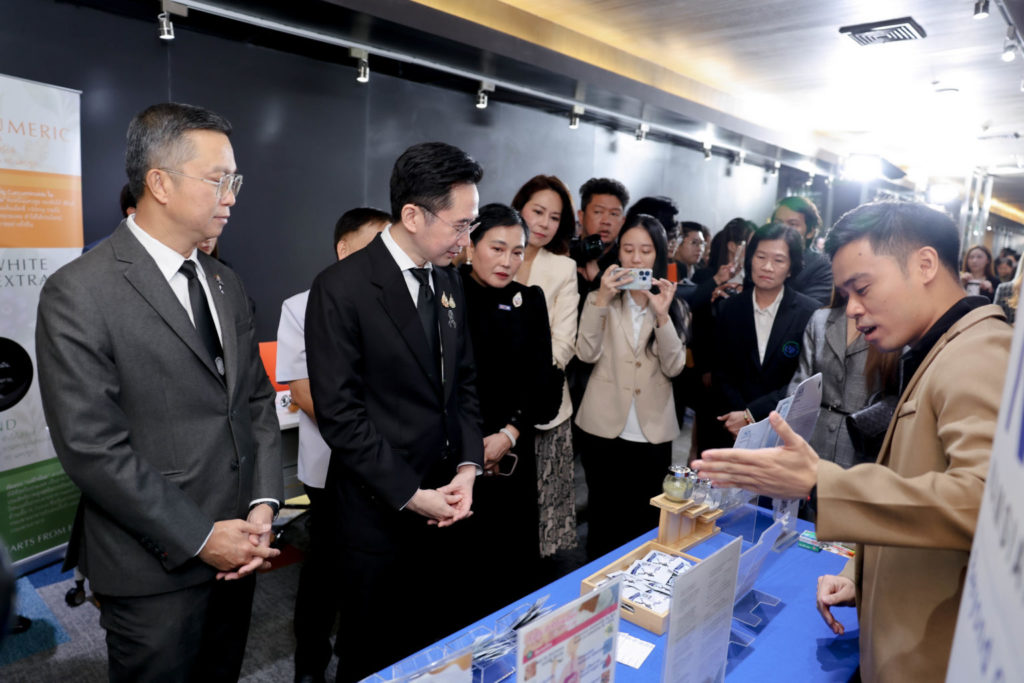
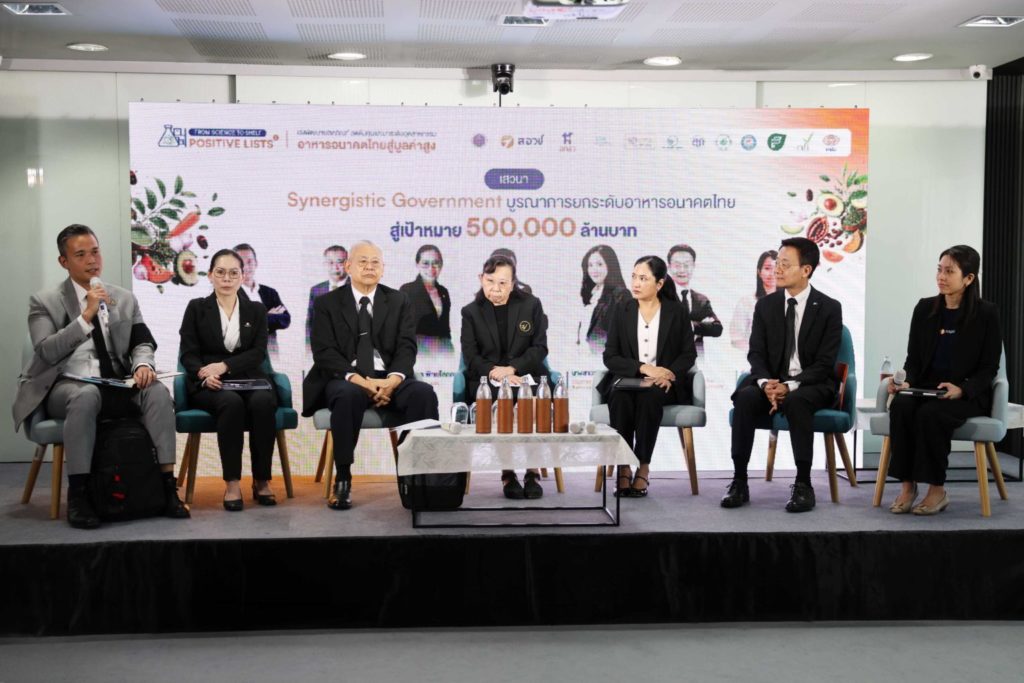
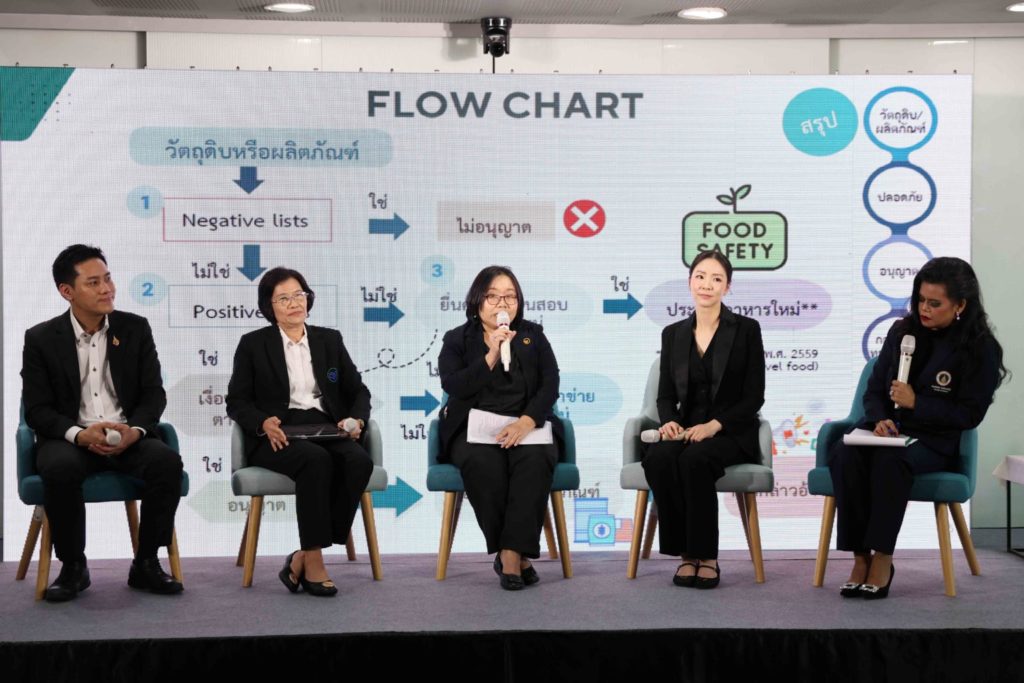
The event also featured the panel discussion “Synergistic Government: Integrating Efforts to Advance Thailand’s Future Food Industry toward a THB 500 Billion Target,” bringing together representatives from NXPO, the Thai FDA, ACFS, and the Thai Chamber of Commerce to discuss cross-agency collaboration. Dr. Visit Limlurcha, Vice Chairman of the Thai Chamber of Commerce and President of the Thai Future Food Trade Association, expressed confidence that Thailand could achieve its THB 500 billion future food industry target by 2027, driven by sustained growth in the functional food and functional ingredient sectors, which represent the country’s largest future food export segment. Another panel discussion, “Winning the Claim Game: Positive Lists – Faster Claims, Greater Opportunities for Thai Enterprises,” provided practical guidance on applying the Positive Lists for product development and accurate health claim communication. The event also featured exhibitions and consultation services from participating agencies to help businesses navigate the Positive Lists framework.
The collaboration marks an important milestone in building a “From Science to Shelf” ecosystem in Thailand by connecting research, indigenous raw materials, scientific evidence, regulations, standards, and markets. By accelerating innovation, reducing barriers to commercialization, and creating new opportunities for enterprises, the initiative is expected to strengthen Thailand’s future food industry and reinforce the country’s ambition to become the Future Food Innovation Hub of Asia.