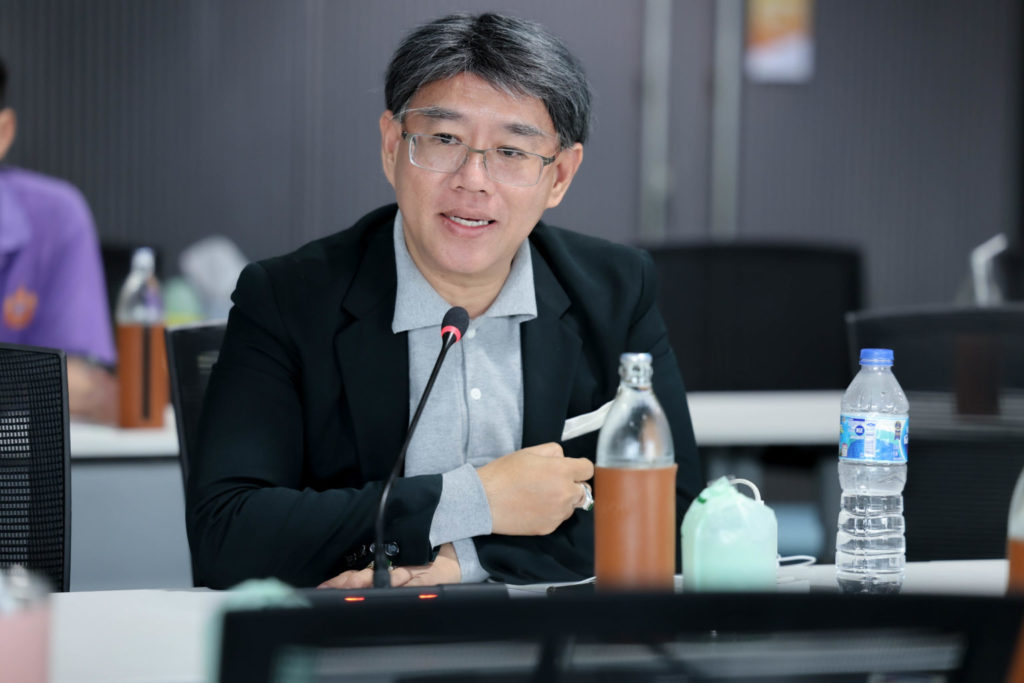
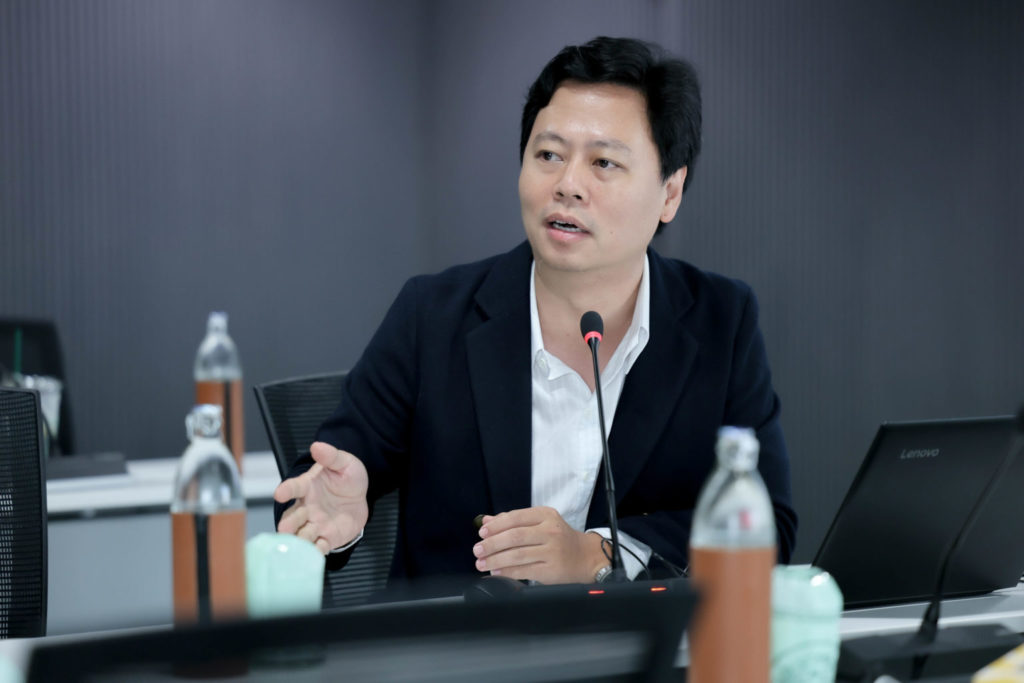
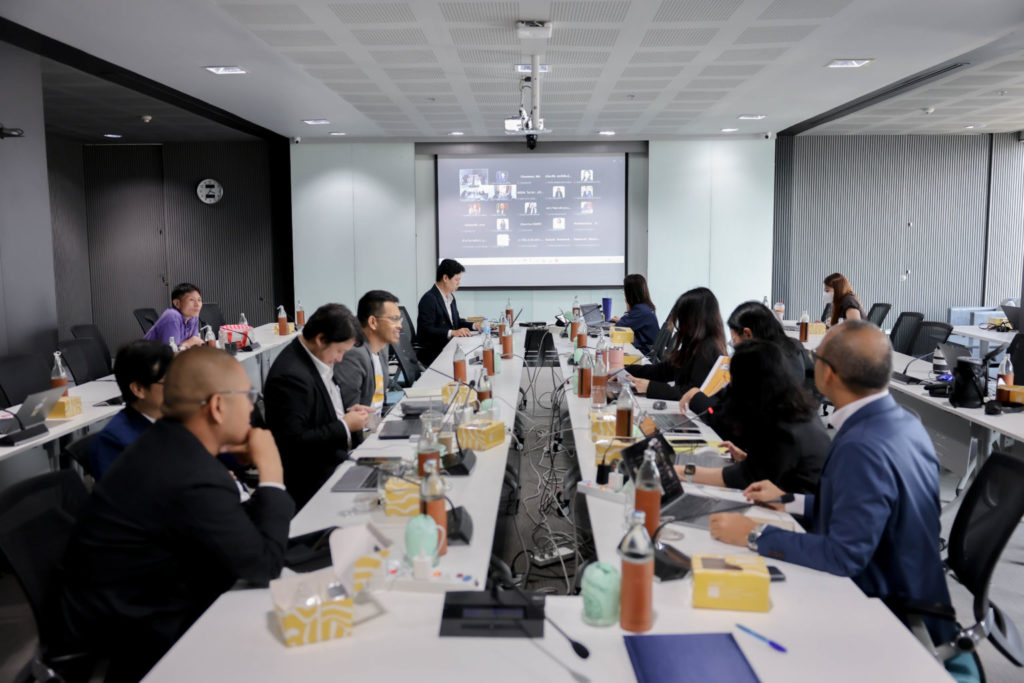
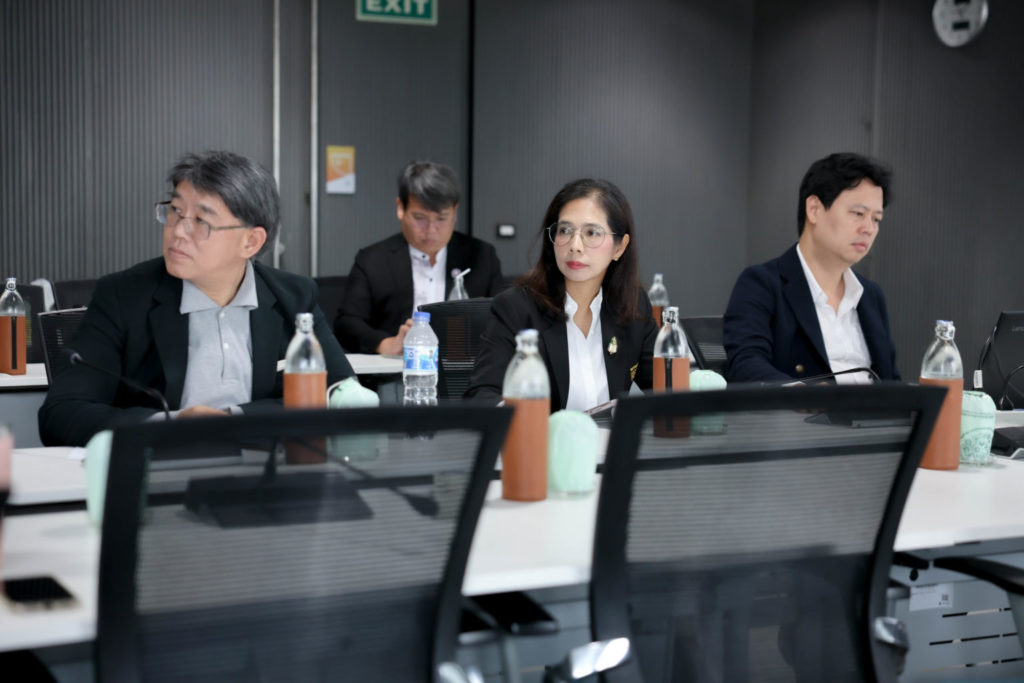
NXPO, in collaboration with Thaksin University, hosted the Social Innovation Index Kick-off Event on 30 April 2026. The hybrid event brought together more than 120 participants—both in person and online—from higher education institutions and related organizations nationwide, reflecting strong interest in the development of a social innovation index. The meeting was opened by Asst. Prof. Dr. Suppakorn Poonyarith, Vice President of NXPO, who delivered the welcome remarks.
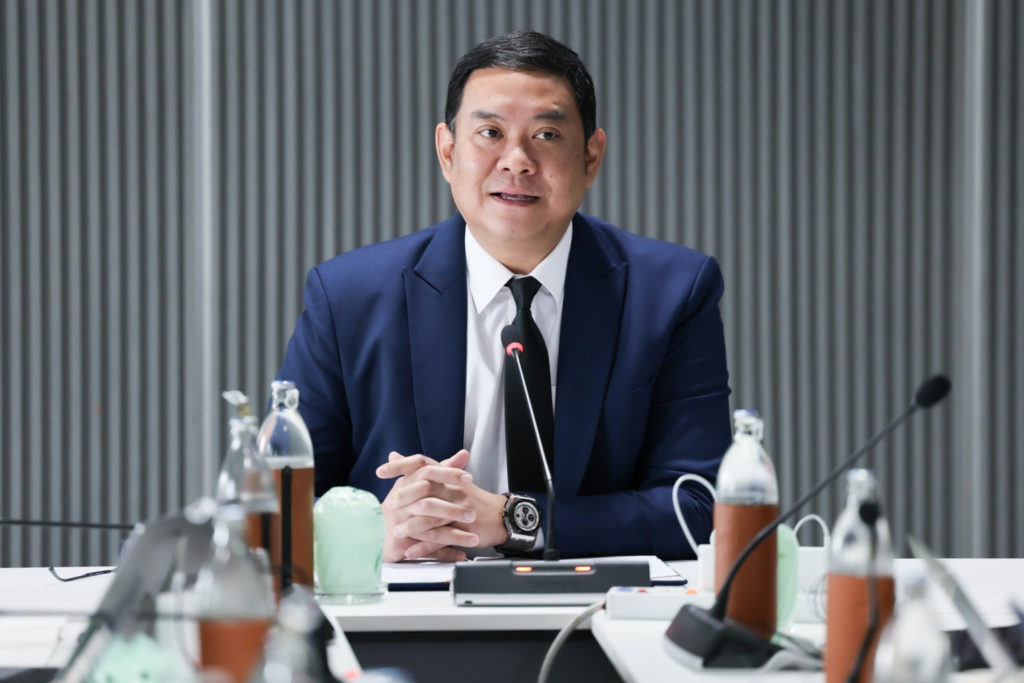

Dr. Suppakorn noted that the event marks an important step in developing a Social Innovation Index for Thai higher education institutions. It provided a platform for stakeholders to exchange views and recommendations, contributing to the refinement of the index to better suit Thailand’s context. Over the years, the Ministry of Higher Education, Science, Research and Innovation (MHESI) has advanced policies and mechanisms to support social innovation, leading to the development of the “Social Innovation Index Framework for Thai Higher Education Institutions” by NXPO in collaboration with Thaksin University. This initiative aims to strengthen social innovation efforts and enhance their linkage to policy formulation.
“Higher education institutions play a critical role in the national system, both in terms of their geographic reach and their capacity to foster local collaboration. They can serve as central platforms for integrating knowledge, people, and networks to drive social innovation at the local level and scale up to the national level,” Dr. Suppakorn said.
He further emphasized that achieving tangible social innovation outcomes requires a clear, accurate, and comparable measurement system—one that reflects area-based impacts and supports informed policy decisions and resource allocation. The Social Innovation Index is designed as a “policy infrastructure” that connects knowledge and institutional functions, enabling social innovation to reduce inequality and promote sustainable development. The index is currently in a pilot and co-design phase, involving stakeholder consultations and real-world testing to ensure its suitability for Thailand’s context.
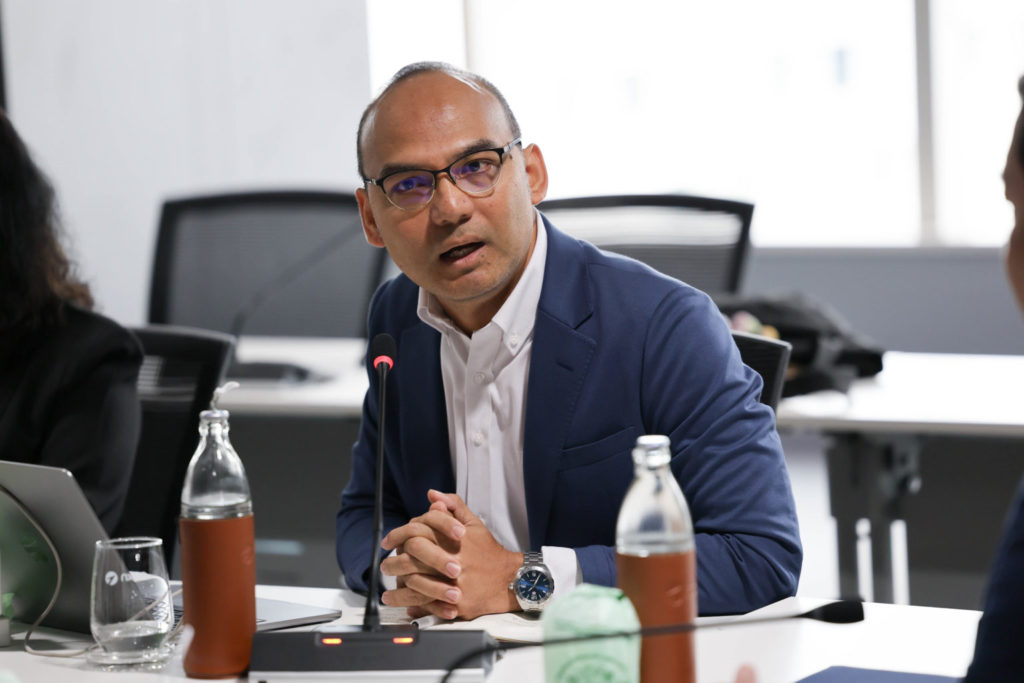
Assoc. Prof. Dr. Samak Kaewsuksaeng, Vice President for Research and Innovation at Thaksin University, and Ms. Supak Virunhakarun, Director of the Social Sciences, Humanities and Arts Division at NXPO, also outlined the objectives and implementation plan of the pilot project for data collection on the Social Innovation Index.
Dr. Samak stated that NXPO and Thaksin University have been working together on this initiative for over a year. To date, 29 universities have joined the pilot project, representing five university groups as classified by MHESI. The index framework has been presented to the Council of University Presidents of Thailand and the Council of Rajamangala University of Technology Presidents, with plans to expand participation to additional university groups.

Ms. Supak added that although universities play a significant role in driving social change, current efforts remain fragmented. There is, therefore, a need for a measurement framework that systematically assesses social outcomes and can inform both policy decisions and internal university management.
“The Social Innovation Index is not only a measurement tool; it has the potential to become a data infrastructure that links policy, knowledge, and resources—making universities’ social impact more visible and actionable,” she said.
The project is currently in the consultation and refinement phase, focusing on clarifying the index framework and operational definitions. This will be followed by a baseline data collection phase during June–August 2026 to test the suitability of the indicators and establish an initial dataset for further analysis and improvement.
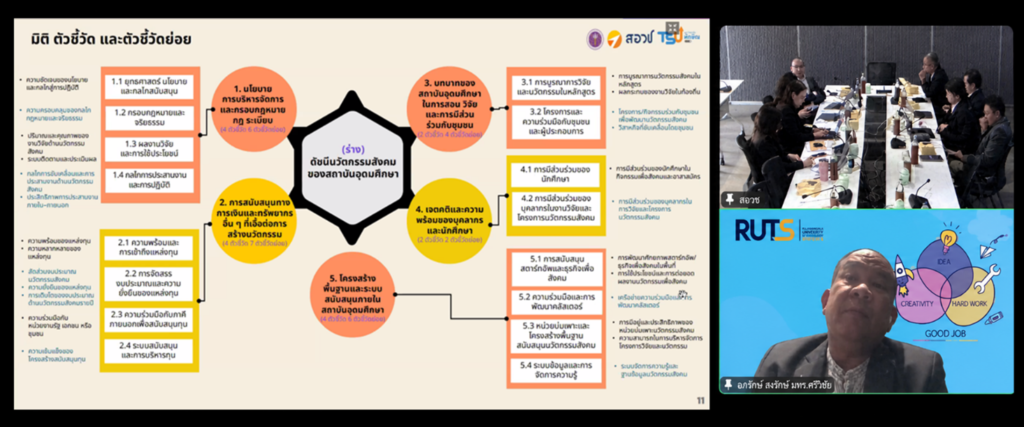
At the event, a draft Social Innovation Index for Thai higher education institutions was presented by Assist. Prof. Dr. Warattaya Chinnakum, Associate Dean of the Faculty of Economics, Chiang Mai University. The proposed index is not intended for ranking, but rather as a tool to support the development of systems and strengthen the role of universities in generating social impact.

The draft index is structured around five dimensions:
- Policy, governance, and regulatory frameworks – defining direction, mechanisms, and operational standards for social innovation.
- Financial and resource support – reflecting institutional readiness and the ability to sustain innovation efforts.
- Teaching, research, and community engagement – emphasizing area-based implementation and practical impact through collaboration.
- Attitudes and readiness of personnel and students – capturing organizational culture and long-term capacity for social innovation.
- Infrastructure and internal support systems – representing institutional capacity to drive, sustain, and scale initiatives.
During the discussion session, participants expressed support for the draft index, noting that it would help make universities’ social engagement more systematic—moving beyond fragmented efforts toward clearer outcomes and a more coherent overall picture. The five-dimensional framework was widely seen as comprehensive, covering key elements of the social innovation ecosystem, from policy and resources to implementation, infrastructure, and human capital. It was also viewed as a useful tool for identifying institutional strengths and areas for improvement, supporting strategic planning, and communicating results to policymakers with evidence-based data.
Participants also offered several recommendations to ensure the index is well aligned with the Thai higher education context. These included increasing flexibility in indicators to reflect differences among university groups; revising budget-related indicators to emphasize growth rather than proportional allocation; clarifying key definitions to reduce ambiguity; and placing greater emphasis on outcomes and social impact rather than inputs and processes. Concerns were also raised about the burden of data collection and assessment, with suggestions to leverage existing data, streamline documentation, and design a user-friendly system. Participants further proposed presenting results in formats that reflect institutional development—such as a maturity profile—rather than relying solely on aggregate scores.
NXPO and Thaksin University will incorporate feedback from the meeting to refine the draft indicators, operational definitions, and assessment approaches. A comprehensive manual for data collection and scoring will be developed, and pilot universities will be invited to provide further input alongside the development of a data system. Baseline data collection is scheduled for June–August 2026, which will inform subsequent analysis, refinement, and finalization of the index before its broader implementation.