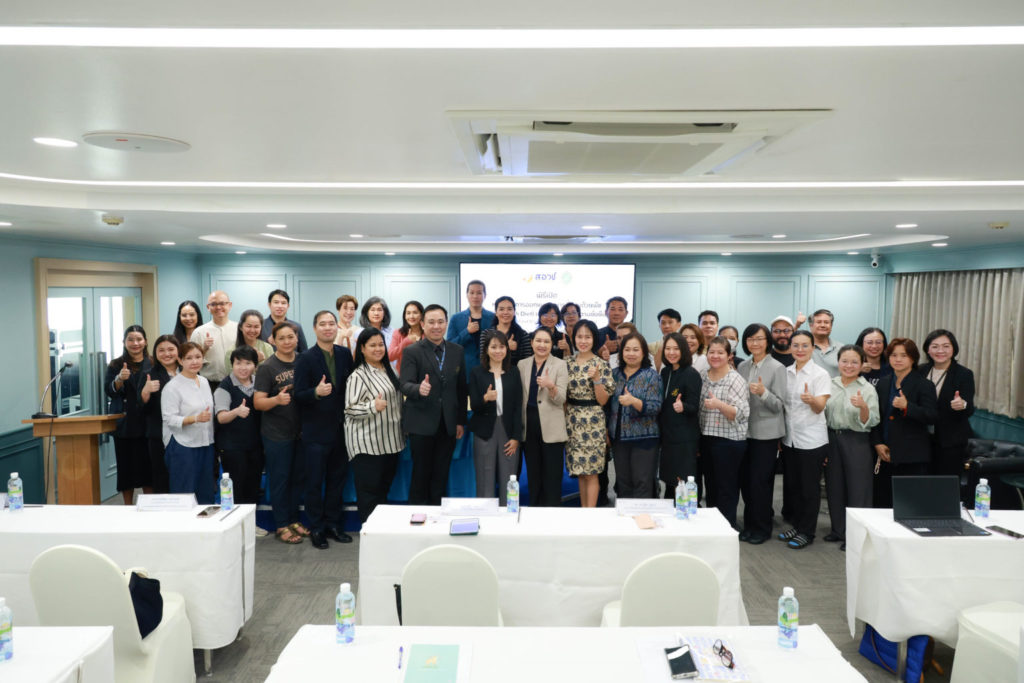
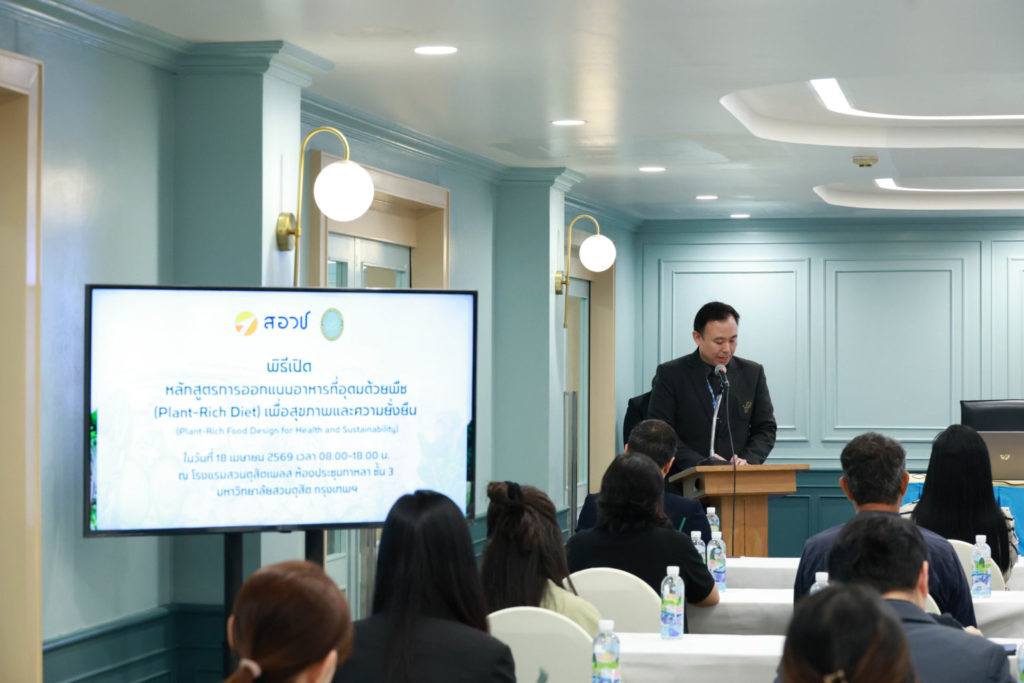
NXPO participated in the opening ceremony of the “Plant-Rich Diet Design for Health and Sustainability” Training Course on 18 April 2026 at Suan Dusit Place Hotel, Suan Dusit University.
The program—jointly organized by NXPO and the School of Culinary Arts, Suan Dusit University—aims to strengthen knowledge and practical skills in designing and preparing high-quality, safe plant-rich diets. It also seeks to build a network of trainers and foster collaboration among stakeholders. The 105-hour bootcamp, comprising 15 hours of theory and 90 hours of hands-on practice, is delivered by experienced experts and industry professionals.
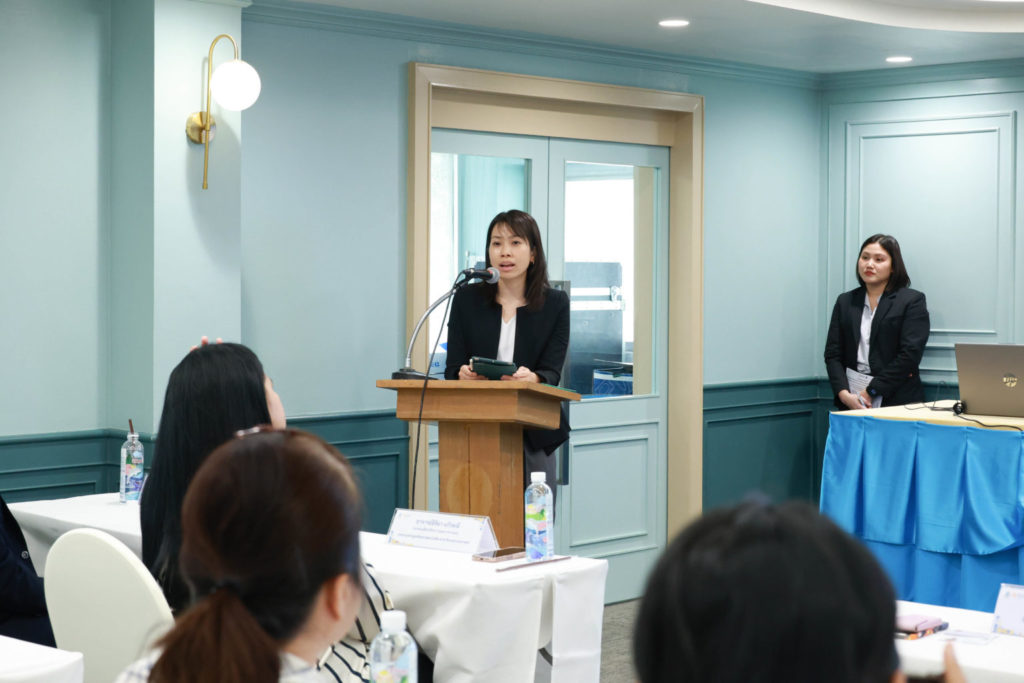
In her remarks, Ms. Sirinya Lim, Senior Director of Bioeconomy Policy at NXPO, highlighted the ongoing transition of global and Thai food systems toward greater emphasis on health and sustainability. This shift is especially evident among younger generations, who increasingly consider environmental and social impacts alongside taste.
Plant-rich diets play a vital role in reducing the risk of non-communicable diseases (NCDs), the leading cause of death in Thailand, responsible for over 400,000 deaths annually and economic losses of up to THB 1.6 trillion per year. Compared to high-fat animal-based foods, plant-based options provide fewer calories, helping to address obesity, while also contributing to lower greenhouse gas emissions from the agriculture and food sectors.
According to the Intergovernmental Panel on Climate Change (IPCC), a global shift toward healthier diets, including plant-rich diets, could reduce carbon emissions by approximately 0.7–8.0 gigatons of CO₂ annually by 2050.
Thailand is well-positioned to capitalize on this transition, with its rich biodiversity, abundant raw materials, strong food industry, and global reputation as the “Kitchen of the World.” These strengths can be leveraged to position the country as a hub for sustainable protein.
To advance this vision, NXPO has outlined three key strategies:
- Strengthening the food industry by enhancing agribusiness, supporting primary processing, and attracting investment in advanced protein technologies
- Promoting research and development of safe, palatable products—such as blended or minimally processed foods—utilizing local and uniquely Thai plant resources
- Expanding markets by promoting local ingredients and cuisine as soft power, while increasing awareness and access to plant-based foods
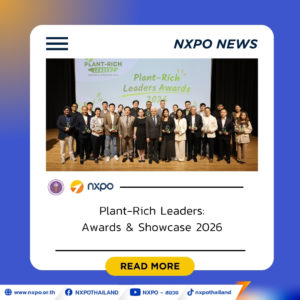
Over the past two years, NXPO has worked with domestic and international partners to accelerate the transition to plant-rich food systems through three main approaches: building buyer–supplier networks, advancing policy in collaboration with government agencies, and developing 15 “Plant-Rich Leaders” as change agents to expand knowledge across society.
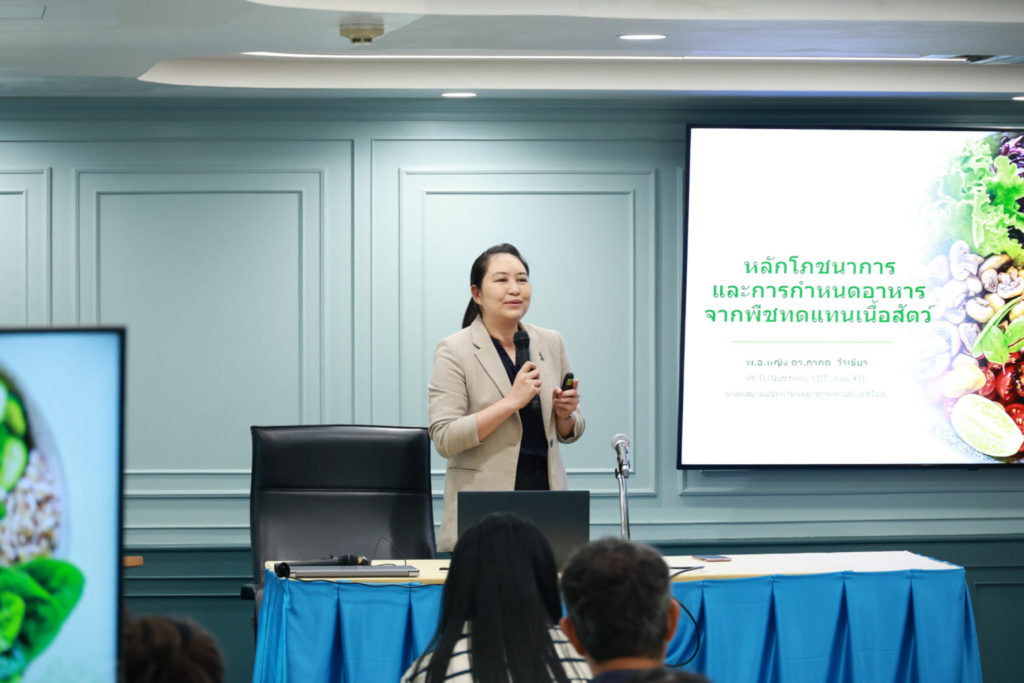
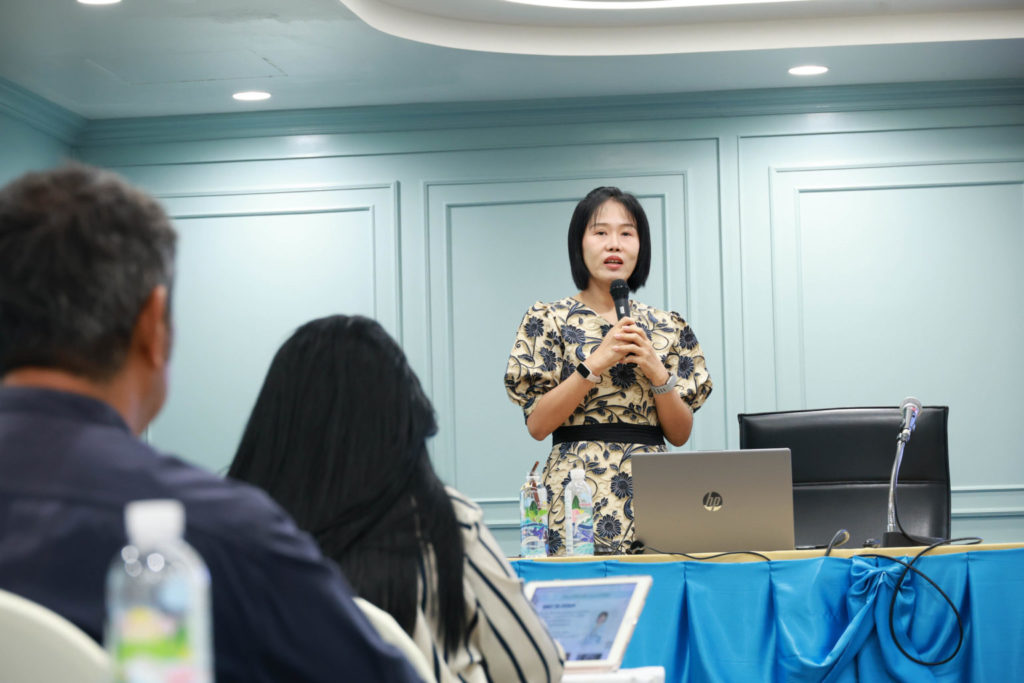
Ms. Sirinya concluded that the program plays a critical role in developing trainers with strong academic grounding, an understanding of food systems and social contexts, and the communication skills needed to design effective learning experiences for diverse audiences. The event also featured a special lecture on “Principles of Plant-Based Nutrition and Diet Planning as Alternatives to Meat” by Col. Dr. Korakot Weerathien, President of the Thai Dietetic Association, and a session on “Plant-Rich Diets for Sustainable Health” by Dr. Prirayapak Sakoonwatanyoo of the Department of Clinical Pathology, Faculty of Medicine Vajira Hospital.