NXPO participated in the 82nd session of the Economic and Social Commission for Asia and the Pacific (ESCAP), held from 20 to 24 April 2026 at the United Nations Conference Centre in Bangkok. The session was convened under the theme “Leaving no one behind: advancing a society for all ages in Asia and the Pacific.” On 23 April 2026, Dr. Pranpreya Sriwannawit Lundberg, Senior Director of International Policy Partnership at NXPO, delivered a statement on behalf of the Ministry of Higher Education, Science, Research and Innovation (MHESI).
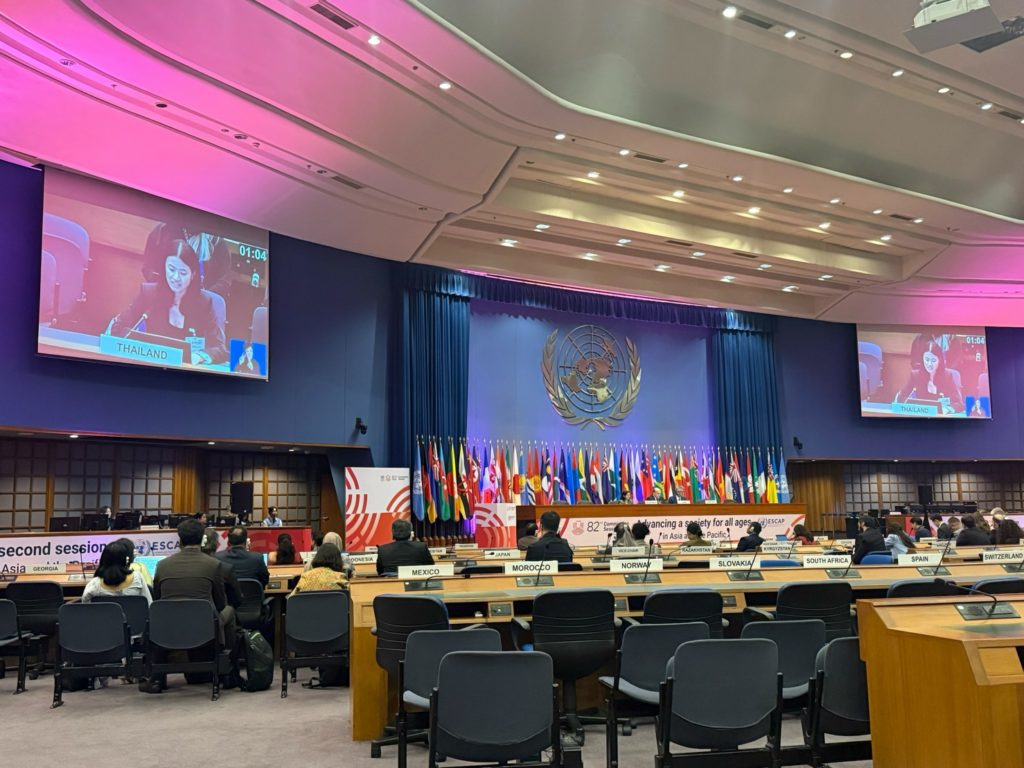
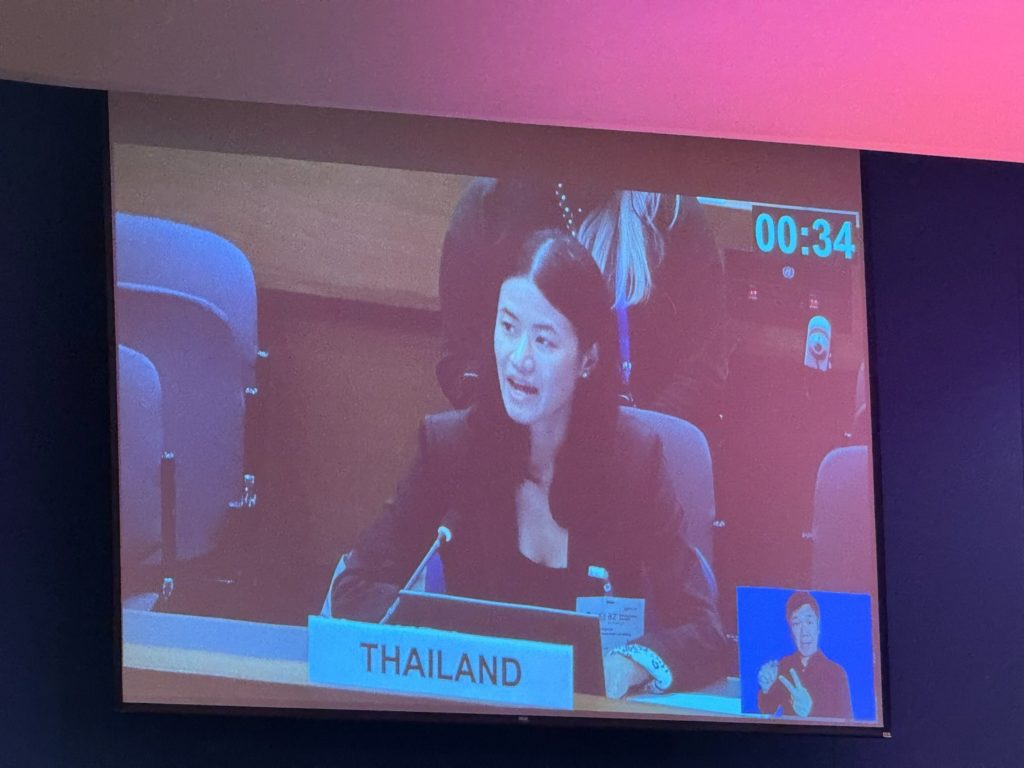
Dr. Pranpreya highlighted that the region is undergoing rapid demographic change, with Thailand transitioning into an ageing society—posing significant challenges for education, research, and workforce management. In response, Thailand is advancing three key priorities:
- Lifelong Learning Promotion: Expanding flexible learning pathways through lifelong learning platforms, credit bank systems, and short courses to enable people of all ages to reskill and upskill. Key initiatives include Career-Based Education, the Higher Education Sandbox, and tax incentives to foster a highly skilled and adaptable workforce aligned with rapidly evolving industrial needs.
- Inclusive Research and Innovation: Thailand is investing in research addressing ageing societies, including assistive technologies and smart healthcare systems, while strengthening programs that link universities and researchers with communities. A notable example is collaboration with the Asian Development Bank (ADB) on AI-driven precision agriculture, supporting farmers—particularly women in rural areas and vulnerable groups—by improving access to smart agricultural tools and building technological capacities.
- AI for Public Services: Thailand promotes the ethical use of AI through data analytics platforms to identify vulnerable populations and deliver targeted assistance. This effort is supported by the Thai People Map and Analytics Platform (TPMAP), which integrates big data to improve the precision and efficiency of social support services.
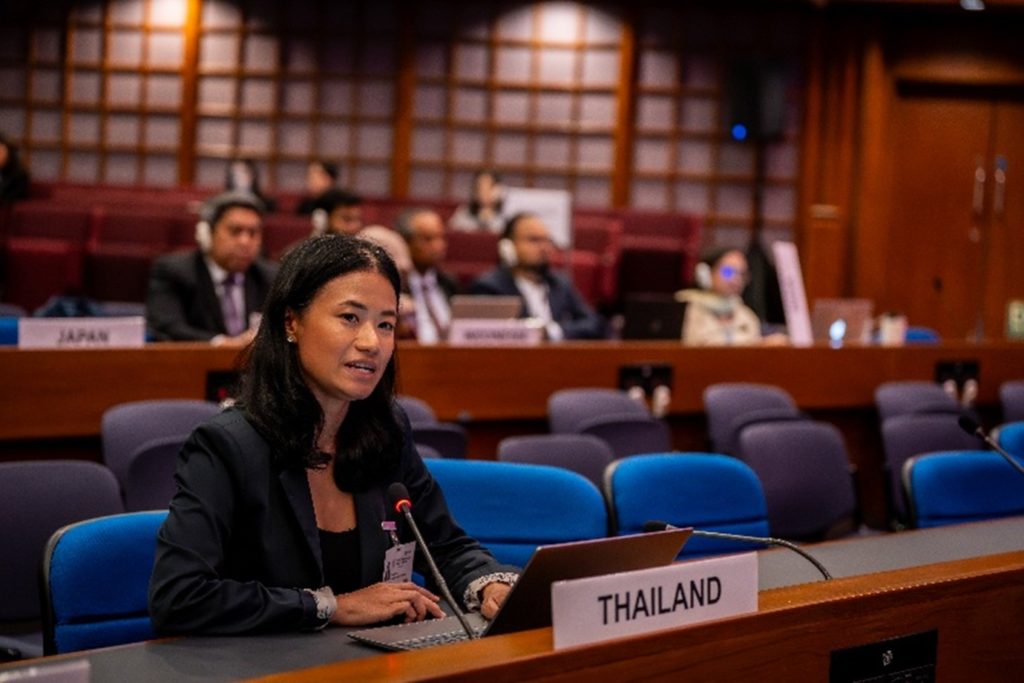
Thailand also emphasized the importance of strengthening collaboration with ESCAP and the Asian and Pacific Centre for Transfer of Technology (APCTT). MHESI continues to advance innovation and technology transfer to enhance resilience and support sustainable development across the region.
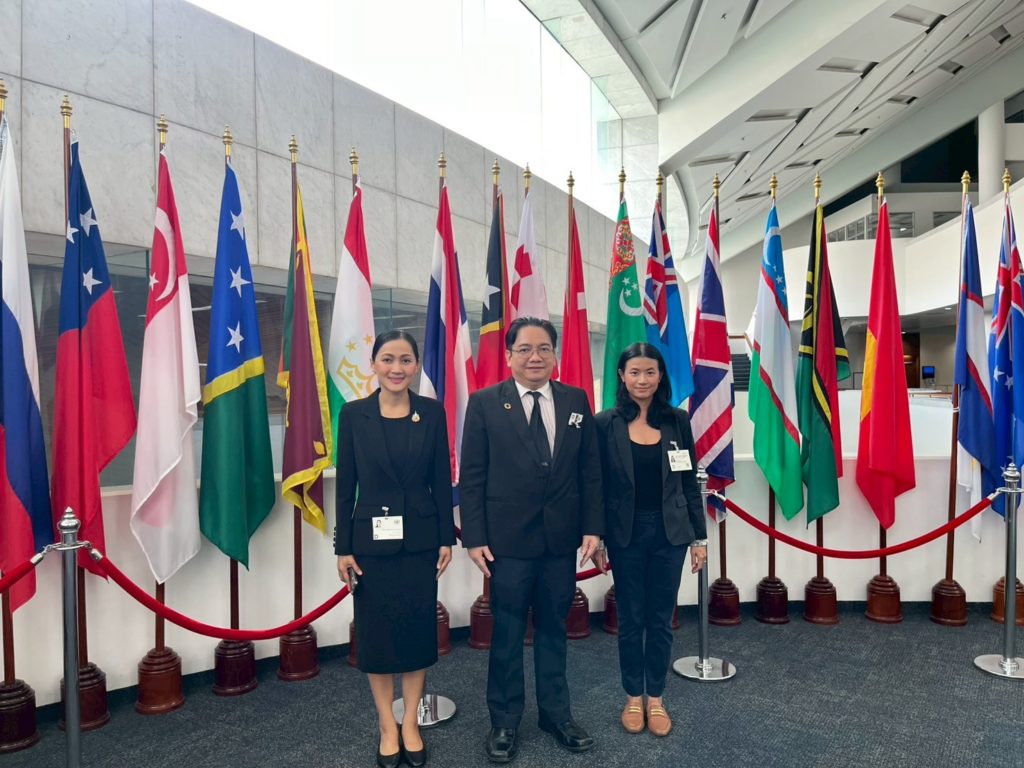
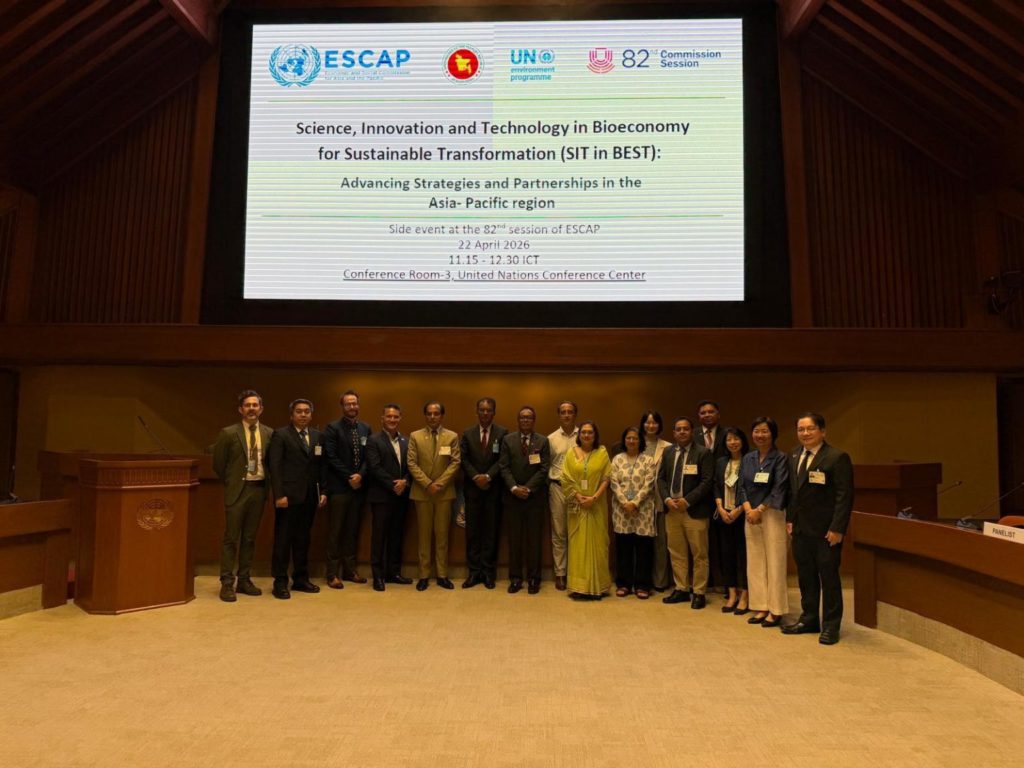
In addition, Mr. Parinand Varnasavang, Senior Policy Specialist at NXPO, participated in a side event titled “Science, Innovation and Technology in Bioeconomy for Sustainable Transformation (SIT in BEST),” organized by the Embassy of Bangladesh in Bangkok, with support from the Food and Agriculture Organization (FAO), the United Nations Environment Programme (UNEP), and ESCAP. Held on 22 April 2026, the event brought together over 50 participants from diplomatic missions, international organizations, and the public, private, and academic sectors across the region. Discussions focused on the role of science, innovation, and technology in advancing a sustainable bioeconomy and achieving the Sustainable Development Goals (SDGs), particularly SDG 1, SDG 2, SDG 10, SDG 12, and SDG 13.
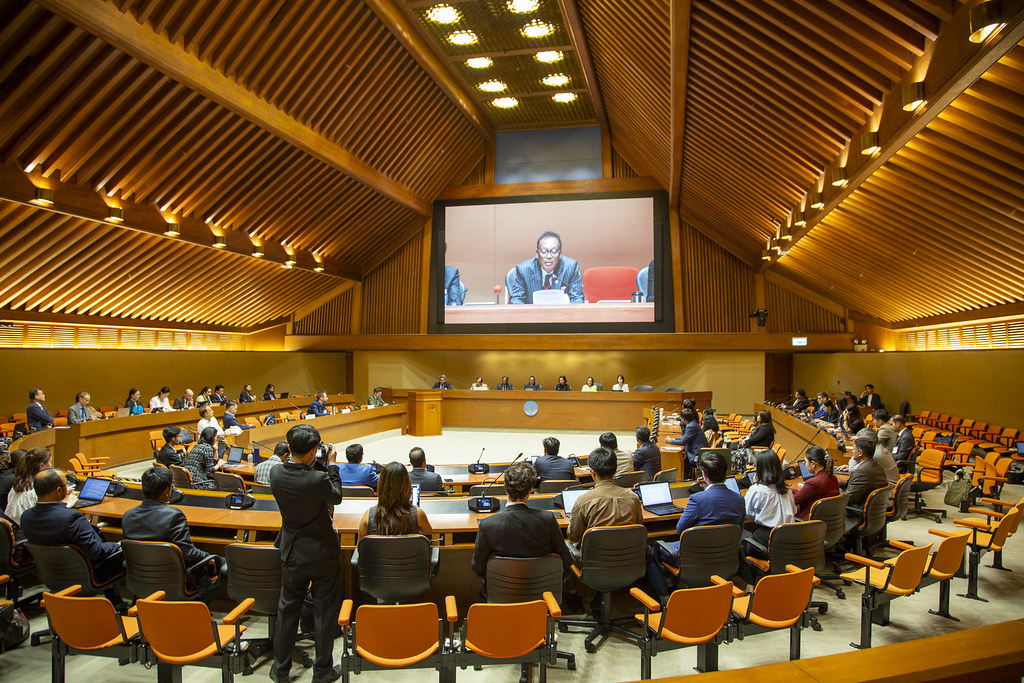
During the panel session “SIT in BEST: Reflections by regional entities and partners,” Mr. Parinand represented Thailand’s public policy sector and reaffirmed the country’s commitment to advancing SIT through the Bio-Circular-Green Economy (BCG) Model, which seeks to balance economic growth with environmental sustainability. Thailand focuses on transforming biological resources into high-value products and leveraging technology to reduce inequality, such as through precision agriculture for vulnerable groups. The country also expressed support for a draft resolution on sustainable bioeconomy and promoted the Quadruple Helix approach (government–academia–industry–community), alongside the development of advanced technology networks such as synthetic biology, to strengthen competitiveness and drive the Asia-Pacific region toward achieving the SDGs.