On 28 August 2026, Prof. Dr. Supachai Pathumnakul, Permanent Secretary of the Ministry of Higher Education, Science, Research and Innovation (MHESI), welcomed H.E. Mr. Chittipat Tongprasroeth, Ambassador of Thailand to Berlin, and a German delegation at the Office of the Permanent Secretary, MHESI. The meeting aimed to exchange information and perspectives on policies and approaches to developing Thailand’s innovation ecosystem, as well as to explore opportunities to expand Thailand–Germany cooperation in research and development, human capital development, technology transfer, research commercialization, and networking among universities, research institutions, businesses, and innovation-driven enterprises in both countries.
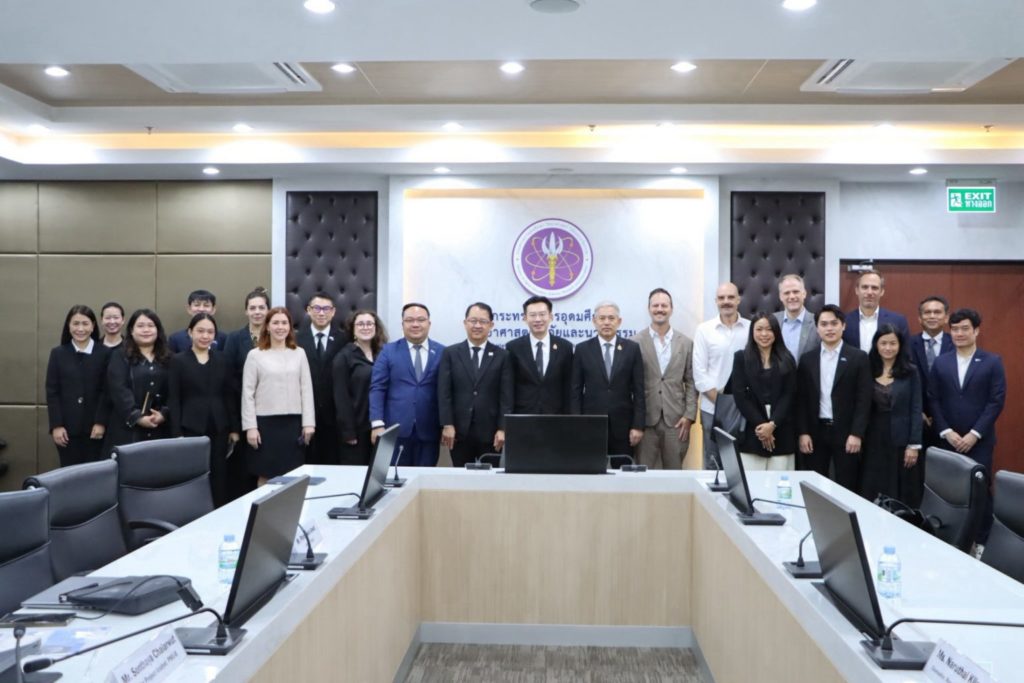
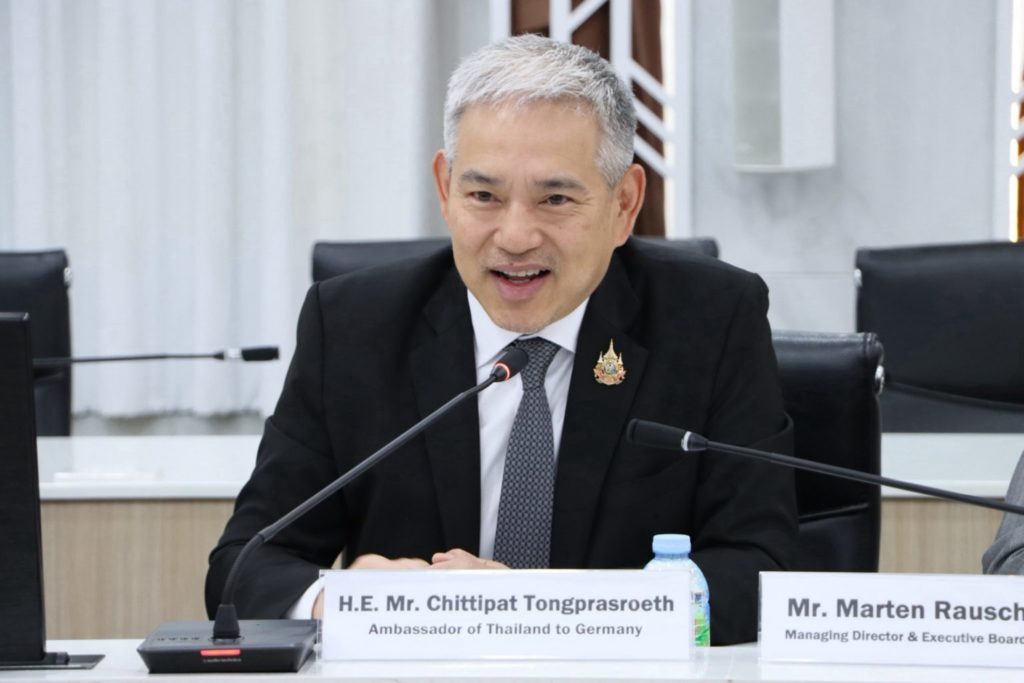
The German delegation comprised representatives from key organizations and networks within Germany’s innovation ecosystem, along with representatives from the Embassy of Germany in Bangkok, the Royal Thai Embassy in Berlin, and the German-Thai Chamber of Commerce (GTCC).
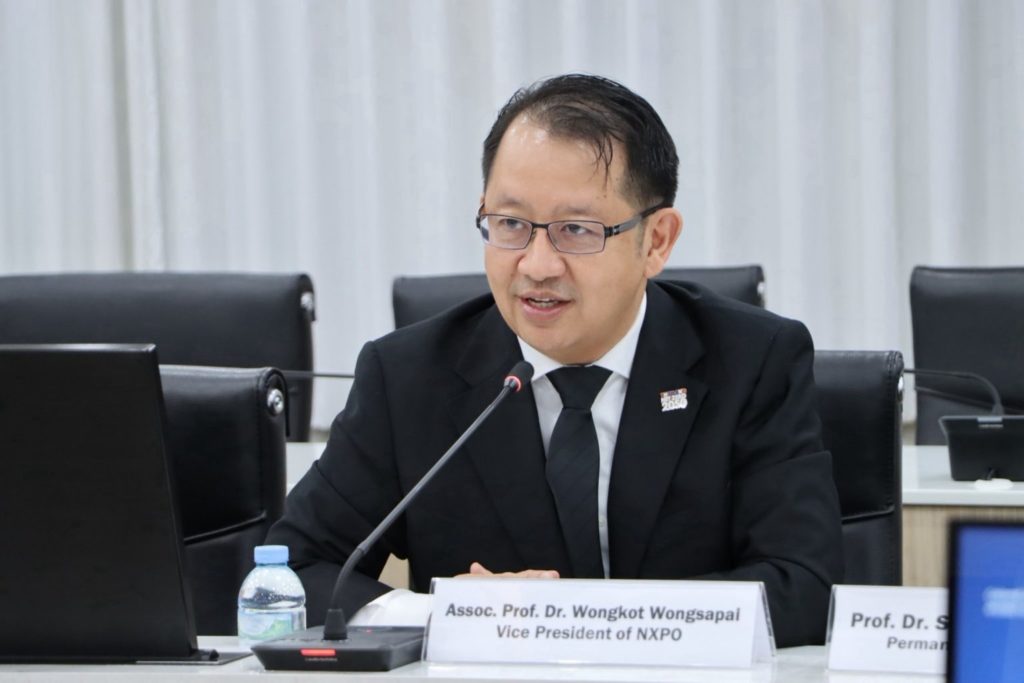
Representatives from key agencies under MHESI also participated in the discussions to exchange information and perspectives on the development of Thailand’s science, research and innovation ecosystem. NXPO was represented by Assoc. Prof. Wongkot Wongsapai, Vice President of NXPO; Dr. Chalothorn Boonlua, Senior Director of the Creative Economy and Industry Policy Division; and Dr. Pranpreya Sriwannawit Lundberg, Senior Director of the International Policy Partnership Division. They presented an overview of NXPO and the direction of Thailand’s higher education, science, research and innovation system. The presentation highlighted NXPO’s role in advancing national policy and reforming the science, research and innovation system, alongside the development of a highly skilled workforce, promotion of technology transfer and the utilization of research outputs, and the development of international partnerships to connect Thailand with global STI networks.
NXPO also proposed approaches to strengthening Thailand–Germany cooperation in three key areas: Joint Research & Emerging Technologies, Skills & Talent, and Technology Transfer & Innovation. These areas encompass research collaboration, industry–academia linkages, talent mobility and development, the utilization of research outputs, technology transfer, support for startups and spin-offs, and connections with the industrial sector.
In addition, NXPO presented initiatives to develop a highly skilled workforce to support Thailand’s targeted industries through collaboration among the public sector, academia, and industry. These include the development of the STEMPlus+ Platform, which connects industry workforce demand with skills development, academic and training programs, and work-based experiences. The platform aims to build a workforce equipped with the skills needed to meet the evolving demands of future industries. On international cooperation, NXPO also highlighted existing partnerships with German counterparts, including collaboration between the APEC Center for Technology Foresight (APEC CTF) and Fraunhofer ISI. This collaboration has helped strengthen technology foresight networks linking Thailand, Germany, and APEC member economies, while also facilitating knowledge exchange on climate innovation and sustainable agriculture.
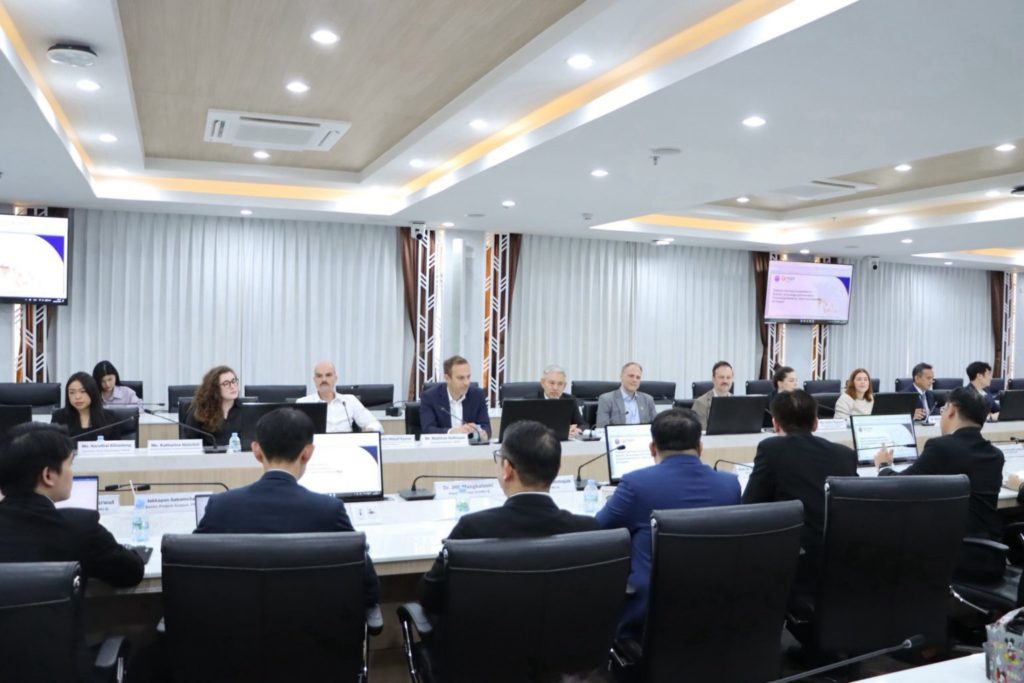
The meeting marked an important step toward building mutual understanding and strengthening connections between Thailand’s innovation ecosystem and Germany’s innovation networks, which have strong capabilities in research, technology, technology transfer, and innovation-driven entrepreneurship. Both sides share a common goal of leveraging the knowledge and capabilities of their respective ecosystems to develop practical and impactful areas of cooperation.