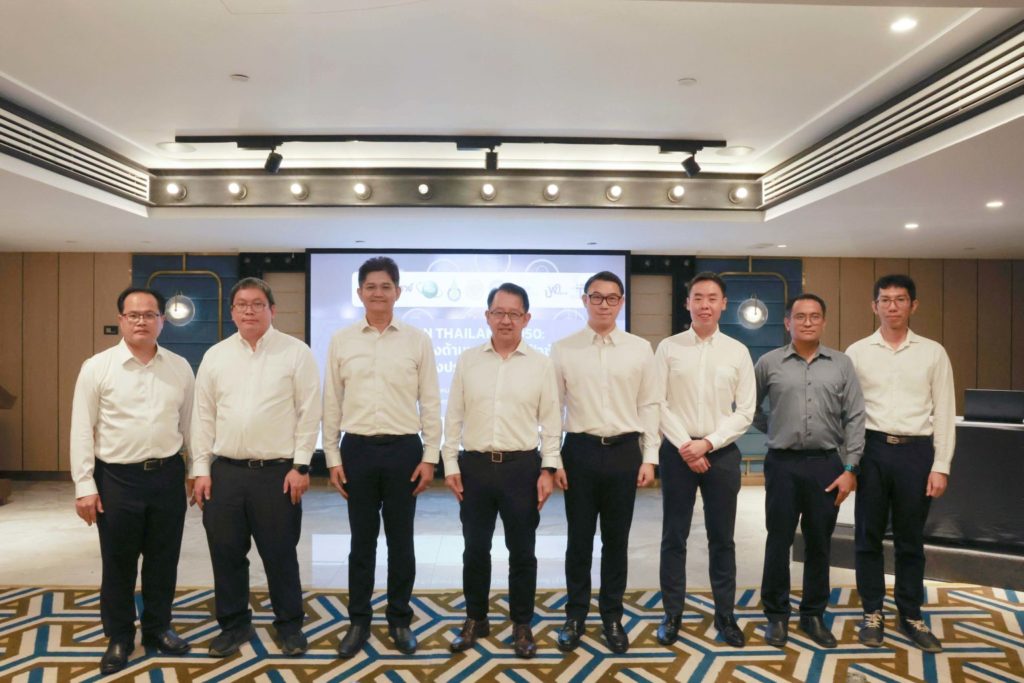
NXPO, in collaboration with the Thailand Institute of Nuclear Technology (TINT), hosted a consultation meeting titled “Fusion Thailand 2050: Thailand’s Fusion Technology Roadmap” on 13 March 2026. The event was opened by Assoc. Prof. Wongkot Wongsapai, Vice President of NXPO.
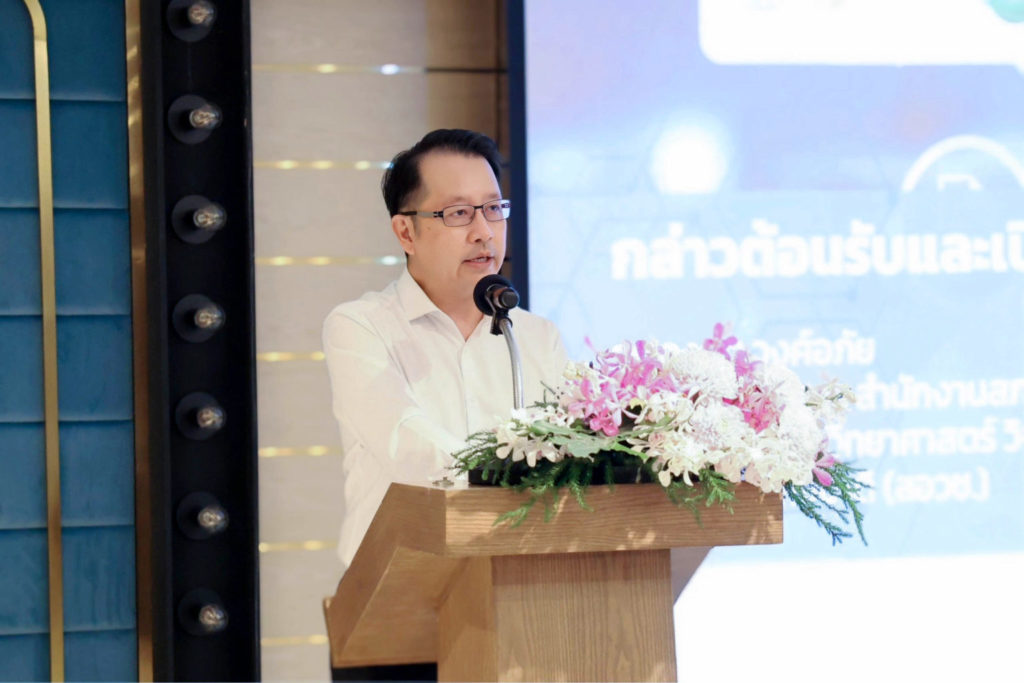
In his welcome remarks, Assoc. Prof. Wongkot noted that the Fusion Thailand 2050 roadmap was developed following a workshop held on 23 July 2025. The roadmap outlines a 25-year development pathway (2025–2050) aimed at strengthening national energy security while supporting Thailand’s net-zero greenhouse gas emissions goal. Fusion technology is widely regarded as one of the most promising advanced energy technologies due to its potential to provide a clean and safe energy source. In addition to energy generation, fusion research can also produce a range of technological spin-offs applicable across key industries, including superconducting magnet for MRI and high-speed rail, advanced materials for the aerospace sector, and plasma technologies for semiconductor manufacturing.
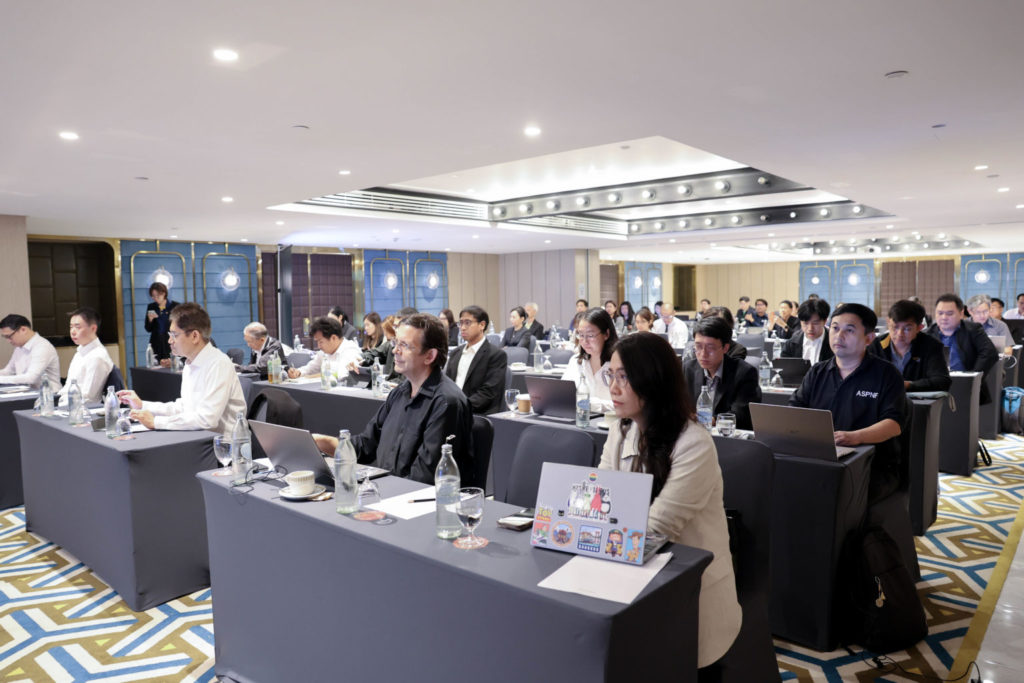
NXPO is also collaborating with Chulalongkorn University and Chiang Mai University to develop Thailand’s Energy Transition Roadmap for the Ministry of Energy, with an implementation framework extending to 2037. Feedback gathered during this consultation will contribute to shaping the country’s broader energy transition strategy.
“This meeting provides an important platform to gather insights from stakeholders in order to refine and strengthen the draft roadmap, ensuring that it is comprehensive and practical. We hope this forum will encourage the exchange of ideas and foster integrated collaboration among stakeholders to build a strong foundation for Thailand’s fusion technology ecosystem, enabling greater international cooperation and supporting sustainable national development,” said Assoc. Prof. Wongkot.
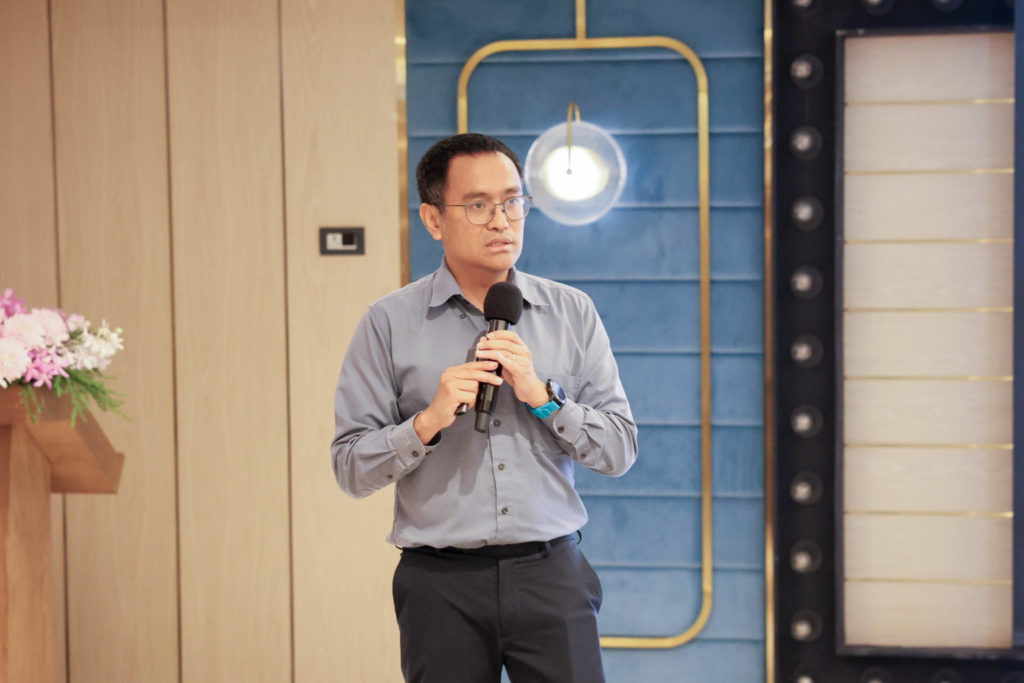
During the meeting, Asst. Prof. Dr. Boonyarit Chatthong, Associate Dean for Research, Innovation, and Public Relations at the Faculty of Science, Prince of Songkla University, presented the Draft Thailand Fusion Technology Roadmap (2026–2050) and facilitated discussions. His presentation covered an overview of fusion technology, the global landscape of fusion research, international case studies, the current status of Thailand’s fusion innovation ecosystem, strategic development directions, and the proposed national roadmap. It also introduced the development of a database of Thai fusion technology experts and a proposal to establish a national Expert Consortium.
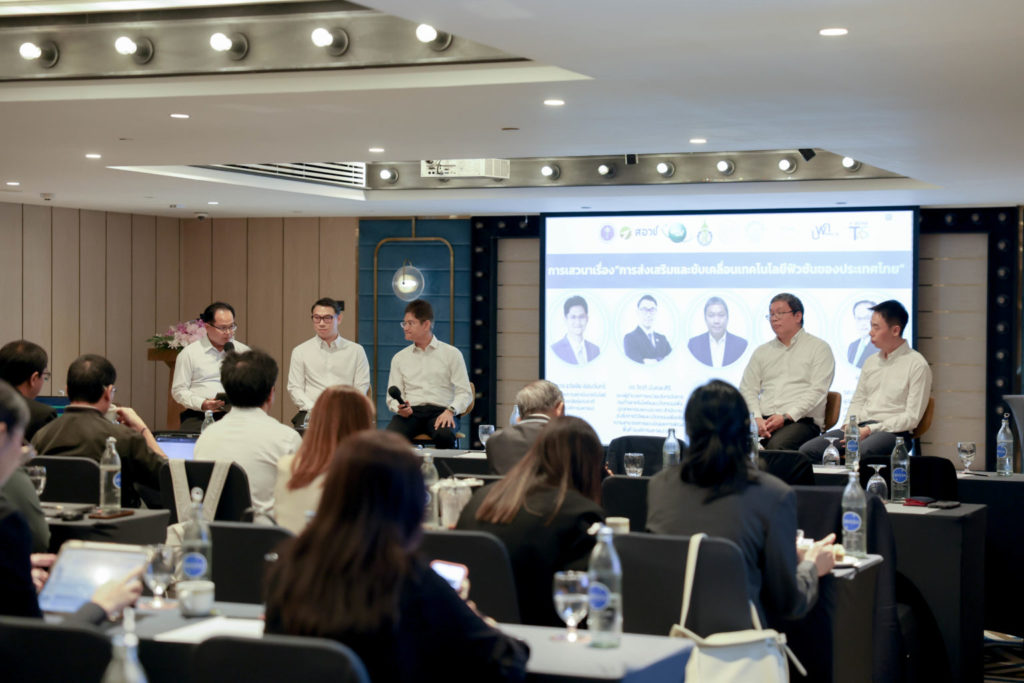
The event also featured a panel discussion exploring practical pathways for implementing the roadmap. Panelists included Assoc. Prof. Dr. Thawatchai Onjun, Executive Director of TINT; Dr. Jitti Mungkalasiri, Deputy Director of the Program Management Unit for Frontier Brainpower and Future Industries under the Research and Innovation Acceleration Agency for Competitiveness and Area Development (RCAD); Mr. Yosapol Rathamarit, Deputy Director of the Research and Innovation Division at the Electricity Generating Authority of Thailand (EGAT); and Mr. Weerawat Wongcharoenyai, Partner at SeaX Ventures. The session was moderated by Dr. Somsak Dangtip, Manager of the Advanced Engineering and Nuclear Technology Center at TINT.
The panel highlighted that Thailand is actively advancing studies and preparations for the future adoption of fusion technology, which could significantly strengthen national energy security while supporting the country’s climate goals, including carbon neutrality and net-zero emissions by 2050. Several countries—including the United States, China, Japan, and European nations—are accelerating investments in fusion technology through large-scale research programs and funding for future energy startups. At the same time, digital technologies such as artificial intelligence (AI) and high-performance computing (HPC) are playing an increasingly important role in accelerating global fusion research and development.
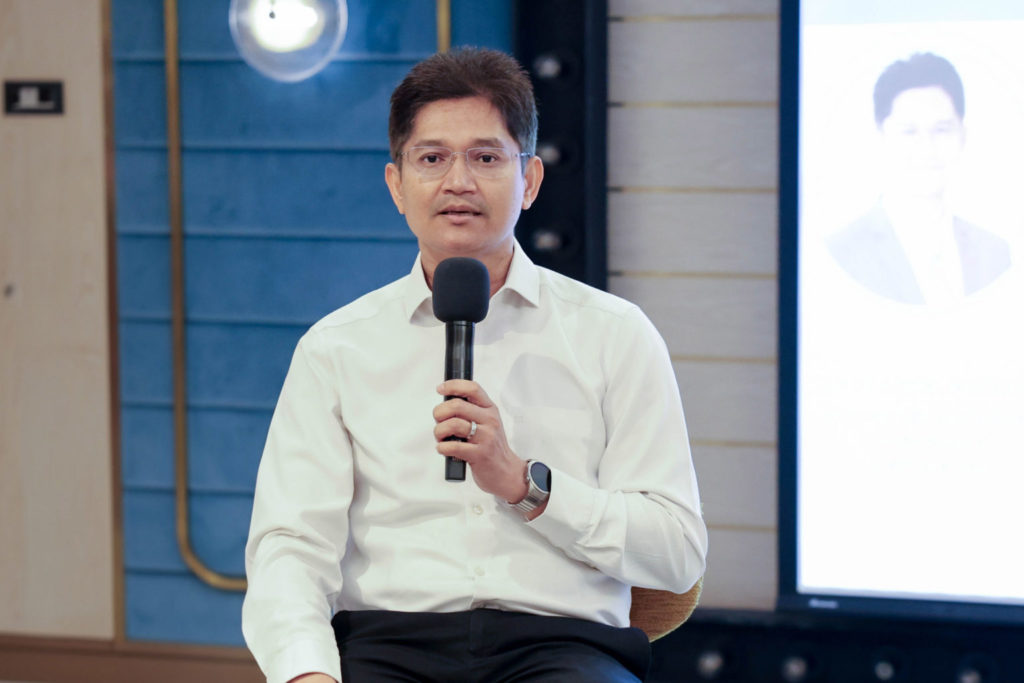
During the discussion, Dr. Thawatchai introduced Thailand Tokamak-1 (TT-1) as a key research infrastructure for plasma and fusion technology studies, which also supports international collaboration. While the commercial deployment of fusion energy may still require further technological advances, Small Modular Reactor (SMR) technology could serve as an important transitional option before fusion becomes commercially viable. He noted that Thailand may not need to develop a full fusion reactor independently; instead, the country could position itself as a “Smart User,” adopting fusion technology to enhance energy security, and as a “Smart Supplier,” contributing technologies or components within the global supply chain, such as advanced materials and industrial components. Thailand could also build upon its strengths in industries such as energy, chemicals, and automotive components to develop materials and technologies for future fusion reactors. He also emphasized the importance of establishing international networks and integrating in the global supply chain to mitigate the risk of technology monopolies by major producers.
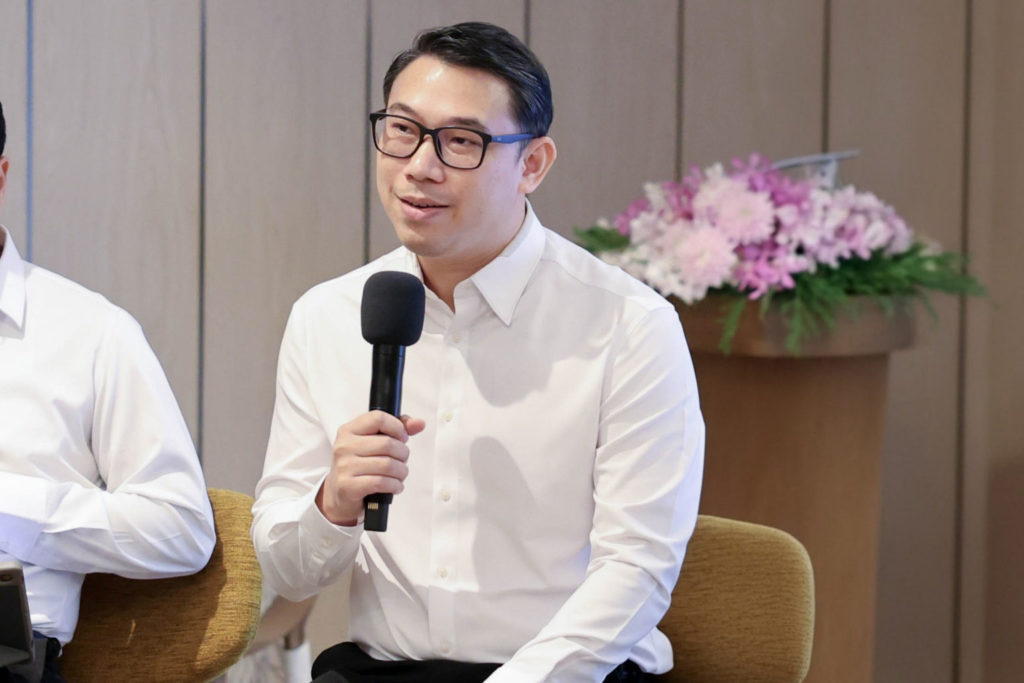
Dr. Jitti emphasized the importance of research funding and human resource development in science, technology, and innovation to prepare the country for emerging technologies. This includes strengthening collaboration among the public sector, private sector, and academic institutions, promoting public–private co-funding mechanisms, and supporting both domestic and international research partnerships. He stressed that Thailand’s fusion technology development requires a clear roadmap supported by sustained government commitment, particularly to ensure stable funding over the long term. He also reaffirmed the government’s willingness to establish co-funding mechanisms with strong investment commitment from the private sector.
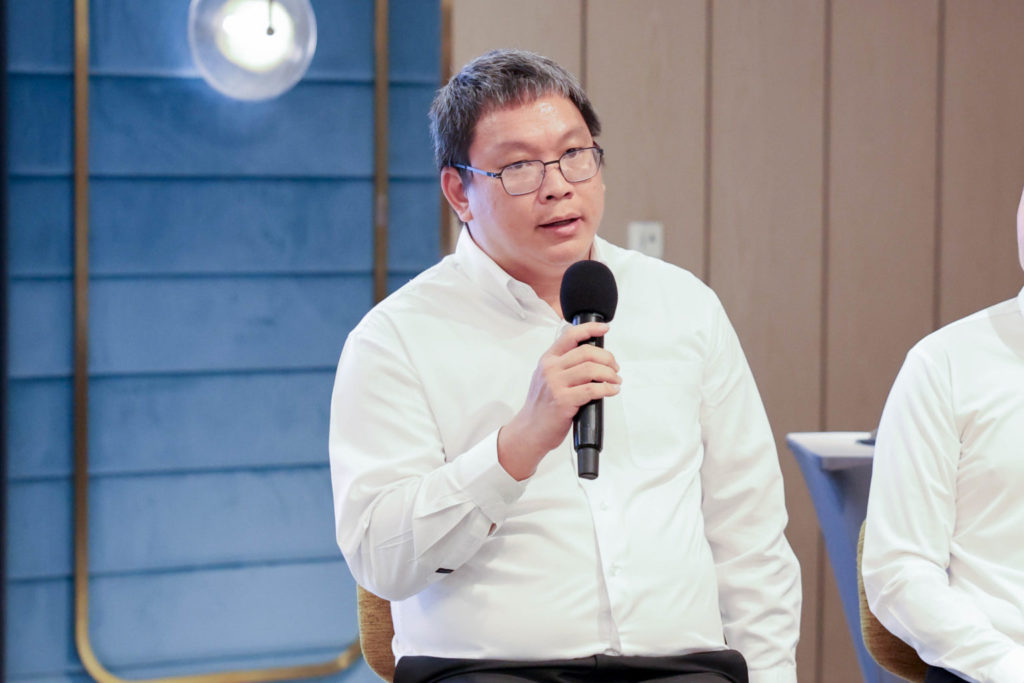
Mr. Yosapol noted that EGAT has been closely monitoring developments in fusion technology and assessing its potential as a future energy source. The organization is also evaluating the competitiveness of fusion energy compared with other energy options, while preparing its workforce and safety standards and engaging in international research collaborations. He highlighted that although fusion fuel is relatively abundant, electricity costs will still involve fixed infrastructure costs, such as power plant construction and transmission systems. Nevertheless, fusion could significantly enhance energy resilience, helping stabilize Thailand’s electricity prices and reduce exposure to global energy crises. He also stressed the importance of improving public understanding of modern nuclear technologies, which differ significantly from conventional nuclear technologies.
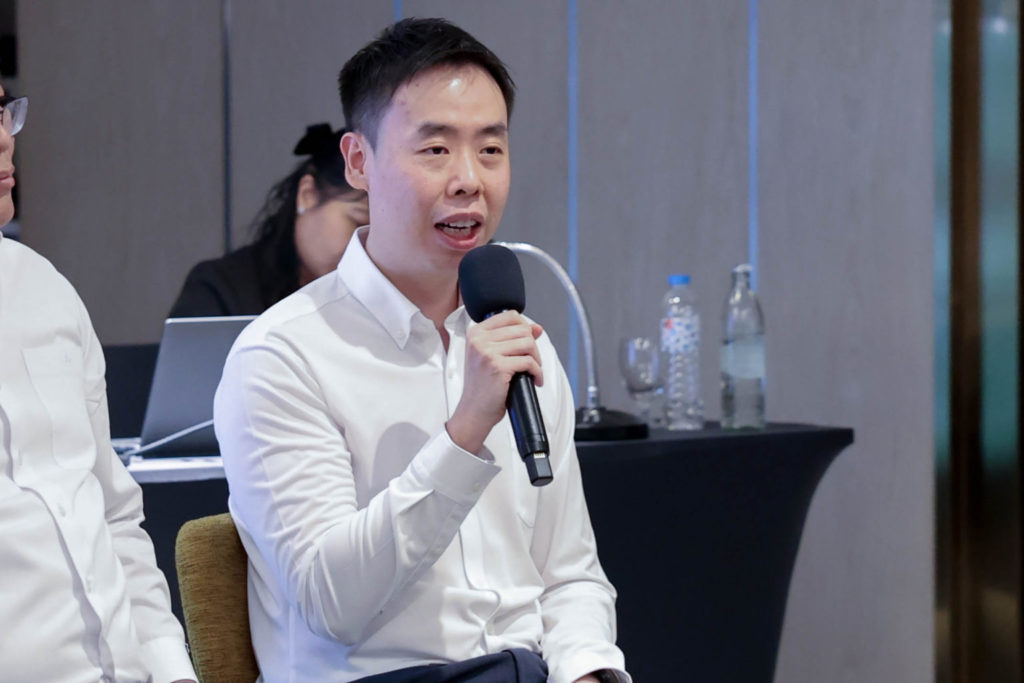
Mr. Weerawat introduced SeaX Ventures as a global technology investment firm that has invested in fusion technology startups such as Type One Energy, as well as in AI, robotics, and future energy technologies. He noted that advances in superconducting magnet technology are expected to accelerate progress in plasma physics and fusion development. The combination of AI and high-performance computing will enable faster and more efficient simulation and experimentation, potentially accelerating fusion technology breakthroughs within the next four to five years. He also emphasized the importance of consortium-based collaboration among government, industry, and research institutions to build a strong innovation ecosystem, as well as strengthening partnerships with technologically advanced countries such as China and Japan.
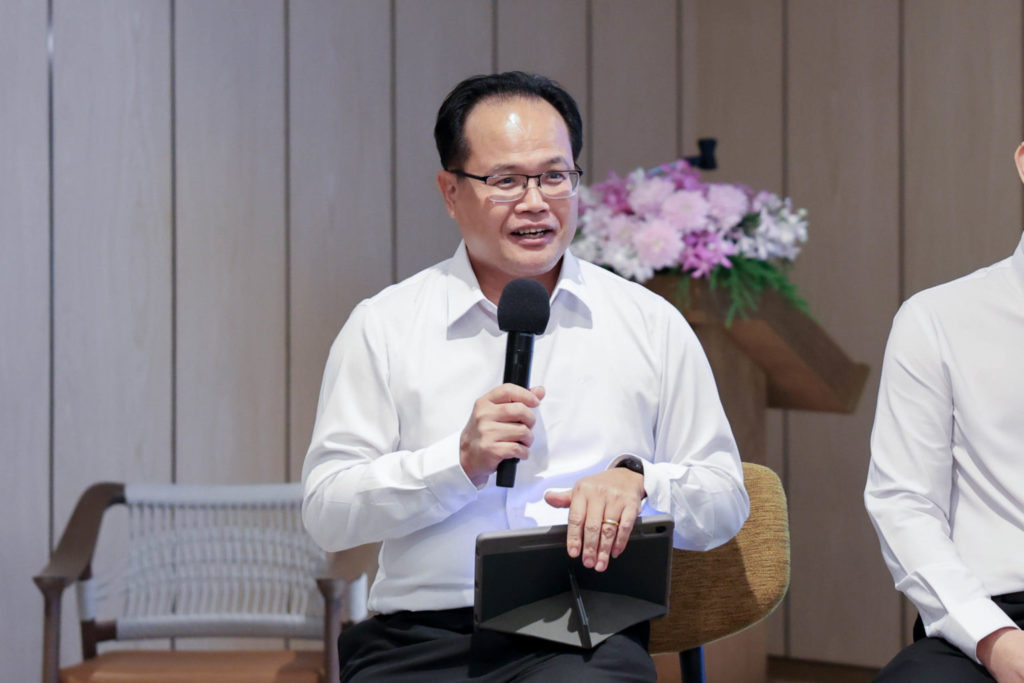
The Thailand Fusion Technology Roadmap will provide a systematic framework for advancing fusion research, human resource development, and both domestic and international collaboration. The initiative aims to prepare Thailand for future energy technologies while creating new opportunities for long-term economic and industrial development.