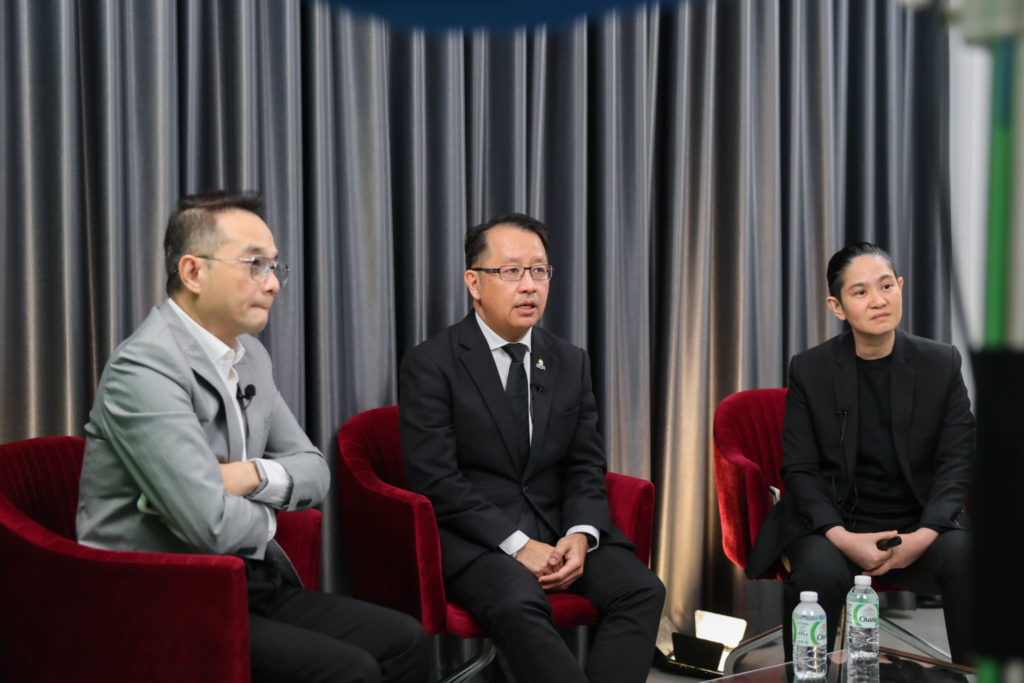
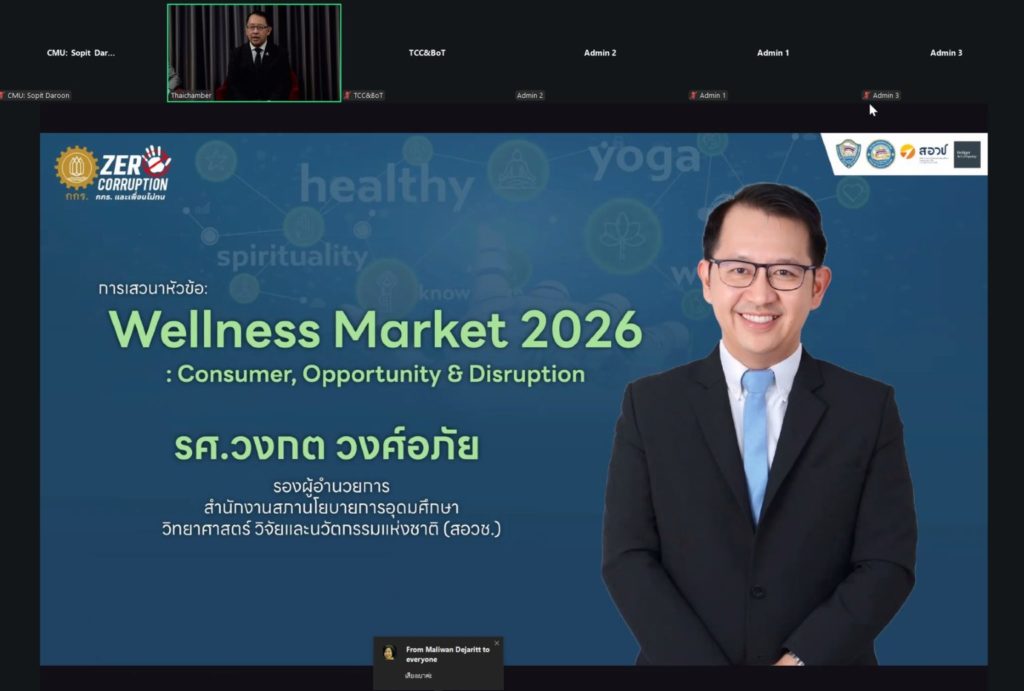
On 6 March 2026, NXPO, in collaboration with the Thai Chamber of Commerce and Bolliger & Company (Thailand), organized a seminar titled “Wellness Foresight 2026: Trends and Business Strategies” at the Thai Chamber of Commerce (TCC). Assoc. Prof. Wongkot Wongsapai, Vice President of NXPO, joined the discussion as a speaker alongside Dr. Rachda Chiasakul, Chief Executive Officer of Bolliger & Company (Thailand) and members of the TCC’s Wellness Service Business Subcommittee. The session was moderated by Mr. Krod Rojanastien, Chair of the Wellness Service Business Subcommittee.

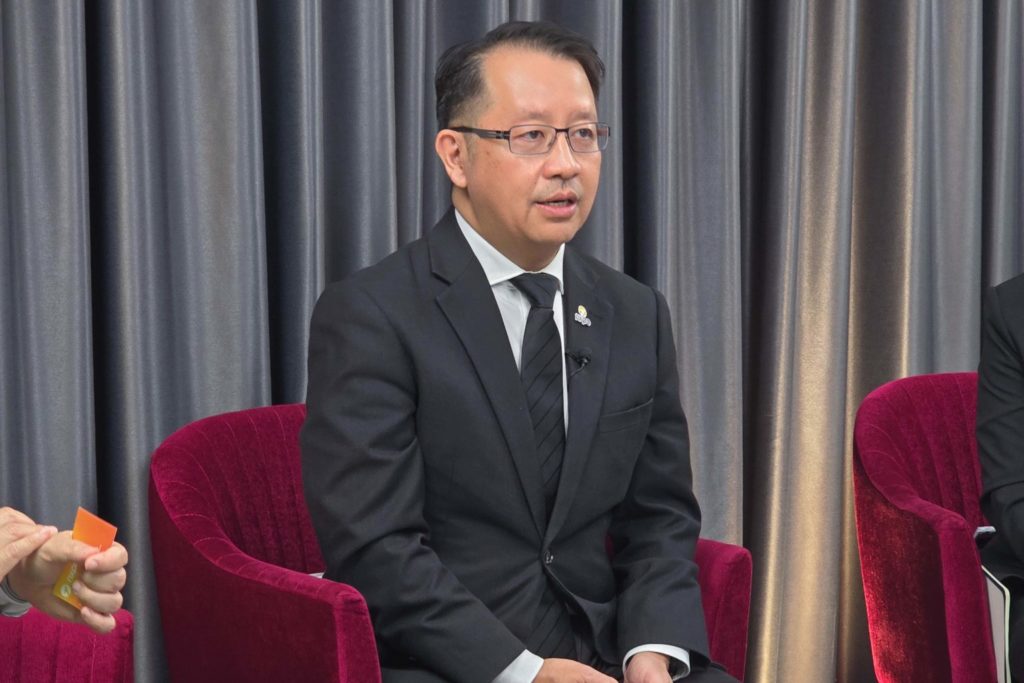
Assoc. Prof. Wongkot discussed emerging trends and future scenarios for Thailand’s wellness service industry, noting that the country is transitioning from a service-based economy—focused on tourism and leisure at relatively affordable prices, with healthcare largely centered on treatment—toward a knowledge-based economy driven by the health economy and deep technology. This new model emphasizes value creation, the attraction of high-spending tourists, and a shift toward proactive optimization, focusing on preventing illness and promoting longevity. According to the Global Wellness Economy Monitor 2025 by the Global Wellness Institute (GWI), the global health and wellness sector is growing at an average annual rate of over 7.6%, accounting for 6.12% of global GDP, making it larger than both the green economy and the IT industry.
Thailand’s wellness sector currently has a market value exceeding 1.4 trillion THB and has recorded growth of 28.4%, significantly higher than the global average, reflecting strong potential for further expansion. Three key emerging target groups for Thailand’s wellness market were identified: 1) Gen Z and Millennials, who are increasingly investing in health and placing greater emphasis on mental well-being and work–life balance; 2) The Silver Economy, representing a super-aged society segment with strong purchasing power and a demand for high-quality and premium services; and 3) High-quality health tourists.
Assoc. Prof. Wongkot also highlighted future directions for the wellness industry through scenario analysis and strategic opportunities for Thailand. Structural transformation is being driven by demographic shifts, with increasing life expectancy leading to an aging society and the emergence of the longevity economy. At the same time, growing attention is being paid to mental wellness. Thailand therefore has strong potential to become a Longevity Hub if it successfully transitions from treatment-oriented services to preventive healthcare services. In the future, the human body may increasingly be regarded as a source of data and valuable assets through health data collection and analysis. Another important aspect is the integration of human health and planetary health. Wellness tourism is expected to evolve toward regenerative tourism, which goes beyond minimizing environmental harm to actively restoring ecosystems. Thailand’s rich biodiversity provides a strong foundation for developing world-class therapeutic and wellness tourism destinations.
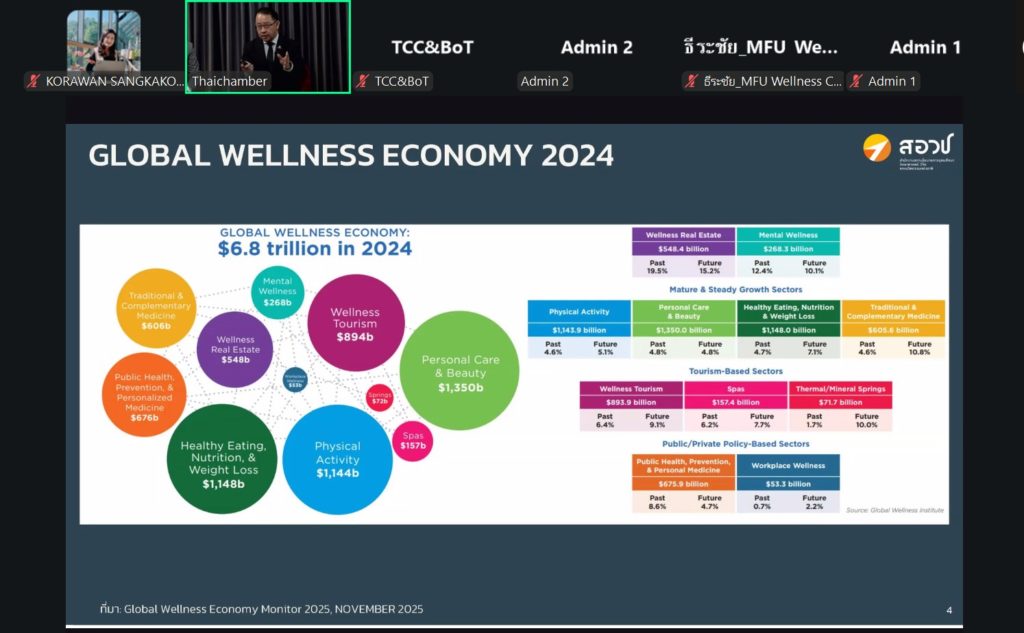
Assoc. Prof. Wongkot also outlined the role of the Ministry of Higher Education, Science, Research and Innovation (MHESI) in supporting the wellness sector through several key mechanisms: 1) Manpower development – strengthening university curricula and specialized programs such as wellness therapist training, along with reskilling and upskilling initiatives; 2) Research and innovation – supporting research through funding programs such as tourism and the creative economy, food innovation, area-based and local wisdom management, and public health; 3) Business incubation – providing funding and support for startups in health tech and deep tech; 4) Policy development – advancing standards and ethical frameworks, wellness foresight initiatives, regulatory sandboxes, consortium mechanisms, and policy white papers; 5) Data systems – developing databases on health science research, health experts and researchers, and students in health-related fields; and 6) Infrastructure development – strengthening science parks with laboratories, product testing facilities, pilot plants, and university business incubators (UBIs), as well as higher education institutions with faculties in health sciences and medical technology supported by academic experts.
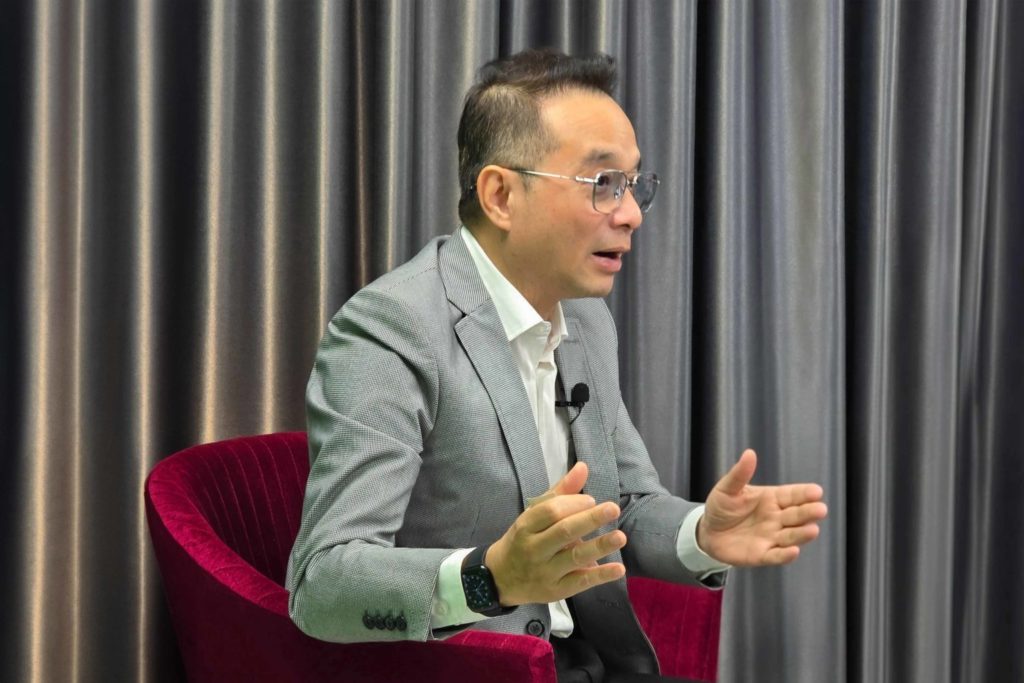
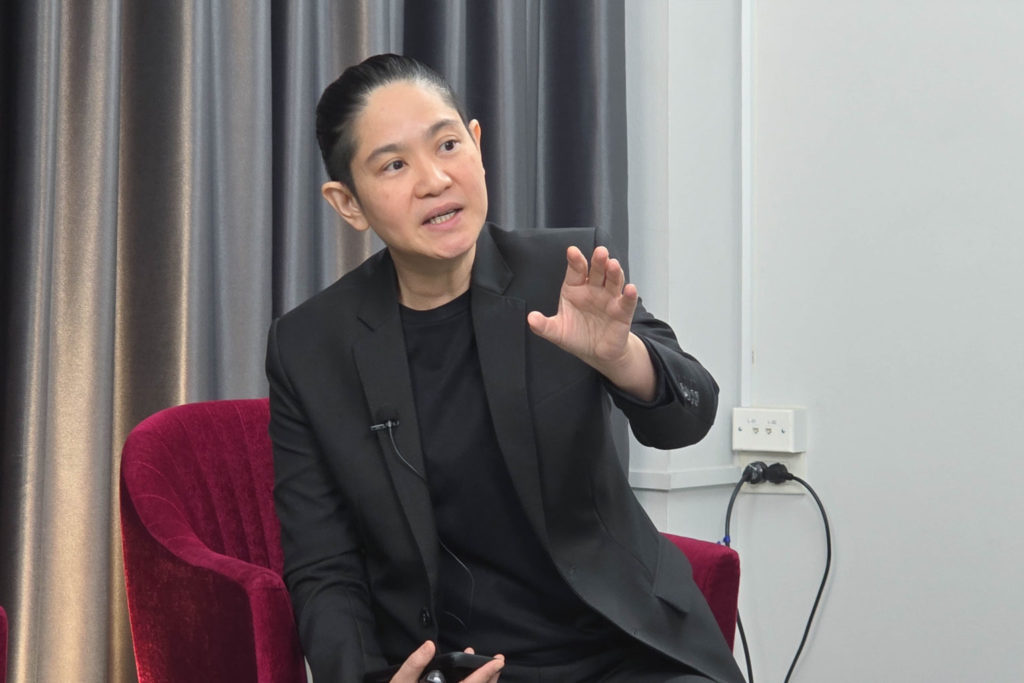
In addition, Assoc. Prof. Wongkot highlighted the STEM++ initiative, a measure designed to develop high-skilled personnel for next-generation industries. Implemented by the Board of Investment (BOI) in collaboration with NXPO and industry partners, the program aims to align workforce development with the needs of advanced technology industries. Several training programs under this initiative are also related to the food and health sectors, including programs on comprehensive medical industry specialists, healthy snack, dessert, and beverage design, advanced nutrition for the elderly, the development of food products for seniors based on IDDSI standards, and training programs for future food innovators focusing on alternative proteins.