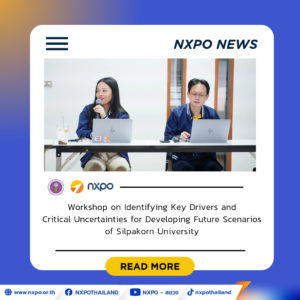
NXPO, in collaboration with Silpakorn University, organized a workshop titled “Identifying Key Drivers and Critical Uncertainties for Developing Future Scenarios of Silpakorn University” on 27 October 2026 at the university.
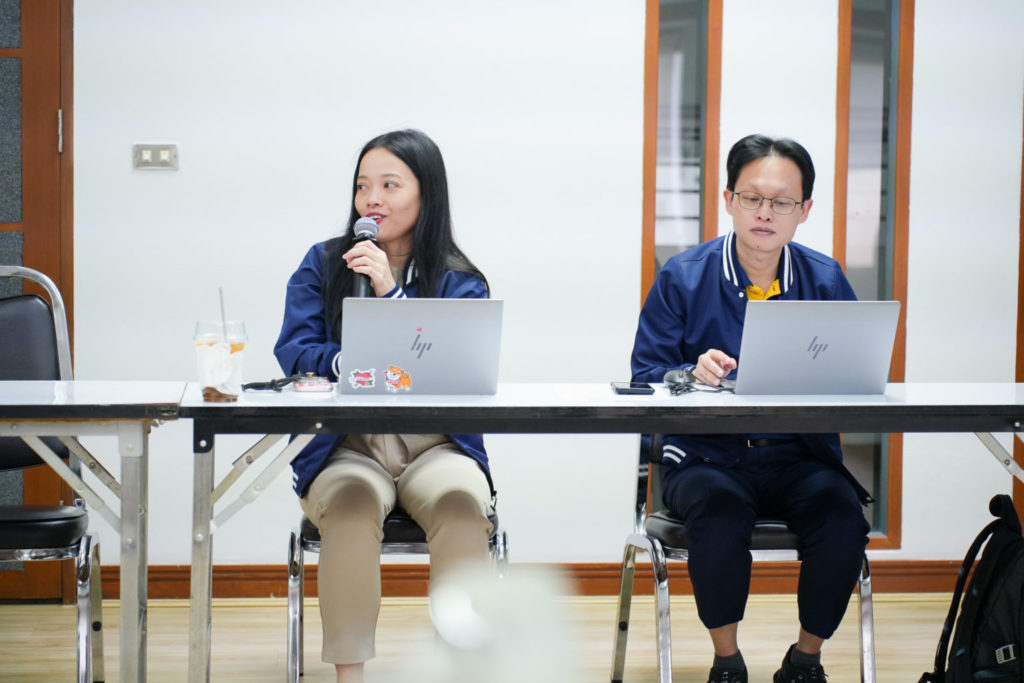
The workshop marked the first activity under the Silpakorn University Strategic Foresight & Insights Project. The project aims to examine the broader context and emerging trends shaping the university’s future, develop scenarios for the next 10 years, and use the findings to inform and refine its strategic direction.
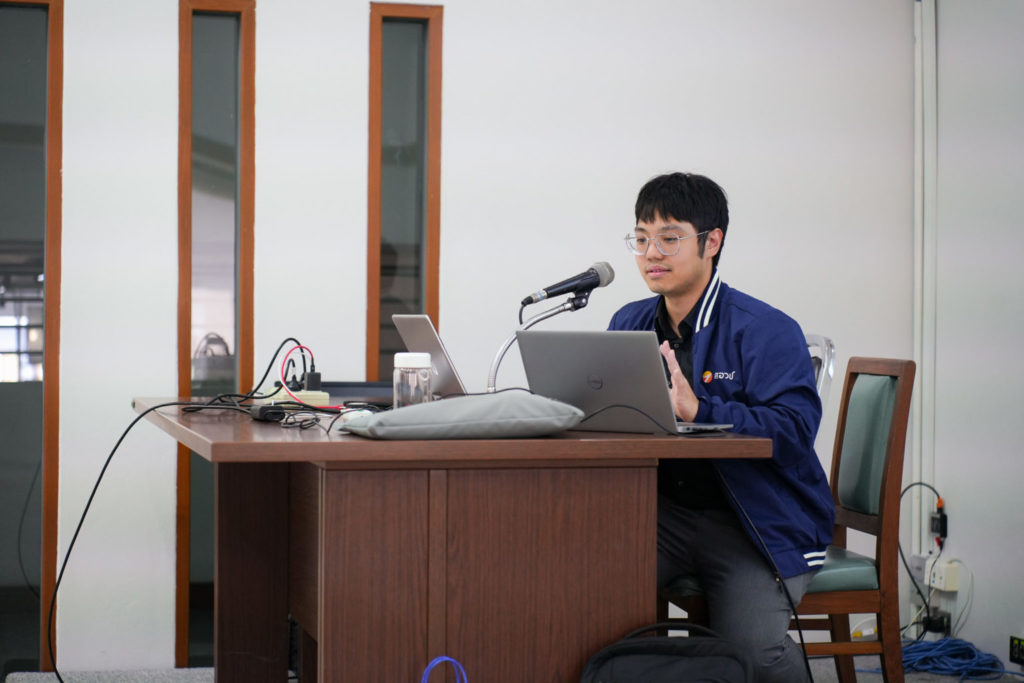
Dr. Kommate Jitvanichphaibool, Assistant to the President of NXPO, and Mr. Chatkaphat Bunnag, Policy Developer at NXPO, served as speakers and facilitators for the strategic foresight process. They introduced the fundamentals of strategic foresight, as well as key concepts and tools, including Signals, Drivers, Uncertainties, and Scenarios. These approaches help broaden strategic perspectives and inform long-term university planning. They also presented the findings of a horizon scanning exercise conducted using the STEEPV framework. The exercise identified 89 signals, which were compiled into the Silpakorn Future Radar and further analyzed to derive 23 key drivers across six dimensions: Social, Technological, Economic, Environmental, Political, and Values.
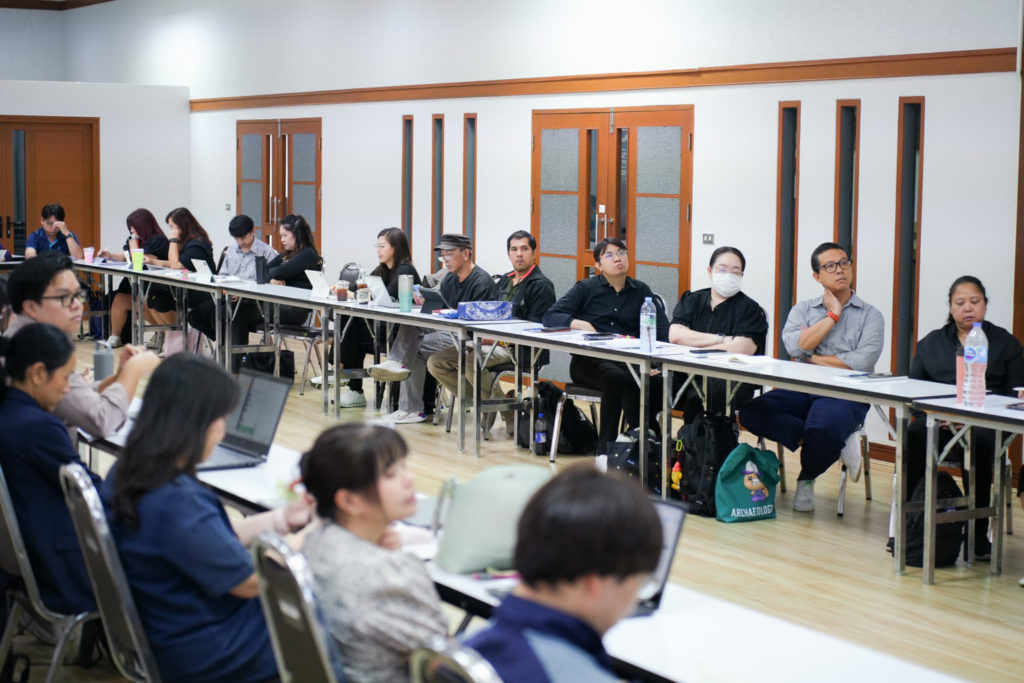

Participants from various university departments reviewed the findings and exchanged perspectives on how each driver could influence the university’s future direction. They also assessed and scored each driver in terms of its level of uncertainty and potential impact. This exercise aimed to identify the key drivers with the greatest potential impact and the most critical uncertainties, establishing a foundation for developing future scenarios for Silpakorn University.
The workshop demonstrated how strategic foresight can be systematically integrated into university planning by connecting horizon scanning and driver analysis with the strategic planning process. The prioritization results will inform the next stages of scenario development and the formulation of strategic options, helping the university strengthen its capacity to anticipate and adapt to change while pursuing a desirable and sustainable future.