On 2 October 2026, NXPO, in collaboration with the Department of Science Service (DSS), visited the WHA Eastern Seaboard Industrial Estate (ESIE) in Rayong Province to observe the testing of Level 4 connected and autonomous vehicles (CAV). The testing expands from the Testing Center for Connected and Automated Vehicles (T-CAVs) to designated routes within the industrial estate, where the test vehicle shares the road with regular traffic.
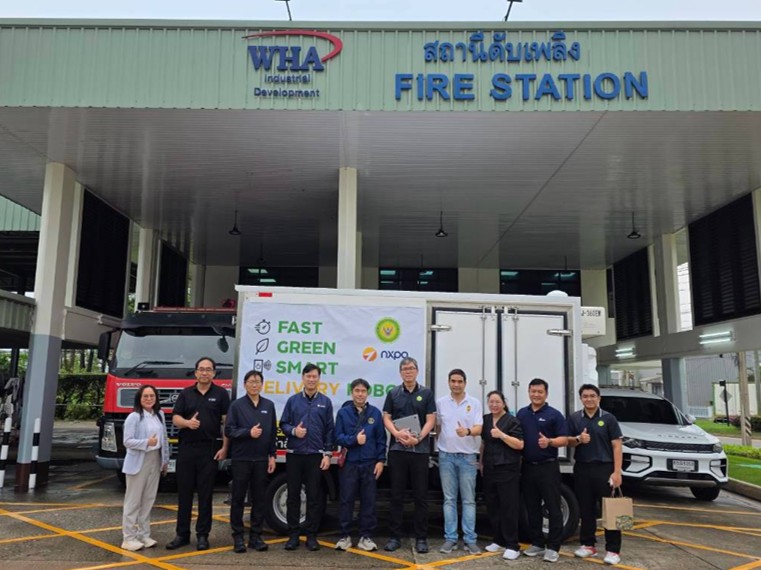
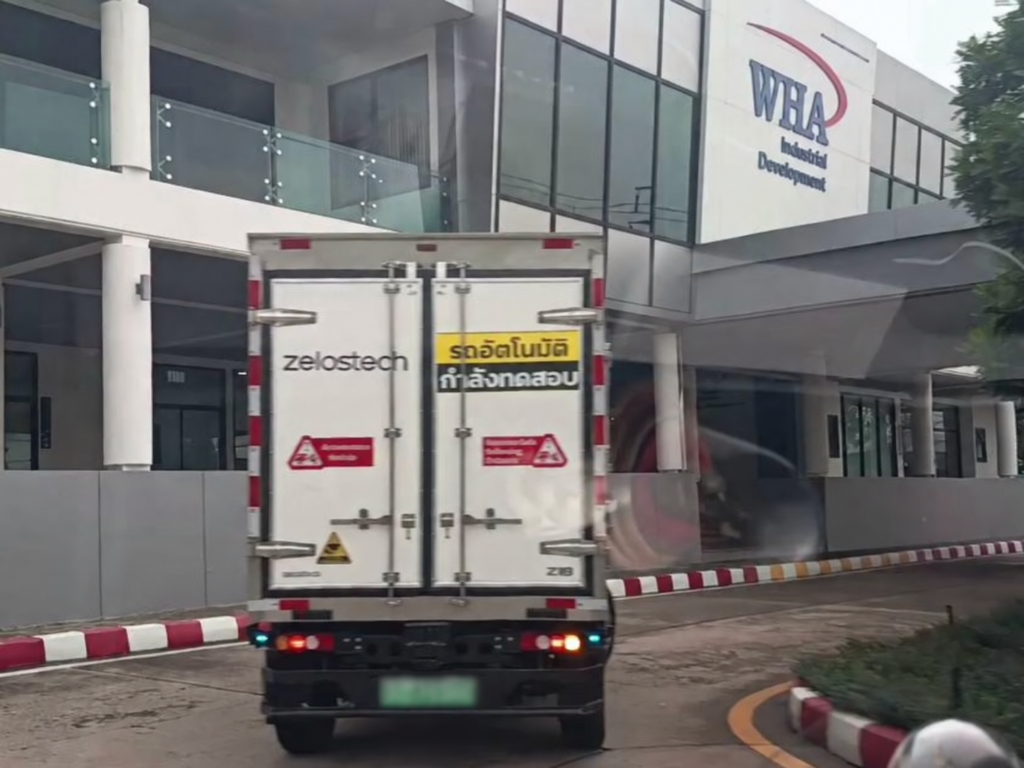
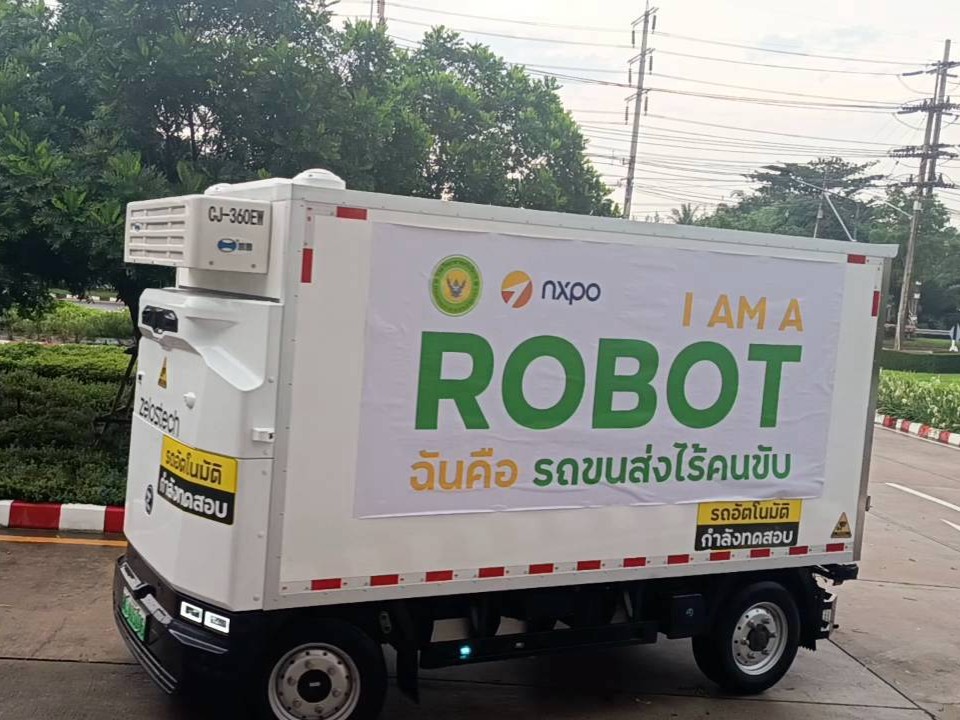
The vehicle used in the test was the ZelosTech Z10, a Level 4 autonomous vehicle designed for freight transportation. The test was conducted with support from WHA Industrial Development Public Company Limited, which provided the testing site and facilitated the testing operations. WHA ESIE covers more than 8,000 rai and has approximately 80,000 vehicles traveling through the estate each day, including passenger cars, motorcycles, and trucks. This provides a suitable environment for studying autonomous driving systems under increasingly diverse and complex real-world traffic conditions.
The testing is part of the project “Study and Development of Policy Recommendations on Level 3 and Above Connected and Autonomous Vehicles (CAV),” implemented under a Memorandum of Understanding (MOU) between NXPO and DSS. DSS is responsible for field testing and the collection and analysis of technical data, while NXPO supports the study and translates its findings into policy recommendations. NXPO also facilitates collaboration among regulatory agencies, research organizations, and the private sector to prepare Thailand for the testing, regulation, and further development of CAV technologies.
The visit team comprised Dr. Thanakarn Wongdeethai from the NXPO Future Mobility Policy Division and member of the Project Steering Committee; Dr. Pasan Kulvanit, Project Leader and member of the Project Steering Committee; Asst. Prof. Dr. Ananchai Ukaew, Chair of the Project Steering Committee; Mr. Worawuth Kovongpanich, Advisor to the Project Steering Committee; and Mr. Rakphol Kangnoy, representative of WHA Industrial Development.
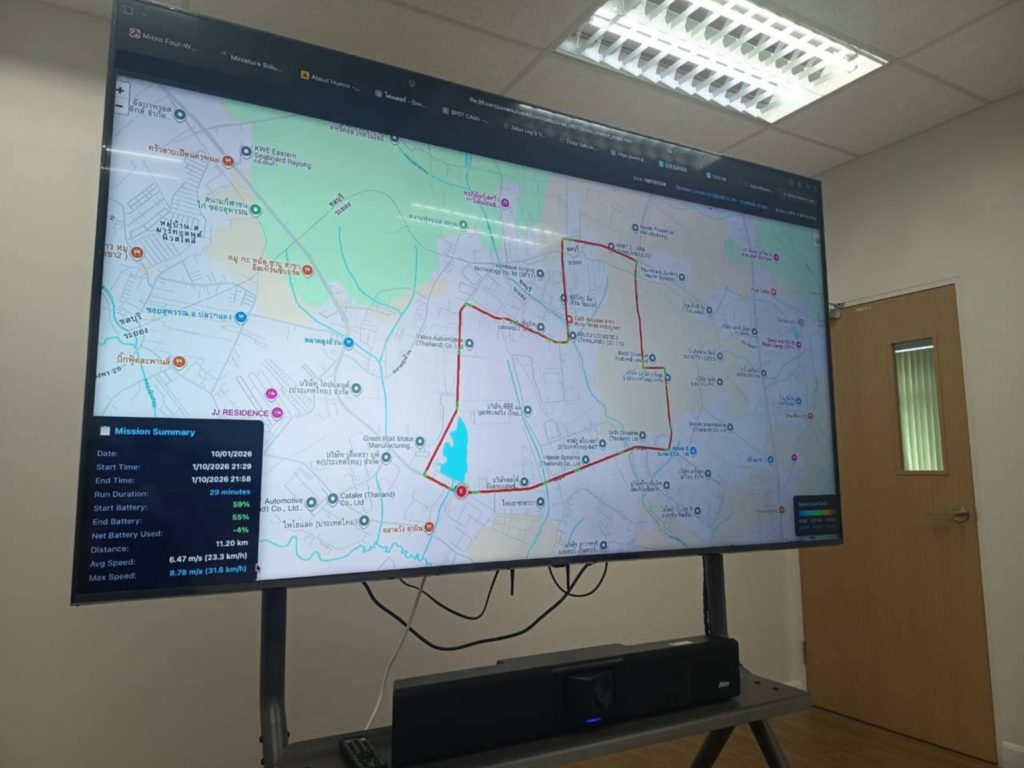
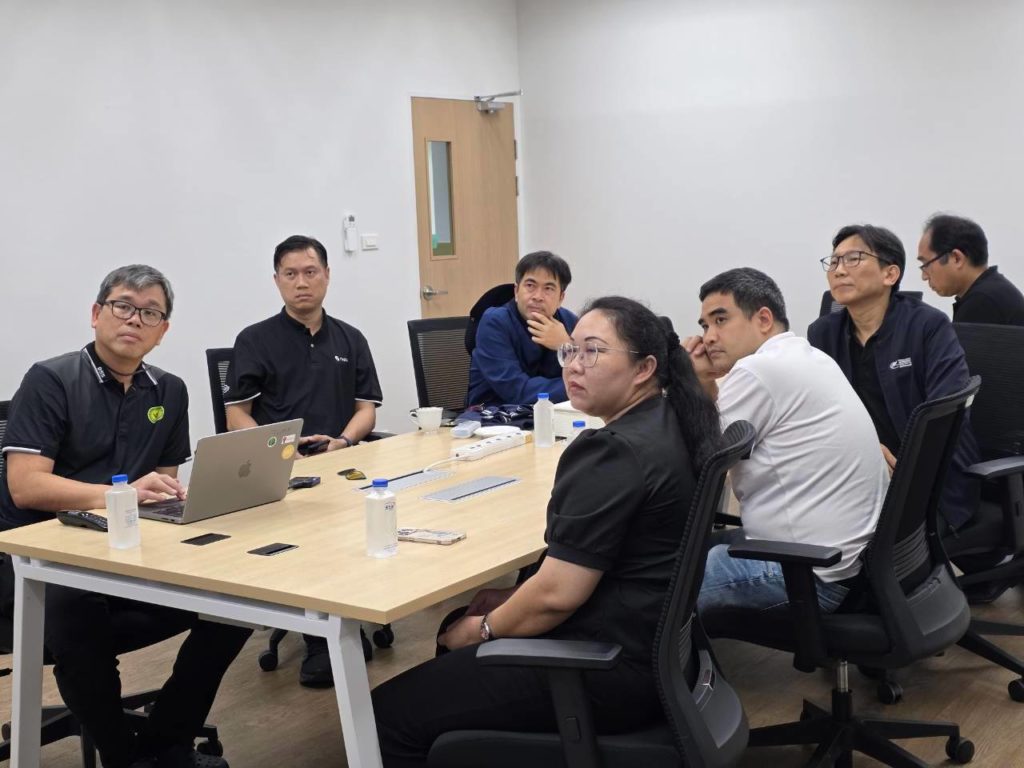
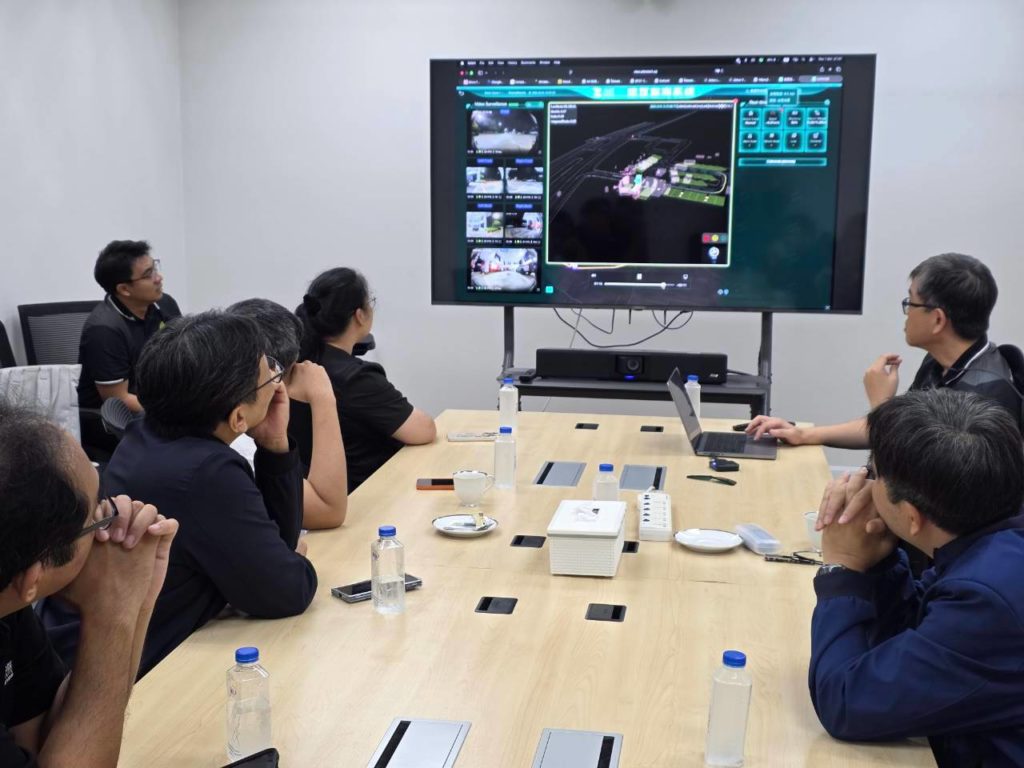
Testing at WHA ESIE was conducted from 22 September to 2 October 2026 along designated routes within the industrial estate, where different types of vehicles shared the roads. The testing builds on trials conducted at the T-CAVs Intelligent Vehicle Proving Ground in Wangchan Valley, moving from a controlled environment toward conditions that more closely resemble actual use. The aim is to study the capabilities and limitations of the technology within Thailand’s road and traffic context.
Before testing began, DSS developed a high-definition (HD) map of the test routes using 3D LiDAR, surround-view cameras, the Global Navigation Satellite System (GNSS) for satellite-based positioning, and an Inertial Measurement Unit (IMU) for measuring vehicle motion. The team also analyzed the system’s Operational Design Domain (ODD) to better understand specific characteristics of Thai roads, including intersections, speed bumps, roadside-parked vehicles, traffic signals, and varying traffic conditions. During testing, data were recorded in accordance with the Data Storage System for Automated Driving (DSSAD) framework, allowing the vehicle’s performance and responses to be systematically analyzed. The testing referenced international standards, including ADAS EURO NCAP and ISO 22737:2021, covering Low-Speed Automated Driving (LSAD) systems operating on designated routes within a clearly defined ODD.
The testing focused on key aspects of Level 4 CAV performance, including perception, decision-making, and vehicle control and response under different conditions, including heavy traffic, nighttime operation, and rainfall. The objective was to examine how the system perceives and responds to road conditions, weather, and road-user behavior in the Thai context.
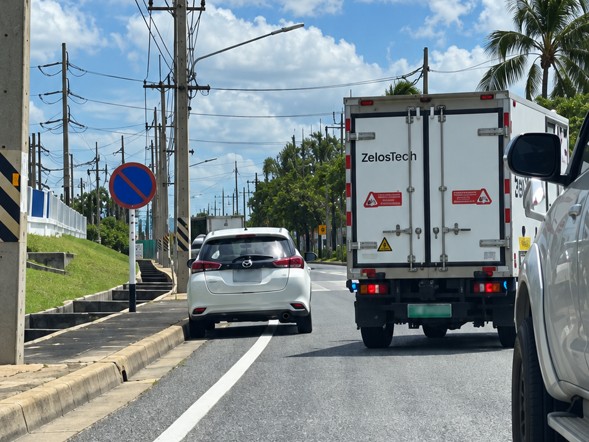
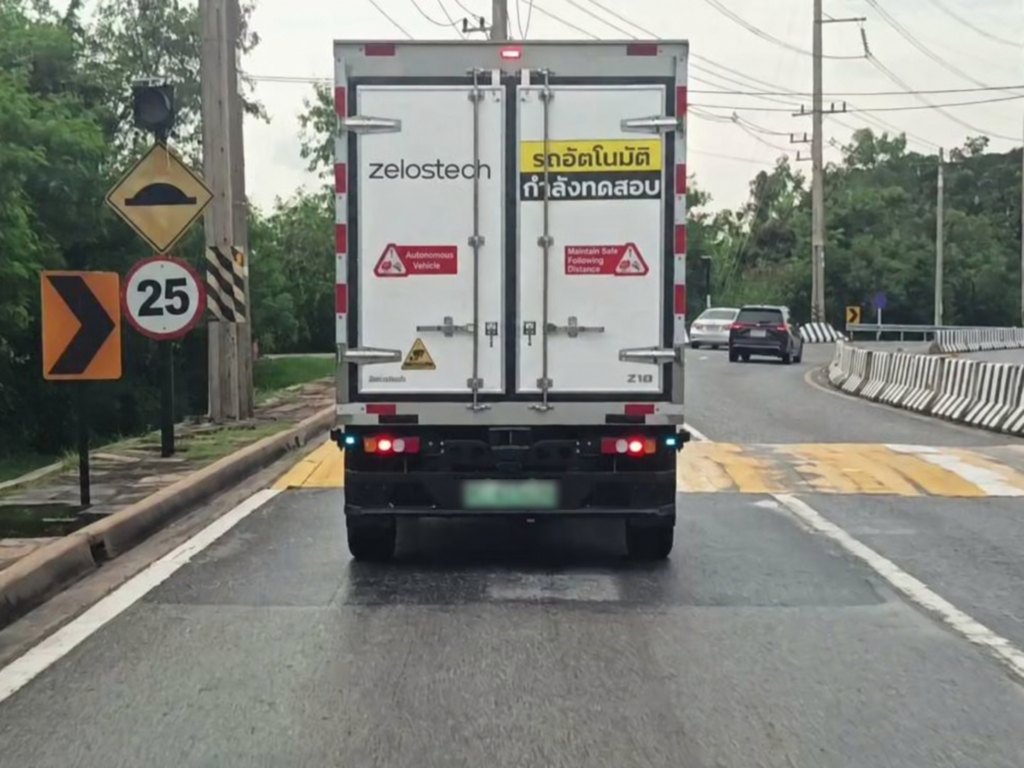
Preliminary results showed that the vehicle was able to perform its primary functions under the specified test conditions. These included recognizing and responding to traffic signals, slowing down when approaching speed bumps, and reducing speed when the system detected heavy rainfall. Overall, the vehicle was able to respond appropriately to situations encountered during the testing.
However, the testing also identified areas requiring further development, particularly during the initial adaptation of the system from right-hand traffic to Thailand’s left-hand traffic environment, both in terms of software and map-data integration. The development team subsequently made adjustments, resulting in improved system stability. Some situations also require further study with ZelosTech, including determining appropriate turning paths and responding to road conditions or situations not specified on the map. These improvements will be important for enhancing the consistency and safety of the system before testing is expanded to more open environments.
Throughout the testing period, staff closely monitored the system’s operation. The vehicle operated along a designated loop route within the industrial estate, with its speed controlled throughout the test. No accidents occurred during the testing. The vehicle also encountered real-world situations, including animals crossing in front of it and sharing the road with large trucks. These situations provided useful data for analyzing the system’s responses under actual traffic conditions in Thailand.
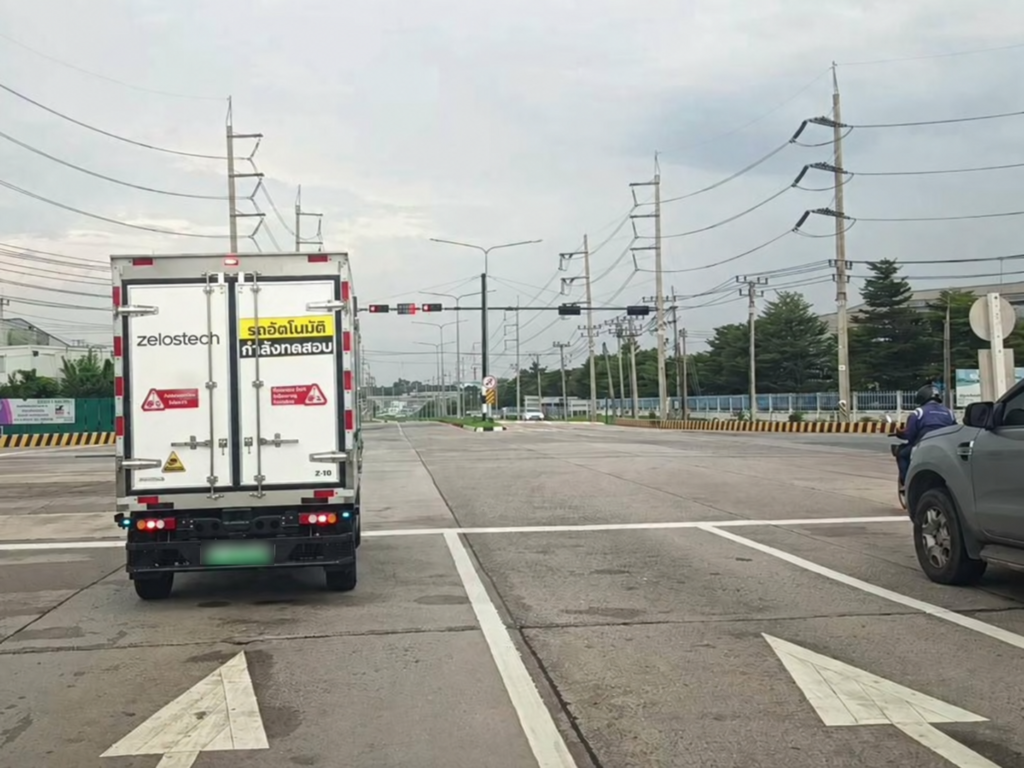
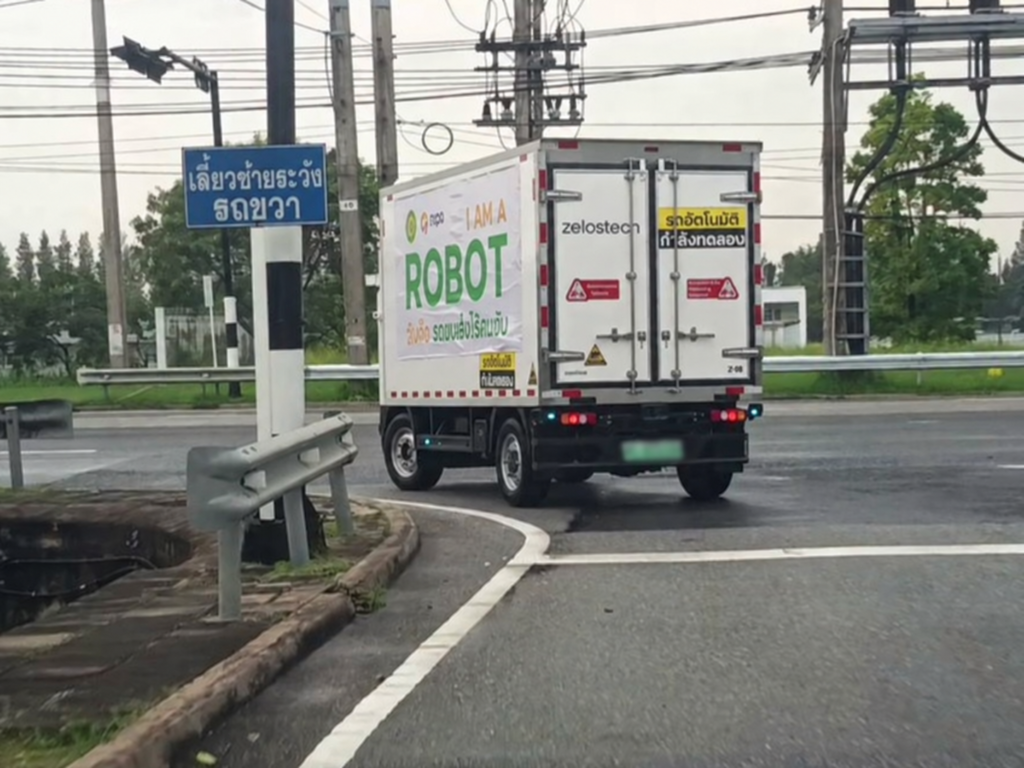
The results of the testing, including both the vehicle’s performance against its intended objectives and the limitations identified, will provide important information for the gradual and safe expansion of testing from proving grounds to environments that more closely resemble real-world use. In the future, the findings may also support consideration of testing in semi-closed areas or on public roads within an innovation sandbox, provided that the necessary technological capabilities, safety measures, testing areas, and relevant regulations are in place.
Future expansion of testing will require consideration of several factors, including vehicle and road-user safety, the designation of testing areas and routes, data storage, liability in the event of incidents, and insurance. Consultation and coordination with relevant agencies and stakeholders will also be necessary, in accordance with their respective roles and authorities, before proceeding at each stage.
Beyond assessing technological readiness, testing autonomous vehicles in areas with real traffic provides an opportunity to examine how well the technology can operate under Thai road conditions, alongside different types of vehicles and local road-user behavior. It can also help familiarize the public with autonomous vehicle technology and improve understanding of its potential role in Thailand’s future transportation and logistics systems.
The data obtained from the testing will be analyzed together with findings from other areas of the study to develop policy recommendations for supporting connected and autonomous vehicles in Thailand. These recommendations will cover testing methodologies, safety, regulation, and national preparedness, with the aim of ensuring that the future deployment of the technology is appropriate and safe.
In the long term, preparing for CAVs involves more than bringing autonomous vehicles onto the roads. It is also linked to opportunities to develop technologies, components and electronic systems, infrastructure, testing and standards, and the skills of the Thai workforce. These efforts will help Thailand adapt to and benefit from advanced transportation technologies while further strengthening the capabilities of the Thai automotive industry.