NXPO participated in the 89th Meeting of the ASEAN Committee on Science, Technology and Innovation (COSTI-89) and related meetings, held from 22–26 June 2026 in Vientiane, Lao PDR. Hosted by the Ministry of Education and Sports of Lao PDR, the meetings served as a platform for ASEAN Member States to jointly shape the future direction of regional cooperation in science, technology and innovation (STI) and review the implementation of the ASEAN Plan of Action on Science, Technology and Innovation (APASTI) 2026–2035, which officially commenced in 2026.
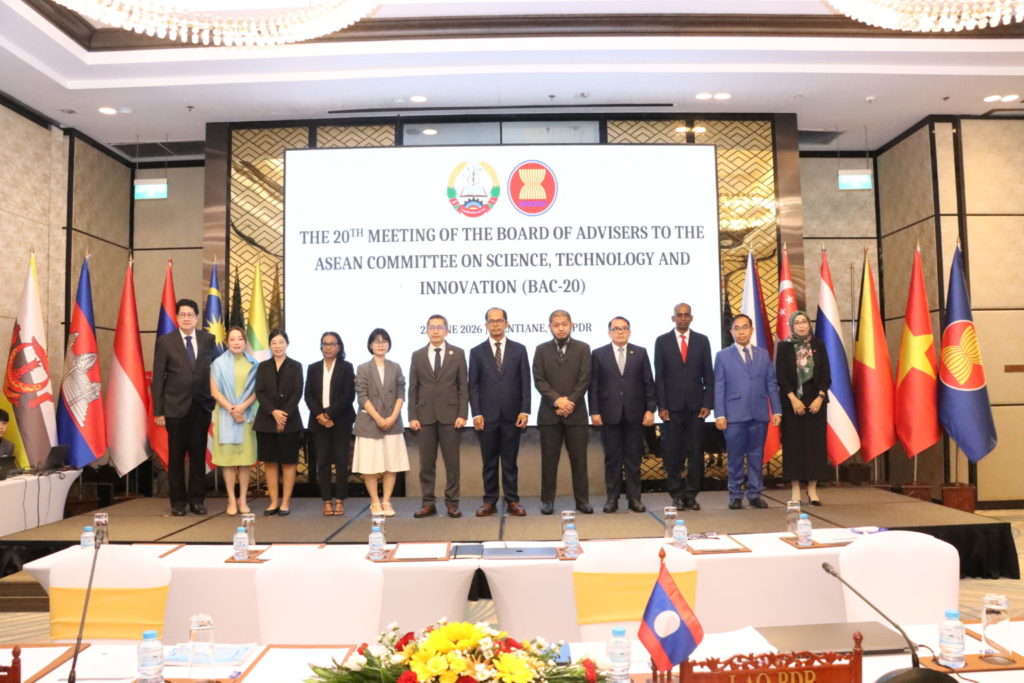
At the 20th Meeting of the Board of Advisers to the Committee on Science, Technology and Innovation (BAC-20), held on 22 June 2026, Dr. Doungkamon Phihusut, Policy Specialist at NXPO, represented Thailand in formulating recommendations for submission to COSTI-89. Key topics included the management of the ASEAN Science, Technology and Innovation Fund (ASTIF), the launch of the ASTIF Call 2026 under the theme “ASEAN Grand Challenge: AI-Enabled Competitive and Resilient Region,” the development of the Annual Milestone Deliverables (AMD) framework, the monitoring and evaluation of APASTI 2026–2035 through a dashboard system, and the restructuring of COSTI sub-committees to align with the new APASTI framework. BAC also endorsed a proposal for COSTI to approve the ASEAN–EU ELEVATE (Enabling Local Expertise for Value-Added Technology TransfEr) Initiative: Enhancing the Capabilities of ASEAN Technology Transfer Offices as Singapore’s Annual Milestone Deliverable (AMD) for 2027. Implemented by the ASEAN Sub-Committee on STI Ecosystem (SC-STIE), the initiative aims to strengthen the capabilities of technology transfer offices (TTOs) across ASEAN and promote the commercialization of research and innovation throughout the region.
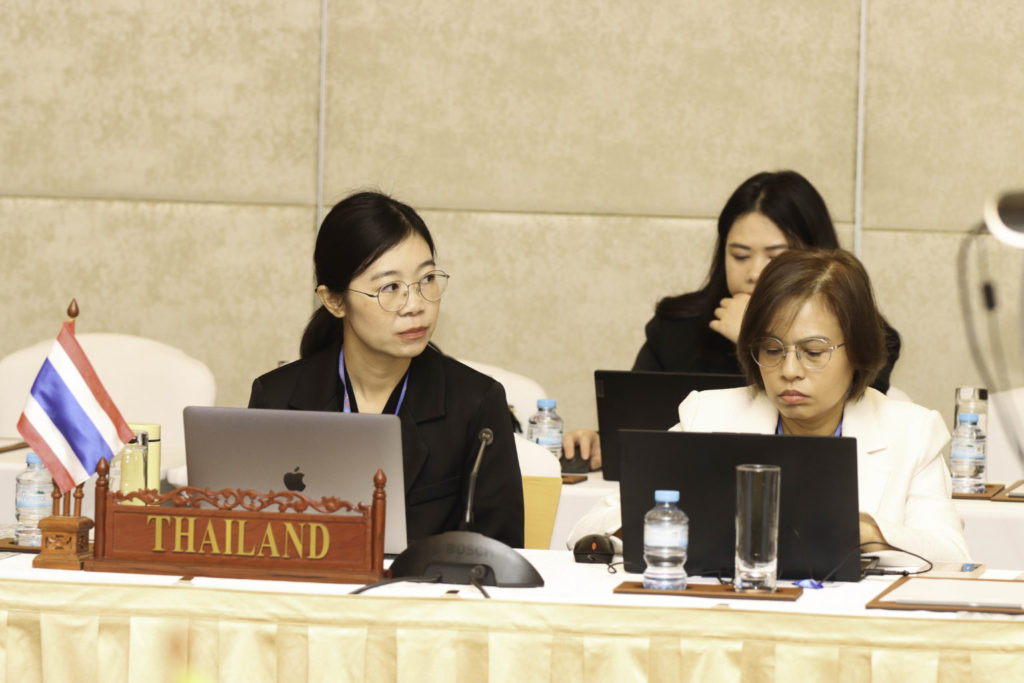
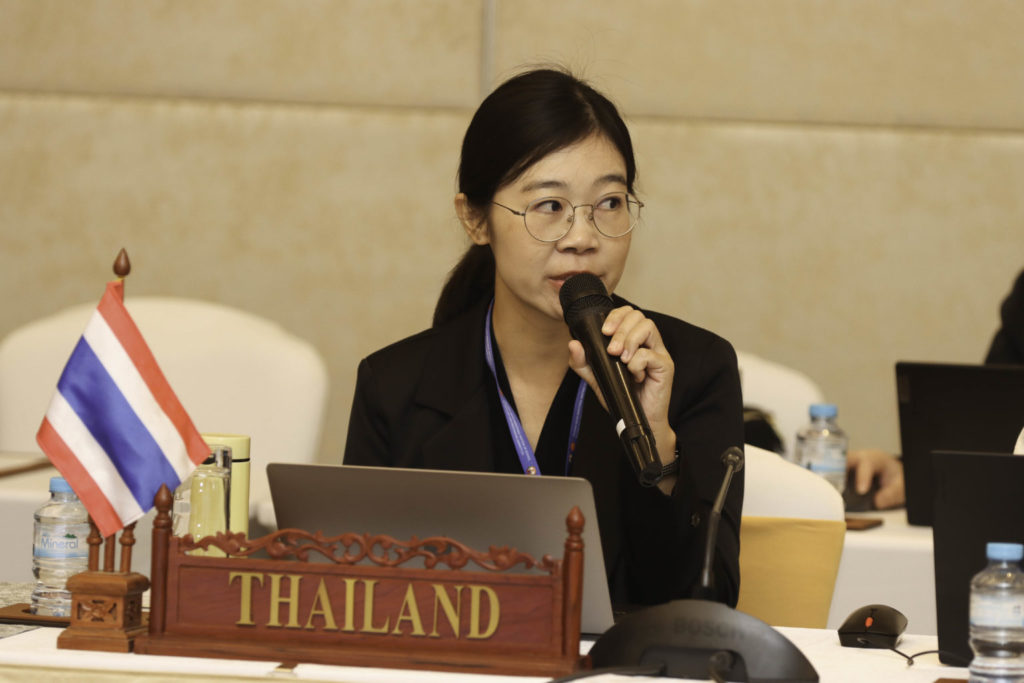
During COSTI-89, held on 23 June 2026, the Thai delegation was led by Prof. Dr. Supachai Pathumnakul, Permanent Secretary of the Ministry of Higher Education, Science, Research and Innovation (MHESI), and included representatives from NXPO, the National Science and Technology Development Agency (NSTDA), the Geo-Informatics and Space Technology Development Agency (GISTDA), and the Thailand Institute of Nuclear Technology (TINT). As the Country Coordinator for ASEAN–Republic of Korea (ASEAN–ROK) STI Cooperation, Thailand presented progress on the implementation of the ASEAN–ROK STI Workplan 2025–2027, highlighting initiatives in human resource development, innovation and entrepreneurship promotion, and the enhancement of regional research infrastructure.
COSTI-89 also considered the recommendations submitted by BAC-20 and endorsed several key initiatives, including the ASEAN–EU ELEVATE project. The meeting further tasked BAC with developing operational guidelines for STI Partnership Contributions, including clear reporting mechanisms to facilitate support from ASEAN Member States and dialogue partners for regional STI initiatives. The meeting also reviewed progress in ASEAN’s STI cooperation with dialogue partners and international organizations. As part of ASEAN’s collaboration with the Organisation for Economic Co-operation and Development (OECD), the OECD STIP Compass was introduced as a policy database to support evidence-based STI policy analysis and development. The initiative also offers opportunities to expand project-based collaboration with ASEAN Member States in the future.
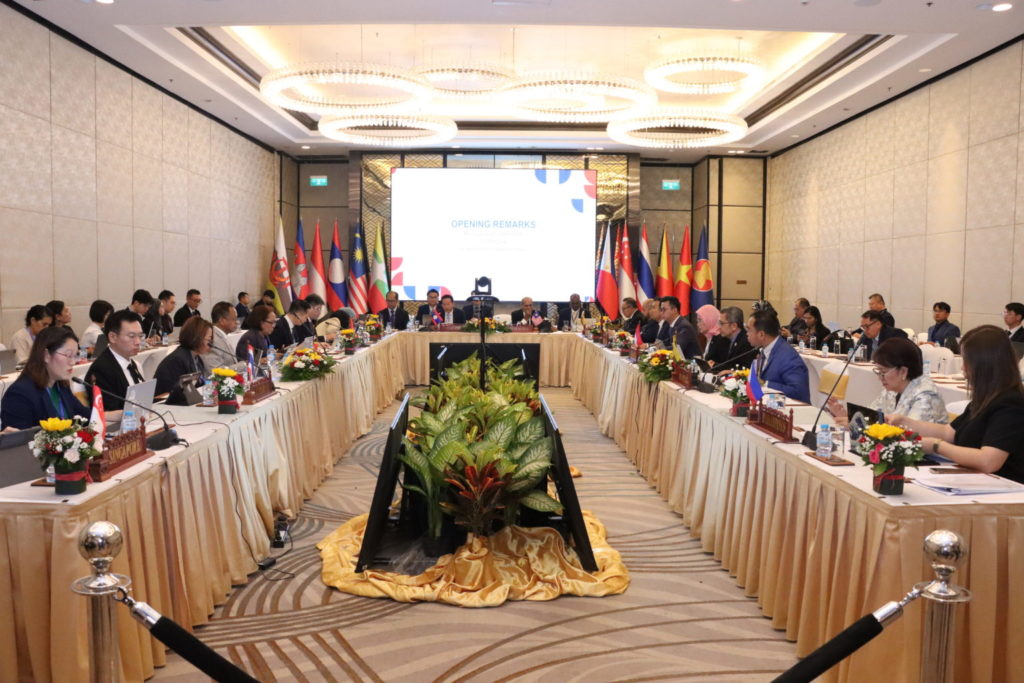
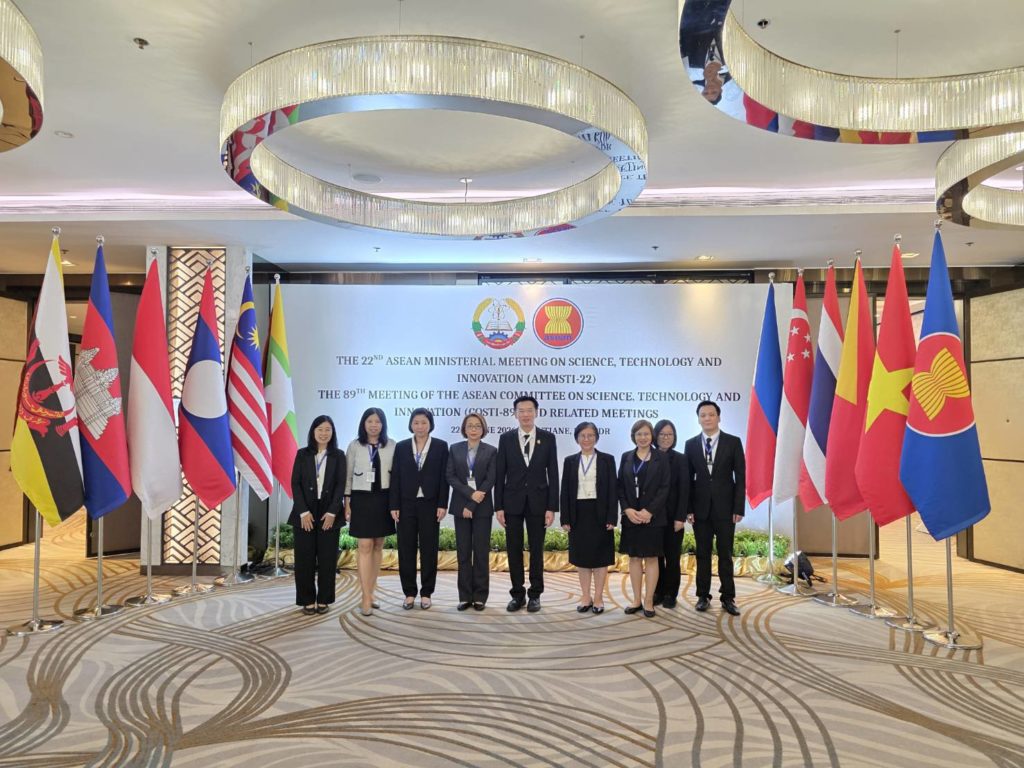
On 24 June 2026, NXPO participated in the ASEAN STI Cooperation with Dialogue Partners meetings, including the 15th Meeting of the ASEAN–Japan Cooperation Committee on Science and Technology (AJCCST-15), the 7th Meeting of the ASEAN–Republic of Korea Joint Science, Technology and Innovation Committee (AKJSTIC-7), and the 13th Meeting of the ASEAN–China Joint Science, Technology and Innovation Committee (ACJSTIC-13). The meetings reviewed progress on collaborative projects under ASEAN’s dialogue partnership frameworks. These included a project supported by the Japan–ASEAN Integration Fund (JAIF) that applies satellite data to assess rice cultivation areas and disaster-related crop damage across ASEAN. Participants also learned about the strategic direction of Japan’s RIKEN research institute, which focuses on building international research networks to address global challenges. In addition, ASEAN Member States exchanged updates on STI cooperation with the Republic of Korea and China, covering joint research, human resource development, and technology transfer initiatives across the region.
At the 22nd ASEAN Ministerial Meeting on Science, Technology and Innovation (AMMSTI-22), held on 26 June 2026, Prof. Dr. Yodchanan Wongsawat, Deputy Prime Minister and Minister of Higher Education, Science, Research and Innovation, proposed the establishment of an ASEAN Semiconductor Cooperation Framework to strengthen regional collaboration in workforce development, research and innovation, and the shared use of research infrastructure. The proposed framework aims to enhance ASEAN’s competitiveness, strengthen the resilience of the regional semiconductor supply chain, and accelerate the implementation of APASTI 2026–2035.
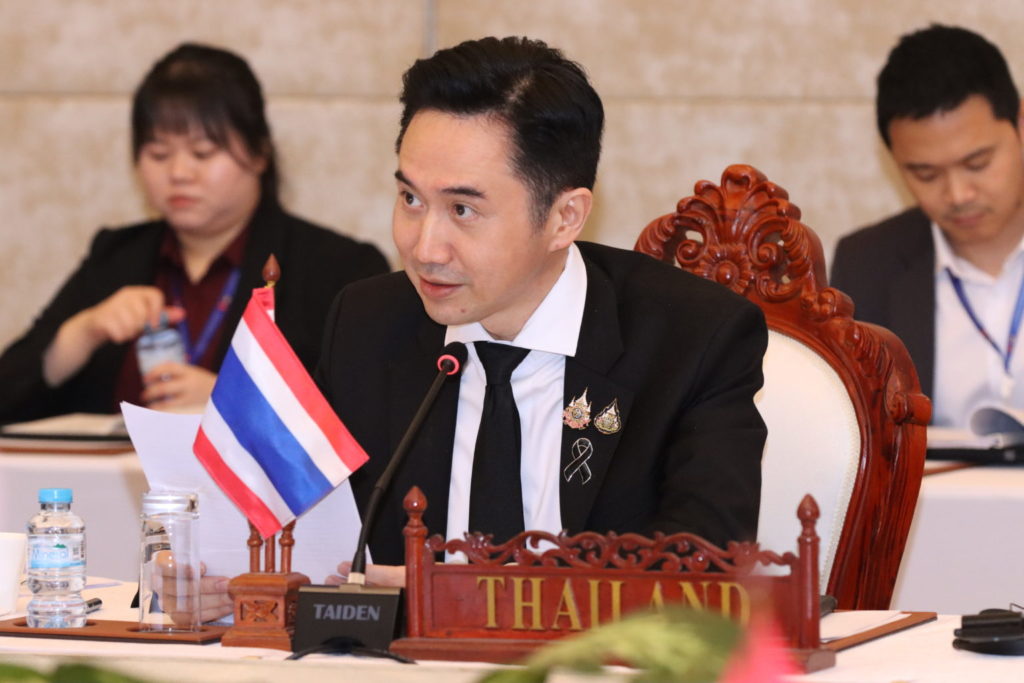
Thailand’s participation in COSTI-89 and the related meetings underscores the country’s proactive role and strategic vision in advancing ASEAN cooperation in science, technology and innovation. By leveraging STI as a key driver for addressing regional challenges, enhancing economic competitiveness, and promoting sustainable development through collaborative research, human capital development, stronger linkages among research infrastructures, and international partnerships, Thailand continues to contribute to the effective implementation of APASTI 2026–2035 and to the long-term prosperity of the ASEAN Community.