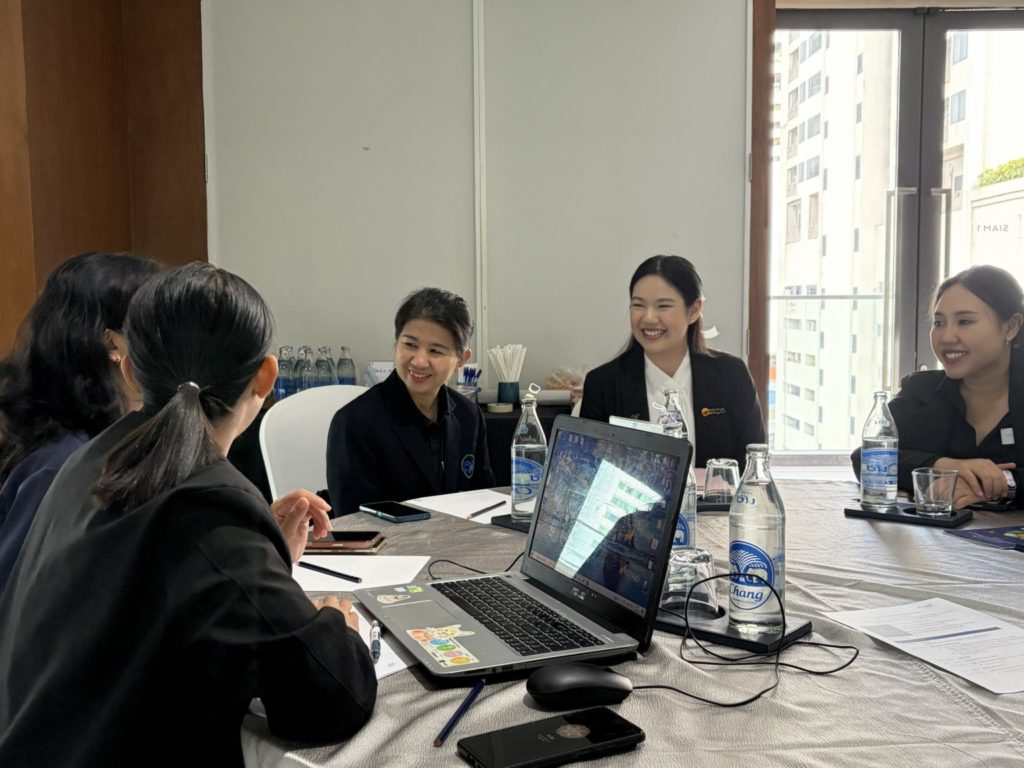
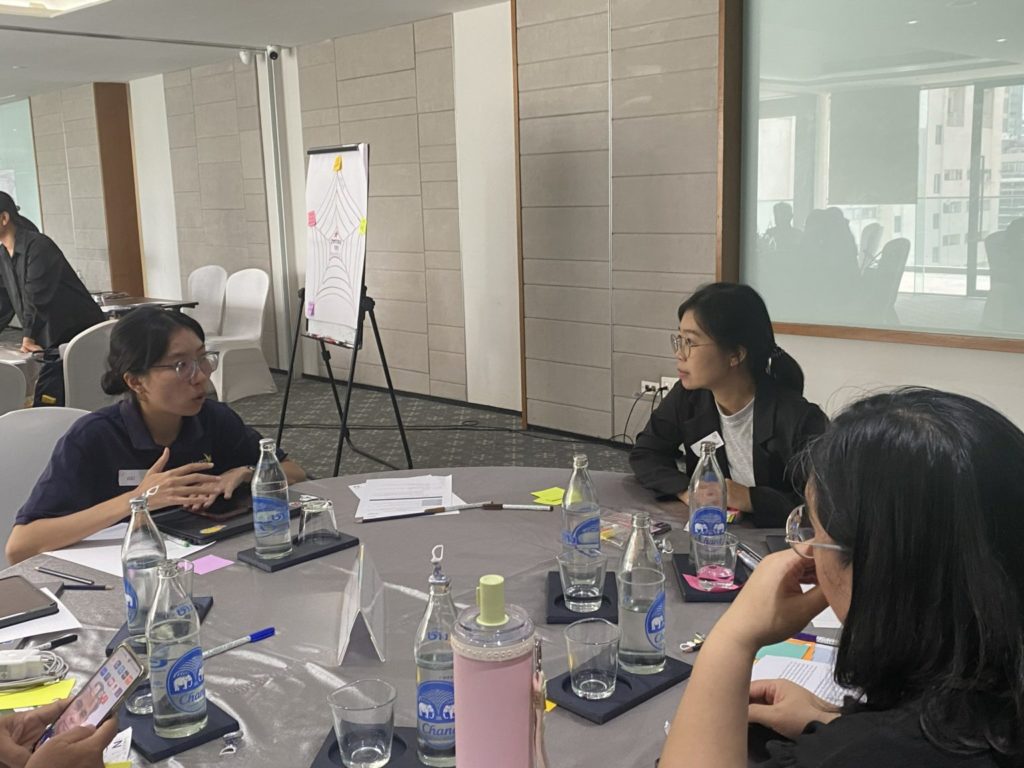
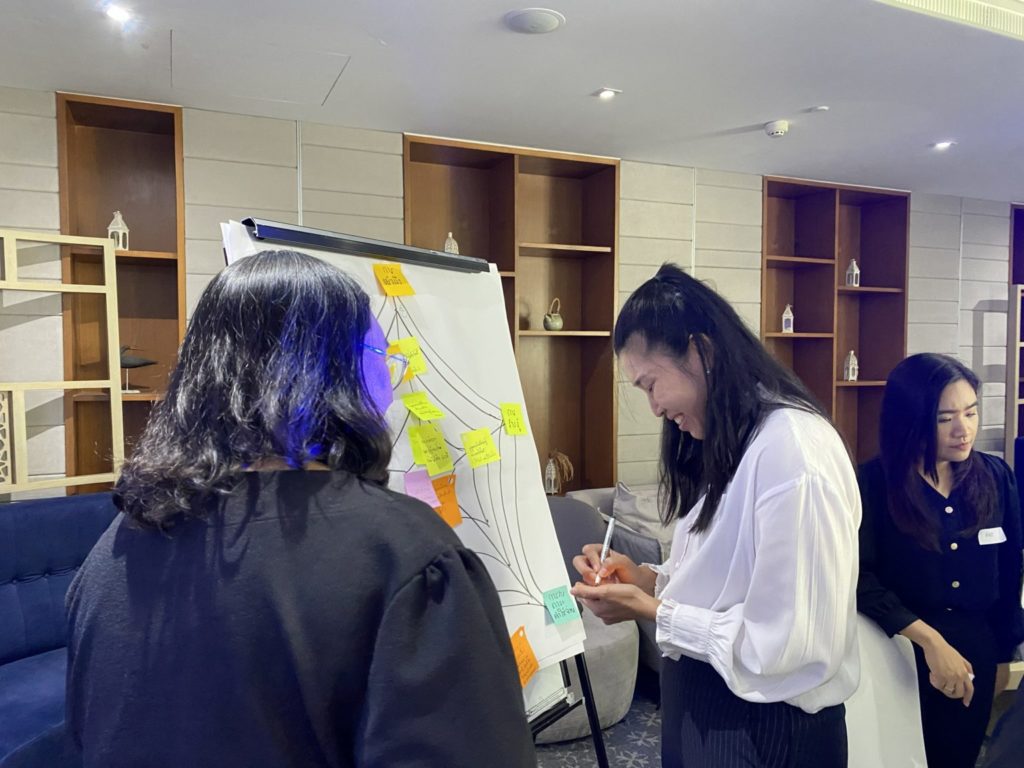
On 8 July 2026, NXPO, in collaboration with the Asian Development Bank (ADB), organized a consultation workshop under the research project “Gender Equality and Social Inclusion in AI-Powered Precision Agriculture for Climate Change Adaptation in Thailand” at Novotel Bangkok Sukhumvit 20. The workshop brought together representatives from government agencies, the private sector, academia, civil society organizations, and farmer groups to exchange perspectives for the inclusive and equitable adoption of artificial intelligence (AI) in Thailand’s agricultural sector.
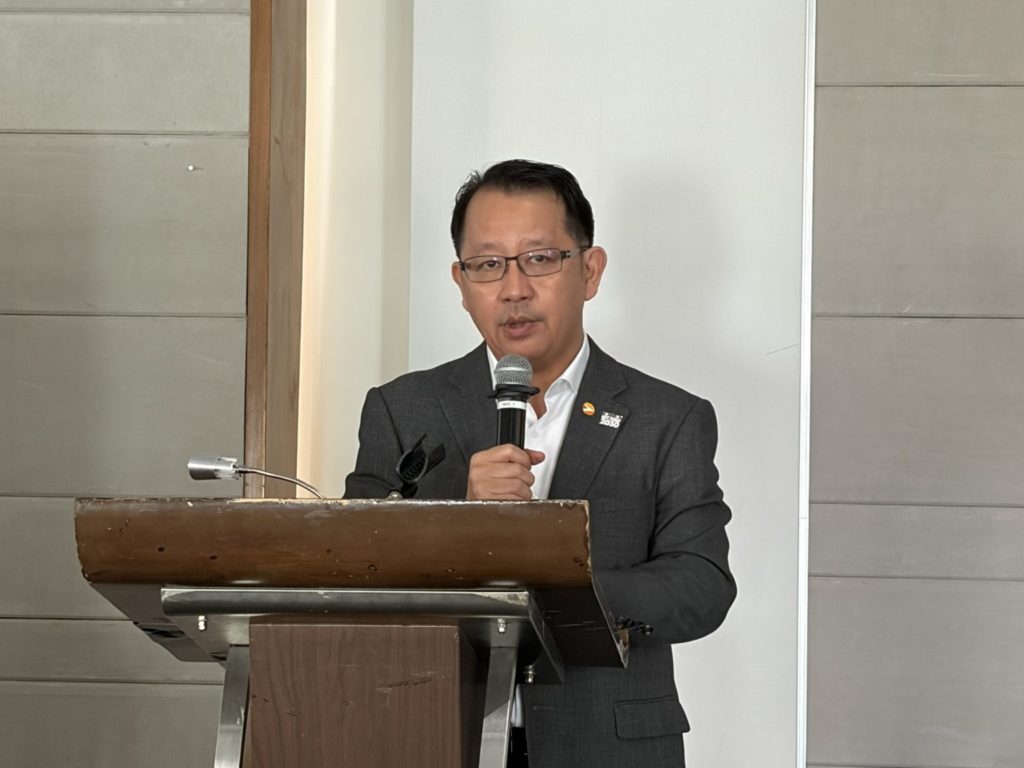
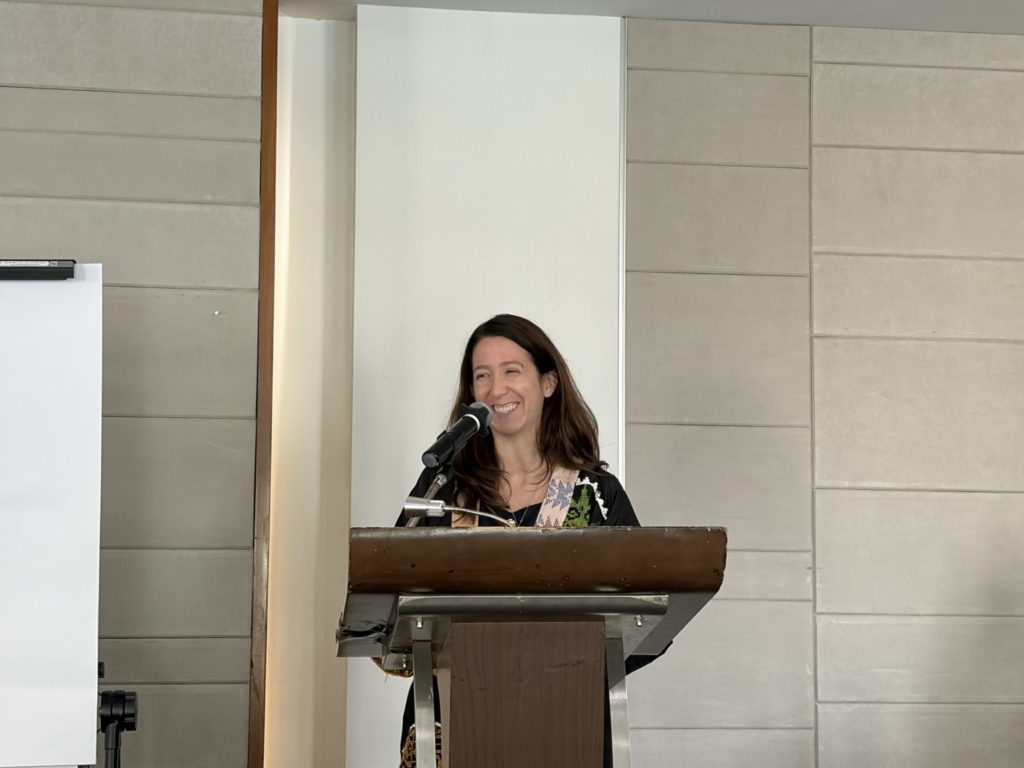
In his opening remarks, Assoc. Prof. Wongkot Wongsapai, Vice President of NXPO, said the workshop forms part of the collaboration between NXPO and ADB under a technical assistance project that promotes the integration of gender equality, disability, and social inclusion (GEDSI) into climate change policies and measures across Southeast Asia. As part of this initiative, Thailand is examining the application of AI-powered precision agriculture as a strategic tool for enhancing agricultural productivity and climate resilience. By integrating weather data, satellite imagery, and field sensor information, AI can improve weather forecasting and risk assessment, enabling farmers to make more informed decisions on crop planning, planting and harvesting schedules, irrigation, fertilizer application, and soil and nutrient management based on local conditions. These technologies can help reduce production costs, improve resource efficiency, minimize environmental impacts, and increase both the quality and quantity of agricultural outputs. At the same time, the initiative seeks to ensure that farmers from all groups can benefit equitably from technological innovation.
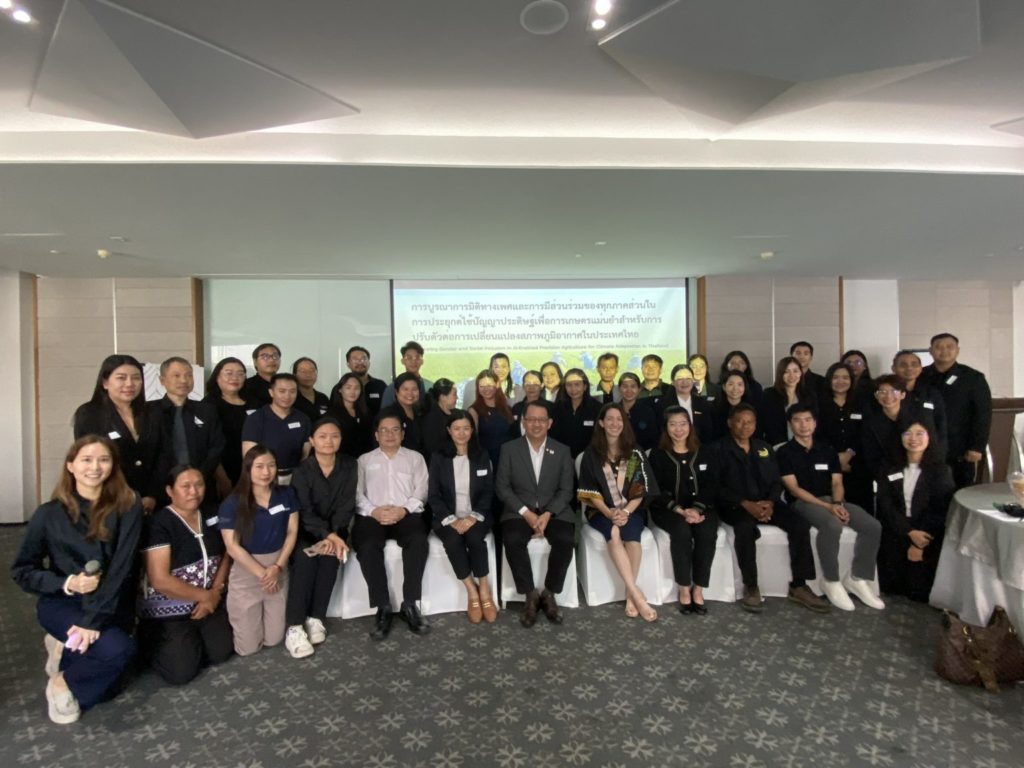
Ms. Claire Charamnac, Social Development Specialist, Gender Equality Division (CCGE), Climate Change and Sustainable Development Department (CCSD), Asian Development Bank (ADB), said the study represents an important step toward understanding the structural barriers that different groups of farmers face in accessing and benefiting from AI technologies, particularly those who have limited access to opportunities and resources. She noted that the preliminary findings indicate that gender inequality remains a significant barrier to women’s access to digital technologies, information, and financial resources. In many farming households, decisions related to investment, as well as ownership of land and assets continue to be concentrated among male family members, limiting women’s ability to invest in and adopt new agricultural technologies. Ms. Charamnac emphasized that policies supporting technology adoption and climate change adaptation should be evidence-based while fully integrating gender equality, disability, and social inclusion considerations. Such an approach would help ensure that AI technologies generate broad-based benefits and leave no one behind. She also reaffirmed ADB’s commitment to continuing its collaboration with Thailand and relevant partners to translate the study’s findings into concrete policies and practical action.
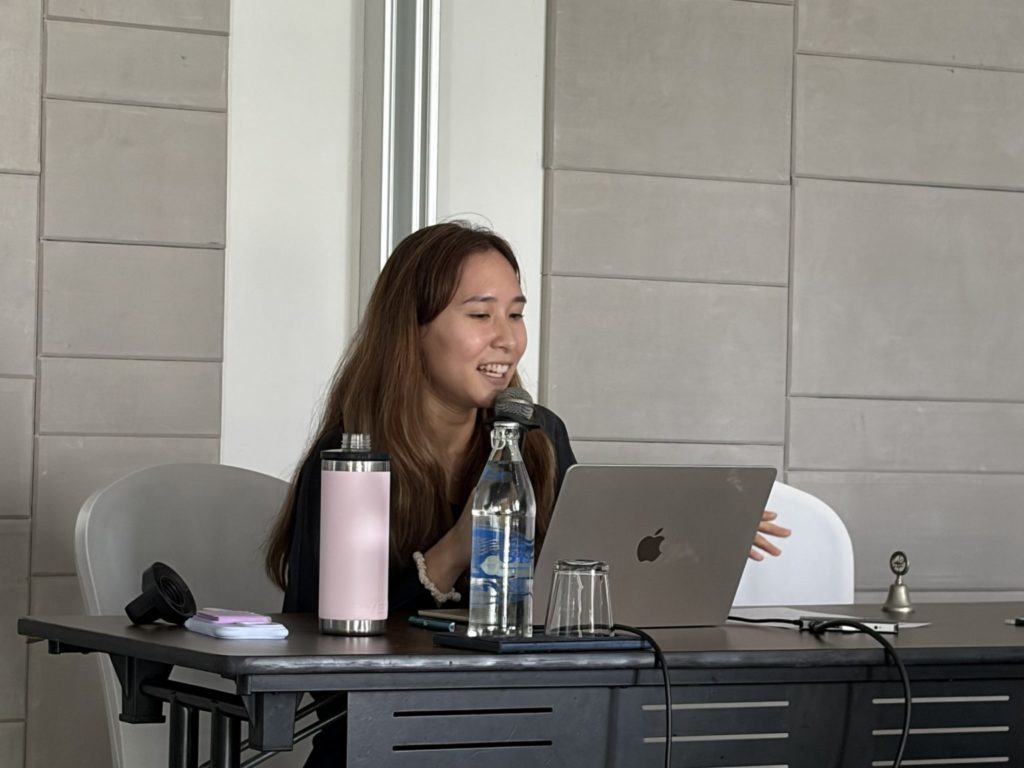
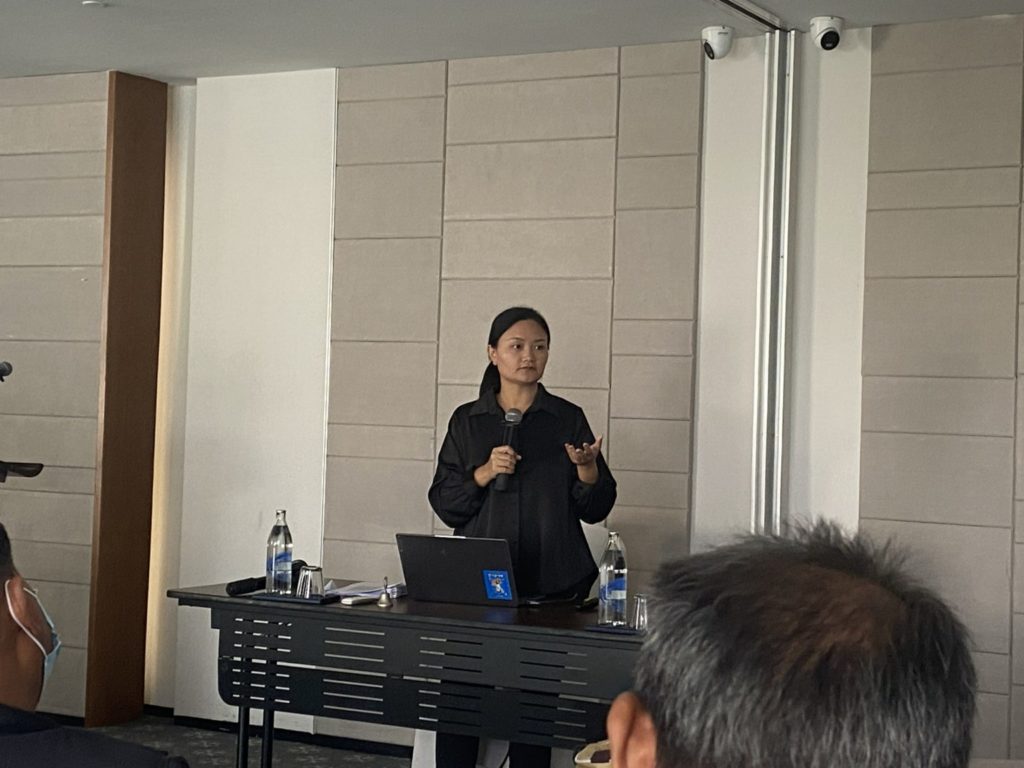
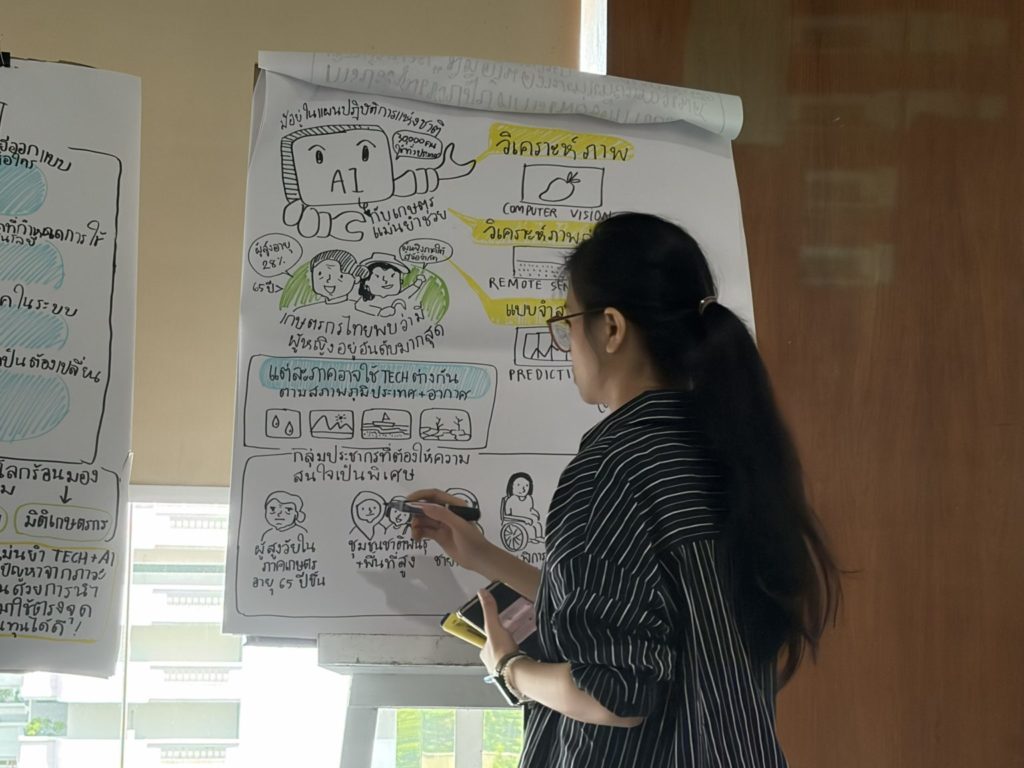
During the workshop, ADB project consultants Ms. Krongkaew Panjamahaporn, Specialist in Gender Equality and Artificial Intelligence for Climate Change Adaptation, and Ms. Thunpicha Greigarn, Specialist in Climate Change, Gender Equality, and Social Inclusion, presented the preliminary findings and facilitated discussions among representatives from government agencies, the private sector, civil society organizations, academia, and farmer groups. Representatives from four NXPO divisions—the International Policy Partnership Division, the Strategic Foresight and Futures Studies Division, the Creative Economy and Industry Policy Division, and the Higher Education Innovation and Future Skills Development Division—also contributed recommendations to ensure that the study reflects Thailand’s broader science, research, and innovation policy landscape. The discussions demonstrated broad alignment between participants’ perspectives and the preliminary findings. Key issues identified included barriers to accessing finance and credit, the need to strengthen technology development and transfer for vulnerable farming communities, and the importance of building support systems that enable equitable access to and effective use of AI technologies. Participants also proposed policy recommendations that will be incorporated into the final report to strengthen its relevance for policymaking and cross-sector implementation.
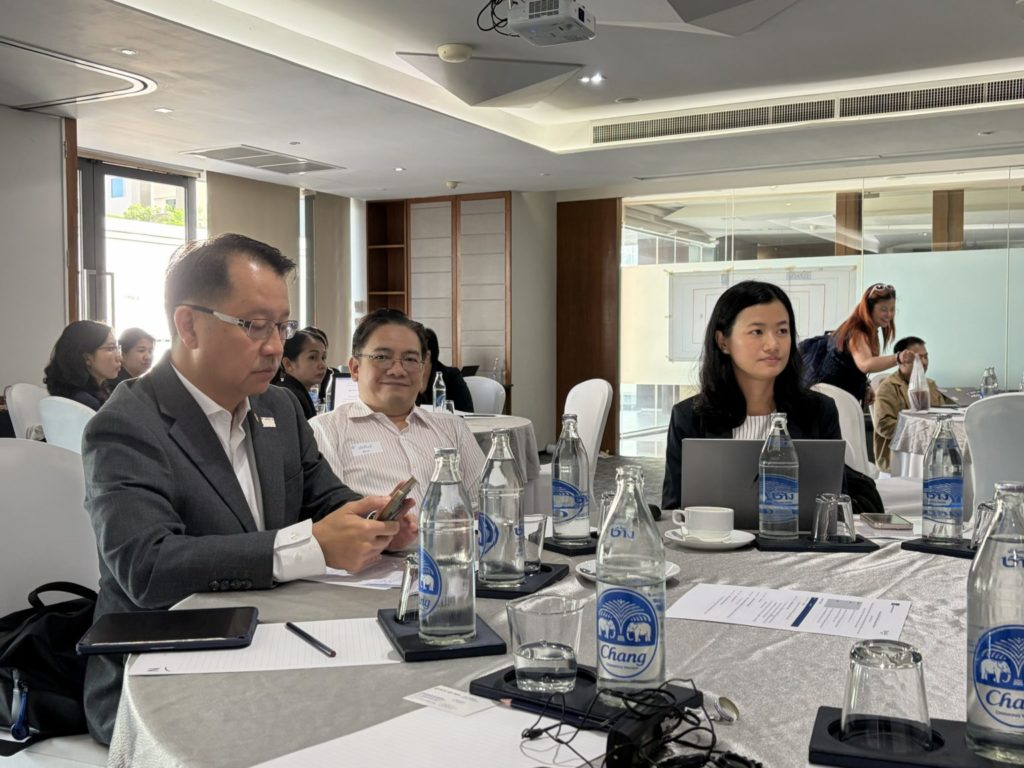
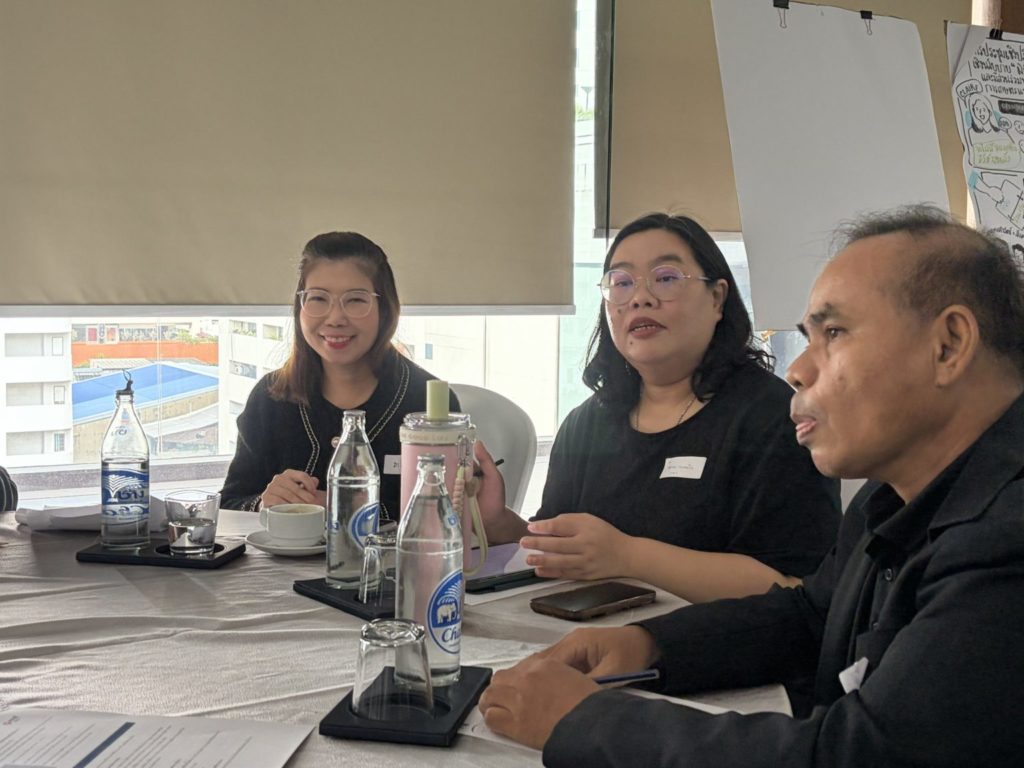
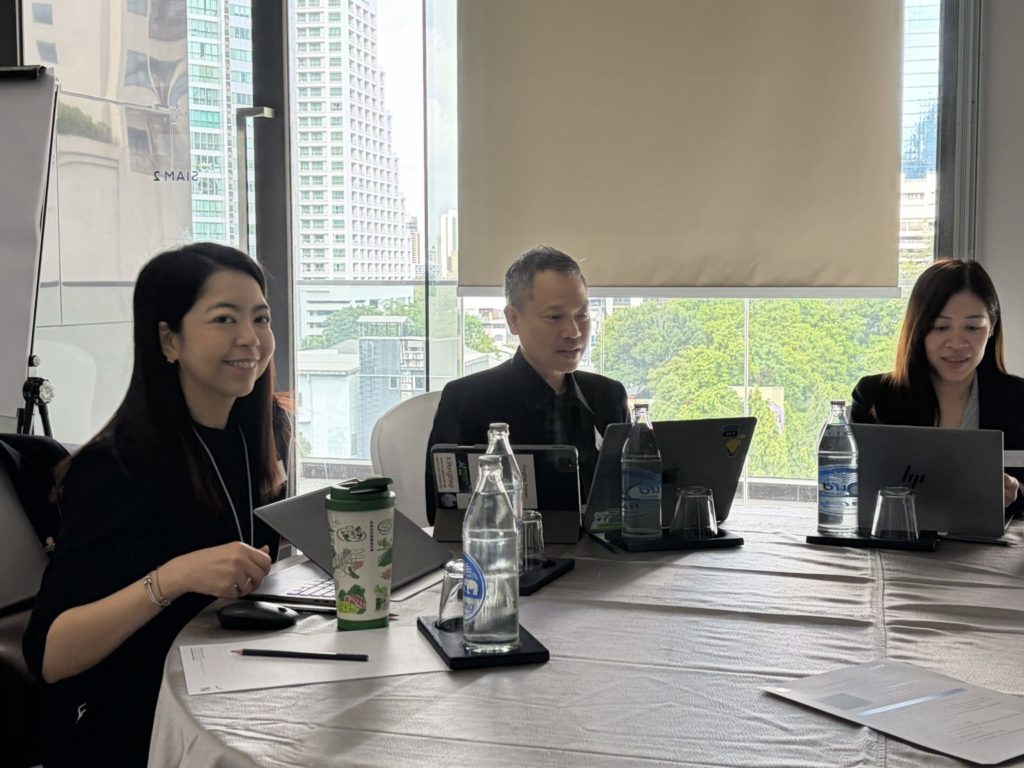
In her closing remarks, Dr. Pranpreya Sriwannawit Lundberg, Senior Director of International Policy Partnership at NXPO, emphasized that the workshop exemplified a policy co-creation approach by bringing together stakeholders from diverse sectors to jointly develop recommendations grounded in evidence, data, and practical experience. She noted that this collaborative process would help ensure that the final recommendations are comprehensive, responsive to the needs of end users, and readily translated into effective policy implementation. Dr. Pranpreya added that the study will serve as an important knowledge base for advancing Thailand’s science, technology, and innovation policies, particularly the country’s Technology Needs Assessment (TNA) process, which identifies and prioritizes technologies that support both climate change mitigation and adaptation. The findings will help ensure that future technology selection and development consider inclusiveness, equity, and stakeholder participation alongside technological performance, thereby supporting a just climate transition.
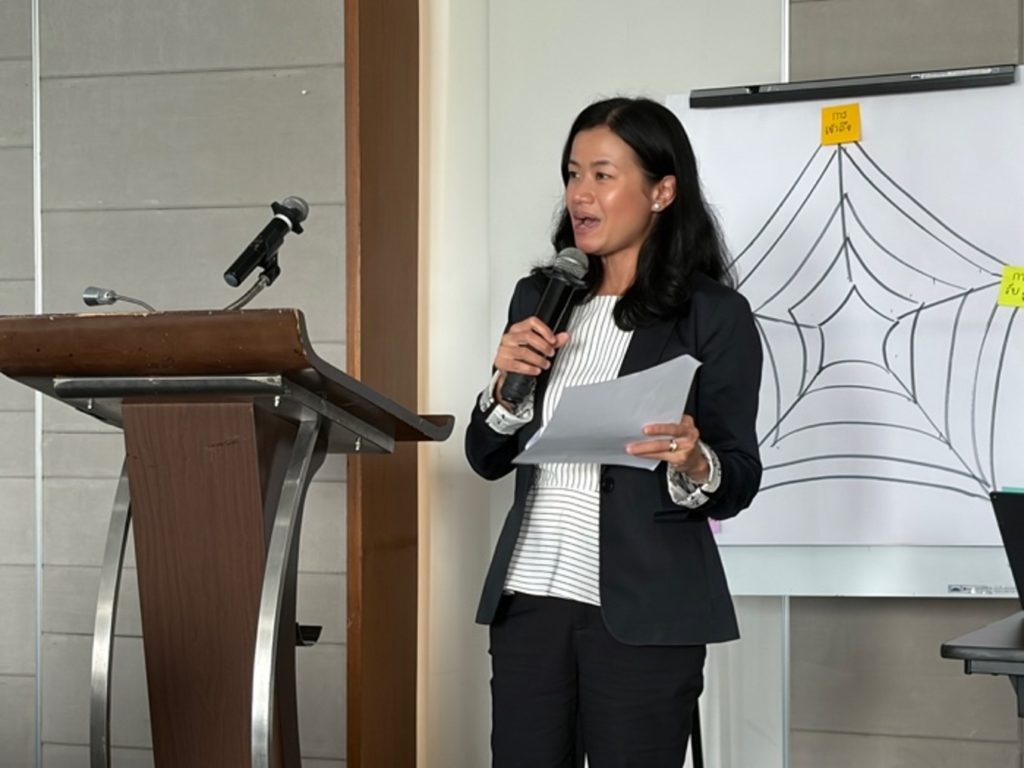
NXPO and the consultant team will incorporate the recommendations and feedback from the workshop into the final study report and policy recommendations. The findings are expected to support the work of relevant government agencies while also providing valuable insights for participating organizations. The study will inform the development of science, technology, and innovation policies that promote inclusiveness, equity, and stakeholder participation in Thailand’s transition toward climate-resilient and sustainable agriculture.