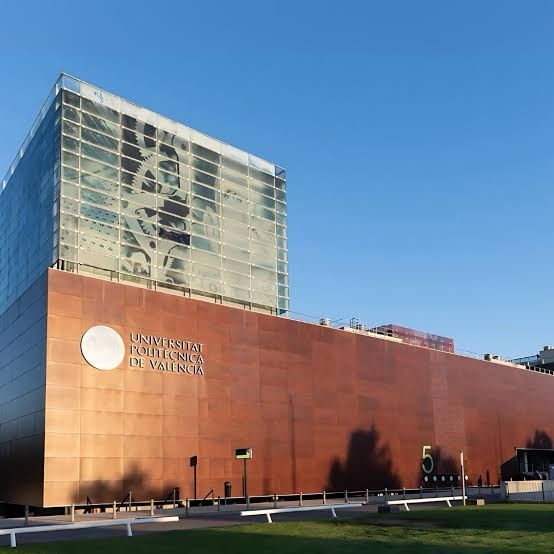
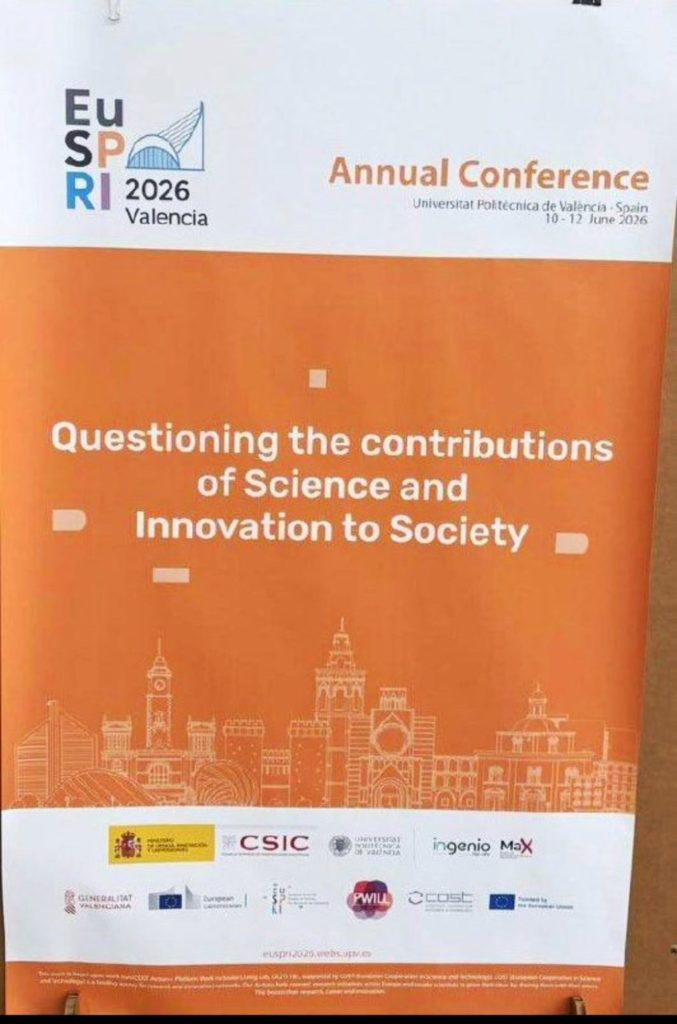
NXPO participated in the EU-SPRI Annual Conference 2026, held from 10–12 June 2026 at Universitat Politècnica de València in Valencia, Spain. The NXPO delegation was led by Mr. Pasapong Areerak, Senior Director of the Planning Systems and Evaluation Division, together with Ms. Pattarawan Charumilin, Senior Policy Specialist; Ms. Chaniga Laitae, Policy Specialist; and Ms. Tongrutai Srinual, Policy Developer.
At the conference, NXPO presented two research papers reflecting Thailand’s ongoing efforts to strengthen science, research and innovation (SRI) policy and governance. The first paper, “Mission-oriented Innovation Policy as a Staged Governance Process: Evidence from Thailand’s STI Reform Trajectory” forms part of NXPO’s work to develop a national framework for Thailand’s Higher Education, Science, Research and Innovation Policy and Strategy 2028-2032. The second paper, “Recalibrating Indicator-based Monitoring for Policy Learning in Transformative Innovation Policy: Insights from OKR-based Monitoring in Thailand’s SRI Plan”, is part of a study on strengthening the monitoring and evaluation framework for Thailand’s SRI system in implementing key national SRI policies and measures.
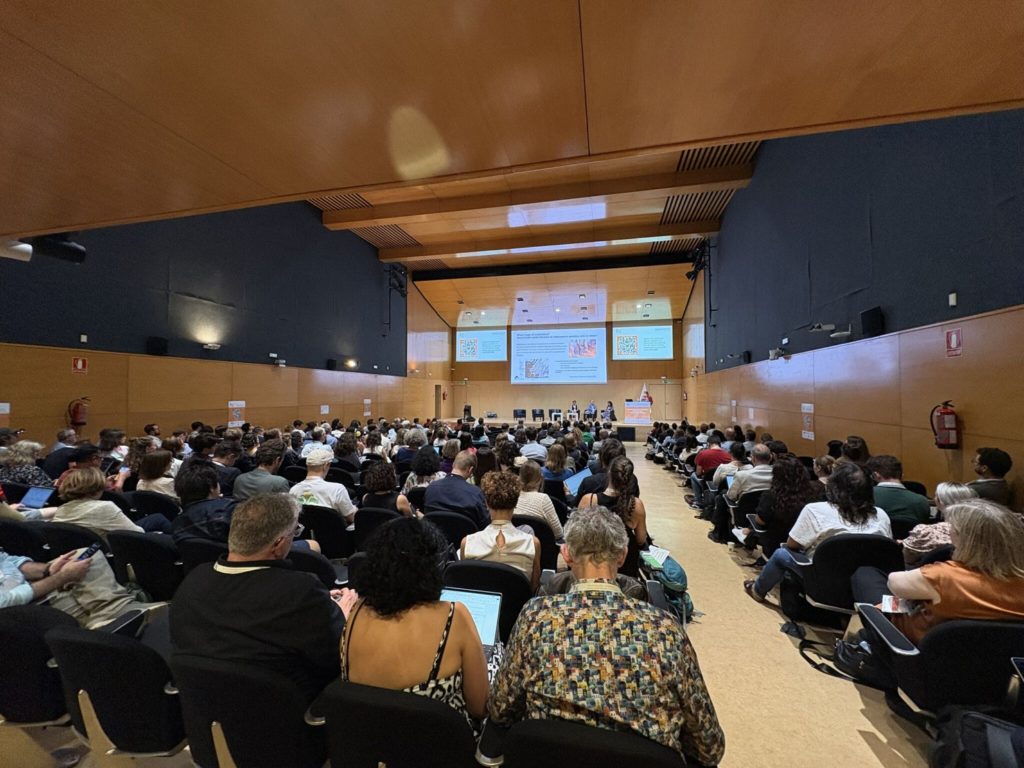
Organized by the European Forum for Studies of Policies for Research and Innovation (EU-SPRI Forum), the conference is one of the leading international forums on science, research and innovation policy. This year’s theme, “Questioning the Contributions of Science and Innovation to Society,” established dialogue on the role of science and innovation in advancing economic, social and environmental development, while also examining the challenges and implications arising from scientific and technological progress. Discussions further explored policy frameworks and governance mechanisms capable of responding to today’s rapidly evolving global challenges.
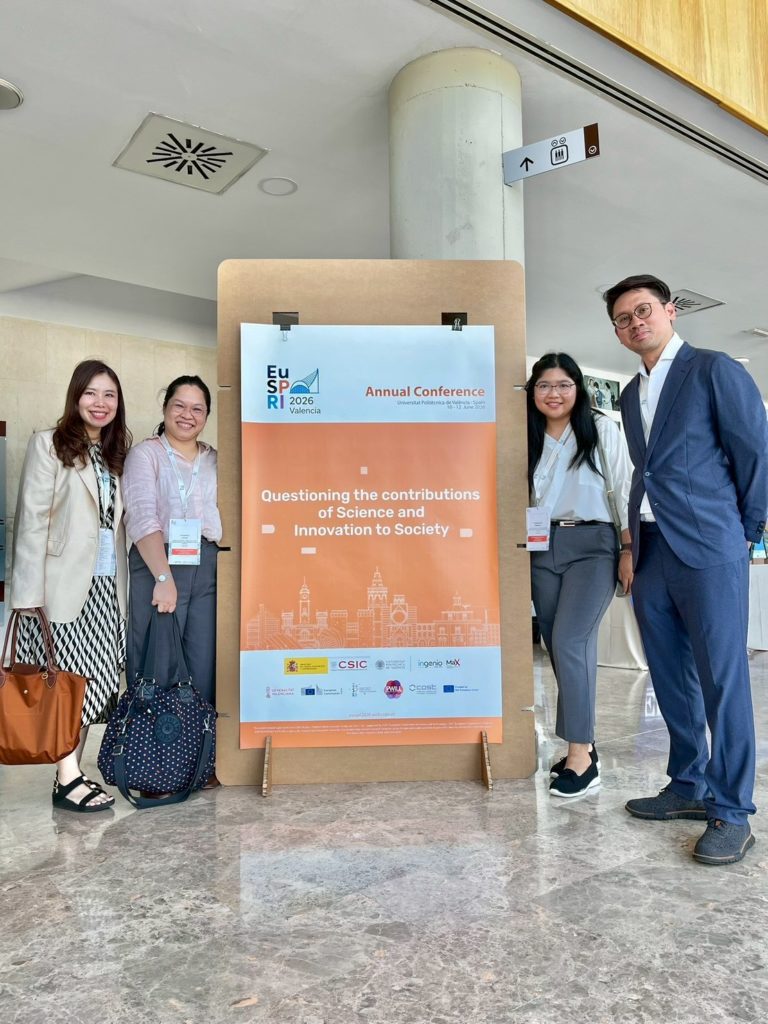
The conference brought together more than 470 participants from around the world, including researchers, representatives from public research organizations, national and local government agencies, research funding organizations, the private sector, and the Organisation for Economic Co-operation and Development (OECD). More than 375 research papers were presented during the three-day event.
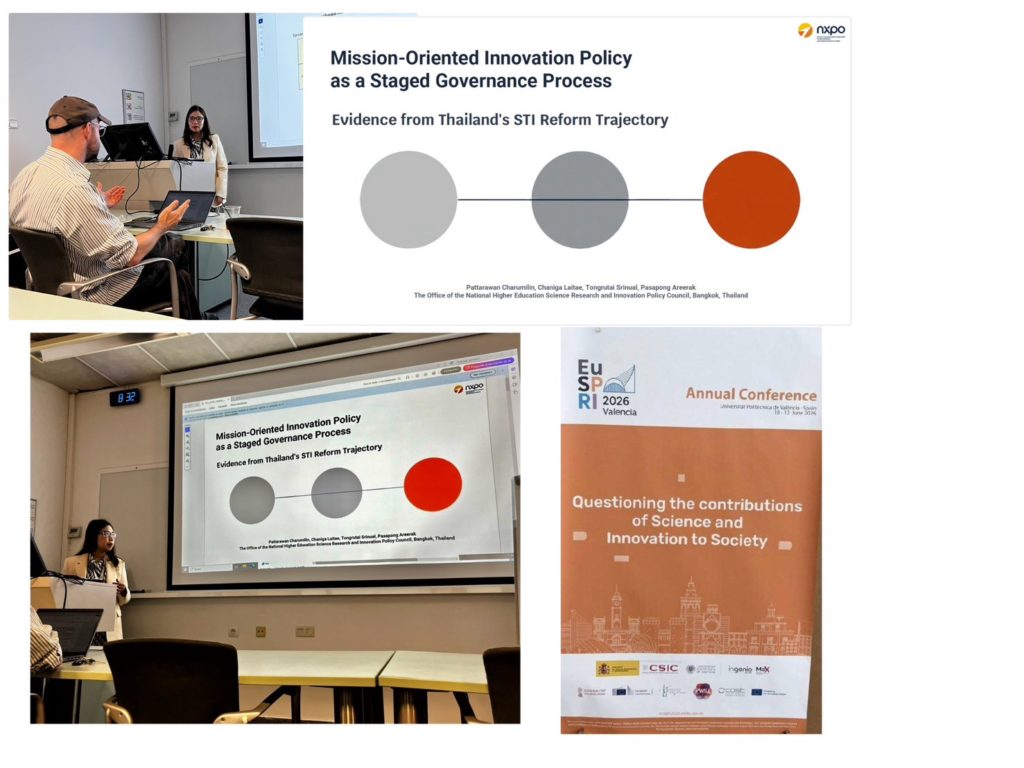
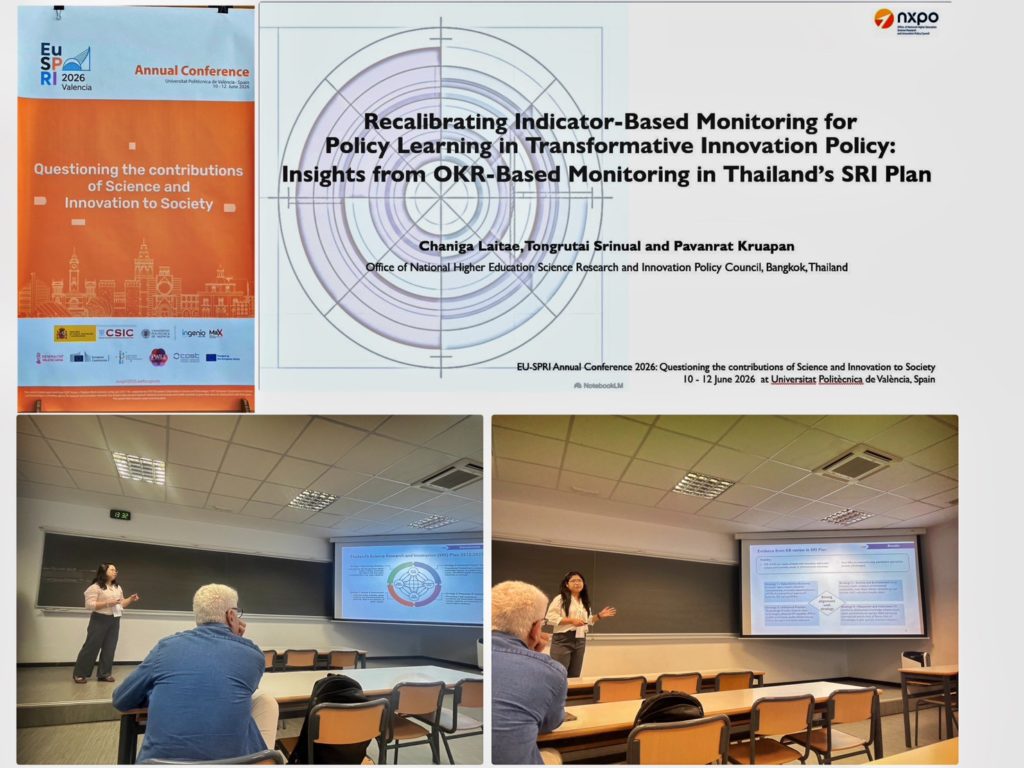
Through its participation, NXPO showcased Thailand’s experience in developing science, research and innovation policy and governance to an international audience. The presentations highlighted the country’s progress in advancing Mission-Oriented Innovation Policy (MOIP) and strengthening monitoring and evaluation systems to support policy learning. Both papers attracted considerable interest and constructive feedback from researchers and experts from a range of countries, generating valuable insights for the continued development of Thailand’s policy framework, governance mechanisms, and monitoring and evaluation system. The conference also provided an opportunity to strengthen academic networks between NXPO and leading international research institutions and policymakers, while enhancing Thailand’s visibility and contribution to global dialogue on science, technology and innovation policy.