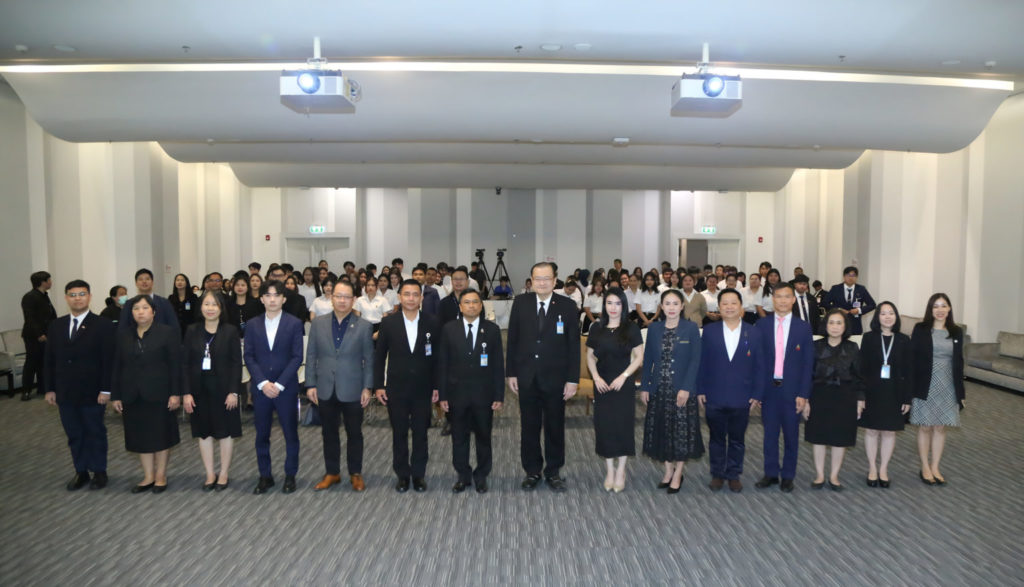
Assoc. Prof. Wongkot Wongsapai, Vice President of NXPO, participated in the seminar “Energy Crisis: Driving Policy for Sustainability,” held on 26 May 2026 at the Parliament Building. The seminar was officially opened by Mr. Nattakrit Vongjarean, Deputy Secretary-General of the House of Representatives.
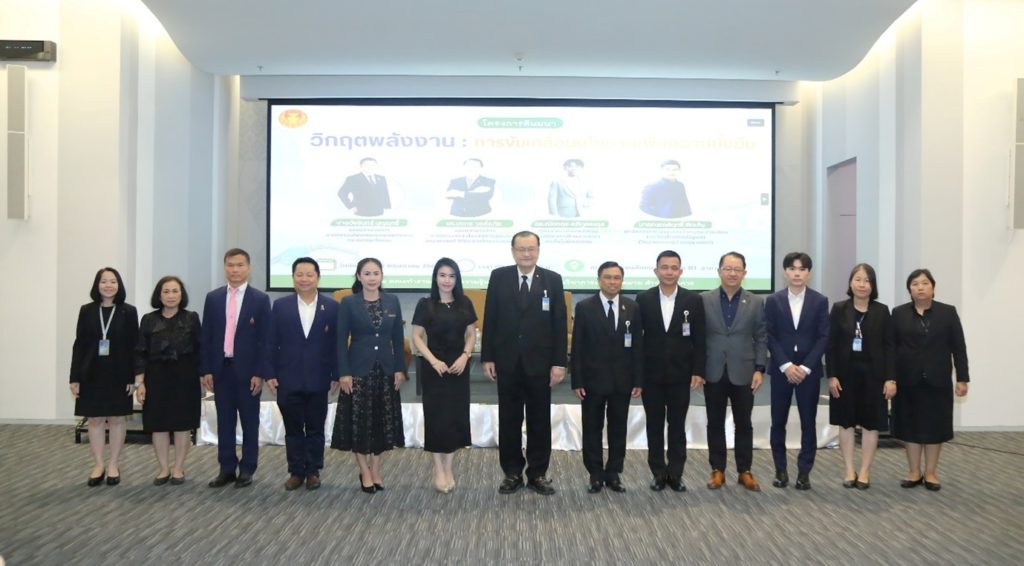
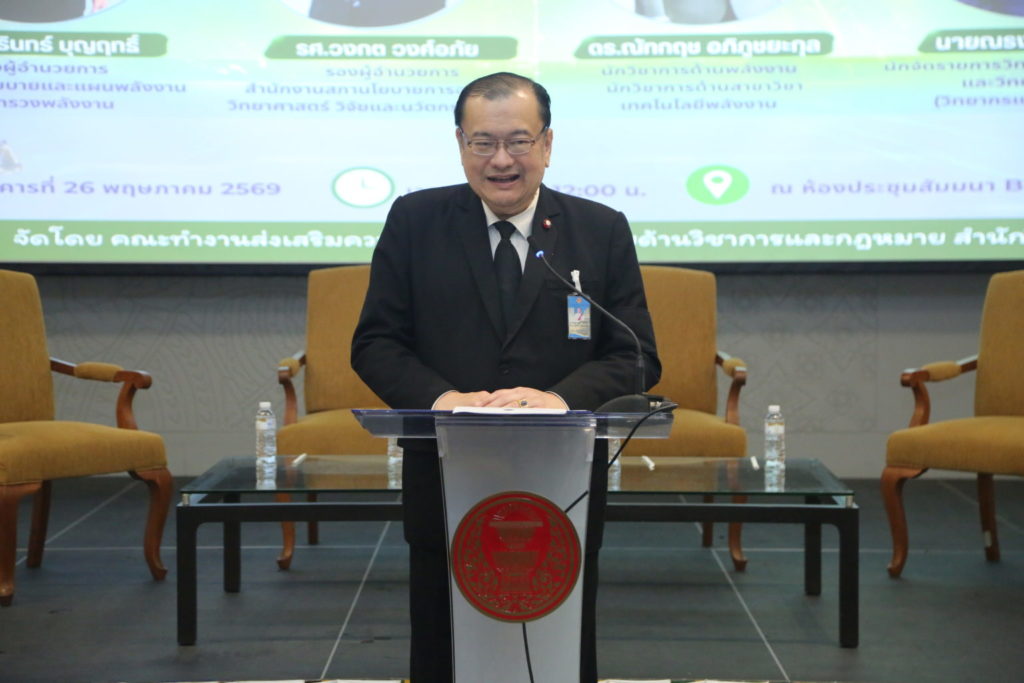
The event aimed to enhance understanding of global energy trends and their implications for Thailand, while preparing stakeholders for the transition to clean energy. It also sought to strengthen academic collaboration between the Secretariat of the House of Representatives and external organizations, and to encourage youth participation in shaping public policy through legislative processes. The seminar brought together leading experts and scholars to exchange perspectives and explore policy options for addressing the current energy crisis and advancing sustainable development. Speakers included Assoc. Prof. Wongkot Wongsapai, Vice President of NXPO; Mr. Watcharin Boonyarit, Deputy Director-General of the Energy Policy and Planning Office (EPPO), Ministry of Energy; and Dr. Nuttakrij Apipuchayakul, scholar and energy technology journalist. The discussion was moderated by Mr. Narongrit Kidhen, radio host at the National Assembly Radio and Television Broadcasting Station.

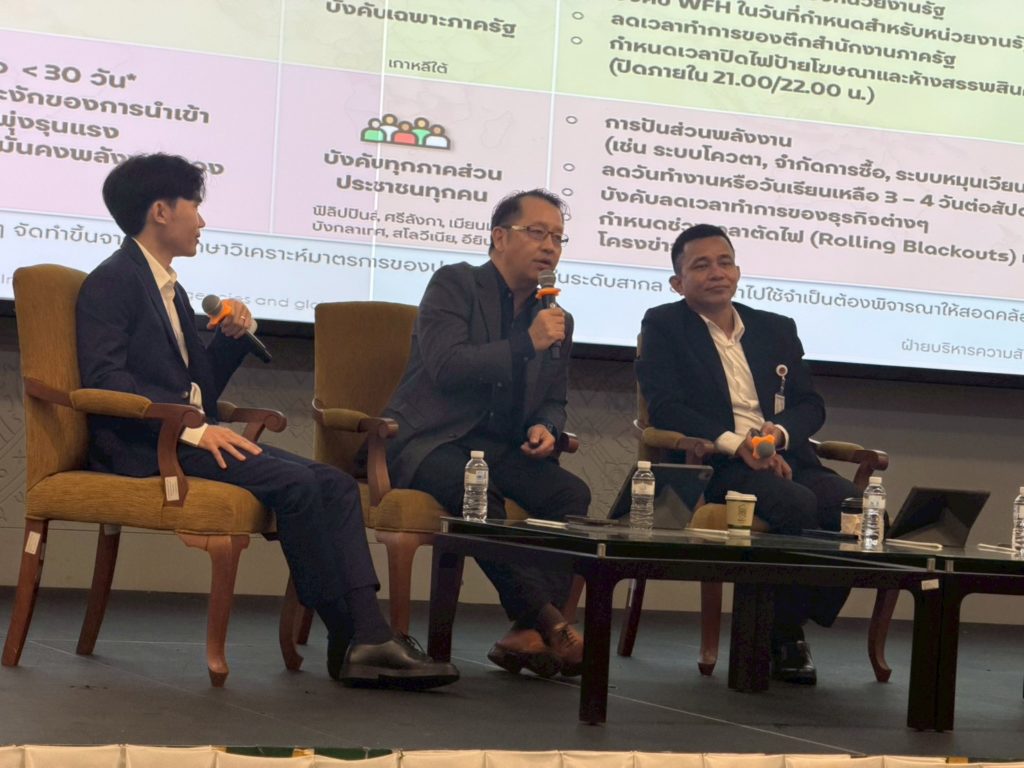
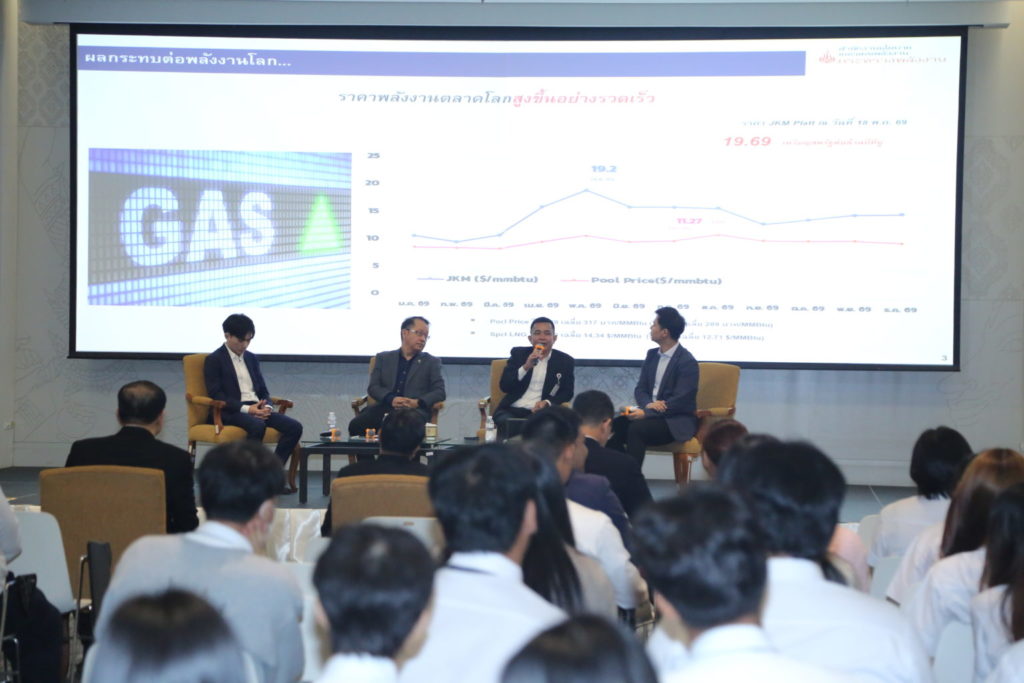
During the session, Assoc. Prof. Wongkot highlighted the implications of the energy crisis, current global developments, and emerging future skills. His key messages focused on two areas:
1. Advancing Human Capital Development
Thailand is moving toward a skills-based credentialing system through the adoption of a credit bank framework and skill transcripts that recognize competencies acquired both inside and outside formal education. Essential future skills include data management, strategic communication, and synthesis—the ability to analyze complex information, extract key insights, and communicate them effectively to support policymaking and public awareness. To support the energy transition and the green economy, the Ministry of Higher Education, Science, Research and Innovation (MHESI) has introduced a range of green and sustainable competencies, including qualifications for sustainability development specialists and carbon footprint specialists. These competencies are designed to meet growing workforce demands in climate-related fields, particularly within Thailand’s target industries.
NXPO also leverages the STEMPlus Platform to support tax incentive measures and encourage private-sector investment in advanced workforce development in science, technology, and sustainability.
2. Strengthening Research and Innovation to Address the Energy Crisis
MHESI has supported extensive research and innovation initiatives related to the energy transition, covering renewable energy development, energy efficiency, and greenhouse gas mitigation in the energy sector. The ministry has also developed the Climate Change Research Framework and Plan (2027–2032), which prioritizes areas such as hydrogen technologies, sustainable aviation fuel (SAF), and carbon capture, utilization and storage (CCUS). These efforts are driven through collaborative research networks that connect laboratories, universities, government agencies, private-sector partners, and industrial stakeholders, while also contributing to national policy formulation.
The seminar also featured discussions on the potential role of small modular reactors (SMRs) in low-carbon energy generation. Participants exchanged views on technological readiness, energy security, safety considerations, and the importance of public engagement and communication in building understanding of nuclear energy technologies.
From an economic perspective, discussions highlighted the integration of sustainability principles into tourism and service-sector development through Green Hospitality initiatives. As market demand increasingly shifts toward green and eco-friendly accommodation, businesses across the tourism value chain—including agriculture-related enterprises linked to tourism—have opportunities to upgrade their operations to meet emerging environmental standards. Such improvements can help attract high-value visitors and strengthen Thailand’s competitiveness in the global tourism market.