Thai enterprises, particularly SMEs and startups, continue to face significant challenges, including limited access to finance, skilled personnel, markets, standards, digital technologies, and regulatory systems. Existing regulations are often fragmented across multiple government agencies, requiring businesses to navigate complex procedures and repetitive processes. This fragmentation can lead to missed opportunities and uneven access to support mechanisms.
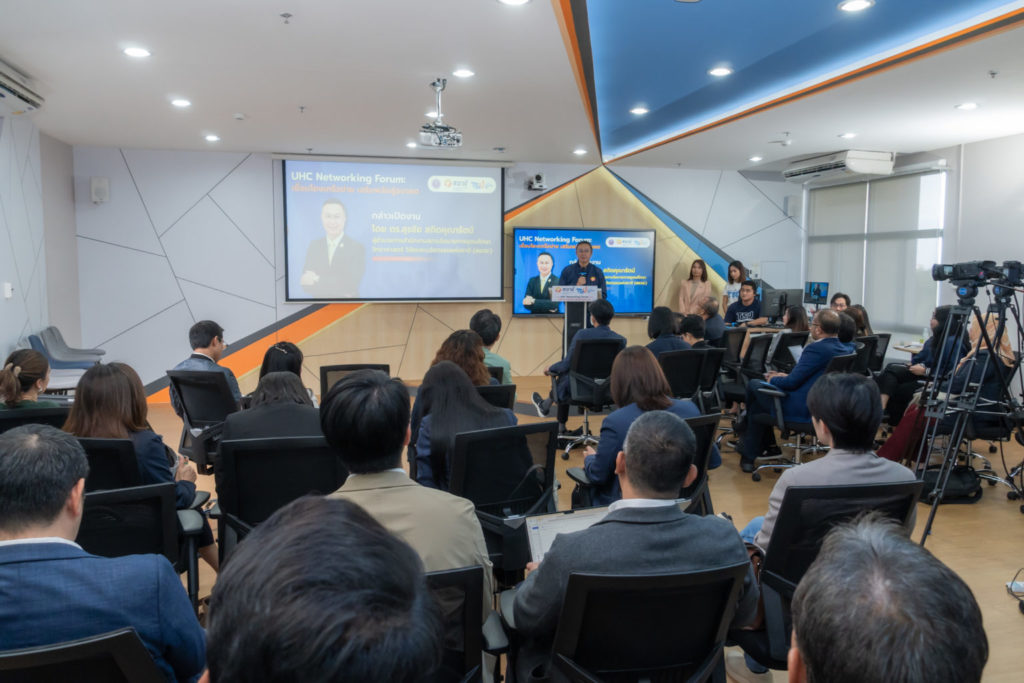
Dr. Siriporn Pittayasophon, Vice President of NXPO, highlighted ongoing regulatory reform initiatives in higher education, science, research and innovation aimed at establishing legal frameworks and government mechanisms that facilitate innovation and keep pace with technological change. The objective is to transform regulations from barriers into enablers of innovation by reducing costs and risks, expanding opportunities, and creating an environment conducive to experimentation, innovation, and business growth, while placing enterprise needs at the center of policy design.

NXPO plays a role as a policy intermediary, bringing together universities, research institutions, the private sector, and government agencies to strengthen linkages within Thailand’s innovation ecosystem and design targeted support mechanisms in areas such as technology, talent development, financing, standards, and market access. Particular emphasis is placed on policies that support the transition from research to commercialization and from startup to scale-up stages.
One of the key mechanisms advanced by NXPO is the introduction of the Thailand Research and Innovation Utilization Promotion Act (TRIUP Act), which enables grant recipients to retain ownership of and commercialize research outputs. NXPO has also promoted the University Holding Company mechanism, allowing universities to commercialize research through more flexible corporate structures. To date, 13 universities have established holding companies with a combined registered capital exceeding 500 million THB, collectively investing in more than 110 startup and spin-off companies. This reflects a tangible transformation of research into commercial innovation.

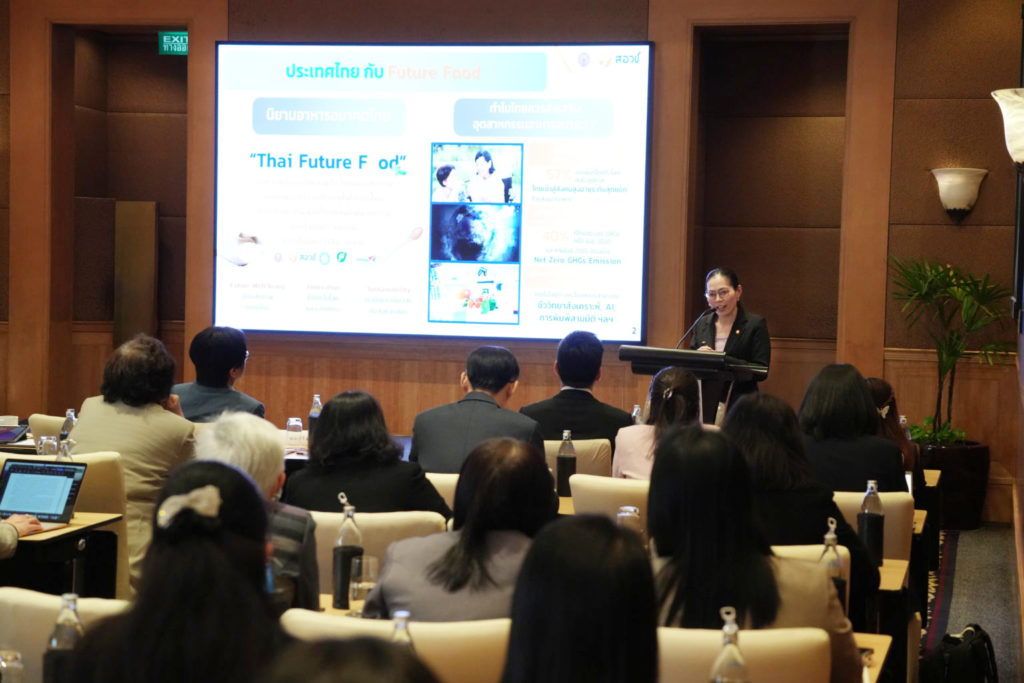
Another important initiative is NXPO’s collaboration with the Food and Drug Administration (FDA) and the Thai Chamber of Commerce to advance Thailand’s future food industry. The partnership focuses on developing a Positive List of approved health claims for key ingredients by utilizing existing scientific evidence and research findings to support regulatory assessments. This mechanism helps enterprises develop new products and communicate product benefits more effectively while reducing registration time, costs, and administrative burdens.

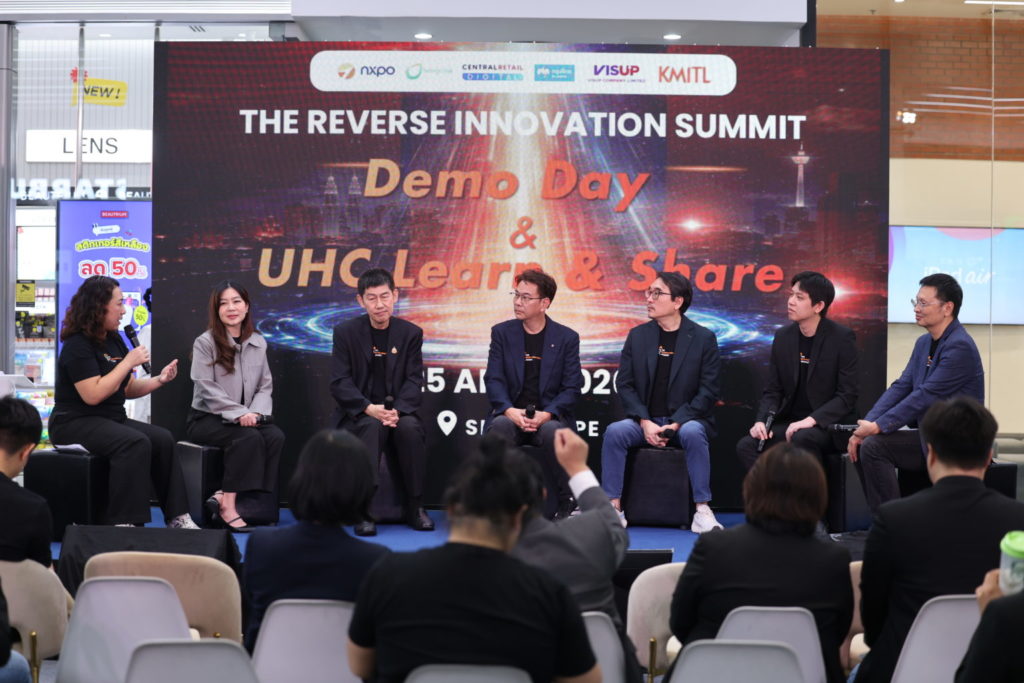
NXPO also promotes the Reverse Pitching mechanism, through which large corporations present real business challenges and invite startups to develop innovative solutions. Universities serve as intermediaries by identifying and connecting promising enterprises with industry partners. This approach expands opportunities for startups to test innovations in real-world settings while accelerating commercialization and business expansion.
Dr. Siriporn emphasized that Thailand must also accelerate the development of demand-side measures to create stronger markets for innovation. These include leveraging the public sector as a first buyer, establishing procurement systems specifically designed for innovative products and services, promoting co-investment mechanisms, and developing new financing instruments that combine public and private funding. Such measures would help high-risk businesses, particularly those engaged in advanced technologies and deep-tech innovation, overcome critical development barriers and scale successfully.
In terms of data integration, NXPO is currently working with 18 government agencies to promote data sharing. In the area of financial support, this collaboration could evolve into a one-stop service system, enabling enterprises to submit applications through a single channel that automatically connects them to relevant agencies. NXPO is also advancing the development of an Innovation Sandbox, which provides a controlled environment for testing emerging technologies under appropriate regulatory oversight. This mechanism is particularly important for innovations subject to multiple legal frameworks.
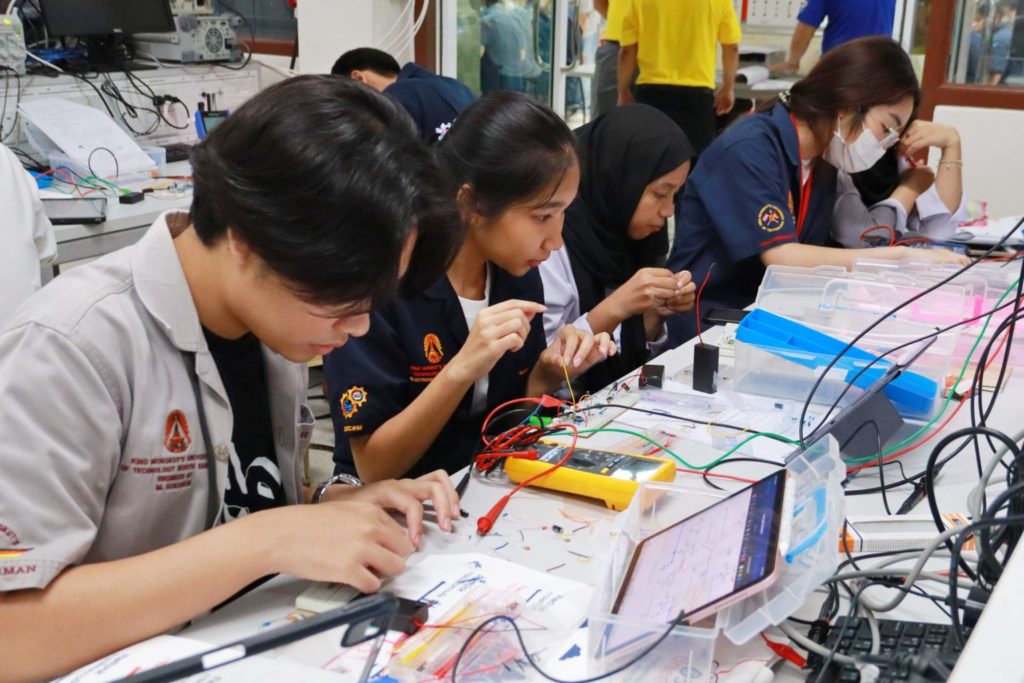
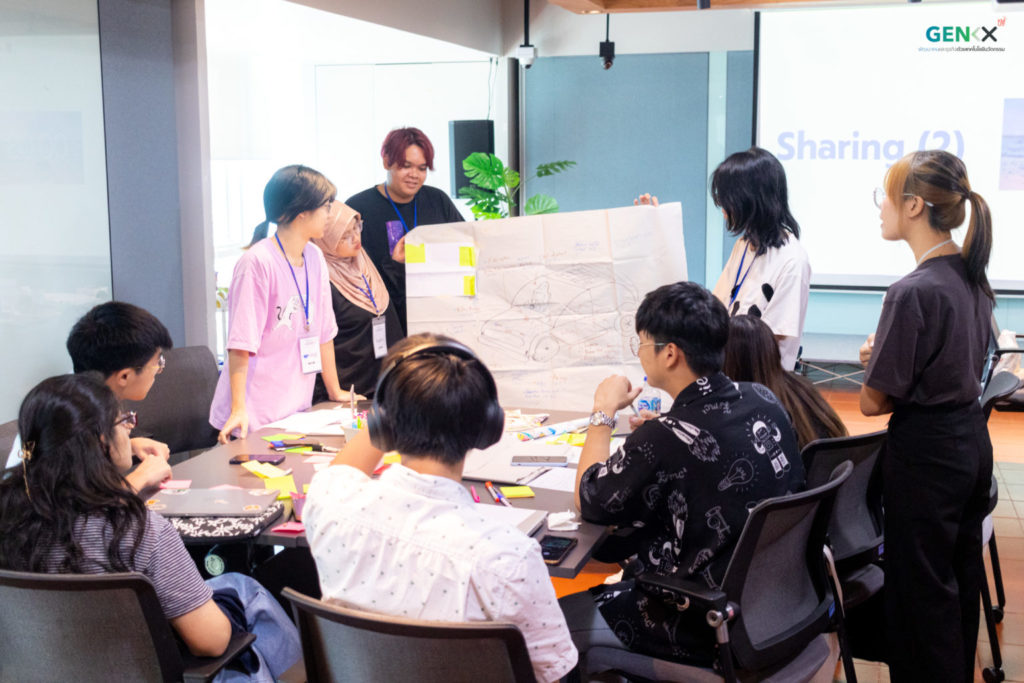
For workforce development, the Ministry of Higher Education, Science, Research and Innovation (MHESI) is promoting the Higher Education Sandbox, which allows educational models to operate outside conventional higher education regulations. The initiative provides greater flexibility and encourages industry participation in curriculum design. It is complemented by the Credit Bank system, which supports lifelong learning and skills development. On the funding side, Matching Fund mechanisms have been established in collaboration with the private sector to ensure that research activities respond directly to industry needs.
Dr. Siriporn noted that enterprises should regard the higher education, science, research and innovation system as a strategic partner rather than merely a funding source. The system provides access to knowledge, research outputs, researchers, specialists, laboratories, pilot plants, science parks, and supporting infrastructure that can reduce costs, accelerate product testing, and facilitate business growth. This is especially important for companies seeking to differentiate themselves through advanced technologies rather than competing solely on price.
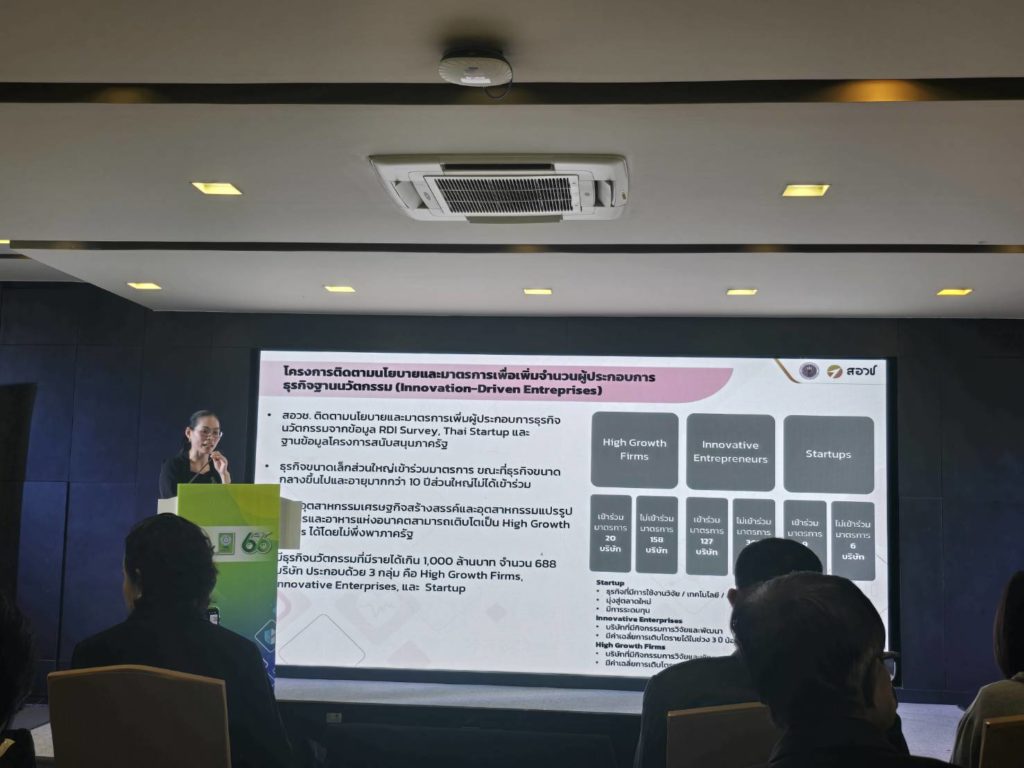
Thailand’s innovation-driven economic transformation is beginning to yield tangible results. Under NXPO’s goal of fostering 1,000 Innovation-Driven Enterprises (IDEs) with average annual revenues of at least one billion THB, 688 companies have already surpassed the one-billion-THB revenue threshold, reflecting steady progress in Thailand’s innovation-based economic development.
Over the next three to five years, NXPO aims to enhance regulatory agility by making regulations faster, more flexible, and more responsive to emerging technologies. At the same time, regulatory frameworks must maintain an appropriate balance between safety, fairness, and the need to create opportunities for innovation. To support Thai enterprises in expanding into global markets, three priorities must be addressed: raising standards to meet international levels, developing in-depth market intelligence, and designing targeted support measures that remove barriers to business expansion.

“If enterprises are able to fully leverage the higher education and innovation system, and if the government can build a comprehensive innovation ecosystem that supports businesses throughout their entire journey—from startup and experimentation to scaling and competing globally—it will enable Thai enterprises to achieve sustainable growth, strengthen their resilience to change, and compete effectively on the global stage,” Dr. Siriporn concluded.