On 4 November 2026, Prof. Dr. Yodchanan Wongsawat, Deputy Prime Minister and Minister of Higher Education, Science, Research and Innovation (MHESI), chaired a meeting of the Committee on the Promotion and Development of Thailand’s Wellness Economy. Prof. Dr. Supachai Pathumnakul, Permanent Secretary of MHESI, served as Committee Member and Secretary, while Dr. Surachai Sathitkunarat, President of NXPO, served as Committee Member and Assistant Secretary. The committee comprises representatives from government agencies, the private sector, and expert communities.
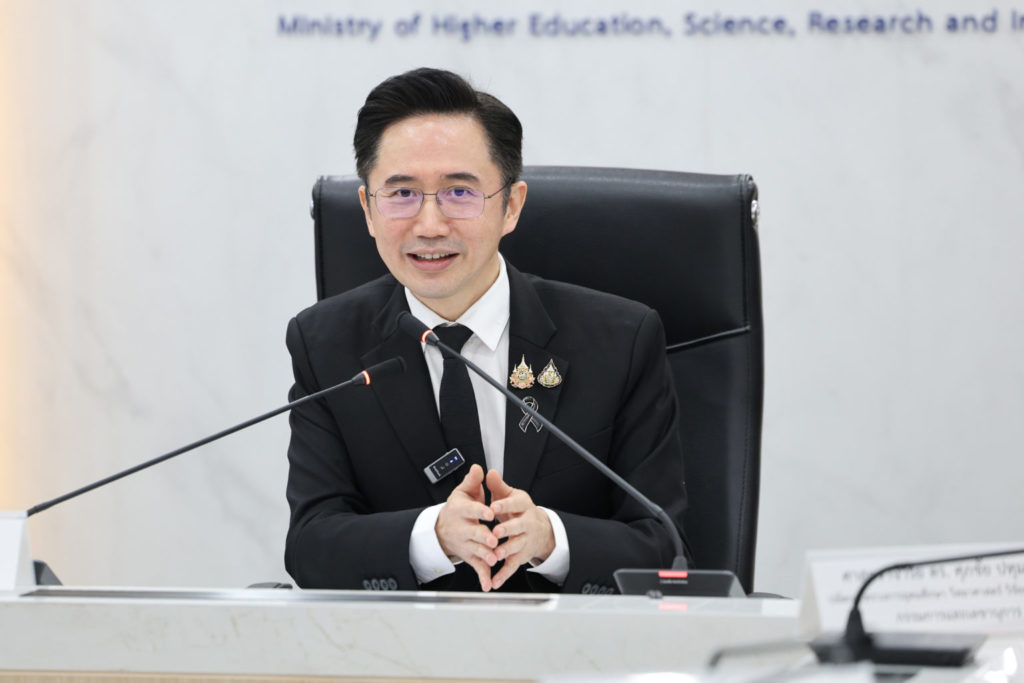
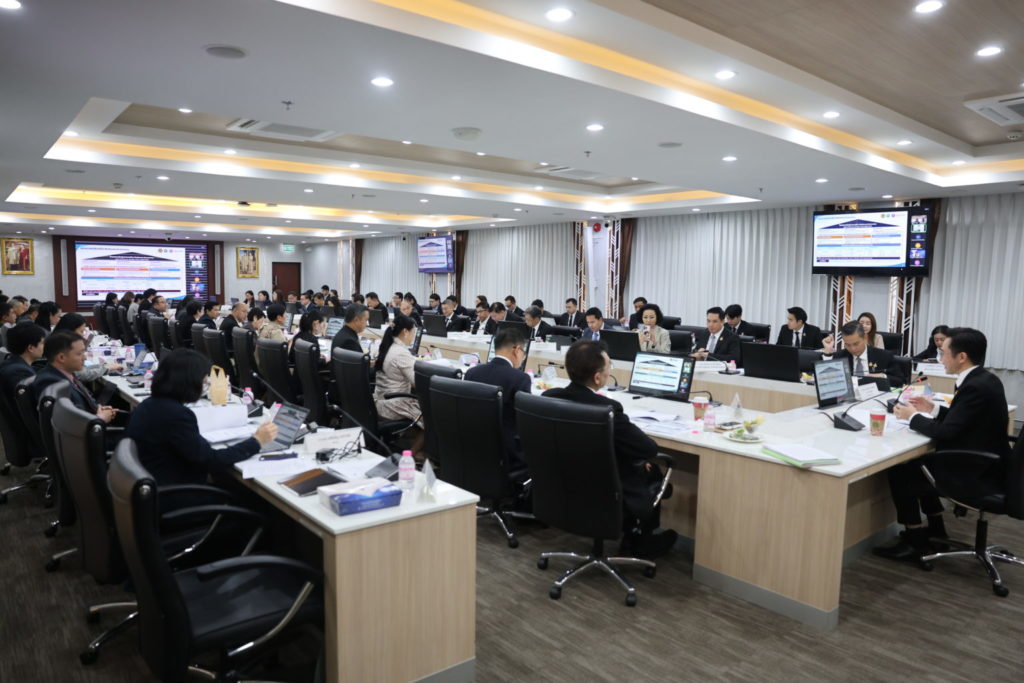
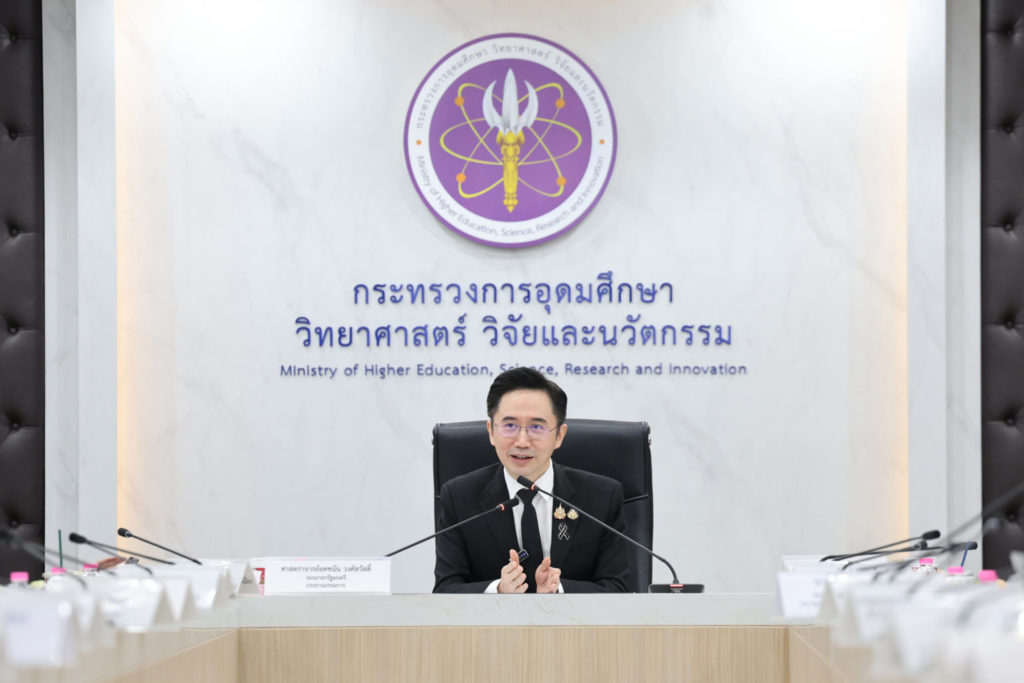
Following the meeting, Deputy PM Yodchanan held a press conference to announce its key outcomes. He stated that the committee had acknowledged a framework for promoting and developing Thailand’s Wellness Economy, which aims to harness science and innovation to improve the quality of life of Thai people and generate THB 3.5 trillion in economic value by 2032. The initiative also seeks to position Thailand as Asia’s Longevity Hub and establish a new engine of economic growth. The strategy rests on three pillars: Preventive Health Hub, Thailand Healing Destinations, and Thailand Innovation Hub. It will be driven by two flagship initiatives: Siam Medica, which aims to upgrade high-value healthcare and wellness industries, and Siam Terra, which seeks to transform the agricultural sector into a foundation for future foods and high-value bio-based industries. The framework also identifies five key ecosystem enablers: (1) risk financing mechanisms; (2) regulatory reform; (3) innovation sandboxes; (4) The Thailand Innovation Account; and (5) innovation zones.
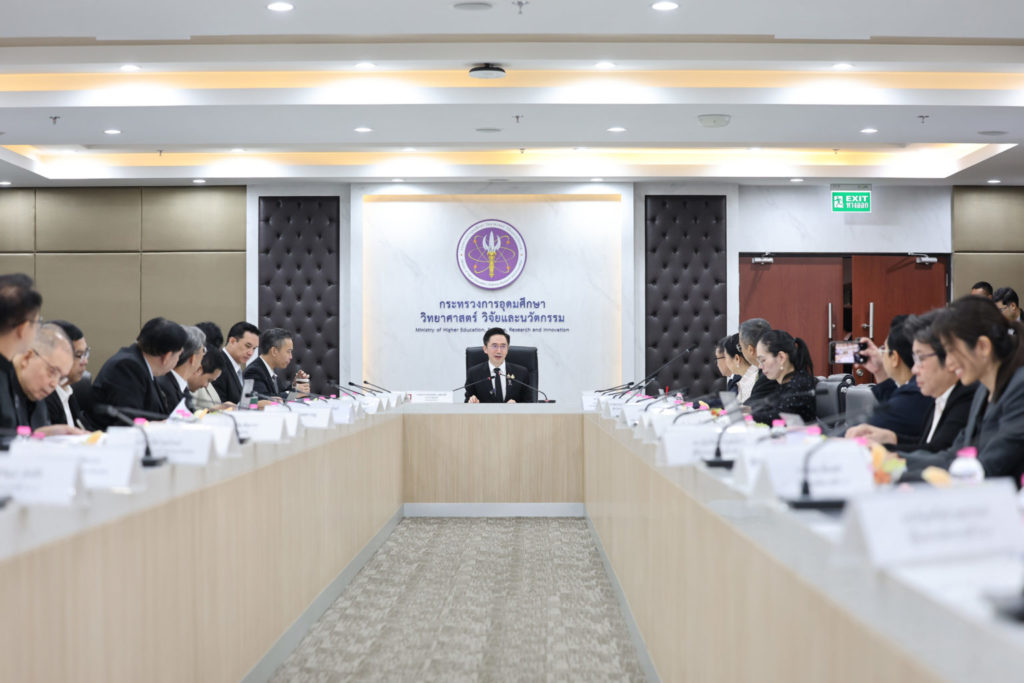
Under the Preventive Health Hub pillar, the strategy focuses on developing four standardized health-screening packages tailored to different age groups, connecting public and private hospitals with travel and accommodation services, and extending economic opportunities to regional areas. The Thailand Healing Destinations pillar aims to transform hotels into health and wellness destinations, strengthen collaboration between hotels and hospitals, and establish a nationwide network of wellness cities. The meeting tasked the Ministry of Public Health and the Ministry of Tourism and Sports with developing detailed implementation plans for these two pillars. It also approved the Wellness White Paper, prepared by the Department of Health Service Support in collaboration with relevant agencies.
The Thailand Innovation Hub pillar will drive long-term, innovation-led growth, with an emphasis on developing domestic technologies and strengthening national innovation capabilities. It will be advanced through Siam Medica and Siam Terra under the national flagship program “Thailand²: Nation of Master.” Siam Terra will cover areas including smart agriculture, precision biotechnology, future foods, and biomanufacturing, while Siam Medica will focus on synthetic biology (SynBio)-driven industries, pharmaceuticals, vaccines, medical devices, advanced therapy medicinal products (ATMPs), and high-value healthcare services, notably positioning Thailand as a regional hub for clinical trials. The meeting approved a series of initiatives to be advanced through inter-ministerial collaboration under the Thailand²: Nation of Master program. These include:
- Siam Medica: Clinixir’s Data ConneX project; the Advanced Therapy Manufacturing Unit (ATMU) at Mahidol University; the T-Xeno Hub project, a collaboration between Mahidol University and Betagro to develop genetically modified pigs for xenotransplantation; and frontier research and innovation in wellness, particularly in Medical AI and Precision Medicine.
- Siam Terra: Development of cassava varieties resistant to mosaic disease, led by the SynBio Consortium.
In addition, the meeting approved proposed amendments to laws and regulations governing human research, ATMPs, and herbal products. The Strategic Transformation Office (STO), in collaboration with relevant agencies, will undertake this work to accelerate the translation of research into market-ready applications.
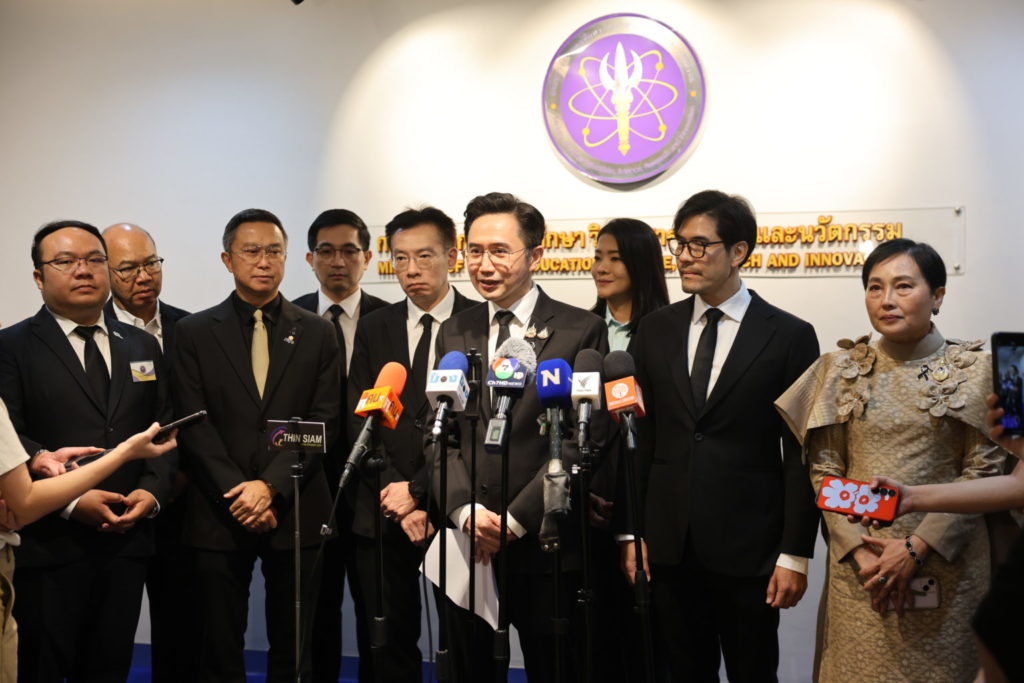
“Thailand has internationally recognized strengths in healthcare services and tourism. We need to harness science and innovation to connect these strengths into an integrated system spanning agriculture, industry, and services. This will enable Thai people to enjoy a better quality of life while ensuring that technologies are developed domestically and generate sustainable income for the country,” Deputy PM Yodchanan concluded.
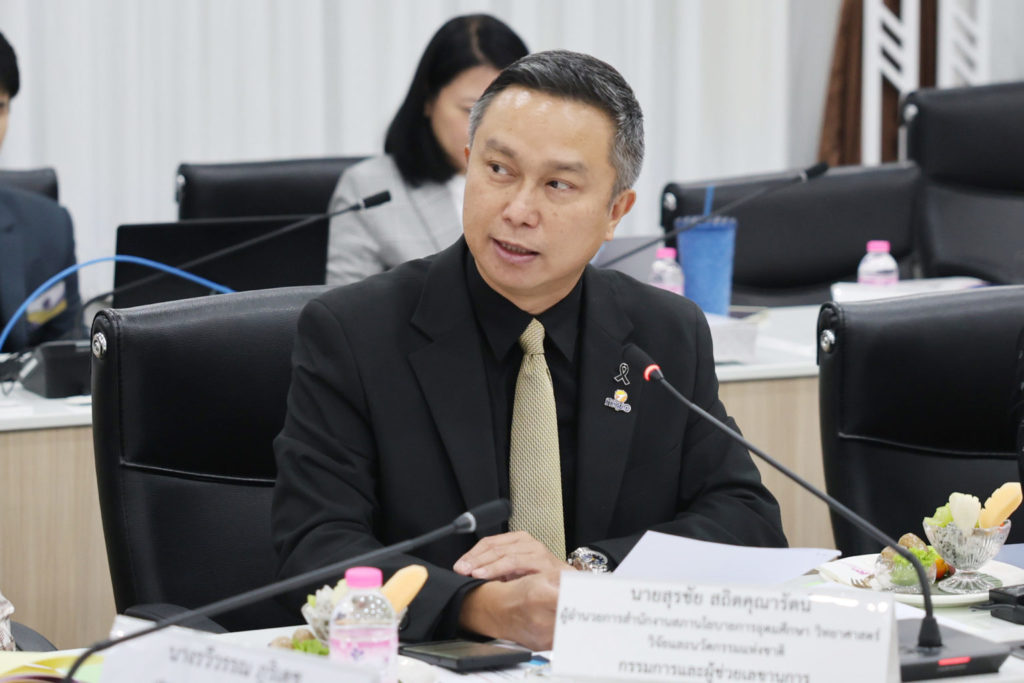
Dr. Surachai added that Thailand’s wellness economy was valued at THB 2.11 trillion in 2025 and is projected to grow at an average annual rate of 7.7%. The Wellness Hub segment is expected to increase its share of the total value from 23% to 35%. This presents opportunities to further develop the agricultural and industrial sectors to serve the expanding health services market, while strengthening domestic production capabilities and reducing reliance on imports.
“Implementation must prioritize workforce development and research infrastructure, alongside technology transfer from global leaders and the use of public procurement to create a market for Thai innovations. Complementary initiatives include the ASEAN Animal Vaccine Hub, the Thailand Brain Initiative Center, and the Medical Device Sandbox. These initiatives will initially be piloted in provinces with strong potential before being scaled up, ensuring that the benefits reach businesses, professionals, and local economies,” Dr. Surachai said.