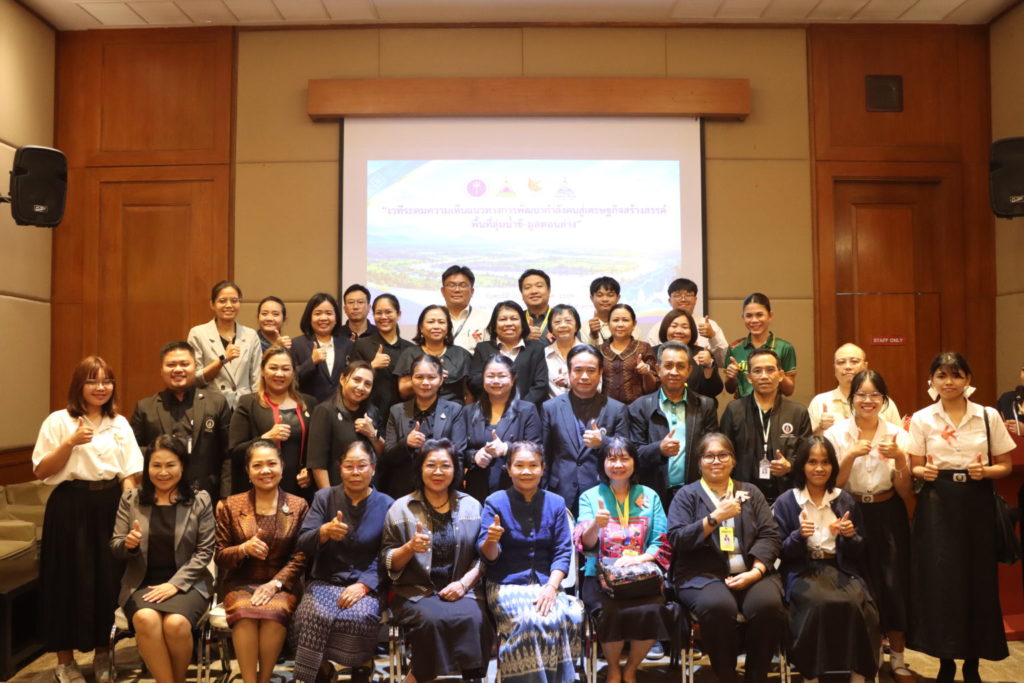
On 30 October 2026, Asst. Prof. Dr. Suppakorn Poonyarith, Vice President of NXPO, delivered a presentation on “Universities as Drivers of Regional Economic and Social Development” at the Consultation Meeting on Workforce Development for the Creative Economy in the Lower Chi–Mun Basin. The event was organized by the Faculty of Liberal Arts, Ubon Ratchathani University, in collaboration with the Office of the Permanent Secretary, Ministry of Higher Education, Science, Research and Innovation (MHESI), in Ubon Ratchathani. The forum aimed to promote human resource development in Ubon Ratchathani, Yasothon, and Amnat Charoen provinces to support the transition towards a creative economy through reforms in history education and curricula. It brought together several distinguished experts, including Prof. Emeritus Dr. Anek Laothamatas, former MHEI Minister; Dr. Sirikorn Maneerin, former Deputy Minister of Education; and Assoc. Prof. Dr. Predee Phisphumivithi from Mahidol University.
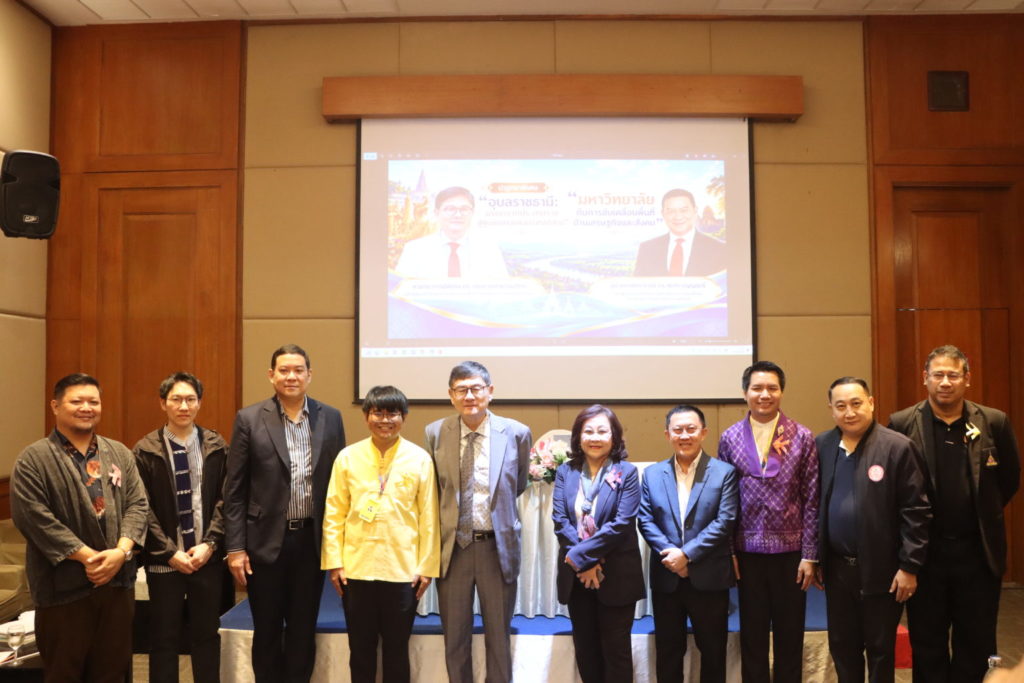
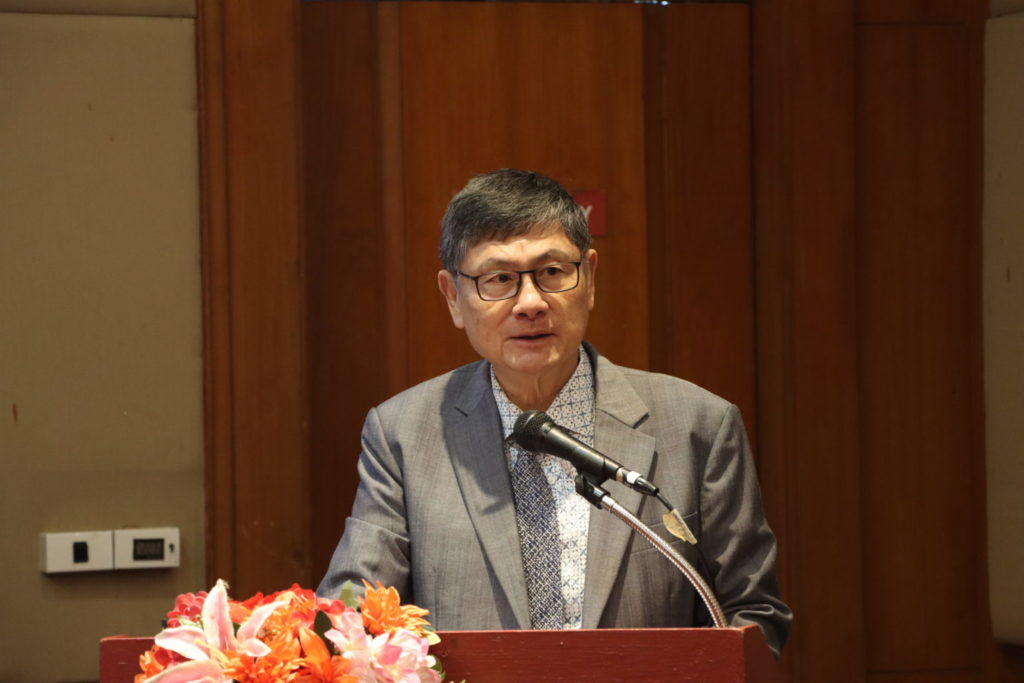
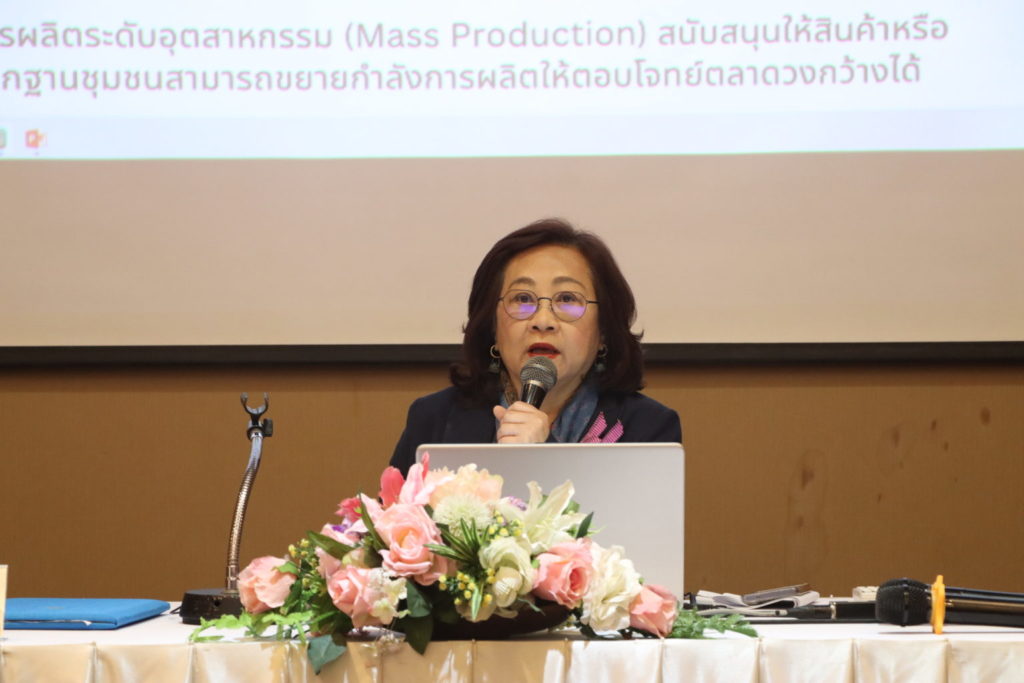
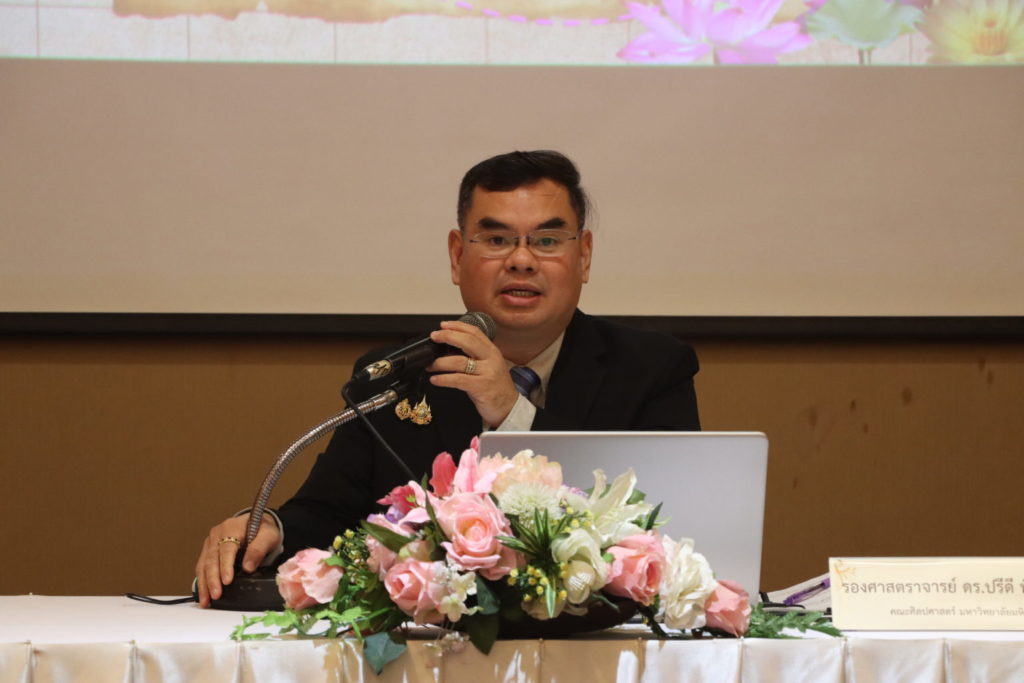
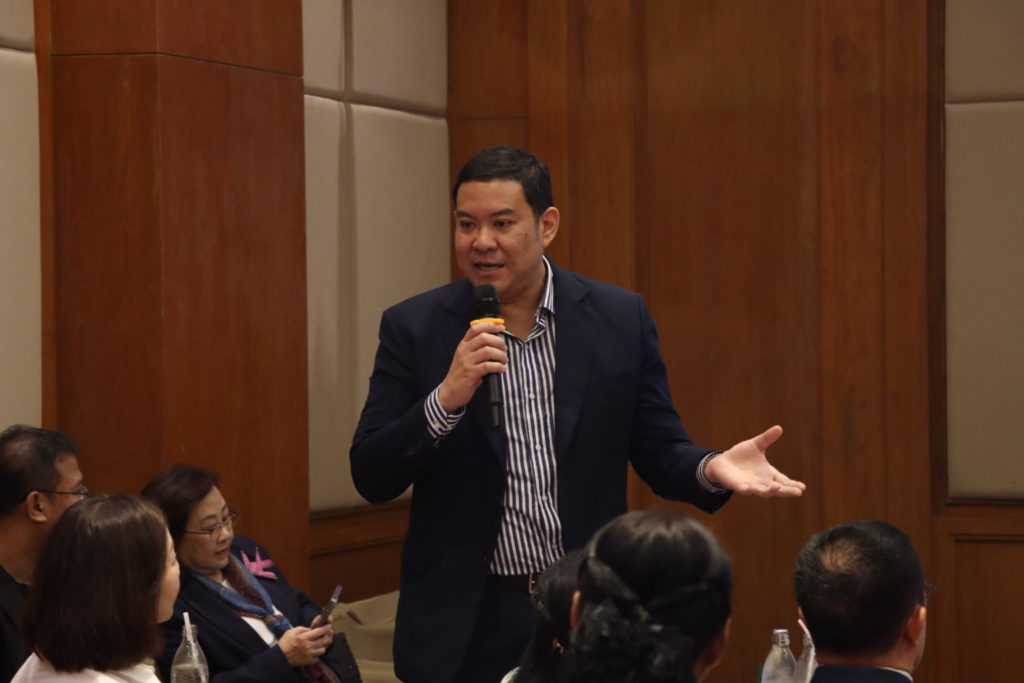
The forum focused on strengthening collaboration among higher education institutions, government agencies, and relevant stakeholders to assess the region’s potential and opportunities for developing a creative economy. Discussions explored how cultural capital, historical knowledge, and local identity could be leveraged to create added value and inform workforce development strategies. The Lower Chi–Mun Basin has a rich historical, cultural, and Buddhist heritage dating back more than 200 years to the early Rattanakosin period. The region is also recognized as a land of scholars and artists, as well as the birthplace of the renowned Buddhist Lent Candle Festival. Ubon Ratchathani was the only city in the region designated a tributary state during the reign of King Rama I. This distinction represents an important chapter in the political and administrative history of Siam in the Northeast and offers significant potential for creating added value for the region.
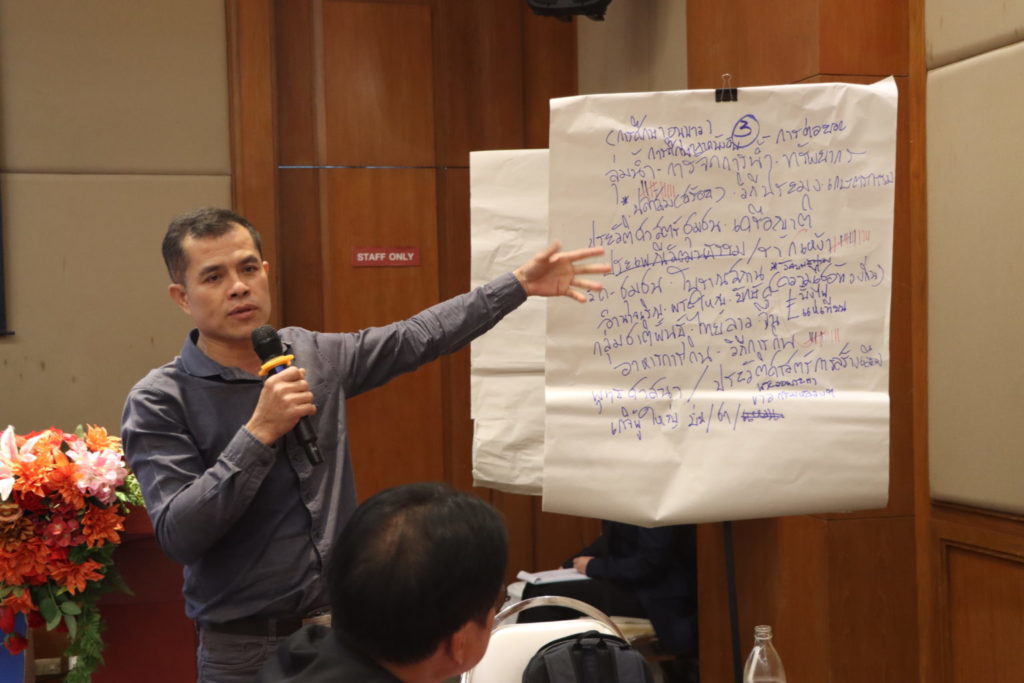
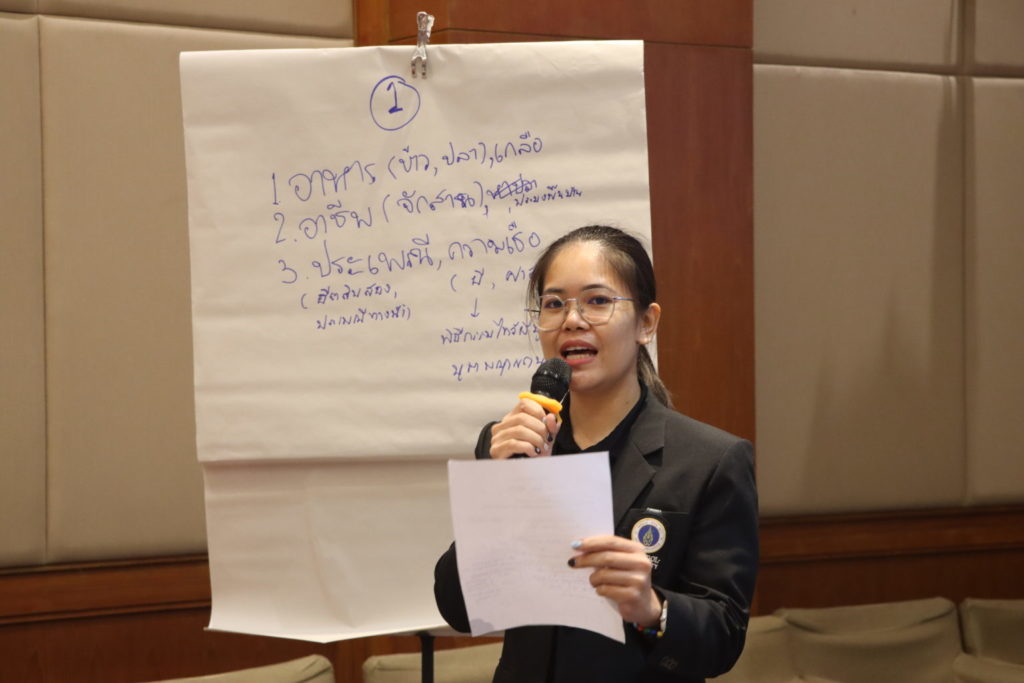

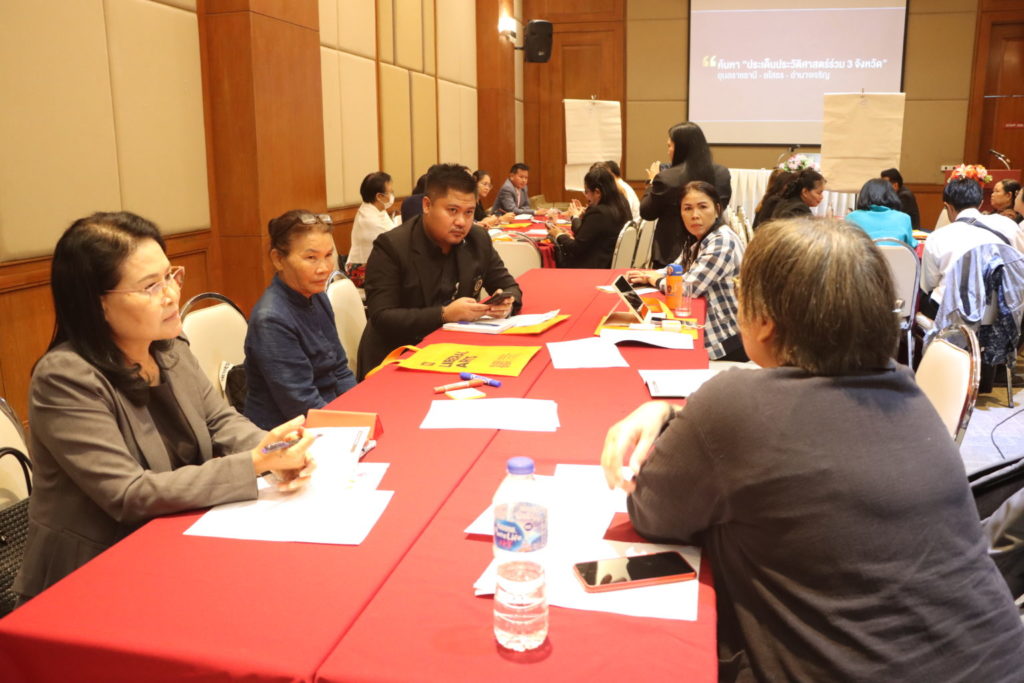
NXPO also participated in the brainstorming session, exchanging ideas with representatives from local higher education institutions, including Ubon Ratchathani University, Ubon Ratchathani Rajabhat University, Mahidol University Amnat Charoen Campus, and Yasothon Community College, as well as local scholars, government agencies, and the private sector. The discussions resulted in two key policy recommendations: workforce development and the development of a core curriculum on local history. These recommendations will provide a foundation for developing short courses to reskill and upskill workers and entrepreneurs for careers and business opportunities in heritage tourism. This initiative represents an important step towards enhancing workforce skills, building on local wisdom to generate employment and income, and strengthening the regional grassroots economy. It will also contribute to the formulation of Thailand’s policies in the social sciences, humanities, and arts.