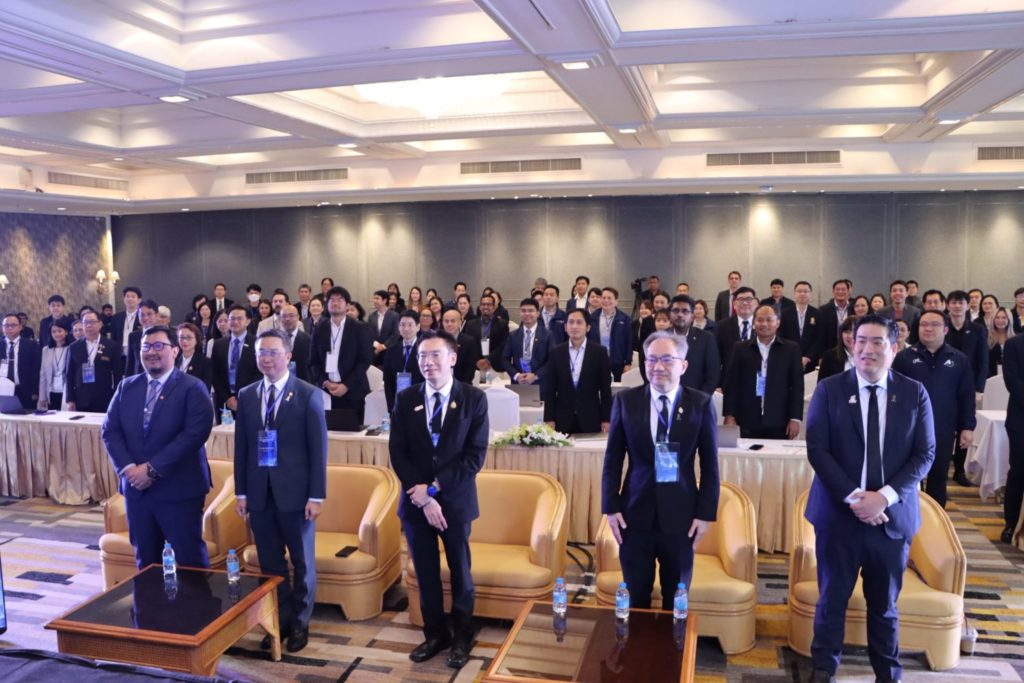
The Office of the Permanent Secretary, MHESI, in collaboration with partner agencies, organized the ASEAN Semiconductor Forum 2026 on 24–25 September 2026 at the Royal Cliff Beach Hotel in Pattaya, Chonburi Province, under the theme “Building a Future-Ready ASEAN Semiconductor Ecosystem through Science, Technology and Innovation Collaboration and Global Partnerships.” Prof. Dr. Supachai Pathumnakul, Permanent Secretary of MHESI, delivered the welcome remarks, while Prof. Dr. Yodchanan Wongsawat, Deputy Prime Minister and Minister of MHESI, delivered the opening remarks and a keynote address titled “Shaping ASEAN’s Semiconductor Future: Acting as One.” He emphasized the importance of integrating the potential of ASEAN Member States to strengthen the region’s semiconductor capabilities and resilience.
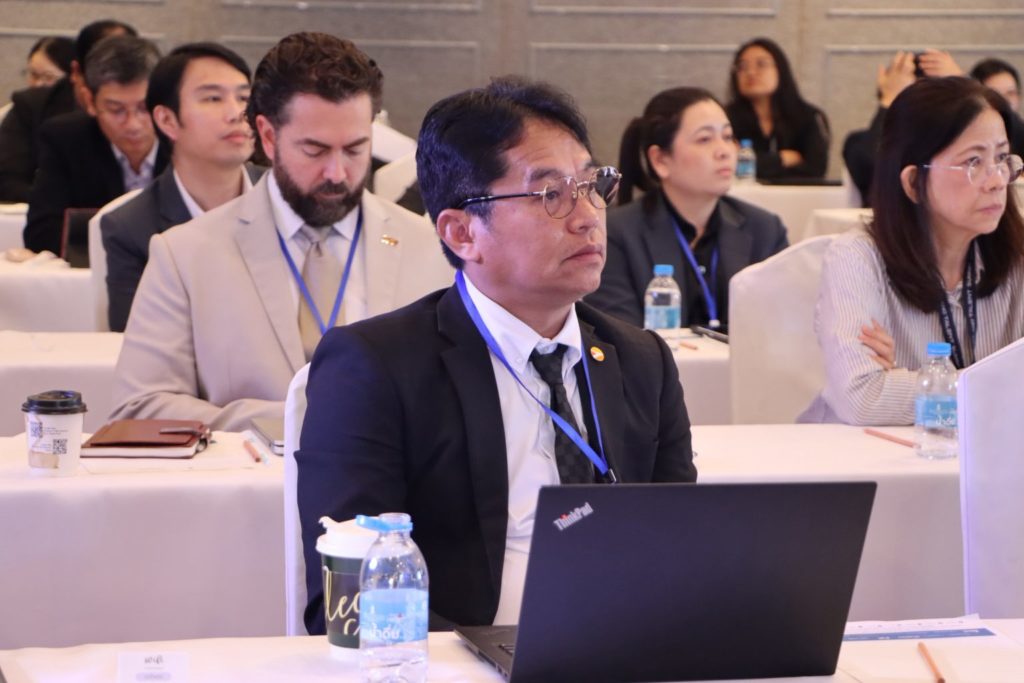
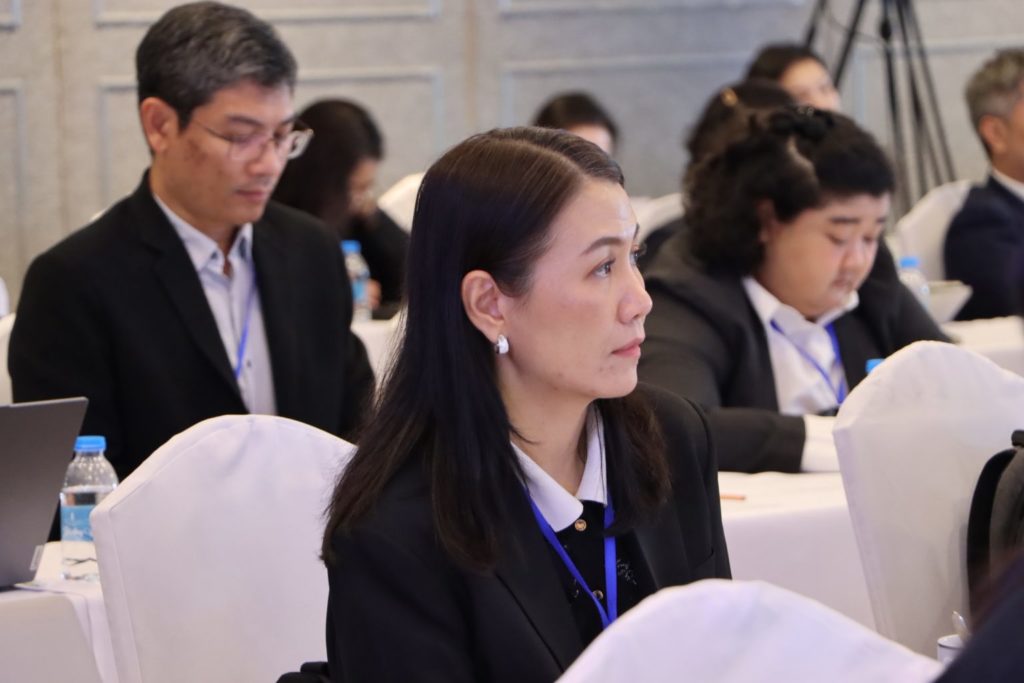
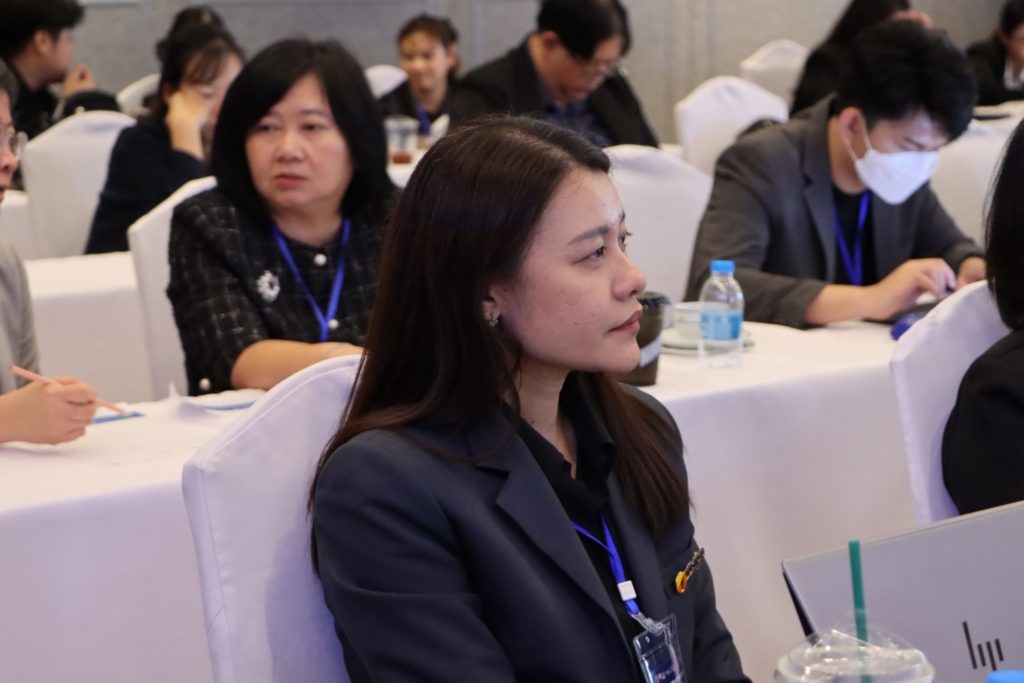
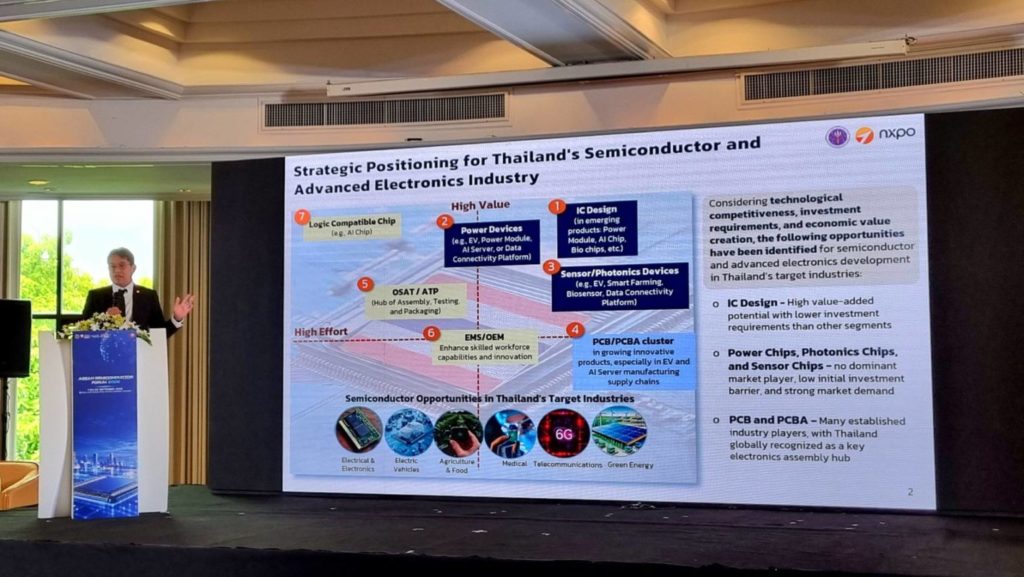
At the event, Prof. Dr. Surin Khomfoi, Vice President of NXPO, delivered a presentation titled “Advancing Thailand’s Semiconductor Ecosystem: From Policy to Action,” outlining Thailand’s development direction for the semiconductor and advanced electronics industries. He also highlighted the Siam Silica framework, which establishes a roadmap and ecosystem for workforce and technology development, aligned with the national strategy for the semiconductor and advanced electronics industries prepared by the Board of Investment (BOI).
The Siam Silica program focuses on two dimensions and five strategic areas: 1) Target Technologies, focusing on photonics and power devices; and 2) Value Chain, focusing on the overall development of the semiconductor industry, including chip design, assembly and testing, particularly advanced packaging technologies, as well as printed circuit boards (PCB/PCBA). It also includes the development of a quantum workforce to support the industry’s next phase of development. To establish clear targets for program implementation, NXPO has estimated an additional workforce demand of 77,185 personnel, comprising 45,998 technicians, 21,181 high-skilled workers and engineers, 9,854 researchers and specialists, and 152 mentors and principal engineers. NXPO has also formulated workforce development plans for different levels and strategic technologies, together with mechanisms for management and integrated implementation.
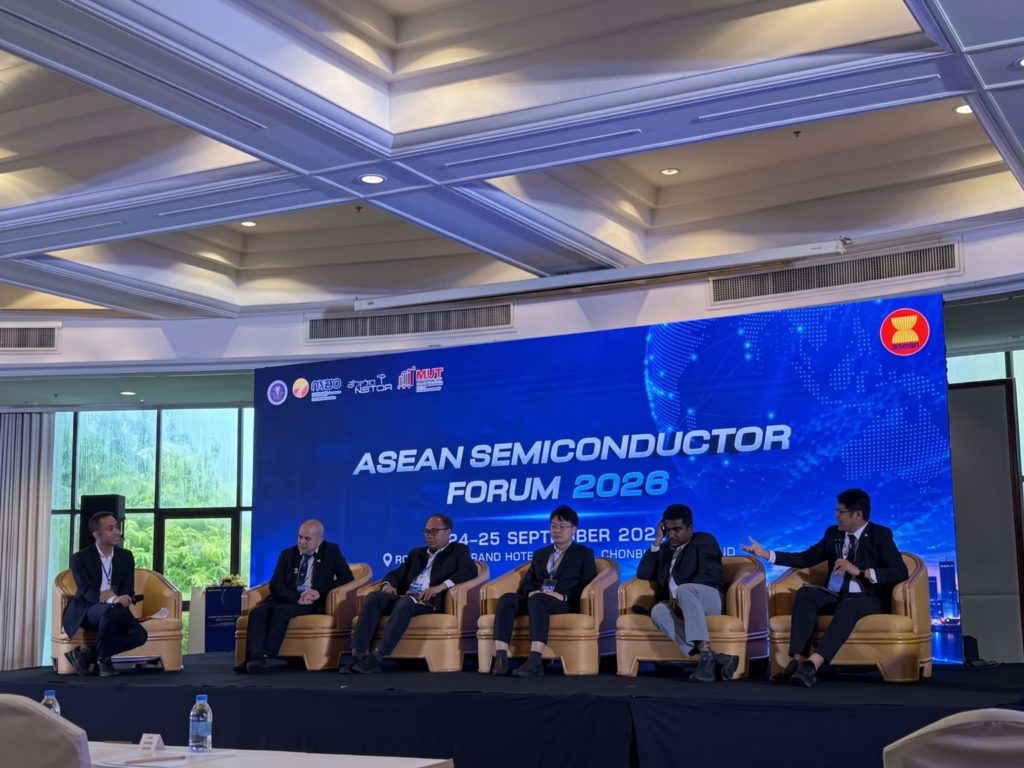
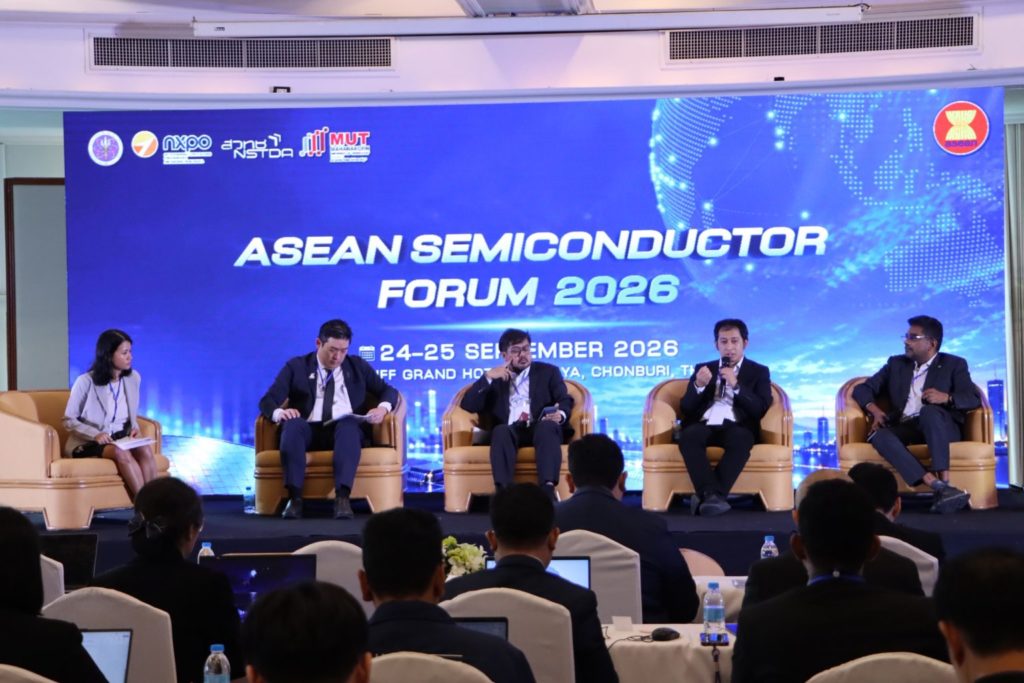
The event also featured a panel discussion titled “National Semiconductor Ecosystem: From National Capabilities to Global and Regional Partnerships,” moderated by Dr. Pranpreya Sriwannawit Lundberg, Senior Director of the International Policy Partnership Division at NXPO. Experts from Thailand, the Philippines, Indonesia, and Malaysia shared their countries’ strengths and opportunities for cooperation. The discussion highlighted that no country can develop a complete semiconductor value chain independently. ASEAN should therefore map the region’s capabilities and skills, develop a “Talent Passport” to facilitate workforce mobility, and connect universities, research centers, laboratories, and industries across countries. It should also promote shared access to infrastructure, such as cleanroom facilities, integrated circuit design tools, and prototype wafer fabrication services, to reduce costs and avoid duplicated investments. At the same time, the industrial sector emphasized the importance of developing domestic manufacturers, promoting technology transfer, upgrading factories to smart manufacturing systems, and ensuring readiness in terms of workforce, electricity, water, and environmental management.
On 25 September 2026, Prof. Dr. Surin Khomfoi represented Thailand in presenting the “ASEAN Chips Initiative” and participated in the discussion “ASEAN Sharing View and Way Forward,” which brought together representatives from Brunei, Indonesia, Laos, Malaysia, and Thailand. Participants proposed flagship projects that ASEAN could jointly implement within the next 1–2 years, including Joint Curriculum, Train the Trainer, Talent Mobility, and Shared Infrastructure. They also emphasized the importance of developing a database, establishing a Talent Observatory, and developing an ASEAN Semiconductor Qualifications Framework, along with mechanisms to promote and support joint implementation. These mechanisms include a Talent Passport and creating demand for joint research and development by promoting Made in ASEAN products and technologies.
As a co-host and supporter of the initiative, NXPO helped map Thailand’s industrial development, workforce development, and research directions against the capabilities of ASEAN Member States. Initiatives proposed at the forum will be consolidated to align with the ASEAN Plan of Action on Science, Technology and Innovation 2026–2035 (APASTI 2026–2035) and support the ASEAN Framework for Integrated Semiconductor Supply Chain (AFISS) and the ASEAN Semiconductor Roadmap 2026–2030. These efforts aim to advance regional cooperation in workforce development, research, infrastructure, and industry by building on initiatives already undertaken by each country, thereby strengthening the collective resilience and sustainability of the ASEAN region.