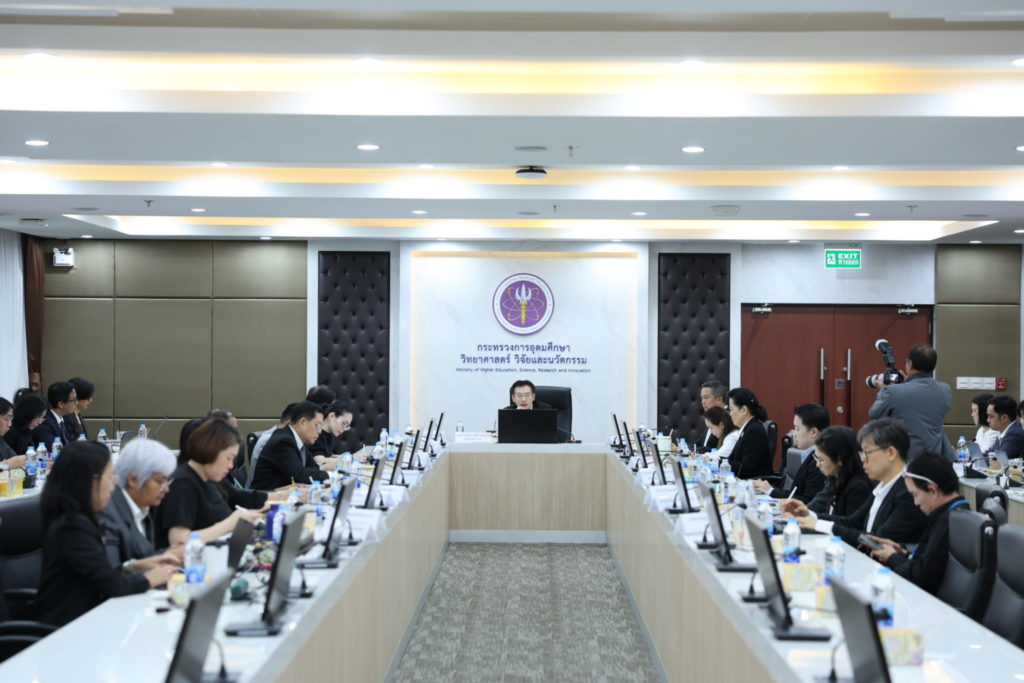
On 5 August 2026, Prof. Dr. Supachai Pathumnakul, Permanent Secretary of the Ministry of Higher Education, Science, Research and Innovation (MHESI), chaired a meeting on strengthening technology transfer mechanisms for public-sector organizations and advancing Thailand’s new economy through the commercialization of research and innovation. The meeting was attended by MHESI executives, including Dr. Surachai Sathitkunarat, President of NXPO.
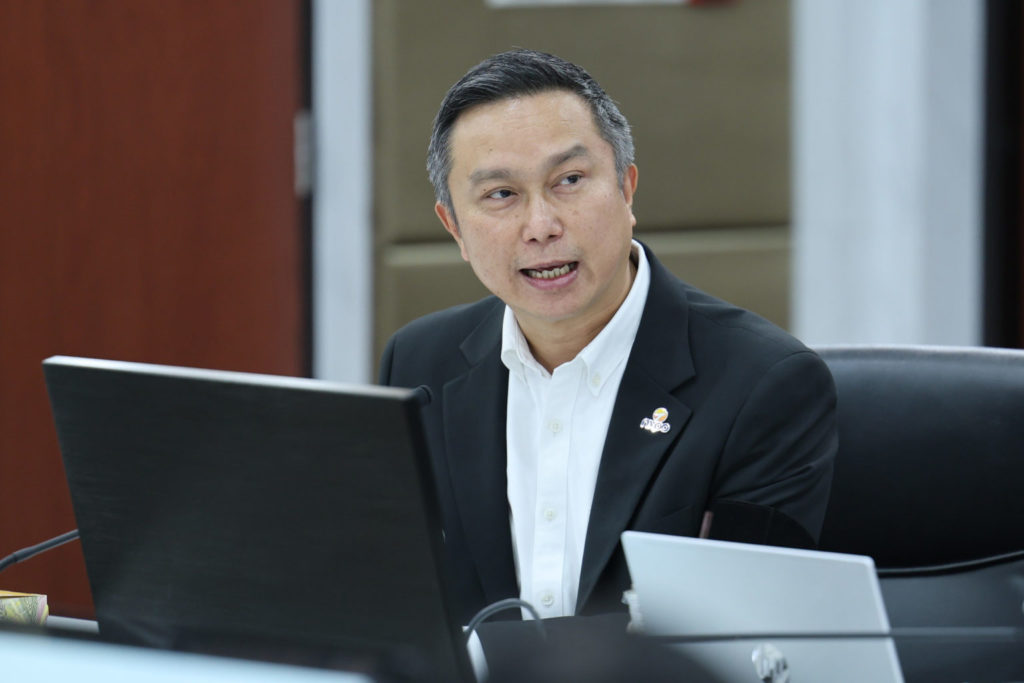
Dr. Surachai noted that although Thailand’s overall position in the IMD World Competitiveness Ranking has improved, the country’s performance in Scientific Infrastructure—particularly in intellectual property (IP)—continues to constrain its overall competitiveness. This finding is consistent with the Draft 14th National Economic and Social Development Plan, prepared by the Office of the National Economic and Social Development Council (NESDC), which identifies technology transfer and research investment as a key strategic pillar. He further explained that while the Thailand Research and Innovation Utilization Promotion (TRIUP) Act B.E. 2564 (2021) provides an important legal framework for research commercialization, the capabilities of Technology Licensing Offices (TLOs) within research institutions still require significant strengthening. Establishing a central platform to coordinate and support technology transfer would therefore play a critical role in strengthening Thailand’s innovation ecosystem.
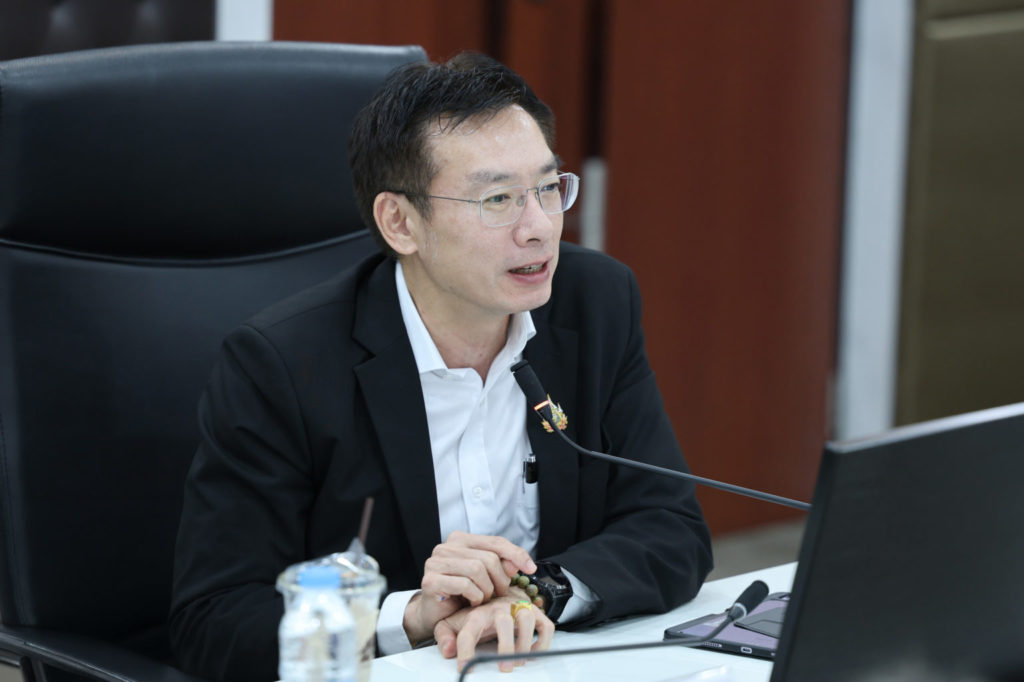
Prof. Dr. Supachai informed the meeting that the National Science and Technology Development Agency (NSTDA) and King Mongkut’s University of Technology Thonburi (KMUTT) have established a working group to advance Thailand’s new economy. The group will study, analyze, and pilot technology transfer models aligned with emerging industries, drawing on the experience of the United Kingdom’s Government Office for Technology Transfer (GOTT). GOTT serves as a central policy advisory body that supports government agencies, provides specialist expertise, manages knowledge assets, and systematically connects public research organizations with the private sector.
“Enhancing Thailand’s research system requires answering one fundamental question: How can research generate value, create income, and deliver tangible economic and societal benefits? Achieving this requires an ecosystem that enables effective technology transfer. While MHESI has long focused on strengthening universities, the key to advancing deep tech lies in empowering research institutes to translate their research into commercially viable technologies,” said Prof. Dr. Supachai.
He further emphasized that investment in technology should not be limited to financial capital alone. Meaningful co-investment can also be achieved through the sharing of expertise, highly skilled personnel, and institutional resources. He also called for revisions to relevant laws and regulations to enable research institutes to offer specialized master’s and doctoral degree programs. Such reforms would help develop the high-caliber workforce needed to support deep tech development while creating additional pathways for translating research into technology startups and generating greater economic value from Thailand’s research and innovation.
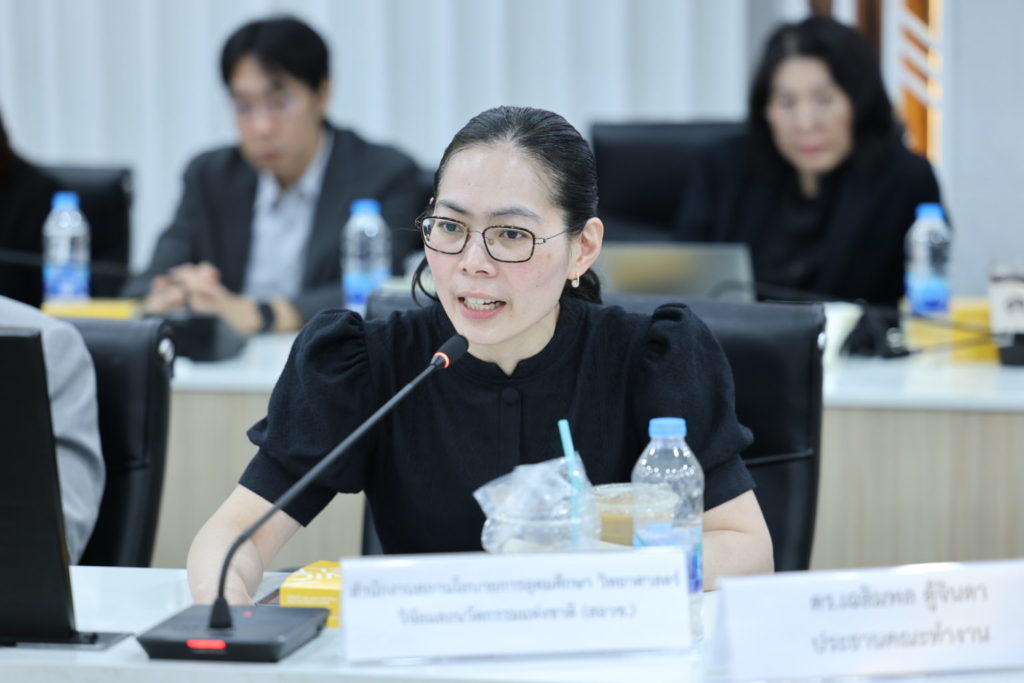
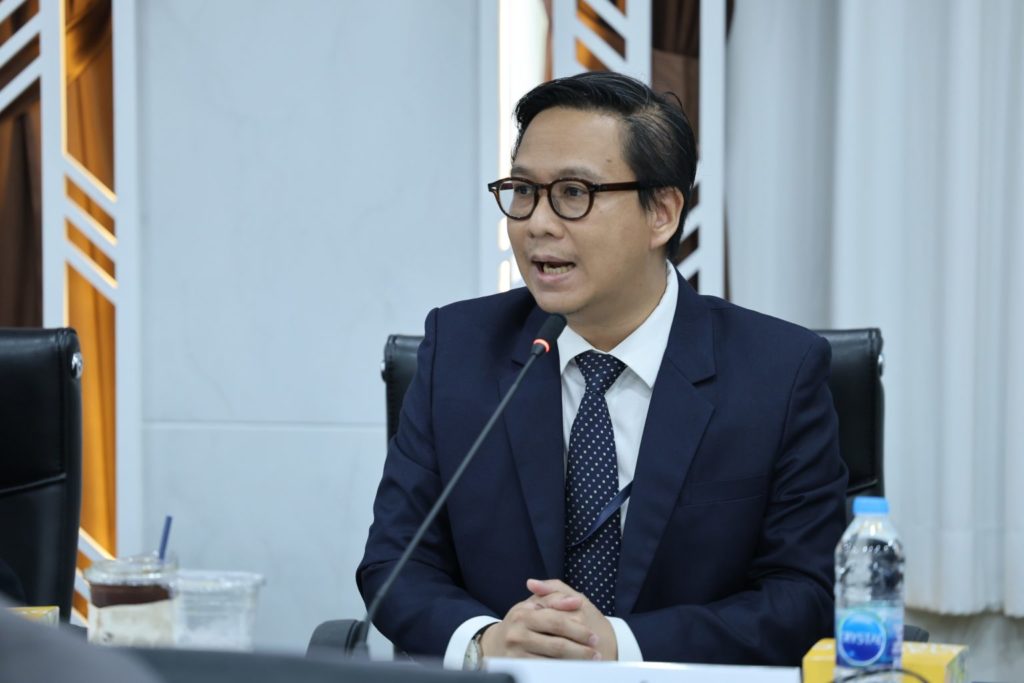
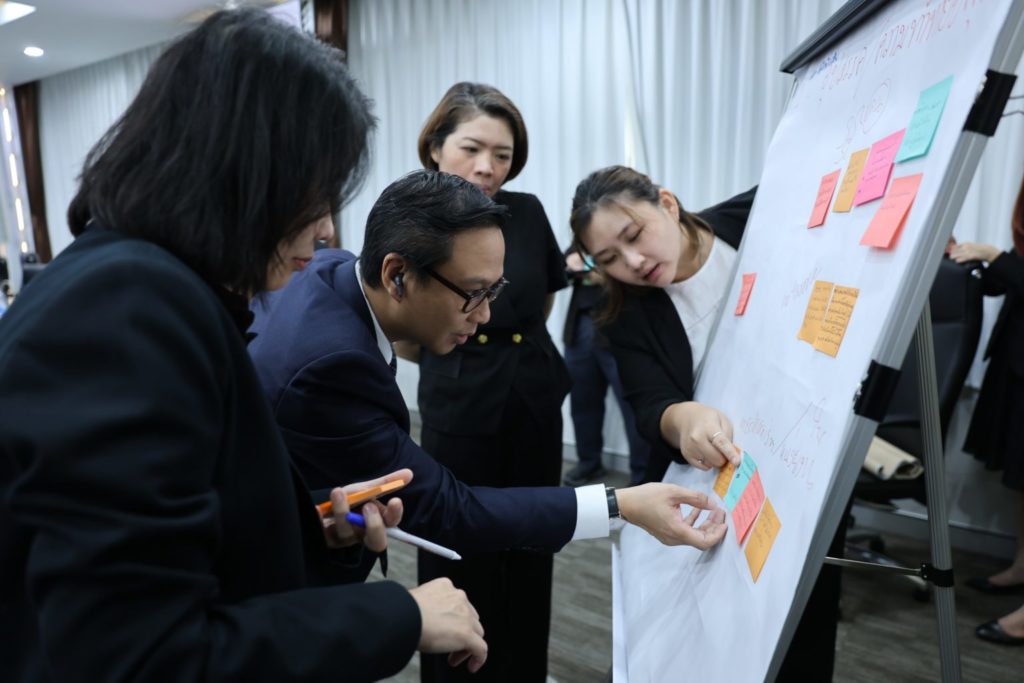
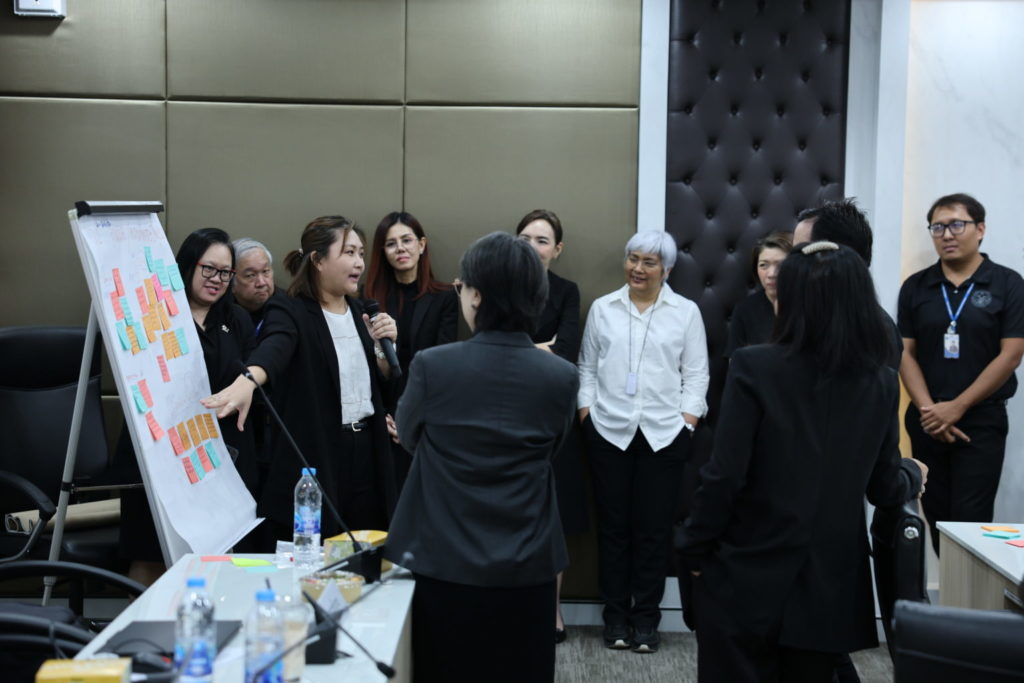
During the meeting, Dr. Orakanoke Phanraksa, a member of the working group, presented the proposed technology transfer framework based on the GOTT Concept, together with preliminary findings from a survey of 11 science, research and innovation (STI) agencies under MHESI. The findings highlighted significant opportunities to strengthen the commercialization of publicly funded research. The meeting also featured a discussion on intellectual property management and technology transfer, examining the current landscape and best practices in research commercialization across Thailand’s STI agencies. Participants exchanged views on the key challenges and barriers to effective technology transfer, with the aim of informing the design of more effective implementation mechanisms. The outcomes of the discussion will also serve as the basis for future consultations with the CEO of GOTT UK, supporting Thailand’s efforts to strengthen its technology transfer system and foster a more sustainable innovation-driven economy.