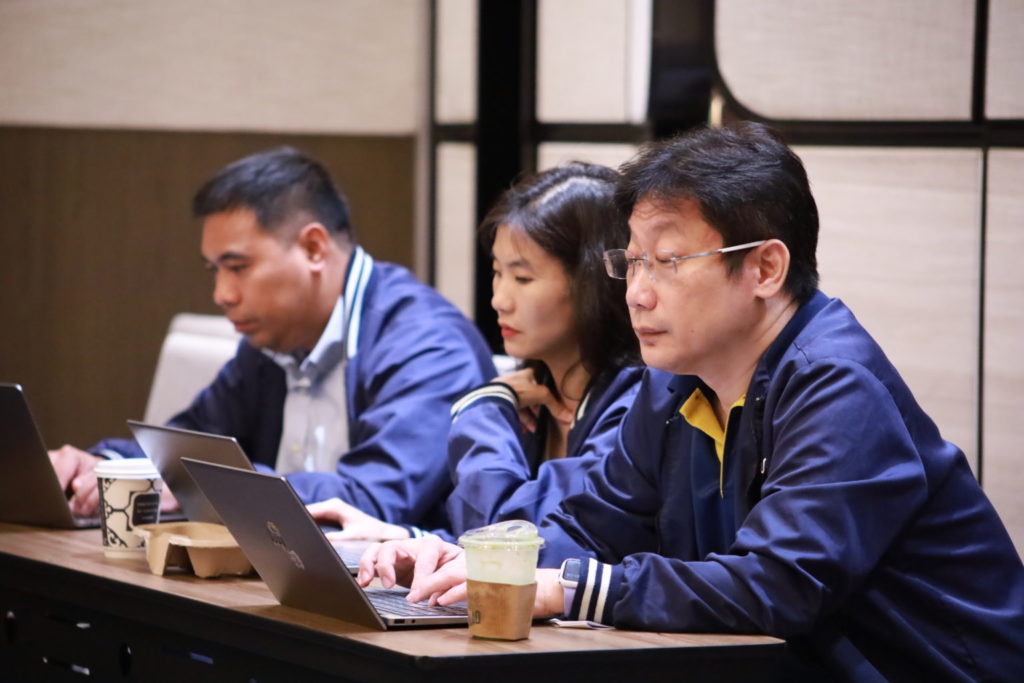
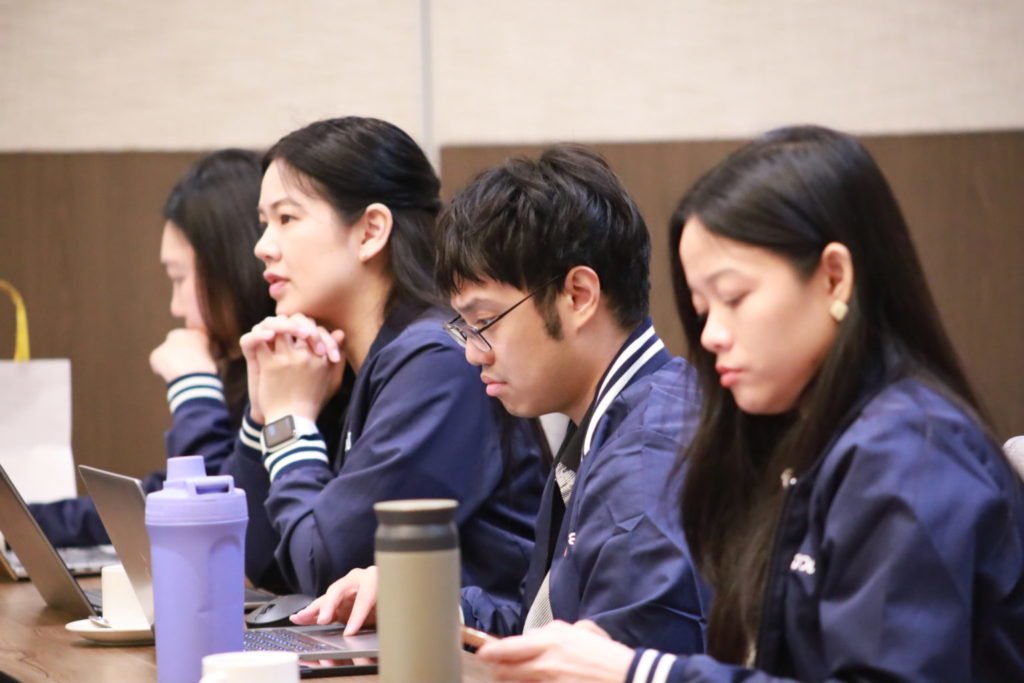
On 10 June 2026, the APEC Center for Technology Foresight (APEC CTF), hosted by NXPO, was invited by Chiang Mai University to conduct a training session on “Technology Foresight for GHG Management,” aimed at strengthening participants’ understanding and capacity to apply strategic foresight tools in greenhouse gas (GHG) management.
The activity was part of the Low Carbon and Climate Resilience Empowerment Program (LCEP) under the Empowering Thailand’s Department of Climate Change and Environment (EMPOWER II) project. Jointly organized by Chiang Mai University and the German Agency for International Cooperation (GIZ) Thailand, the program seeks to enhance the capacity of professionals to lead transformative climate actions and contribute to a sustainable and resilient future.
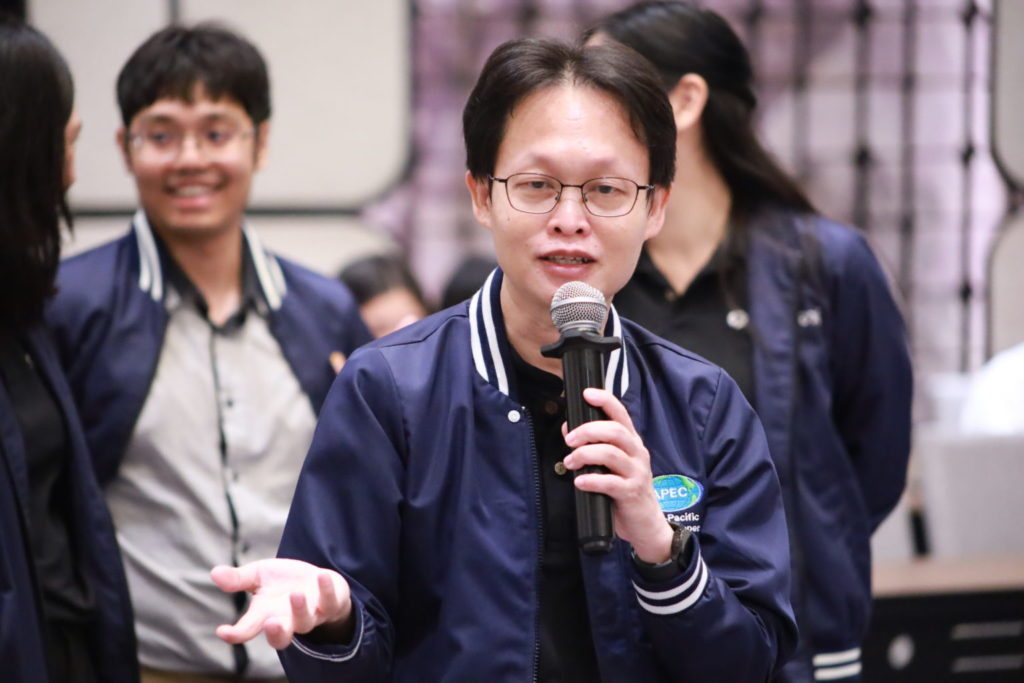
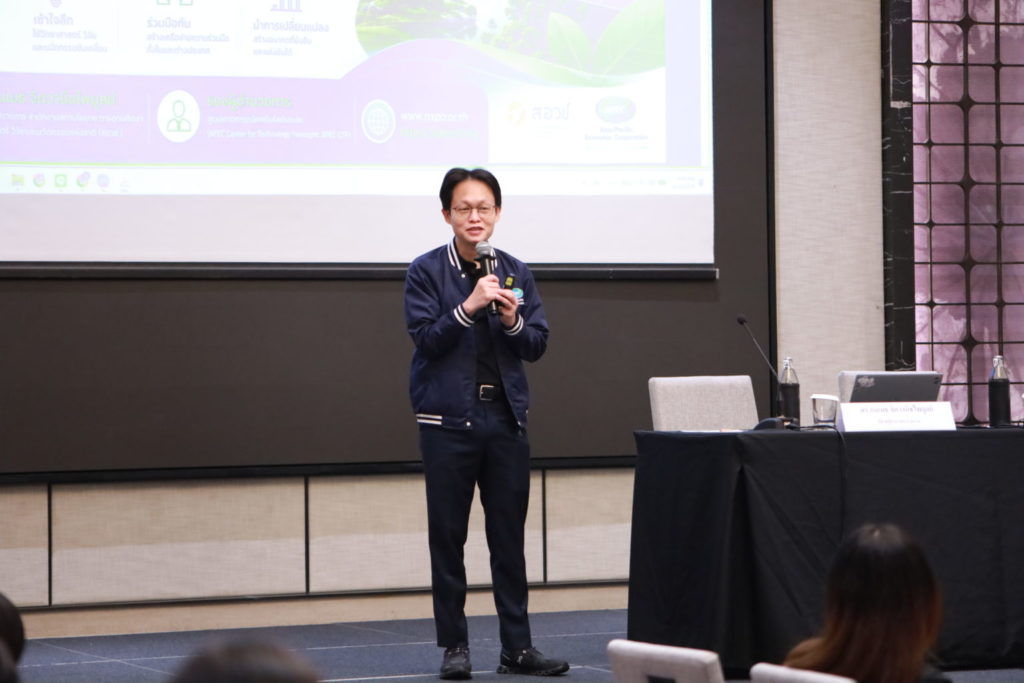
Led by Dr. Kommate Jitvanichphaibool, Assistant to the President of NXPO, together with the APEC CTF team, the session focused on the application of strategic foresight in GHG management, the transition to a low-carbon society, and strengthening institutional readiness to navigate an increasingly uncertain global landscape. The presentation explored key concepts such as VUCA, BANI, and Polycrisis, as well as the major drivers of the global green transition, pathways toward net-zero emissions, and their strategic implications for Thailand. It emphasized that GHG management is closely linked to economic development, technological advancement, investment, supply chains, international regulations, and national competitiveness.
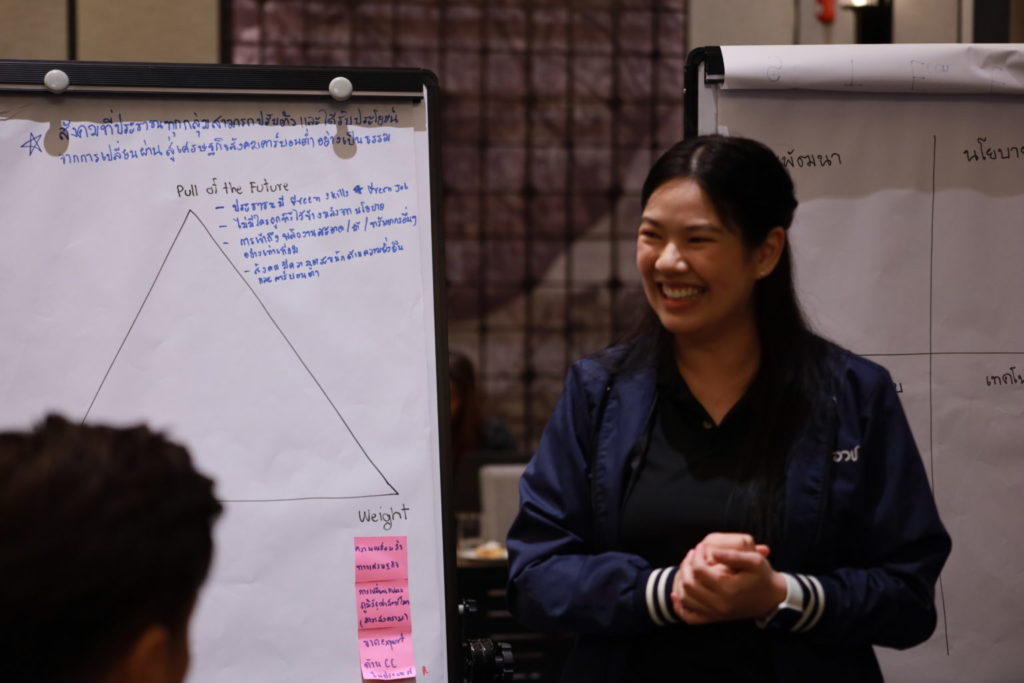
The program comprised two main components: a lecture session introducing global trends and foresight methodologies, followed by a workshop applying foresight tools to the challenge of “Thailand’s Climate Transformation Pathways 2035.” Through three core foresight processes—Horizon Scanning, Scenario Building, and Strategic Response—participants identified emerging signals of change, developed future scenarios, and explored strategic options to support Thailand’s climate agenda.
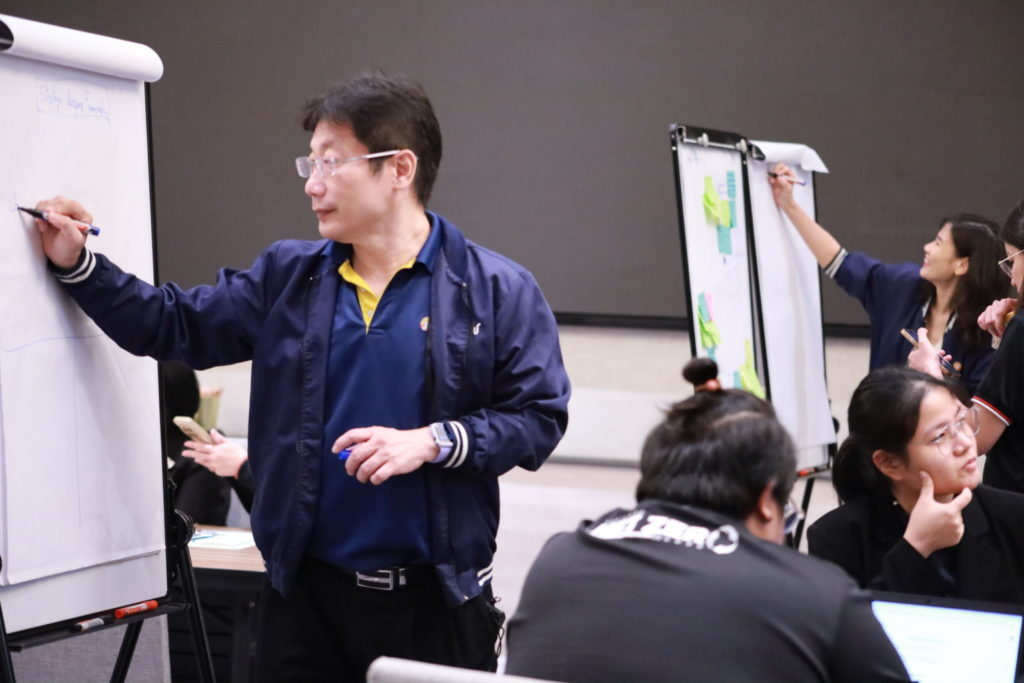
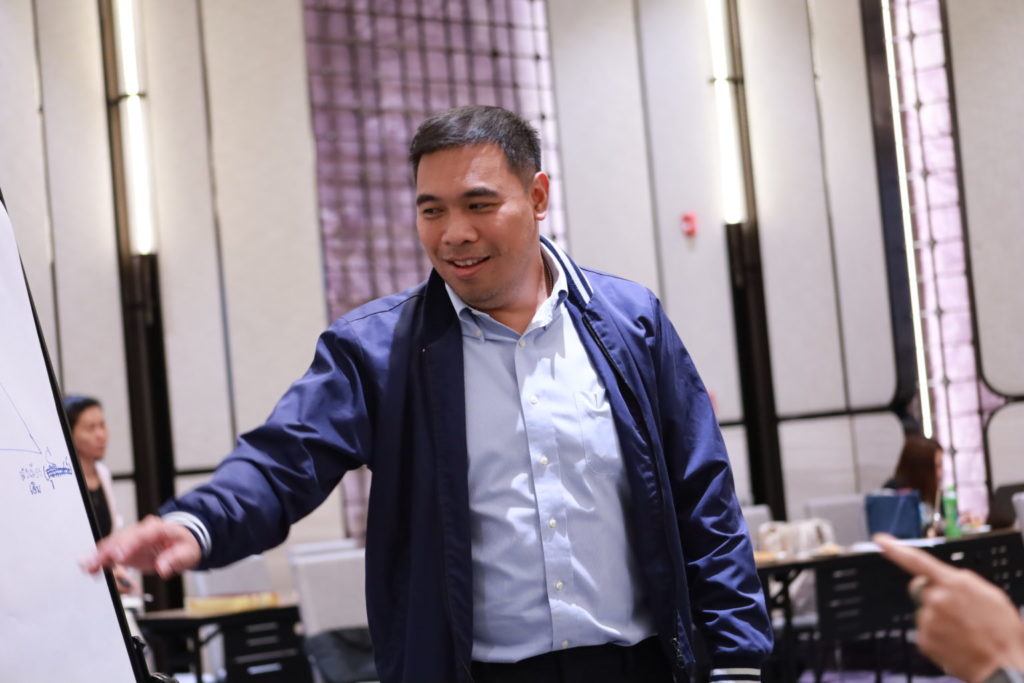
During the workshop, participants were divided into groups focusing on five strategic domains: energy systems, industrial transition, transportation and logistics, urban transformation, and social and behavioral dimensions. Together, they examined how Thailand can strengthen its policies, regulatory frameworks, technological capabilities, investment strategies, and workforce development efforts to accelerate GHG reduction while enhancing long-term climate resilience.
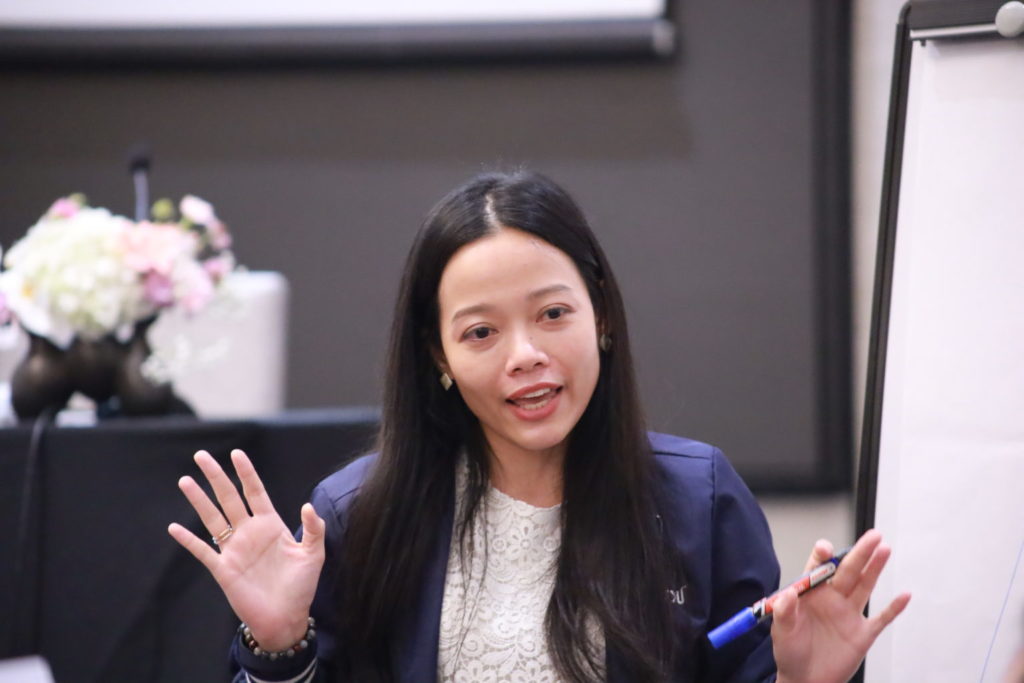
Building climate resilience is not only an environmental imperative but also a strategic necessity for strengthening national competitiveness in an increasingly complex world. Strategic foresight enables organizations to systematically identify risks, opportunities, and policy options, while integrating science, technology, innovation, and multi-stakeholder collaboration into efforts to achieve net-zero goals and sustainable development.
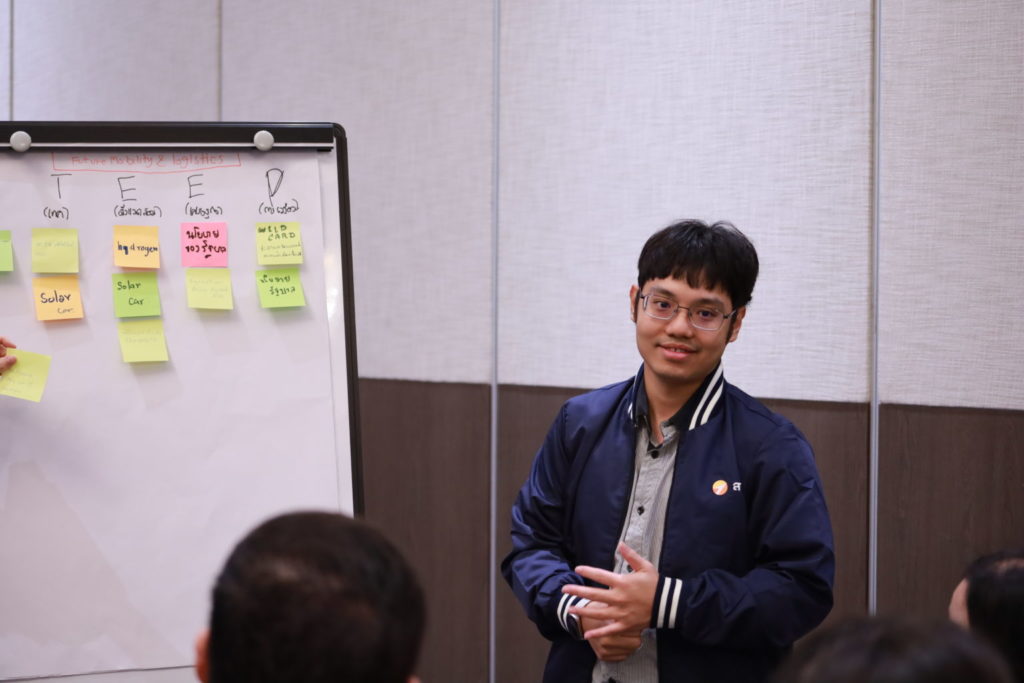

This engagement underscores the growing role of NXPO and APEC CTF in advancing future-oriented policymaking, capacity building, and the application of foresight methodologies to support Thailand’s economic, social, technological, and environmental transformation.