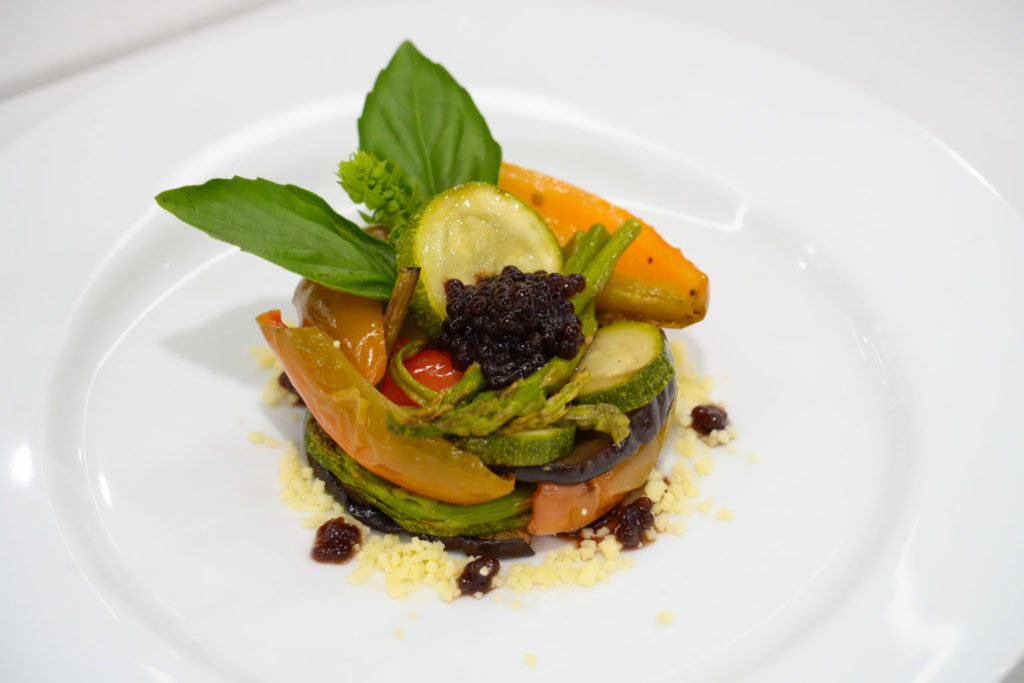
NXPO, in collaboration with the School of Culinary Arts at Suan Dusit University, is advancing the development of the “Plant-Rich Diet Design for Health and Sustainability” Program to address growing consumer demand for healthier food choices. The program also integrates artificial intelligence (AI) to support personalized meal planning, with the aim of generating new knowledge in healthy food innovation while creating economic opportunities and promoting environmental sustainability.
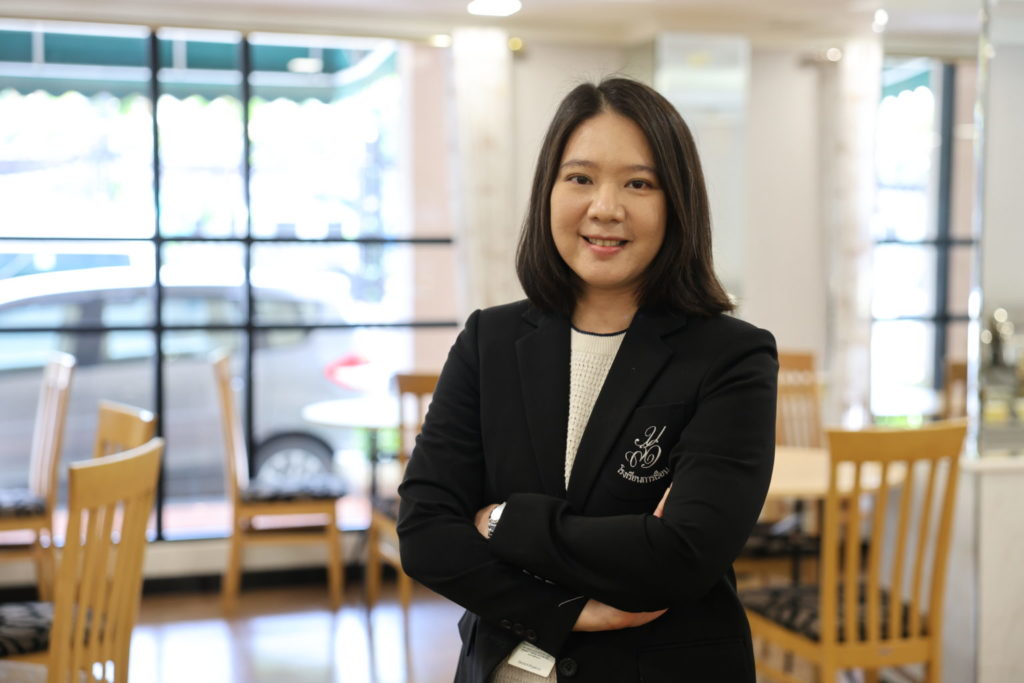
According to Assoc. Prof. Dr. Tita Foophow, Chair of the Nutrition and Healthy Aging Culinary Arts Program at Suan Dusit University, Thailand is rapidly becoming an aging society. Combined with the lasting impacts of the COVID-19 pandemic, this demographic shift has encouraged people to pay greater attention to their health, particularly their dietary habits. As a result, the concept of a plant-rich diet has gained increasing interest. A plant-rich diet does not require eliminating meat entirely. Rather, it emphasizes increasing the proportion of plant-based foods—including vegetables, fruits, legumes, mushrooms, seaweed, and alternative plant-based ingredients—while allowing moderate consumption of high-quality animal protein to maintain balanced nutrition.
Dr. Tita noted that Suan Dusit University has received support from NXPO to develop the Plant-Rich Diet Design for Health and Sustainability Program. The initiative aims to improve public health while contributing to economic and environmental sustainability. The curriculum covers nutrition science, healthy menu design, efficient ingredient utilization, food loss reduction throughout the value chain, and the application of AI to develop personalized meal plans tailored to individual needs—an emerging trend in the future food industry.
Following the launch of the program, applications exceeded expectations. Most participants were restaurant operators seeking to apply the knowledge gained to redesign menus, expand healthy food options, and respond to the evolving preferences of health-conscious consumers.
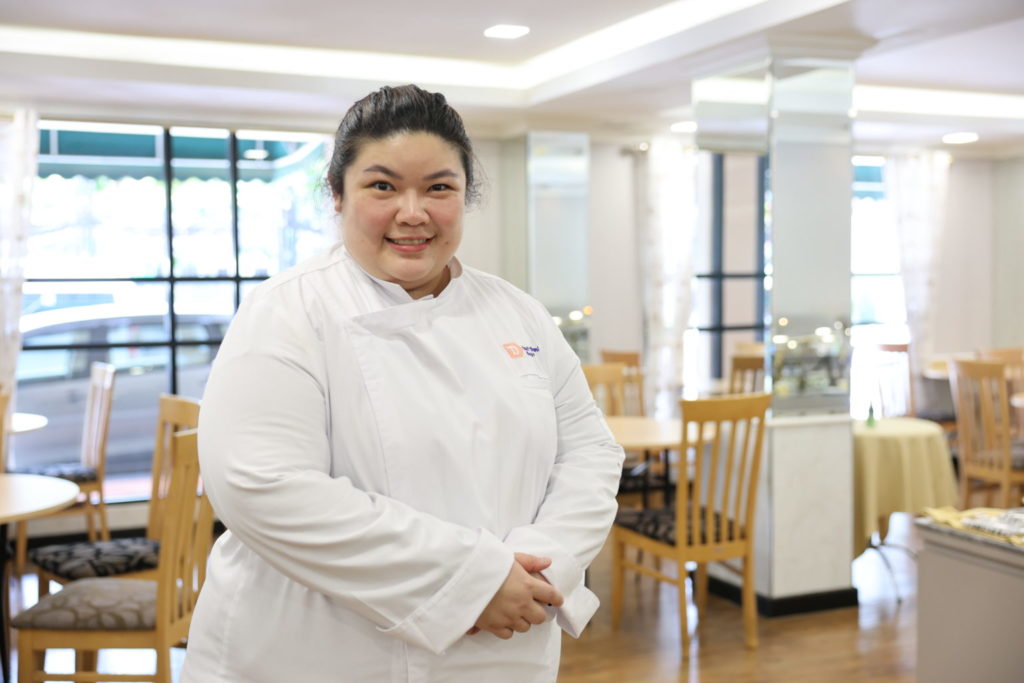
One participant, Ms. Narinuch Somsri, owner of a healthy food restaurant in Bangkok’s Silom district, shared that she had previously assumed a plant-rich diet meant eliminating meat altogether. After completing the program, she realized that the concept focuses on increasing plant-based foods while reducing meat consumption to achieve a healthier nutritional balance.
“I used to think that plant-rich diets meant consuming vegetables 100% of the time. After taking the course, I learned that it is not necessary to eliminate meat entirely. Simply increasing the proportion of plant-based foods and creating a balanced meal is enough. Previously, our meal boxes consisted of about 70% meat, 20% rice, and only 10% vegetables. After completing the program, I plan to increase the vegetable portion to 50–60% and reduce the amount of meat, allowing customers to enjoy a more balanced diet. Both the theoretical and practical components of the course have deepened my understanding of nutrition and healthy living, particularly in designing meals that meet consumers’ needs. The knowledge has also helped me improve my own eating habits,” Ms. Narinuch said.
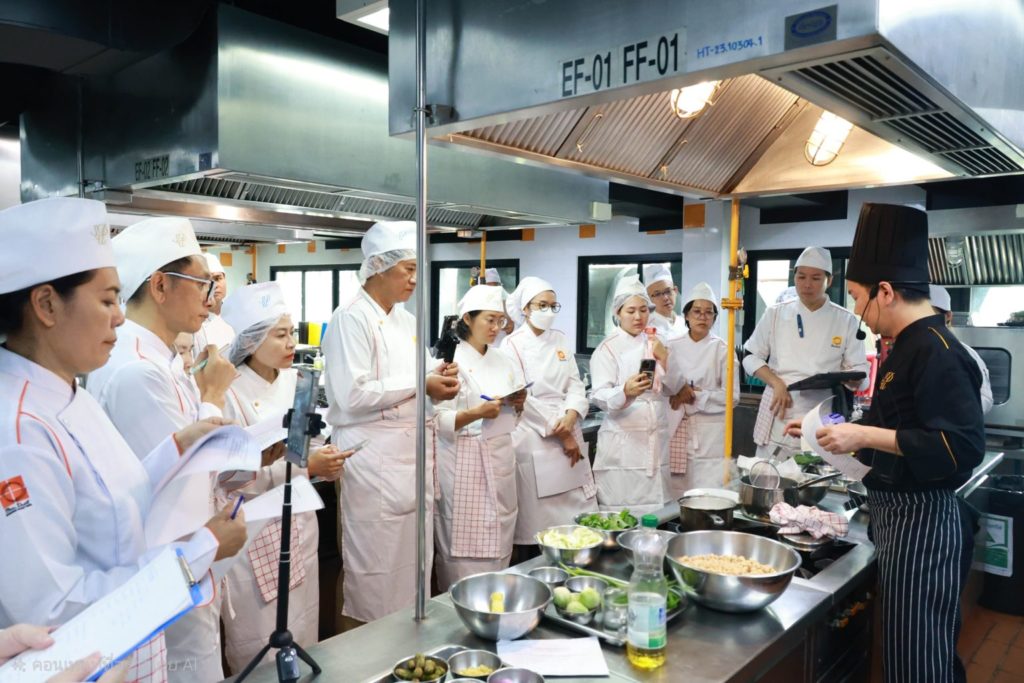
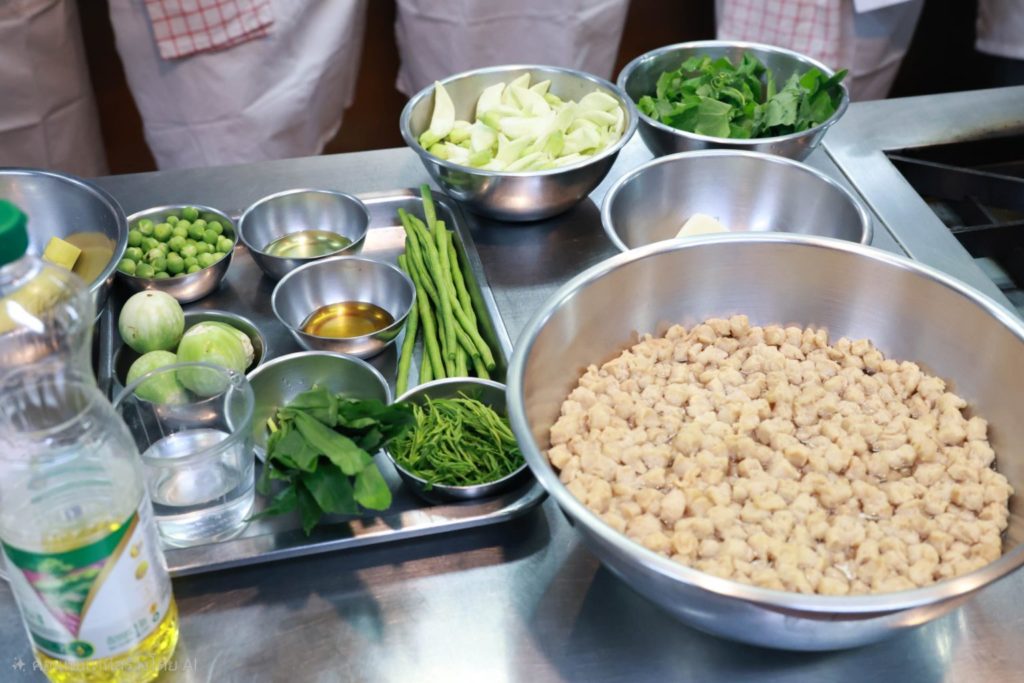
She intends to apply the knowledge gained from the program to improve the restaurant’s menu offerings. This includes adopting cooking techniques that reduce the grassy flavor or aroma of vegetables that some consumers may dislike, making vegetables more appealing and accessible. Previously, she believed that fitness-oriented customers primarily sought high-protein meals. However, she now recognizes that a balanced combination of protein and vegetables offers greater health benefits and better meets consumers’ nutritional needs.
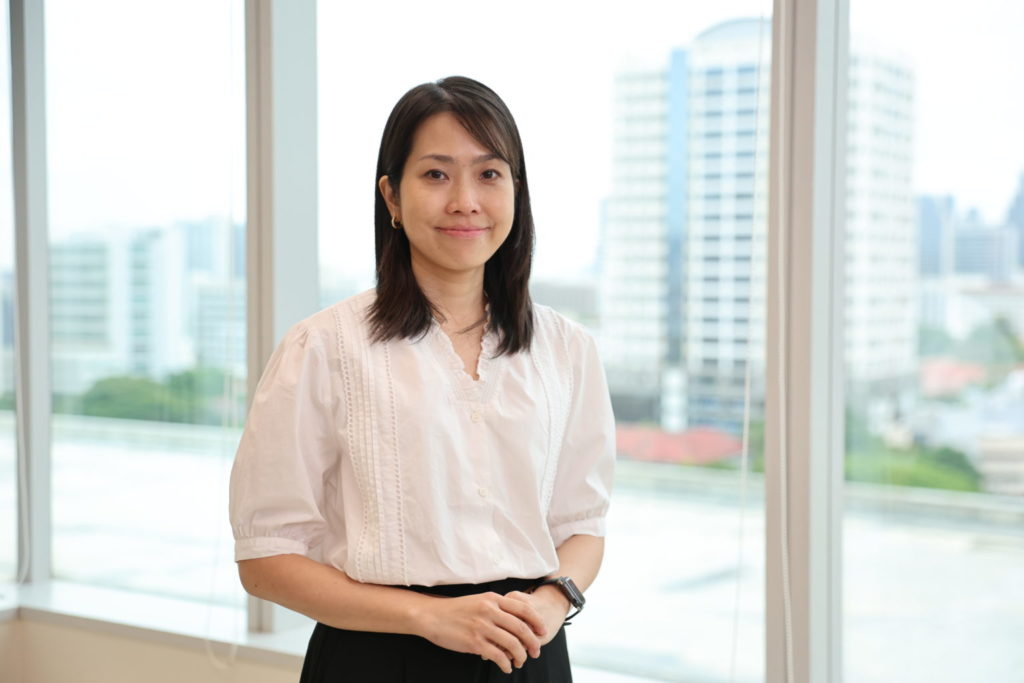
Ms. Sirinya Lim, Senior Director of the Bioeconomy Policy Division at NXPO, stated that NXPO has been promoting policies related to future food and alternative proteins for several years. Through this work, it has become clear that focusing solely on the supply side—particularly research and development—is not sufficient to ensure that innovations are widely adopted or successfully commercialized. Greater attention must therefore be given to the demand side, namely consumer needs and preferences. As part of this effort, NXPO launched a pilot initiative to ensure that at least 30% of the food served at organizational meetings is plant-based. Feedback from the initiative was mixed. While many participants responded positively, some expressed concerns regarding ultra-processed foods (UPFs), particularly their nutritional quality and level of processing. Others felt that certain plant-based dishes did not fully meet their taste preferences. These experiences reinforced the importance of making alternative protein innovations more appealing and accessible to consumers.
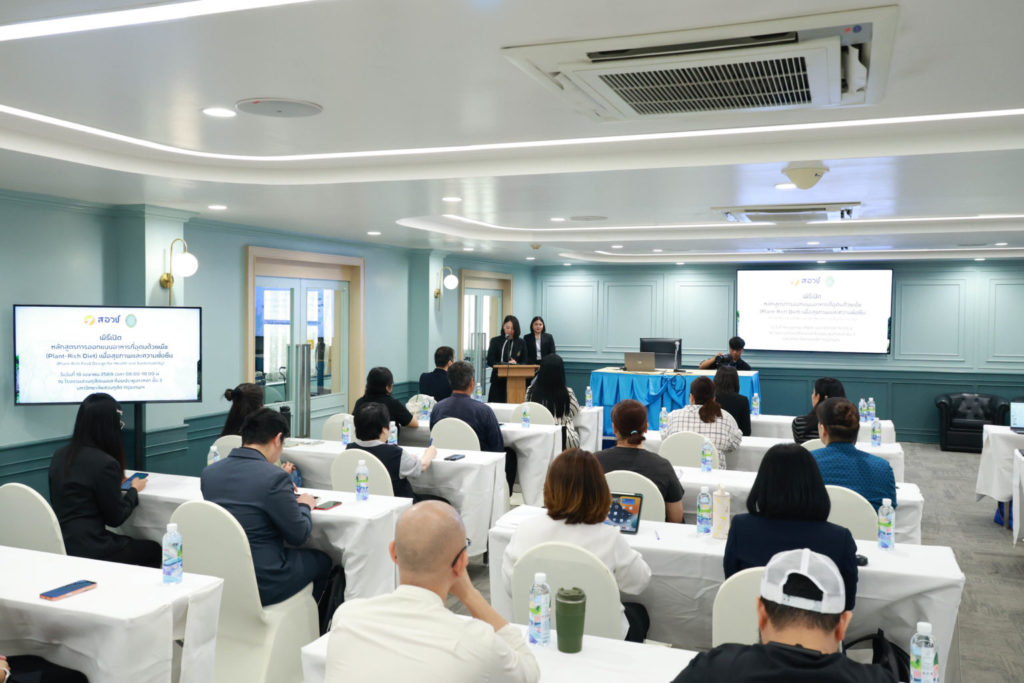
To address this challenge, NXPO partnered with the School of Culinary Arts at Suan Dusit University, an institution renowned for its expertise in culinary education and for producing chefs and restaurant entrepreneurs. Together, they developed a curriculum that combines theoretical knowledge with practical application. The program is built around the principle that food should not only be delicious, but also promote health and environmental sustainability. Participants include chefs, chef influencers, restaurant operators, catering businesses, and entrepreneurs who can apply the concepts directly in their businesses by introducing healthier menu options. University lecturers also participate, enabling them to integrate the knowledge into their teaching. The program was designed as a train-the-trainer model, creating a multiplier effect that supports long-term impact and sustainability.
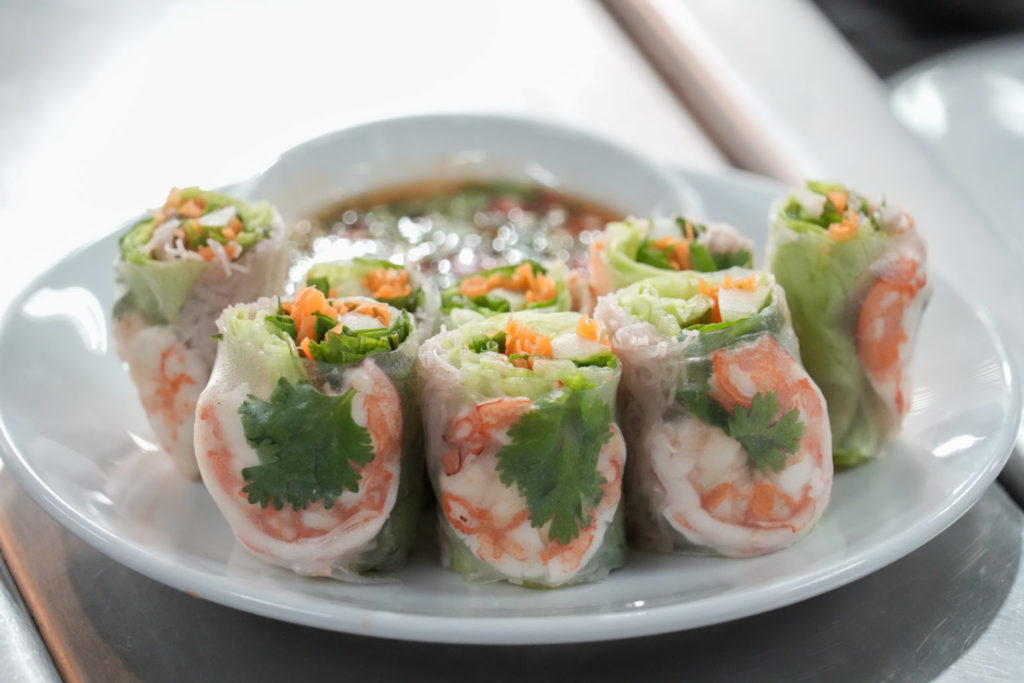
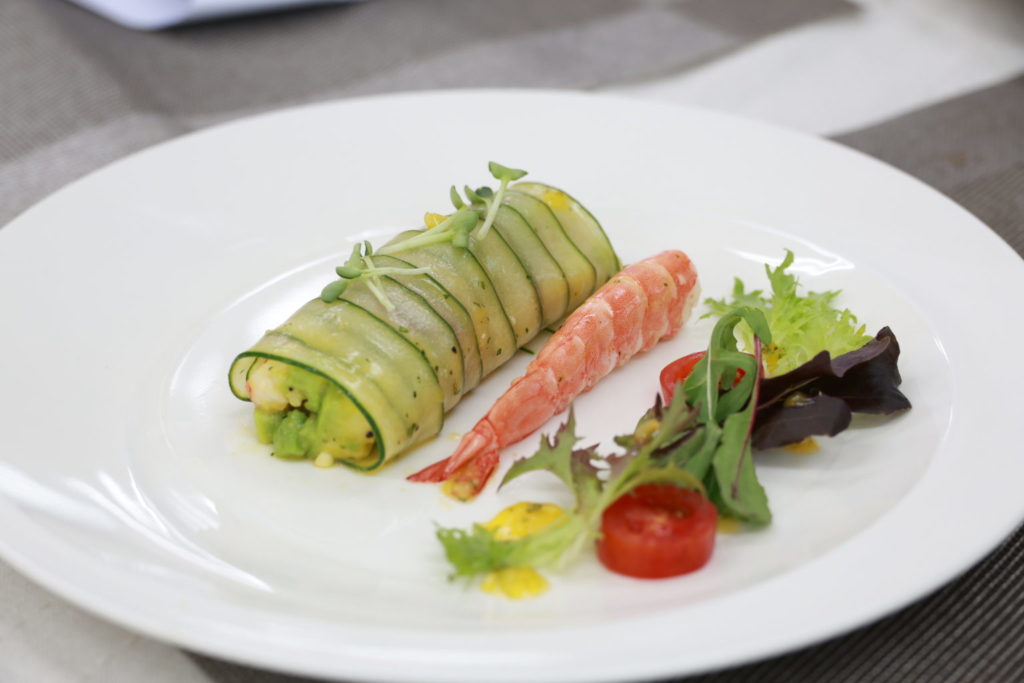
NXPO adopts an ecosystem approach to policy implementation, recognizing that human resource development and curriculum innovation are critical for fostering understanding of emerging trends such as future food and plant-rich diets in Thailand. Expanding networks of stakeholders and increasing awareness among those who understand and support these concepts will help accelerate policy implementation, broaden the reach of NXPO’s initiatives, strengthen partnerships, and create opportunities for future collaboration.
Ms. Sirinya further noted that NXPO plans to expand the initiative through the “Plant-Rich 30%” campaign by establishing a network known as the “Plant 30% Leaders Club.” Members would commit to ensuring that at least 30% of meals or products offered are plant-based. For example, at events featuring ten menu items, at least three would be plant-based. For retailers, supermarkets, online platforms, and convenience stores, this commitment could involve adjusting product portfolios so that plant-based options account for at least 30% of offerings. For instance, among 100 protein-product stock-keeping units (SKUs), at least 30 would be plant-based protein products. Likewise, among ten food items offered through an online platform, at least three would be plant-based dishes. Beyond knowledge sharing, the program also serves as a platform for building a network of restaurants, entrepreneurs, and chefs with expertise in nutrition and healthy eating. The ultimate goal is to encourage the development of more menu options that support both public health and environmental sustainability across Thailand’s food service sector.
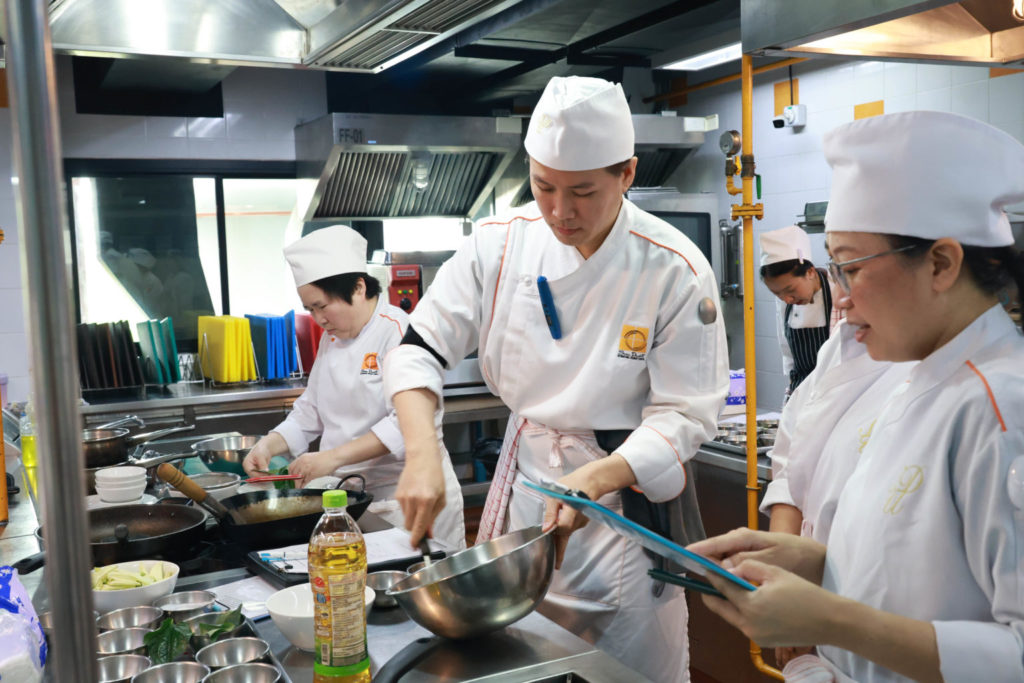
“In the next phase, we would like to see more restaurants join us in advancing the ‘Plant-Rich Diet 30%’ initiative. Participating establishments should also receive recognition in some form, such as a certification mark or certificate, to assure consumers that these restaurants not only serve delicious food but also prioritize health and nutrition,” Ms. Sirinya said.
She added that NXPO is also exploring opportunities to collaborate with chefs and food experts to develop new menu concepts that make plant-rich diets more accessible and widely accepted. The aim is to reshape consumer perceptions by demonstrating that plant-rich diets are not bland, but can be nutritious, environmentally friendly, and enjoyable for everyone.
“We would like to invite government agencies, universities, schools, hospitals, restaurants, and private-sector organizations to become part of the ‘Plant 30% Leaders Club.’ Together, we can build a healthier food system that creates economic opportunities for Thailand by adding value to agricultural products, opening new business opportunities, and contributing to environmental sustainability through reduced greenhouse gas emissions. Every food choice we make affects not only our own health but also the future of our planet,” Ms. Sirinya concluded.