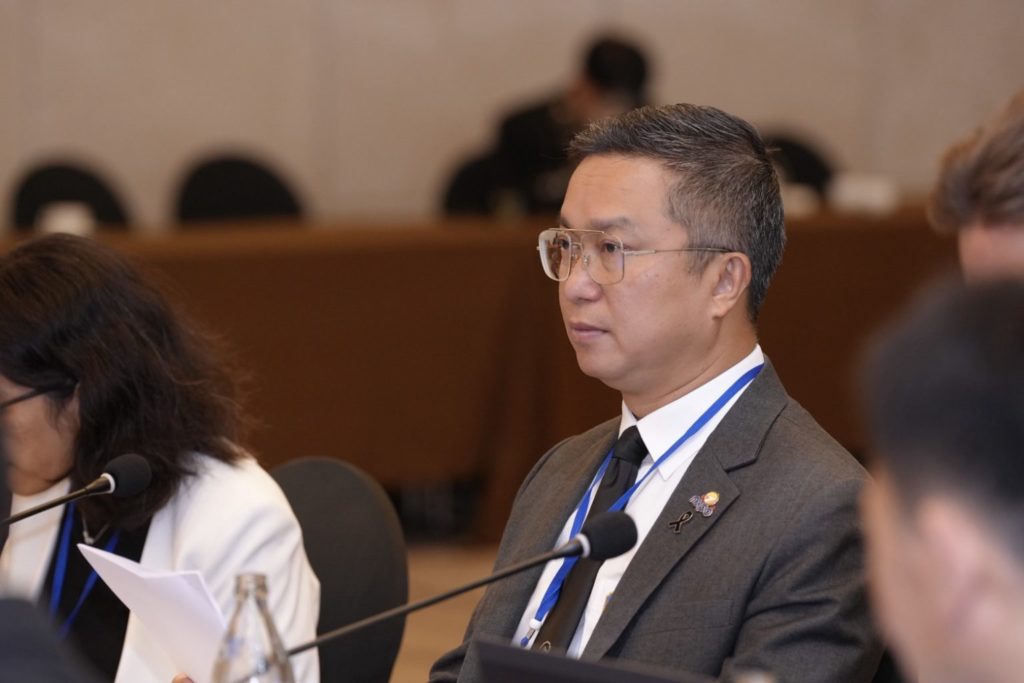
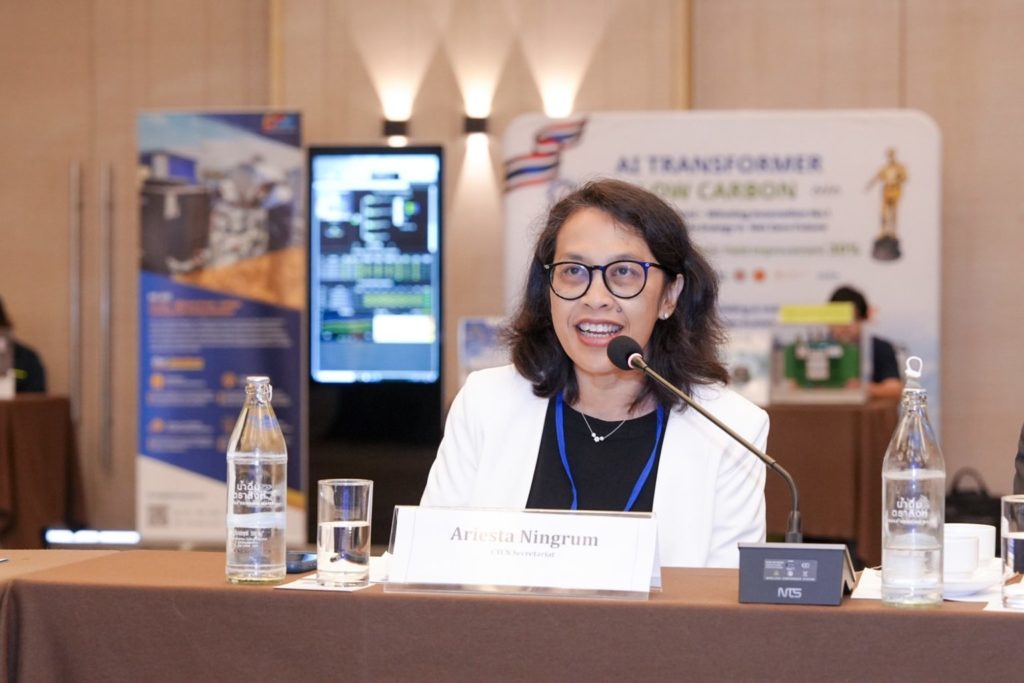
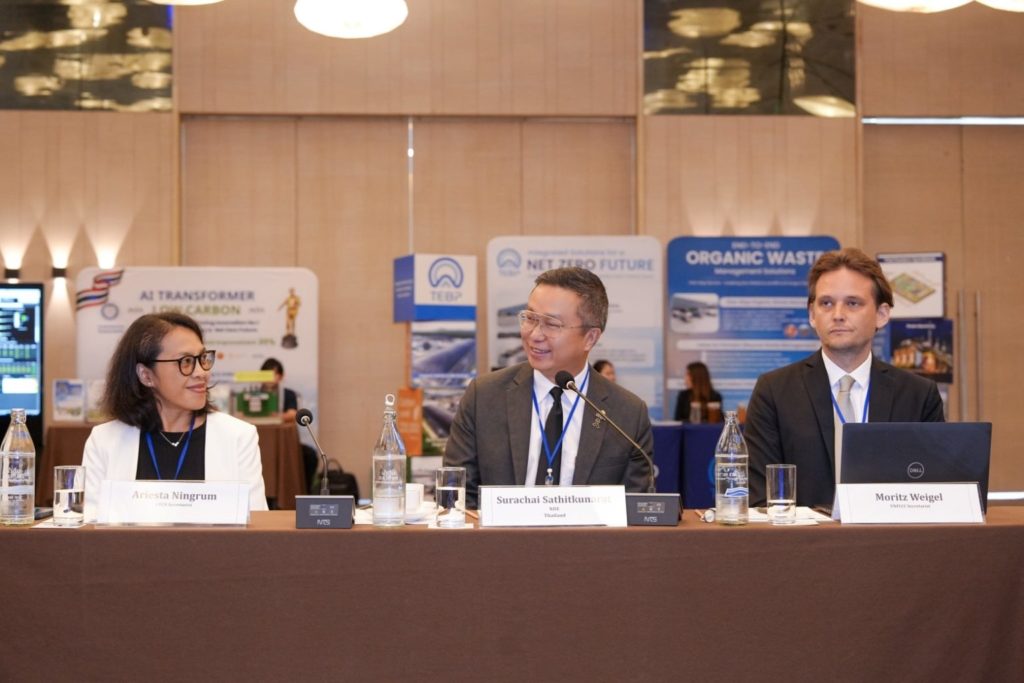
NXPO, in collaboration with the Climate Technology Centre and Network (CTCN), hosted the 2026 Joint Programme: NDE Forum, Capacity Building on Integrating Energy Technologies, and NDE–NDA Coordination in Asia from 7–10 July 2026 at the Pullman Pattaya Hotel G, Thailand. The regional forum brought together representatives from across Asia, including Bangladesh, Lao PDR, Timor-Leste, Vietnam, Indonesia, Malaysia, Pakistan, and Sri Lanka.
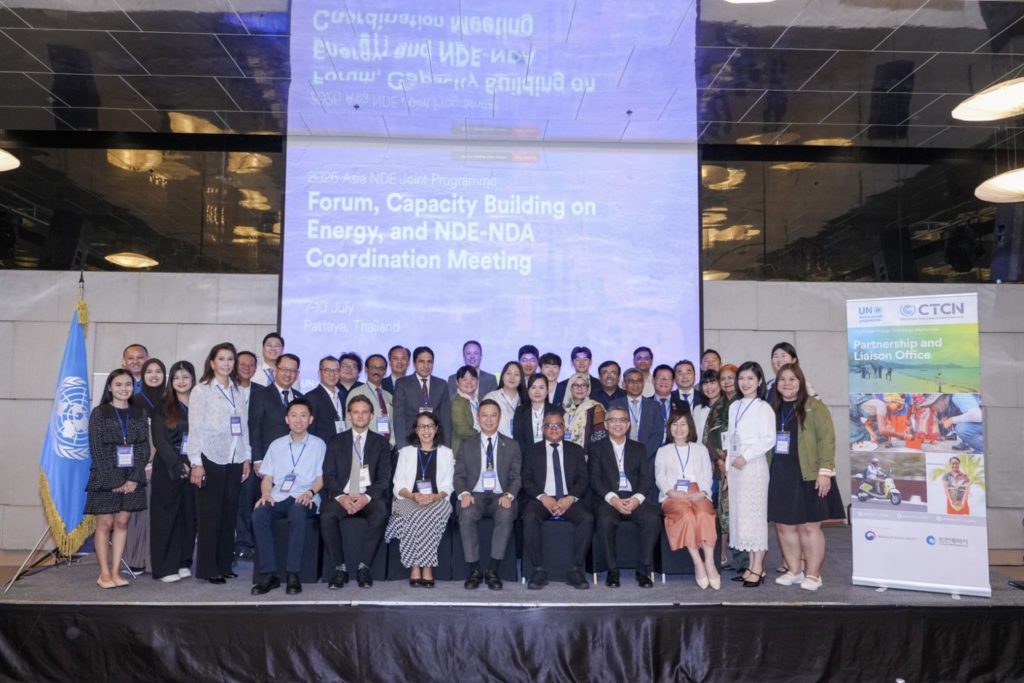
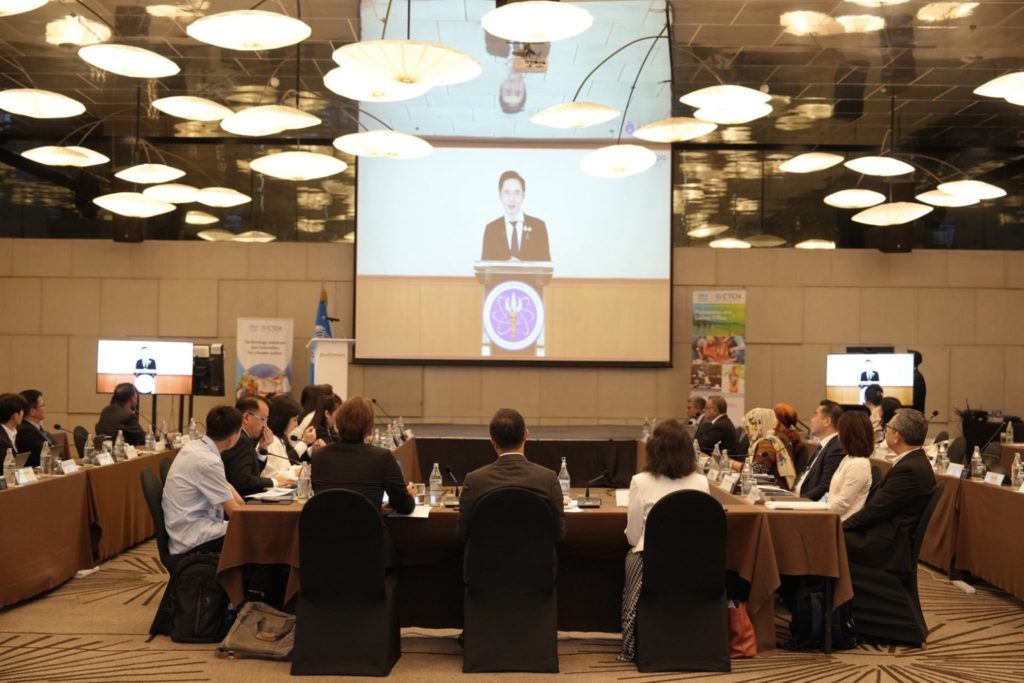
The programme was officially opened on 7 July 2026 by Prof. Dr. Yodchanan Wongsawat, Deputy Prime Minister and Minister of Higher Education, Science, Research and Innovation (MHESI). In his opening remarks, he noted that the meeting forms part of a regional initiative to promote integrated energy technologies and enhance coordination between National Designated Entities (NDEs) and National Designated Authorities (NDAs) across Asia. The programme aims to accelerate the deployment of climate technologies and clean energy solutions while strengthening linkages with international climate finance mechanisms. Minister Yodchanan emphasized that the Technology Mechanism under the United Nations Framework Convention on Climate Change (UNFCCC) plays a vital role in supporting developing countries through technology development and transfer, capacity building, and collaboration among governments, academia, industry, and international organizations.
“Research alone is not enough to deliver effective climate action. Success also depends on strong universities, a highly skilled workforce, advanced technologies, and an innovation ecosystem capable of transforming ideas into scalable solutions. We believe that science diplomacy can serve as a powerful mechanism for strengthening regional cooperation in addressing climate change,” Prof. Dr. Yodchanan said.
He further highlighted that MHESI is implementing an action plan built on five strategic pillars, with climate change identified as one of its key priorities. The Ministry is leveraging science, technology, and innovation (STI) to strengthen existing development while promoting the application of artificial intelligence across all sectors through the AI for All initiative. It is also fostering collaboration among government agencies to advance environmentally sustainable development by translating research into commercial applications, supporting innovation-driven enterprises, and creating new economic opportunities.
Prof. Dr. Yodchanan also highlighted the strength of Thailand’s National Innovation System (NIS), citing the Net Zero Campus initiative as an example. Under the initiative, universities serve as living laboratories for developing climate solutions, nurturing innovation and future talent, and demonstrating technologies for large-scale deployment. He noted that Thailand seeks to leverage its NIS as a key mechanism for advancing sustainable development and international cooperation.
“Regional cooperation enables countries to share experiences, learn from one another, and develop solutions tailored to their respective contexts. As the host country, Thailand hopes this meeting will further strengthen regional partnerships and help translate our shared commitment to climate action into concrete and scalable outcomes,” he concluded.
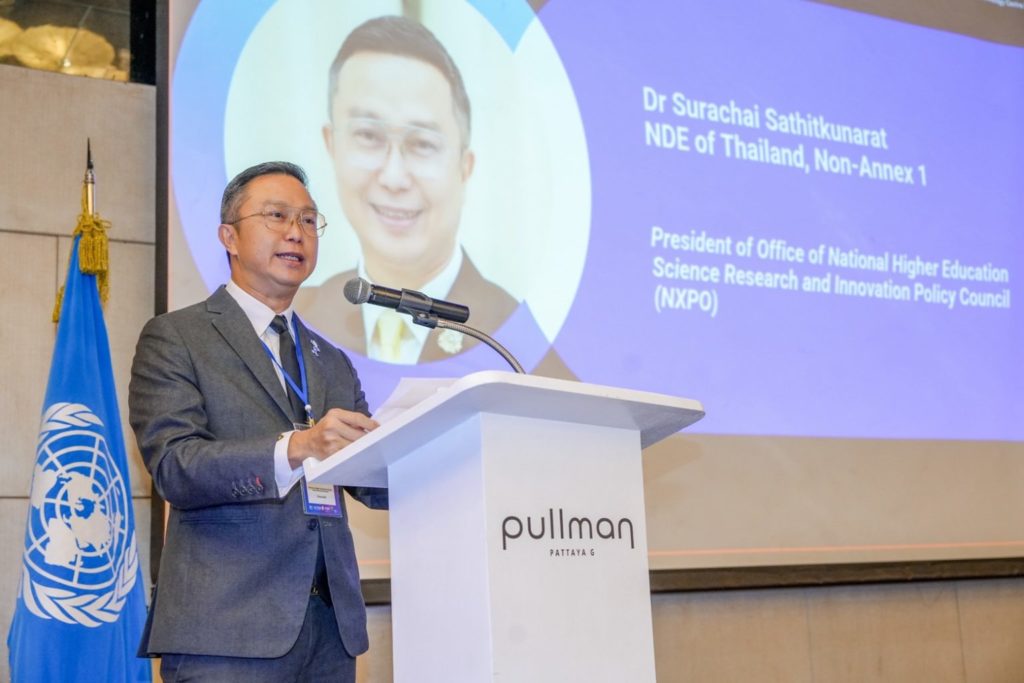
Dr. Surachai Sathitkunarat, President of NXPO, emphasized that climate change remains one of the world’s most pressing challenges and requires practical solutions, innovation, effective collaboration, and adequate financial support. Most importantly, he stressed that meaningful progress depends on cooperation across sectors, institutions, and national borders to transform ideas into tangible impact.
“As Thailand’s NDE under the UNFCCC Technology Mechanism, NXPO is committed to connecting the country’s climate technology needs with Thailand’s higher education, science, research, and innovation ecosystem. We work closely with government agencies, universities, research institutions, the private sector, and international partners to promote technology development and capacity building that support sustainable development,” Dr. Surachai said.
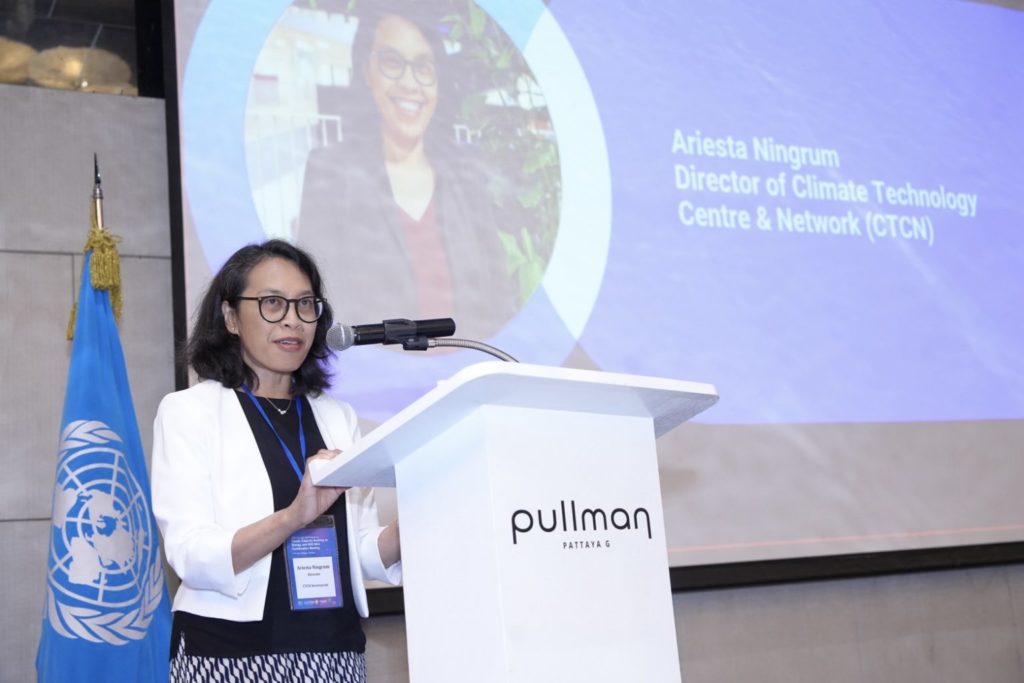
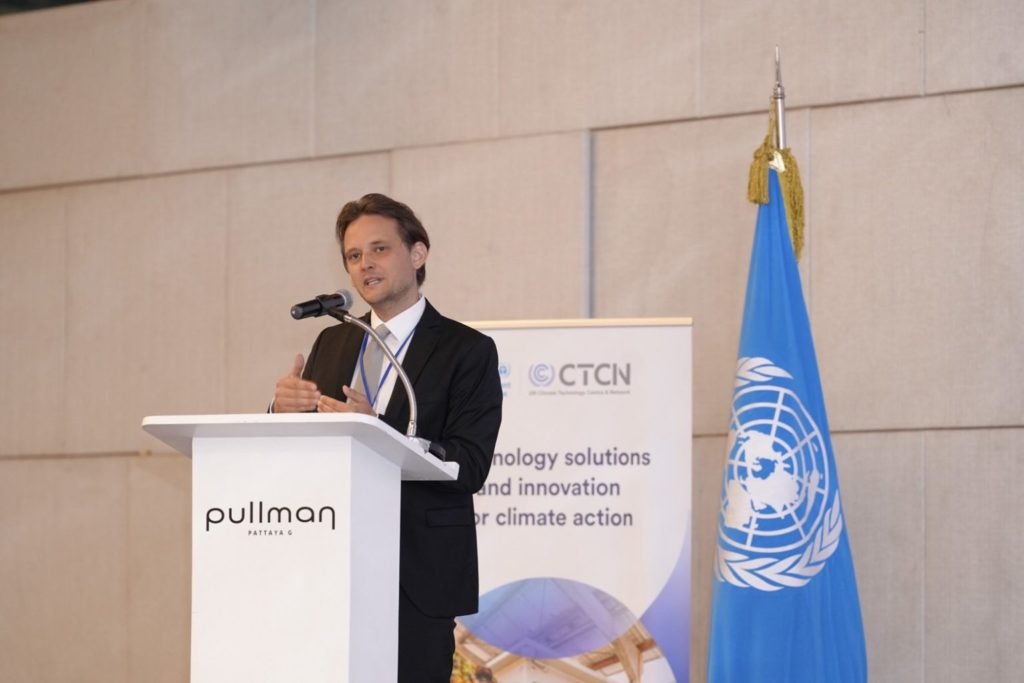
In addition to the formal meeting, the forum provided an important platform for fostering partnerships among NDEs, NDAs, financing institutions, and members of the CTCN Network. These partnerships will help expand technology development and transfer, facilitate access to international climate finance, ultimately translating shared international commitments into concrete actions and measurable results.
Close coordination among NDEs, NDAs, financing mechanisms, and technology stakeholders is essential for effective climate action. At the same time, strengthening institutional capacity and promoting knowledge exchange remain key priorities for accelerating a sustainable energy transition. Effective stakeholder engagement, together with strong alignment between technology needs and financing opportunities, will be critical to help countries achieve their climate goals. Apart from the main forum, the week-long programme featured thematic workshops, roundtable discussions, bilateral meetings, and technical site visits.