NXPO, in collaboration with the Organisation for Economic Co-operation and Development (OECD), organized the OECD–NXPO STI Governance and Mission Week, comprising two workshops. The first workshop, Strengthening Thailand’s Science, Technology and Innovation (STI) Governance Reform, was held on 29–30 June 2026, while the second, Advancing Mission-Oriented Innovation Policies (MOIPs), takes place on 2–3 July 2026. The workshops bring together leading Thai and international experts, including Philippe Larrue of the OECD, to explore reforms to Thailand’s higher education, science, research and innovation governance system and support the development of the country’s 2028–2032 Higher Education, Science, Research and Innovation Policy Framework.
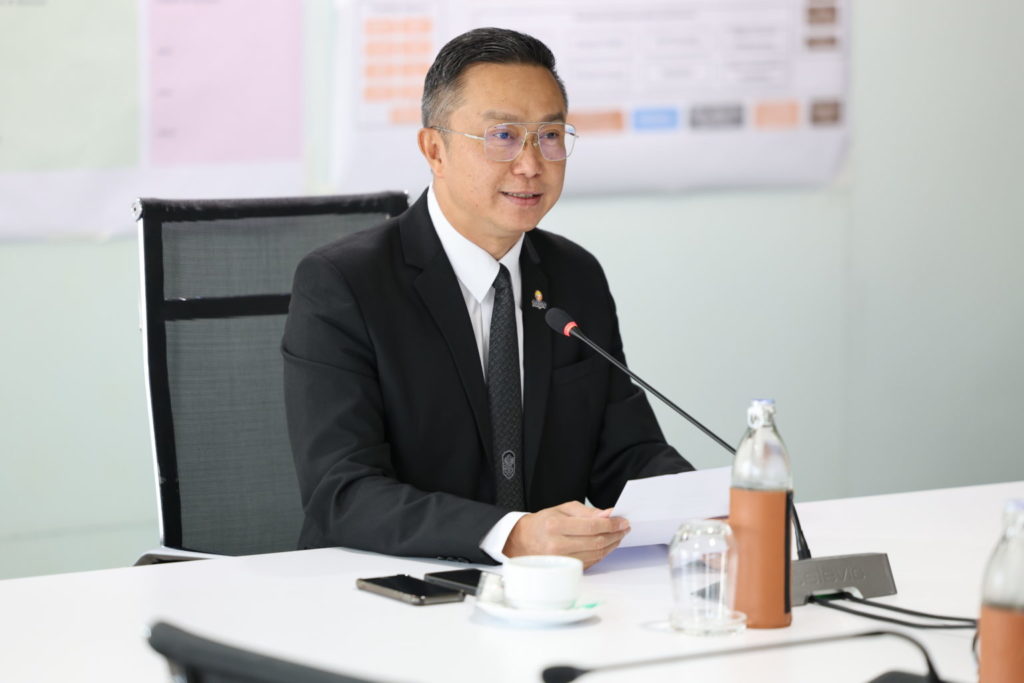
In his welcome remarks, Dr. Surachai Sathitkunarat, President of NXPO, underscored the importance of the OECD–NXPO partnership in strengthening Thailand’s higher education, science, research and innovation policy system. He noted that adapting international best practices would help modernize the country’s STI governance framework while enhancing the effectiveness of mission-oriented innovation policies (MOIPs).
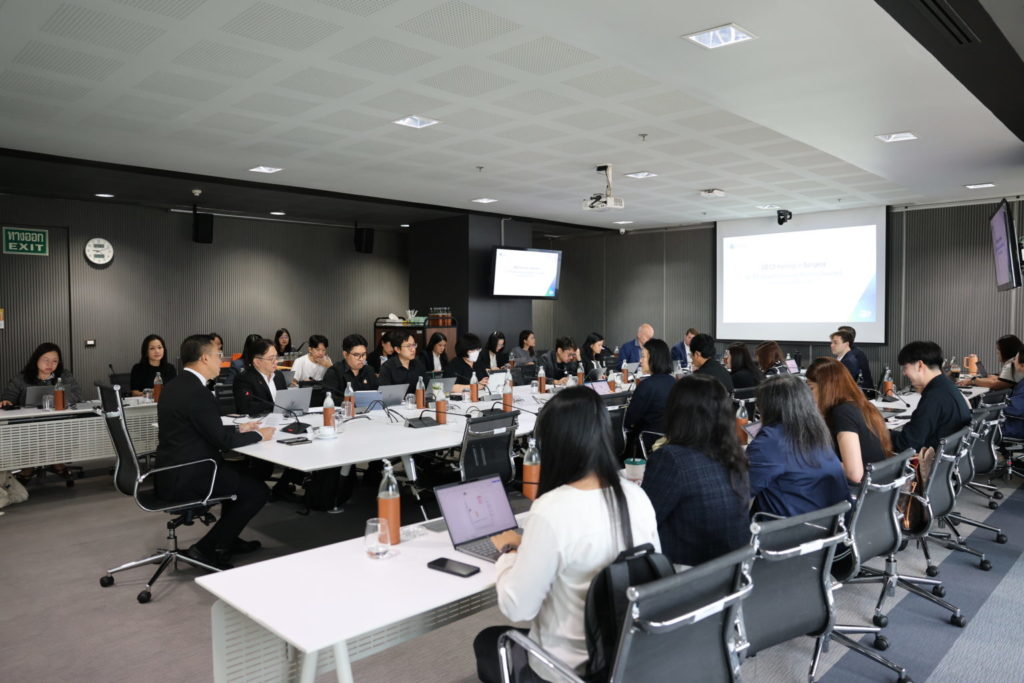
Dr. Surachai explained that these initiatives are closely aligned with Thailand’s goal of bringing its science, technology, research and innovation policymaking into line with international standards. They also support the country’s preparations for OECD accession. As Thailand enters a critical stage of the OECD Technical Review process in 2026, strengthening higher education, science, research and innovation governance and adopting the MOIP approach will play a vital role in enhancing national competitiveness and fostering sustainable economic growth.
He further emphasized that the two-day workshop provides an important platform for assessing the strengths, weaknesses, and challenges of Thailand’s higher education, science, research and innovation governance system, drawing lessons from OECD member countries, and co-designing governance reforms suited to the Thai context. The discussions are expected to generate practical policy recommendations that can be translated into concrete actions.
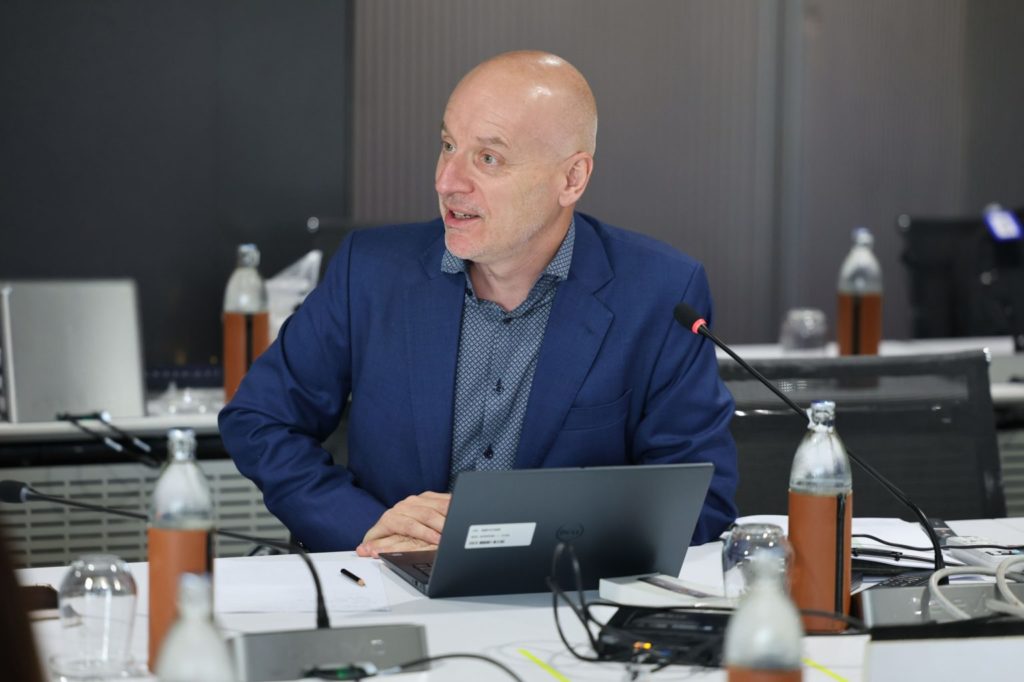
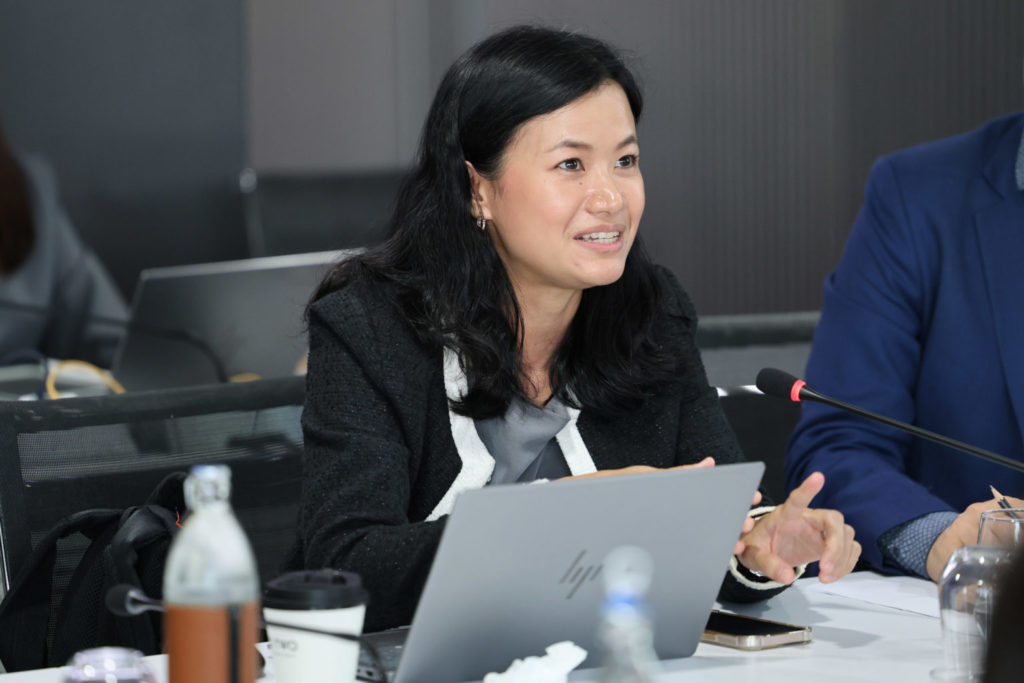
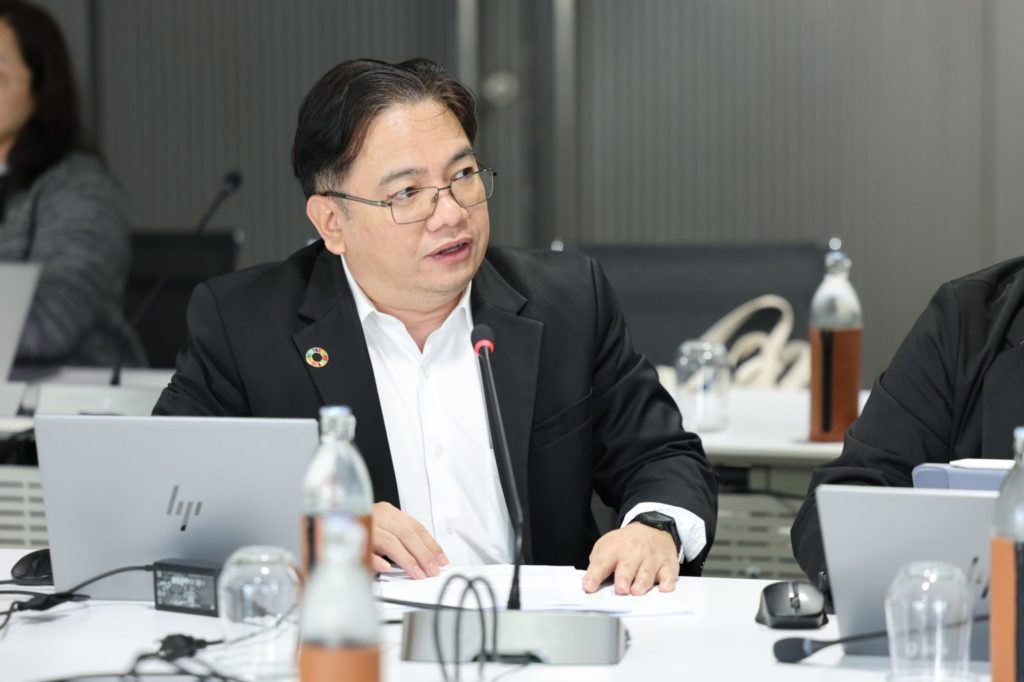
During the first day of the STI Governance Reform Workshop, OECD experts introduced international frameworks for science, technology and innovation governance and guided participants in assessing Thailand’s governance system across three key dimensions: Strategic Orientation, Coordinated Planning and Funding, and Integrated Implementation and Learning. The exercise helped identify Thailand’s strengths, key governance challenges, and priority areas for reform.
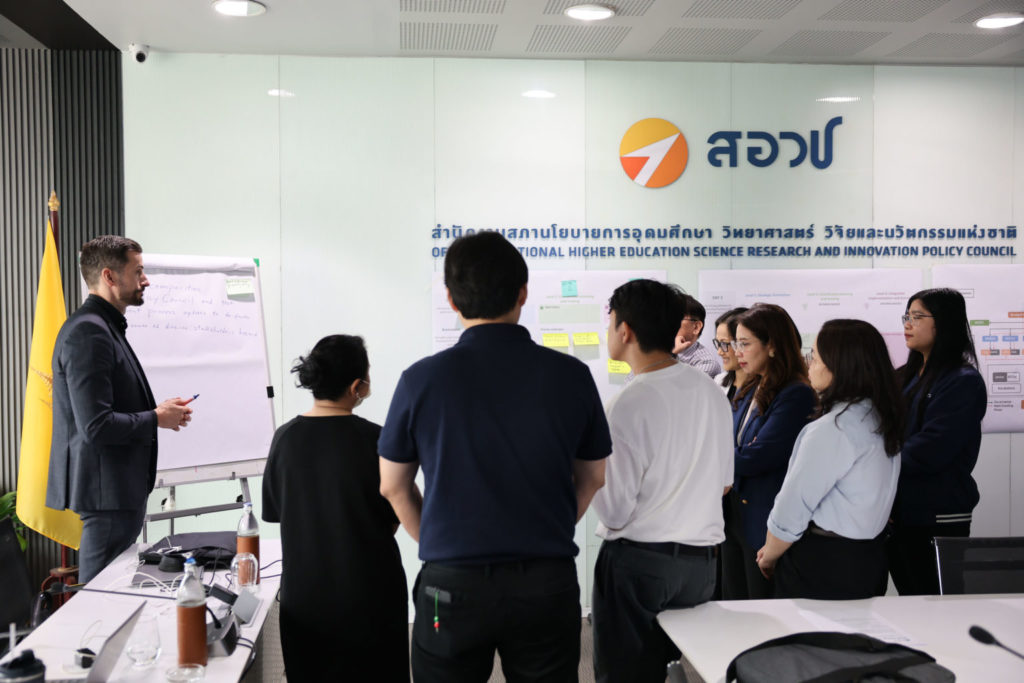
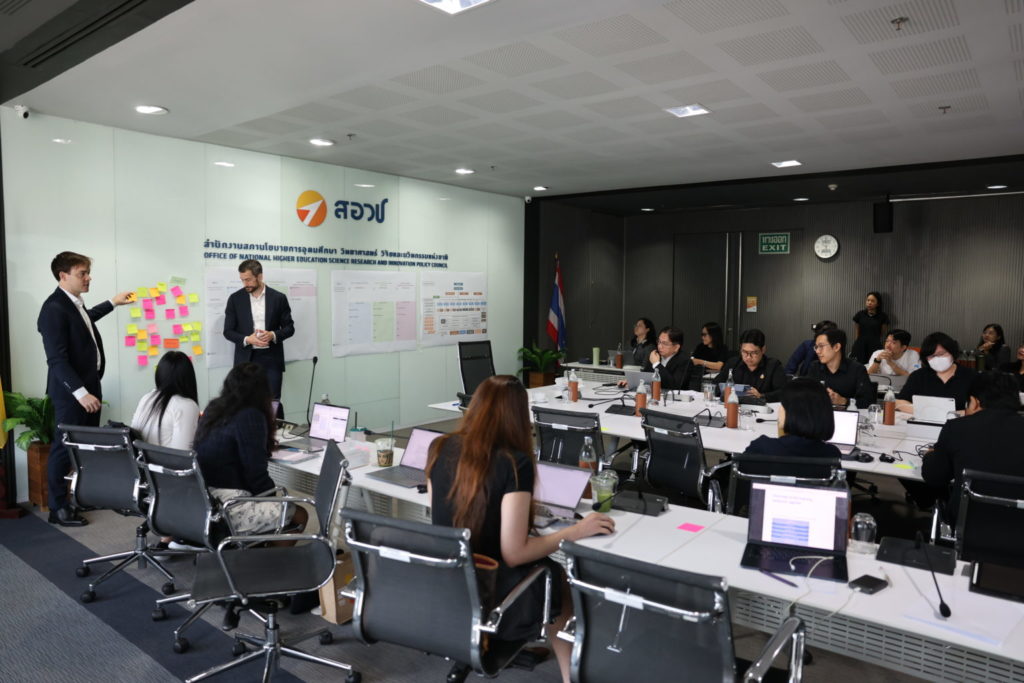
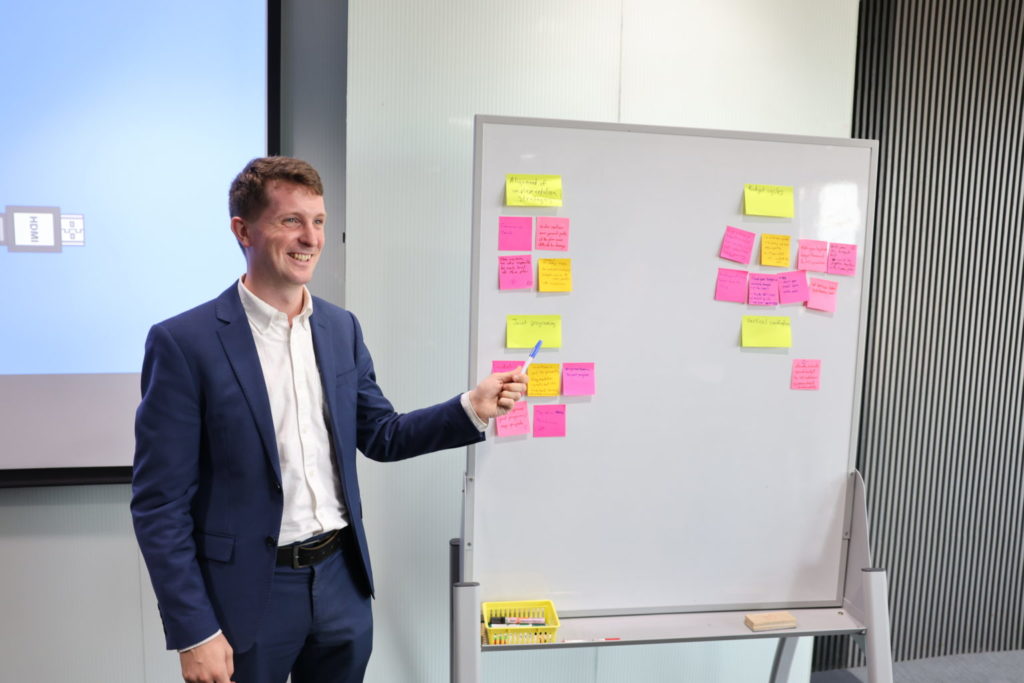
On the second day, participants jointly developed recommendations for governance reforms needed to achieve Thailand’s long-term development goals and formulated an STI Governance Reform Pathway. The pathway will serve as a key input to the development of the 2028–2032 Higher Education, Science, Research and Innovation Policy Framework. It is expected to strengthen Thailand’s higher education, science, research and innovation policy system by improving coordination across government agencies, enhancing governance effectiveness, and enabling more effective responses to the country’s long-term economic and societal challenges.