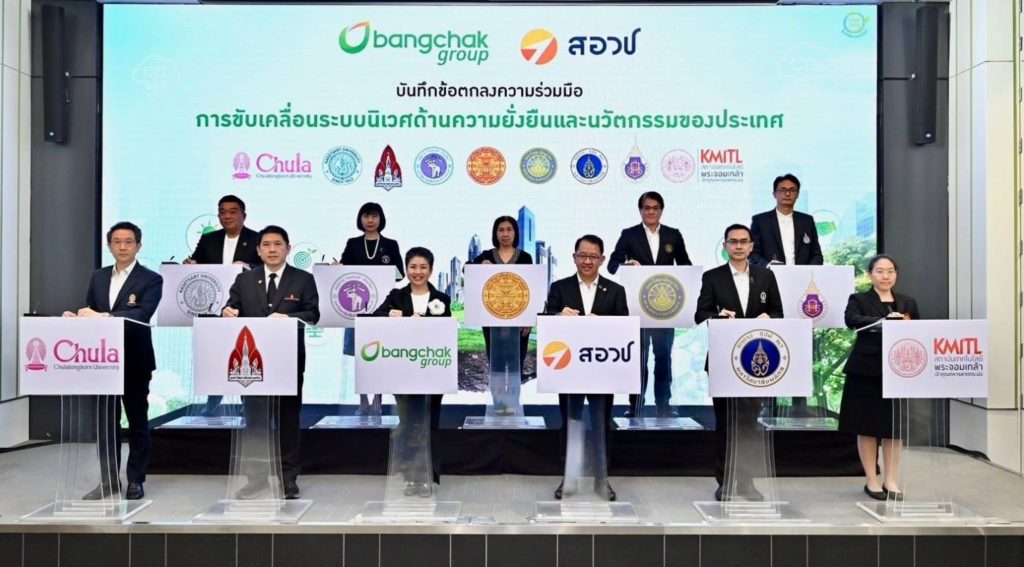
Assoc. Prof. Wongkot Wongsapai, Vice President of NXPO, participated in the signing ceremony of a Memorandum of Understanding (MoU) under the “Bangchak Group x University Gen Z-ESG” initiative, aimed at strengthening Thailand’s sustainability and innovation ecosystem. The agreement was signed between Bangchak Corporation Public Company Limited and a consortium of nine leading universities: Mahidol University, Chulalongkorn University, Thammasat University, Kasetsart University, Chiang Mai University, Khon Kaen University, Burapha University, Walailak University, and King Mongkut’s Institute of Technology Ladkrabang.
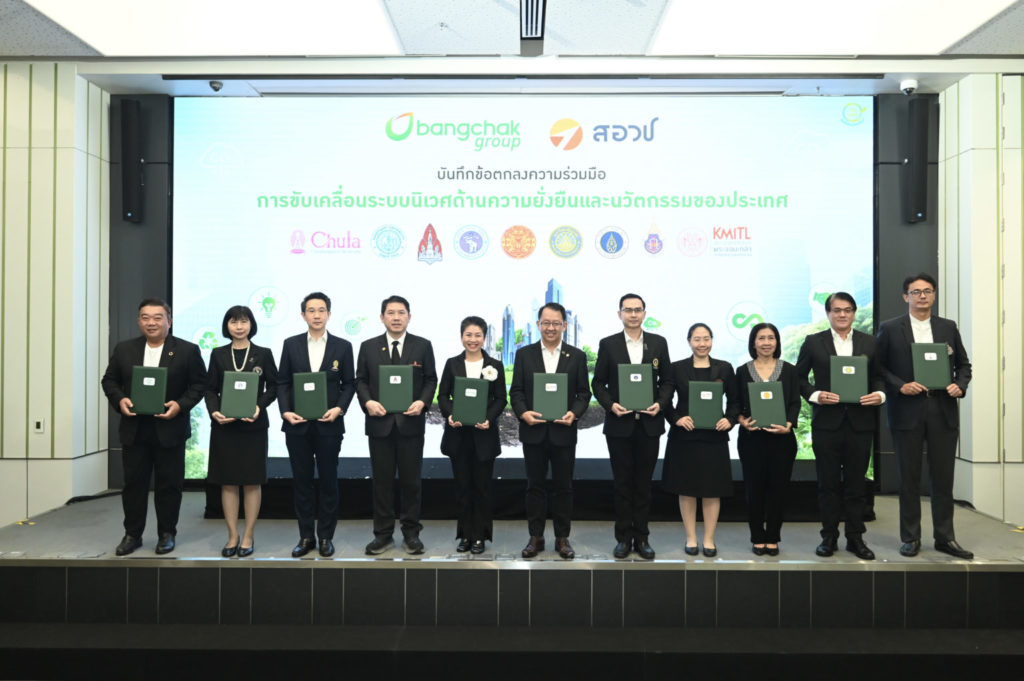
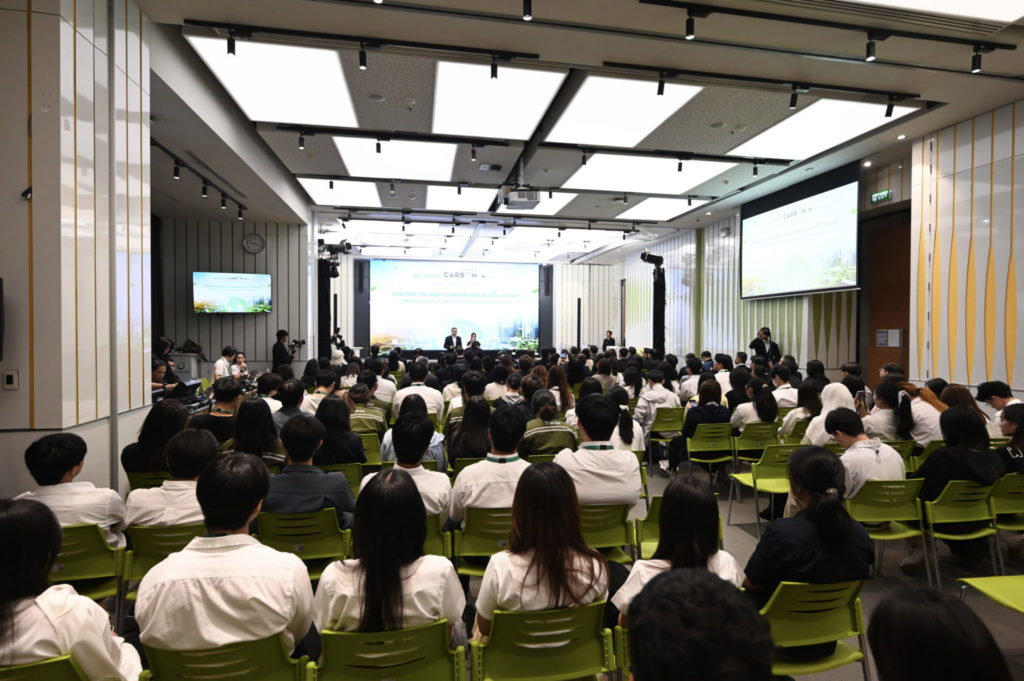
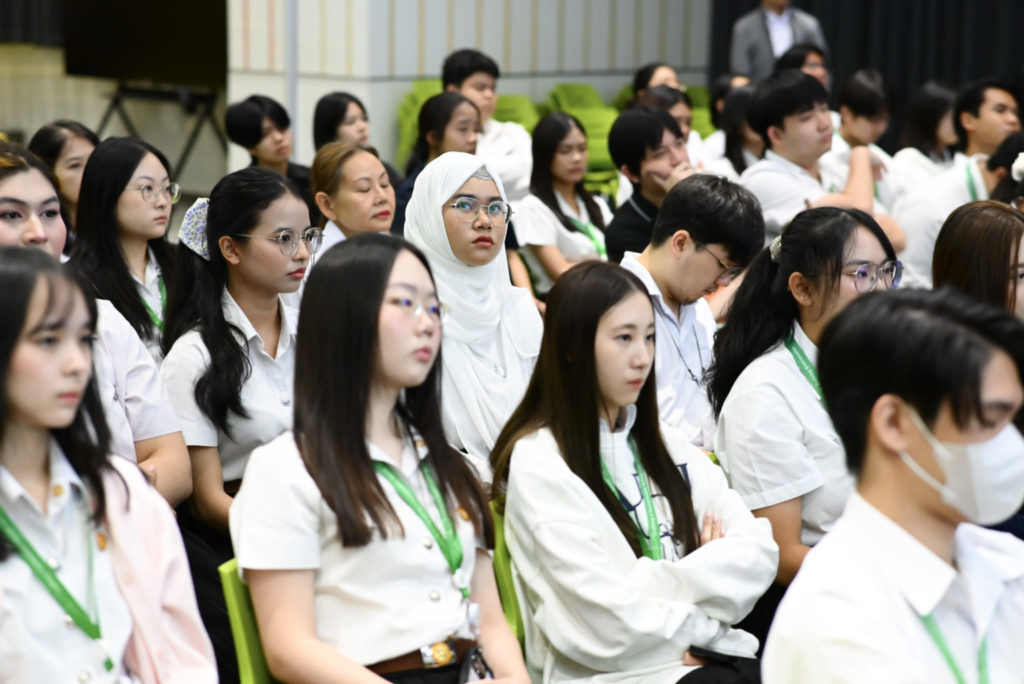
The signing ceremony was held during the 5th anniversary of the Carbon Markets Club (CMC), a platform dedicated to advancing knowledge and engagement on greenhouse gas mitigation. Building on this foundation, the initiative enhances collaboration among government, academia, and industry to strengthen human capital development, knowledge creation, and innovation in environmental, social, and governance (ESG), climate change response, and sustainability. It also aims to equip students and professionals with the skills required to address environmental challenges, adapt to labor market transitions, and support Thailand’s shift toward a low-carbon economy.
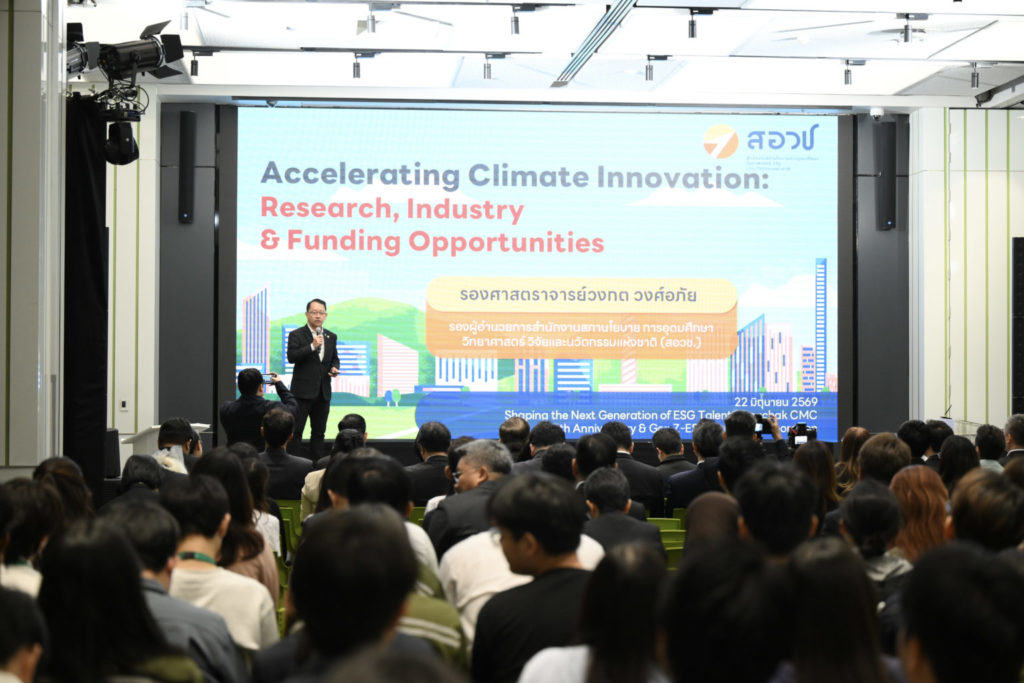
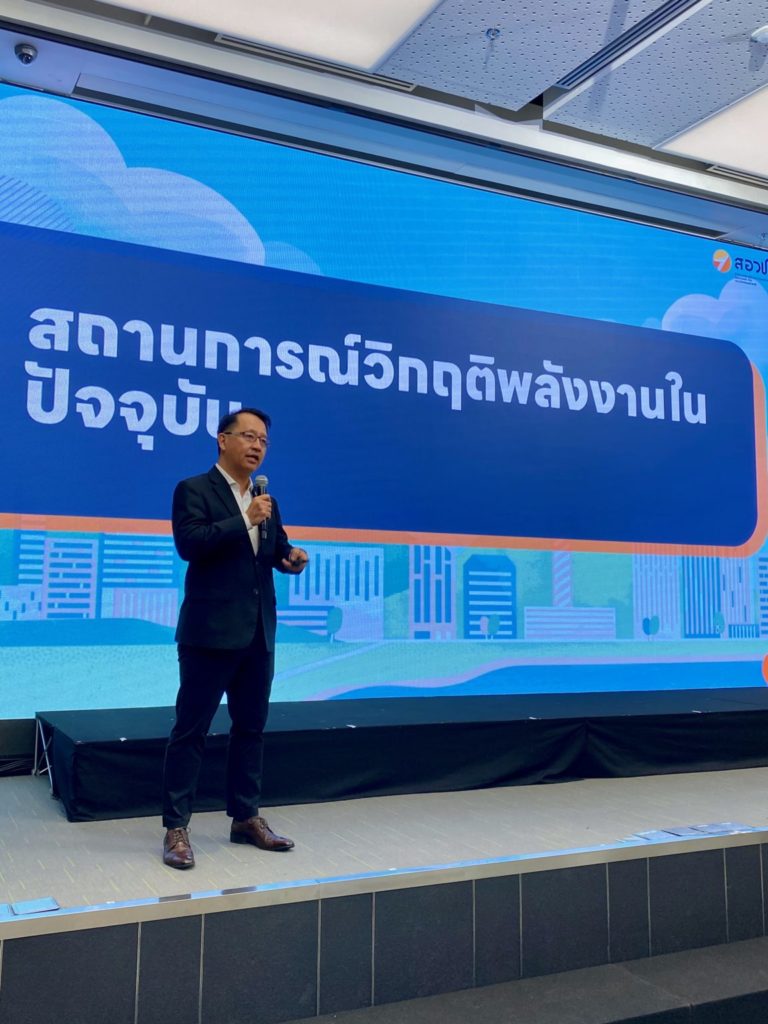
During the event, Assoc. Prof. Wongkot delivered a special lecture entitled “Accelerating Climate Innovation: Research, Industry & Funding Opportunities.” He highlighted the critical role of research and innovation in supporting Thailand’s pathway toward net-zero greenhouse gas emissions by 2050, covering both mitigation and adaptation strategies across the energy, industrial, agricultural, and waste management sectors, as well as supporting policy, market mechanisms, and regulatory frameworks.
He further emphasized the importance of preparing a highly skilled workforce to support the climate transition and evolving labor market needs. According to NXPO projections, Thailand will require approximately 235,000–275,000 climate-related professionals by 2030. Emerging roles will include greenhouse gas verifiers, ESG and environmental specialists, and green technology developers, while many existing occupations will require reskilling and upskilling. At the same time, an estimated 1.8–2.4 million workers (around 4–6 percent of the workforce) may be affected by the transition and will require upskilling or reskilling support.
The “Bangchak Group x University Gen Z-ESG” initiative serves as a key platform connecting policy, academia, and industry to develop ESG-related knowledge and practical skills among students and professionals. Planned activities include the CMC ESG Ecosystem and Knowledge Hub, the CMC Brand Ambassador Program, and the Young Entrepreneurs Program with Inthanin. The collaboration aligns with NXPO’s broader policy mechanisms, including the STEMPlus Platform, which links industry demand for talent and research with academic curricula, expertise, and institutional capacity. It also supports the Net Zero Campus initiative, which promotes universities as living laboratories for greenhouse gas mitigation, sustainability-driven innovation, and the development of a new generation of talent to support Thailand’s transition toward a sustainable low-carbon society.