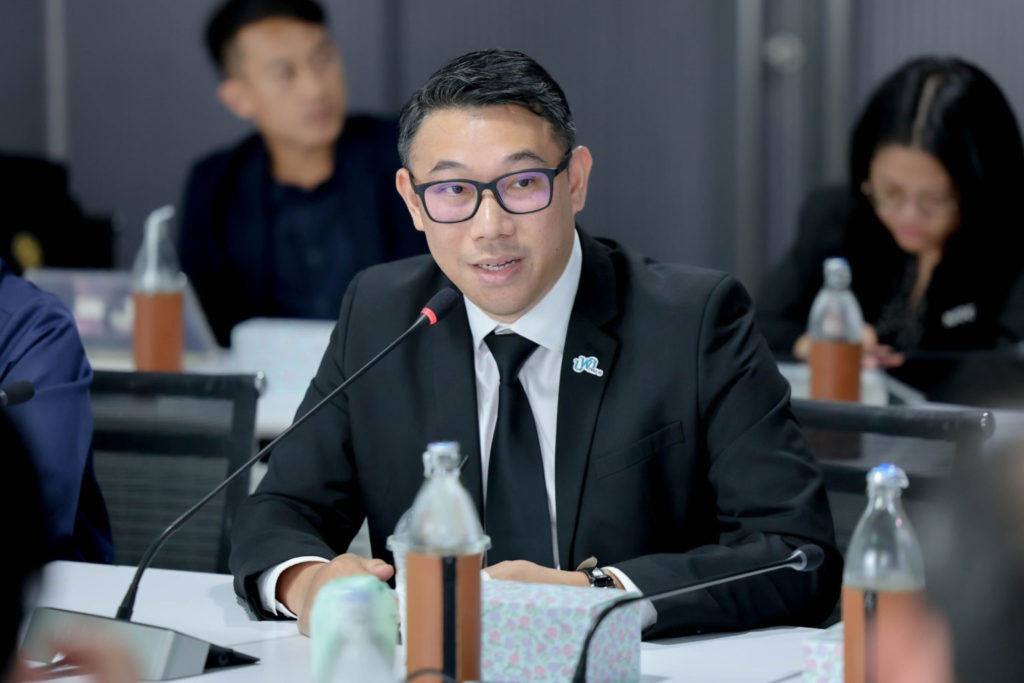
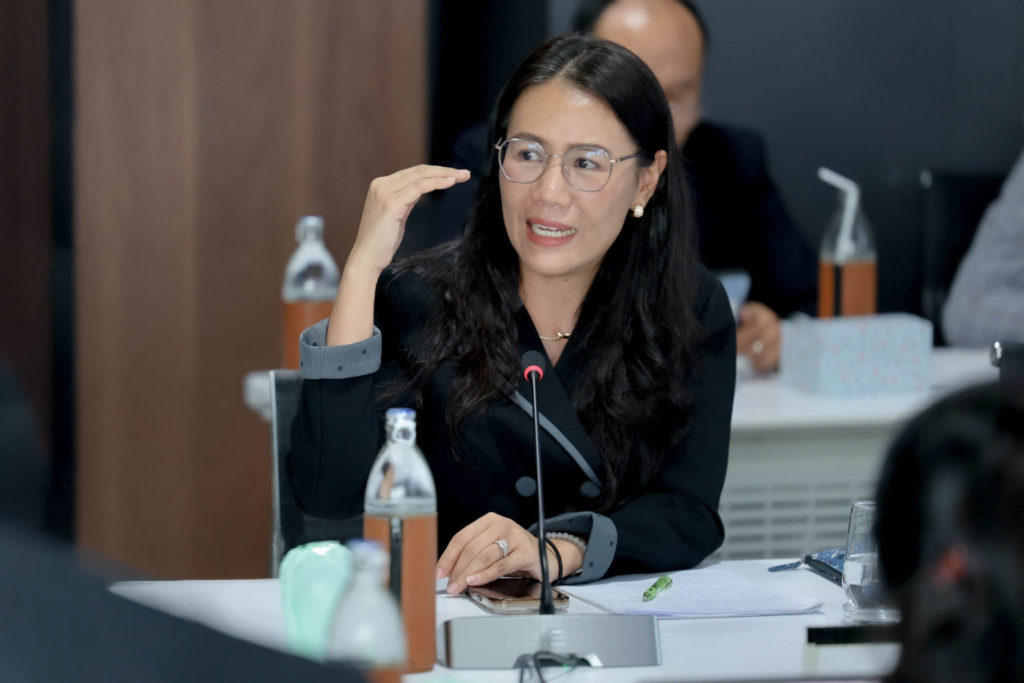
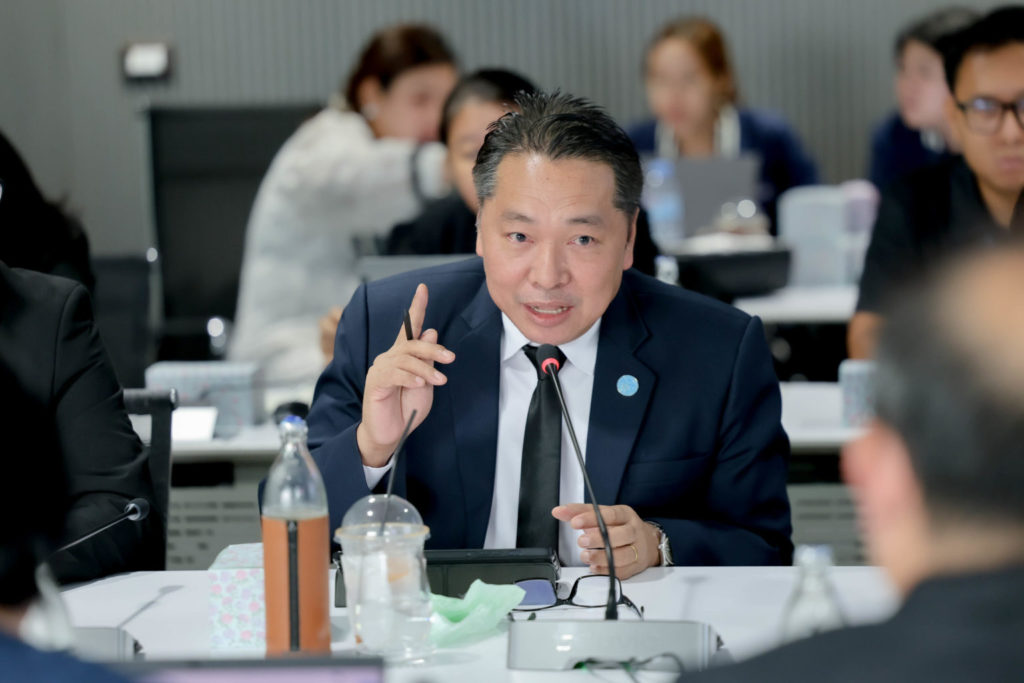
On 18 June 2026, NXPO convened a meeting to discuss the Action Plan for Advancing Nuclear Energy Development for Low-Carbon Energy Production.
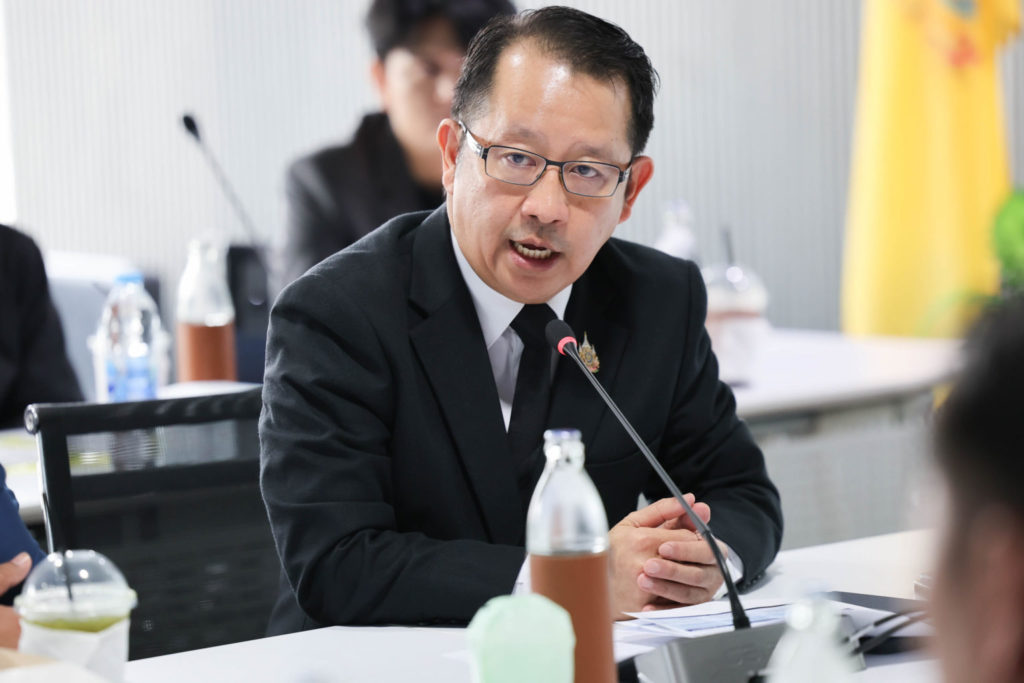
In his opening remarks, Assoc. Prof. Wongkot Wongsapai, Vice President of NXPO, noted that the meeting provided an opportunity for stakeholders to contribute to shaping Thailand’s long-term nuclear energy development. The initiative aligns with the country’s target of achieving net-zero greenhouse gas emissions by 2050 and supports the Ministry of Energy’s Energy Transition Plan. Key areas of focus include small modular reactors (SMRs) and fusion technology.
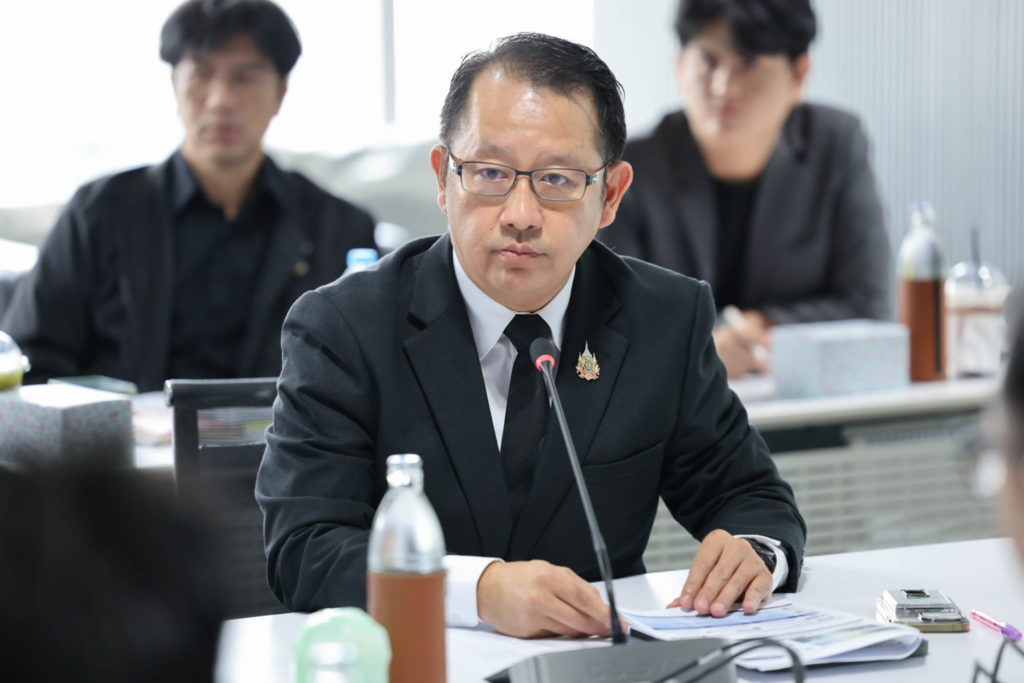
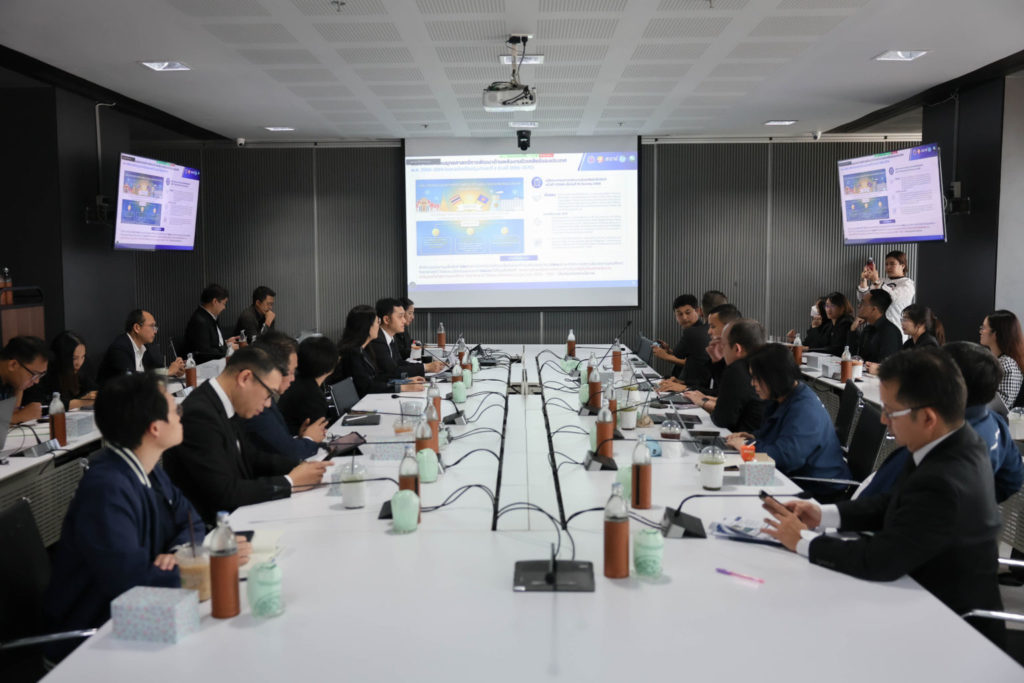
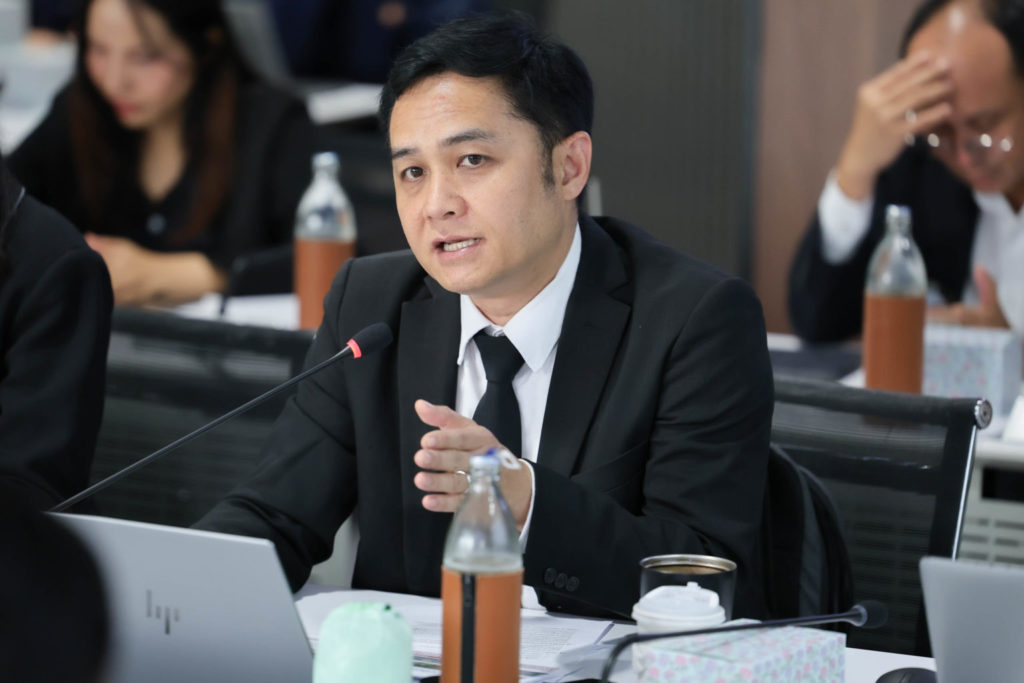
Dr. Charnwit Udomsakdigool, Strategist at NXPO, presented the Action Plan for Advancing Nuclear Energy Development for Low-Carbon Energy Production 2026–2050, together with recommendations from the National Higher Education, Science, Research and Innovation Policy Council regarding the nuclear energy development plan proposed by the Office of Atoms for Peace (OAP). The recommendations call for dedicated funding for three urgent priority areas—SMRs, rare earth elements, and fusion technology—as well as the inclusion of nuclear and radiation technologies in flagship programs under the national Science, Research and Innovation framework for 2028–2032.
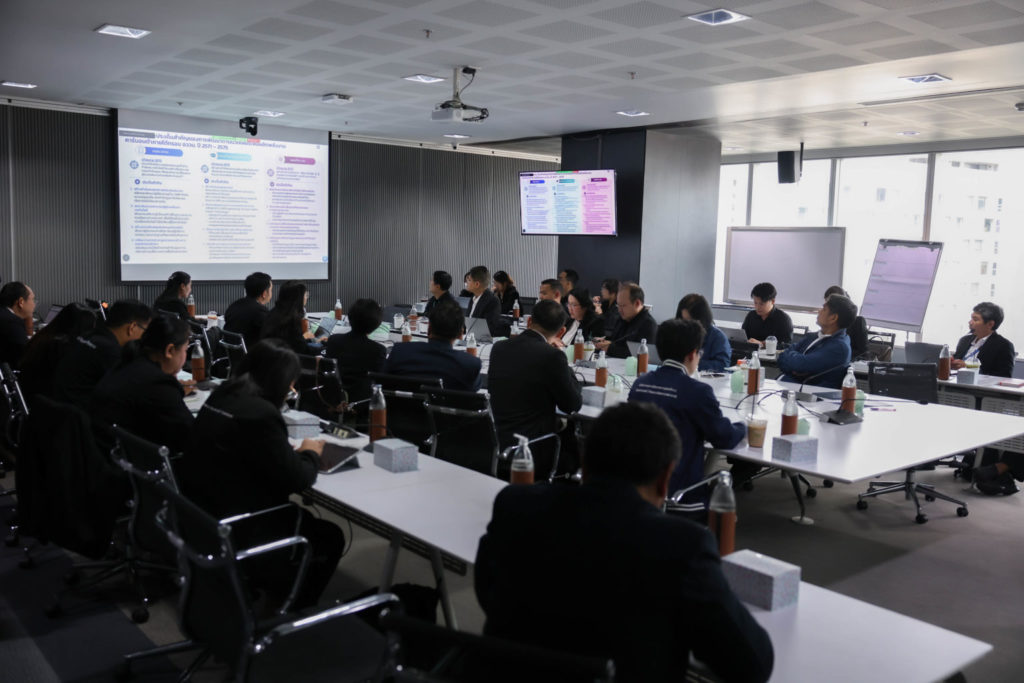
The Action Plan identifies two strategic priority areas: (1) SMR technology for industrial applications and energy security, and (2) fusion technology as a future clean energy source. The roadmap is divided into three phases. The short-term phase (2026–2027) focuses on laying the foundation for SMR and fusion deployment; the medium-term phase (2028–2032) aims to strengthen national readiness and regulatory capabilities; and the long-term phase (2033–2050) seeks to leverage advanced nuclear technologies to support sustainable economic and social development.
SMR technology is projected to generate approximately THB 19.6 billion annually through increased investment, job creation, reduced greenhouse gas emissions, and lower import dependency. Workforce and infrastructure development plans encompass advanced industry personnel, regulators, technical organizations, students, teachers, lecturers, and the general public. By 2037, the targets include producing 800 vocational graduates, 300 bachelor’s degree graduates, 100 master’s degree graduates, and 50 doctoral graduates, as well as training 1,500 specialized personnel for power plants and related industries. More than THB 500 million in research investment is also targeted. Achieving these goals will require balanced budget allocation and strong international partnerships.
The fusion technology roadmap aims to position Thailand as an “ASEAN Fusion Innovation Hub,” laying the foundation for energy security and clean energy while fostering new S-curve industries. Fusion technology is likewise expected to generate economic value of approximately THB 19.6 billion annually. Workforce development targets include producing 50 technical specialists, 500 technical support personnel, and 20 qualified entrepreneurs, as well as establishing the Thailand Tokamak-2 facility and an ASEAN-level fusion technology training center capable of training 100 participants annually by 2037.
The Council emphasized that public communication on nuclear energy must be approached with care. The Ministry of Higher Education, Science, Research and Innovation (MHESI) should focus primarily on developing highly skilled human resources and strengthening scientific and technological capabilities. It also stressed that the implementation framework must be practical, clearly define development goals, and establish effective mechanisms for coordination among relevant agencies.
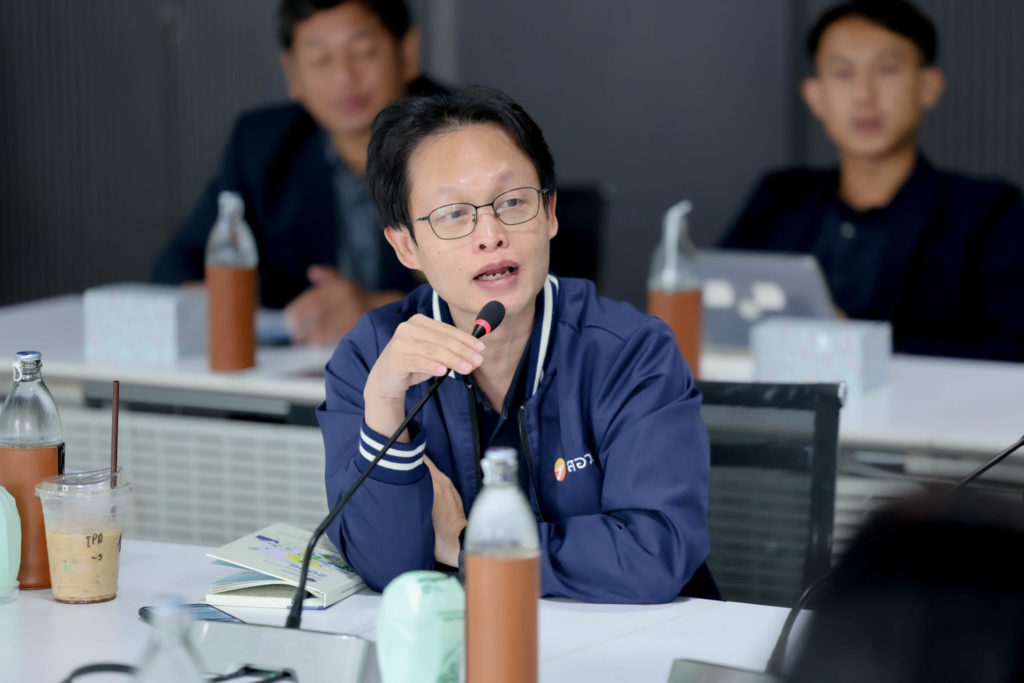
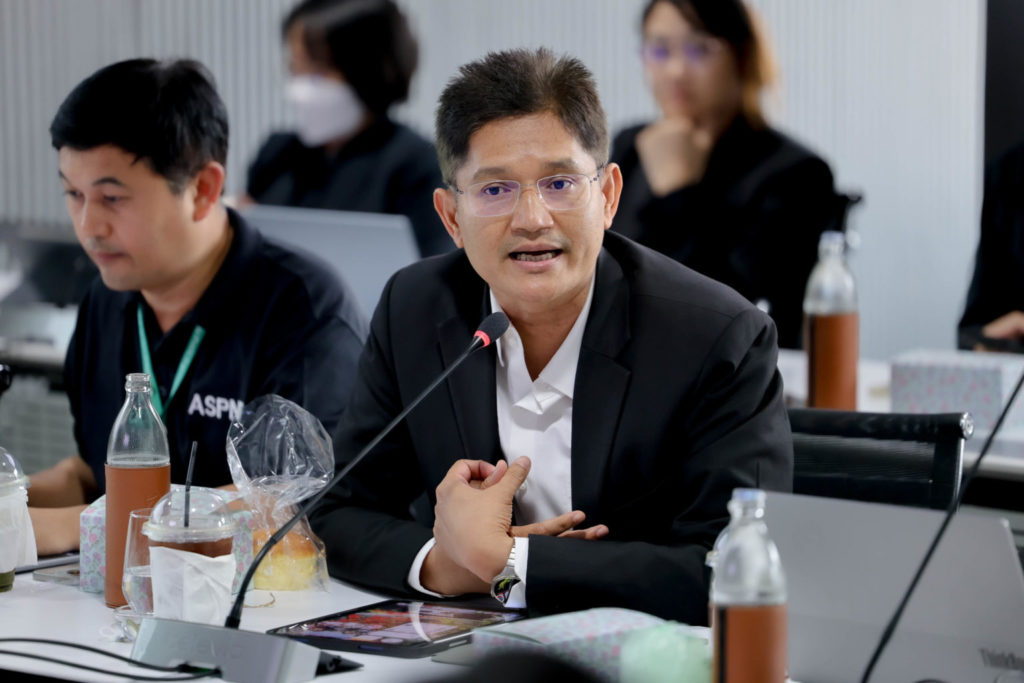
The implementation framework for nuclear energy development during 2028–2032 is divided into six main areas: (1) workforce development; (2) public awareness and social acceptance; (3) regulatory framework; (4) SMR technology value chain; (5) research and quality infrastructure; and (6) inter-agency linkage and collaboration. Key issues and recommendations from the meeting are summarized as follows:
- Workforce Development
The meeting highlighted lessons from Vietnam, which initiated cooperation with Russia and Japan and prioritized human resource development through attractive incentive schemes. Thailand should accelerate the production of engineers and highly skilled technicians in collaboration with vocational institutions. Workforce development should also encompass policymakers and energy economists, while budget allocations should be carefully balanced against the high cost of developing specialized personnel. - Public Awareness and Social Acceptance
Given the social and political sensitivity of nuclear energy, science-based communication is essential to build public understanding without causing undue concern. Launching awareness campaigns through the National Science Museum was suggested, particularly targeting young people to encourage future careers in the nuclear field. The meeting also recommended establishing a dedicated communication team with both technical expertise and communication skills to translate scientific information into messages that are easily understood by the public. - Regulatory Framework
Nuclear governance must adhere to the principles of Safety, Security, Safeguards, and Liability. The Liability Law, currently under Cabinet consideration, is regarded as a critical element in building confidence among international technology providers. OAP is also advancing the establishment of a regulatory consortium through cooperation with the Energy Regulatory Commission (ERC) and the Office of Natural Resources and Environmental Policy and Planning (ONEP) to ensure streamlined and coordinated regulatory processes. - Radioactive Waste Management
The meeting identified radioactive waste management as a critical issue requiring systematic enhancement of storage, transportation, and certification capabilities, as well as the establishment of permanent disposal facilities. The Thailand Institute of Nuclear Technology (TINT) may require support from other agencies in securing suitable sites. Participants also emphasized the utilization of waste heat for clean hydrogen production and industrial applications. - Research and Quality Infrastructure
Technology development will focus primarily on SMRs and fusion technology, with frontier technologies such as floating SMRs and mobile microreactors considered over the longer term. In the initial phase, however, priority will be given to inland Generation III+ SMRs to align with the readiness of the Electricity Generating Authority of Thailand (EGAT) and minimize budgetary risks. Domestic capabilities, including those of the Synchrotron Light Research Institute (SLRI), will be leveraged to develop indigenous technologies. Engineering standards will also be upgraded to internationally recognized levels, such as those of the American Society of Mechanical Engineers (ASME). - Inter-agency Linkages and International Collaboration
The strategy emphasizes localization to enable Thai industries to manufacture non-nuclear components domestically, while strengthening global partnerships with the International Atomic Energy Agency (IAEA). Under a “Team Thailand” approach, public and private sector collaboration will be integrated to enhance national energy security and economic resilience. Alternative funding mechanisms, including Innovation One Fund and foreign co-investment, were also proposed to supplement government resources.
Implementation of the plan will be supported by the establishment of a Hub of Talents for Nuclear Energy Technology, bringing together universities, government agencies, and industry partners. An MOU signing ceremony is scheduled for late August, alongside the 26th INPRO Dialogue Forum on the Deployment of Nuclear Energy Systems for Applications Beyond Electricity (INPRO-26), which Thailand will host in collaboration with the International Atomic Energy Agency (IAEA). A five-year Nuclear Action Plan (2028–2032) will also be jointly developed by relevant agencies. This coordinated national effort is expected to serve as a key mechanism for advancing Thailand’s energy security and facilitating the transition toward a sustainable low-carbon economy.