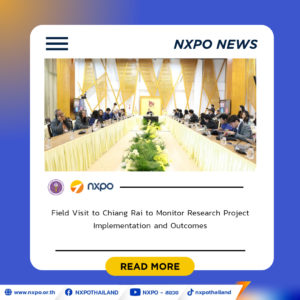
On 16–17 November 2026, NXPO, led by Vice President Dr. Siriporn Pittayasophon, and the Thailand Science Research and Innovation (TSRI) led the Monitoring and Evaluation Committee (MEC) on a field visit to Chiang Rai Province. The visit aimed to monitor the implementation and outcomes of research projects supported by the Science, Research and Innovation Fund, with funding administered by the National Research Council of Thailand (NRCT). The delegation also attended an MEC meeting at Chiang Rai Rajabhat University.
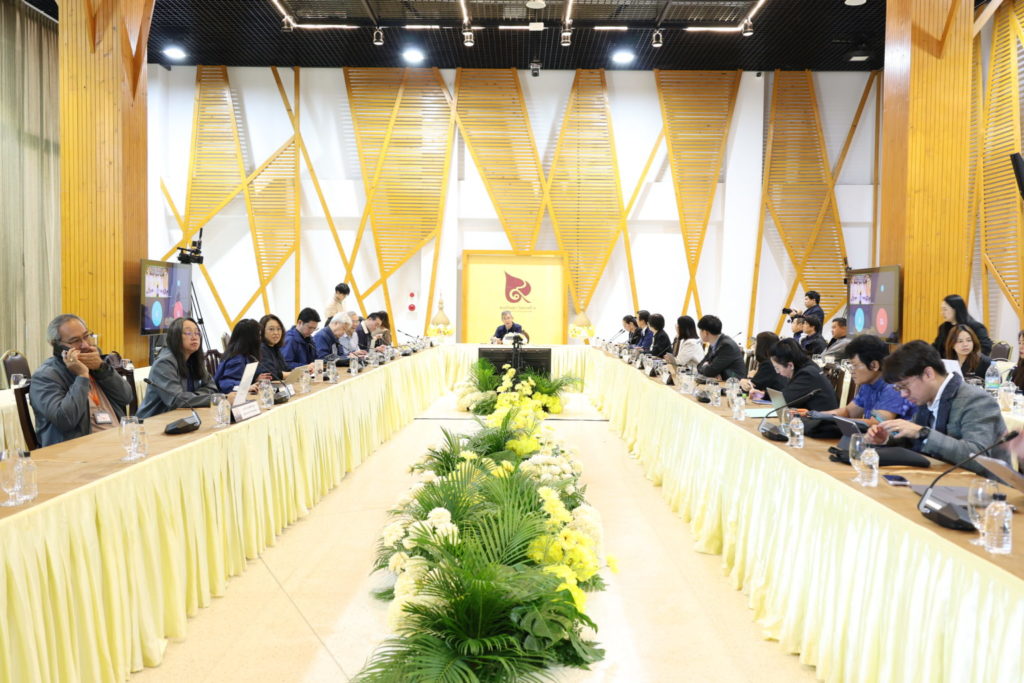
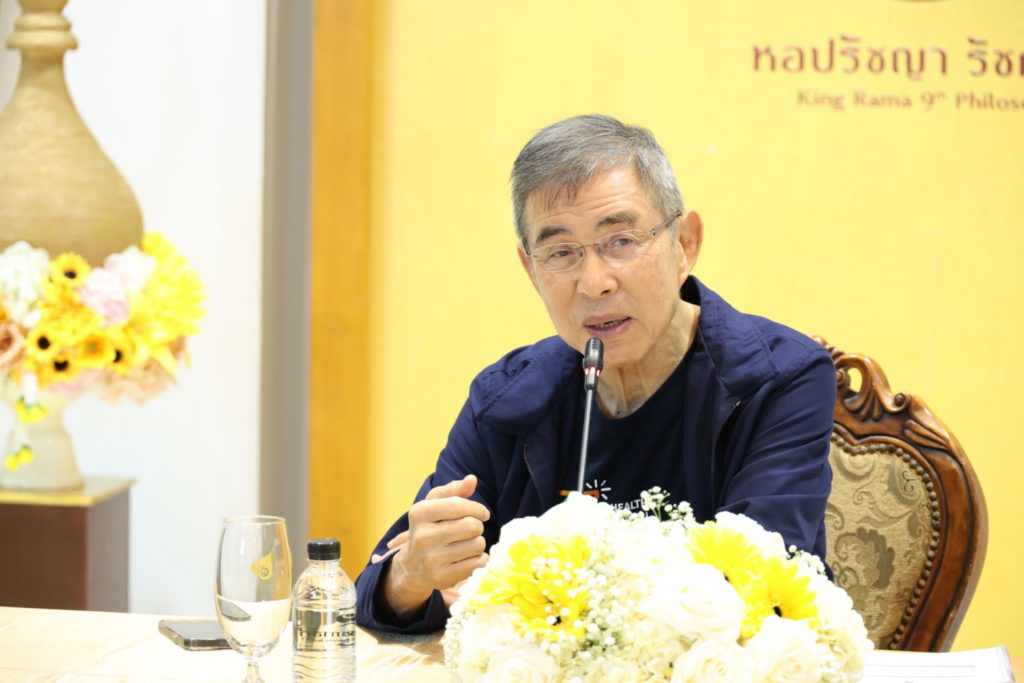
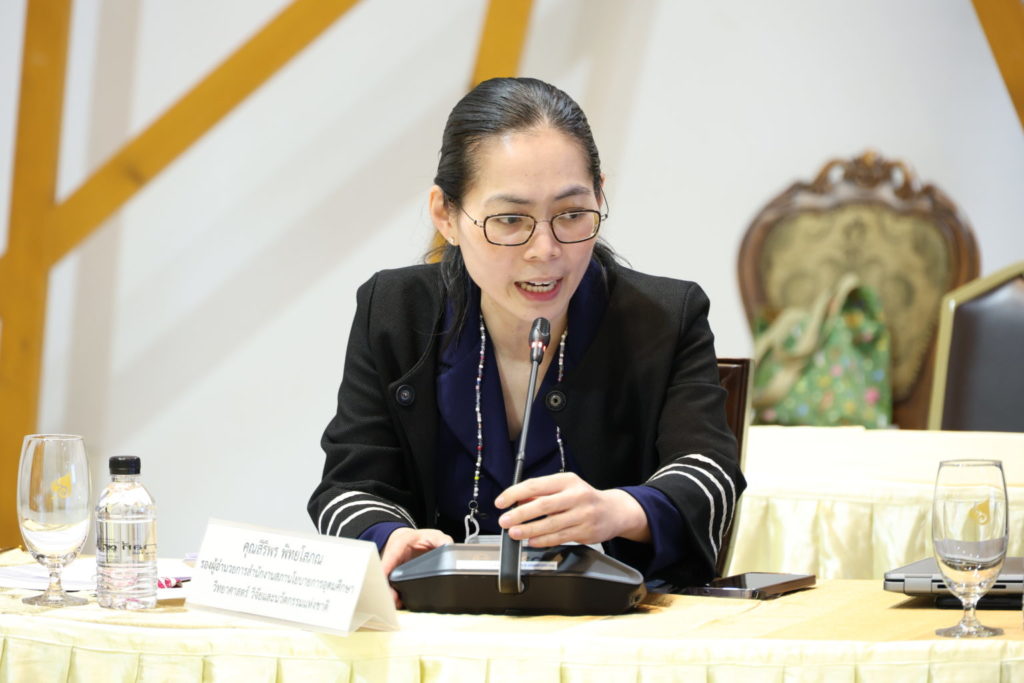
The visit focused on assessing the outcomes of research and innovation projects funded by the Science, Research and Innovation Fund, covering both targeted research programs and initiatives addressing government policy priorities. The committee was also briefed on how research and innovation are being applied to address arsenic and lead contamination in the Kok, Sai, and Mekong rivers, which has affected the quality of life of local communities.
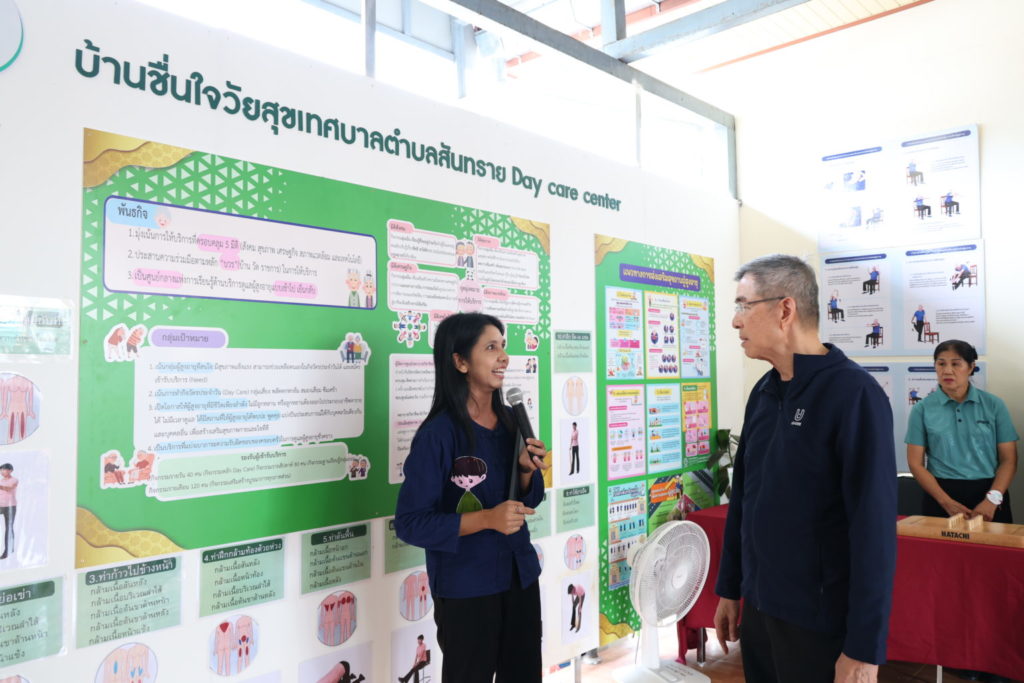
The committee visited several project sites to examine research and innovation initiatives addressing key challenges in Chiang Rai. These included a nanotechnology-based approach to removing arsenic from community water supply systems. The initiative uses measurement technologies and nanobiocarbon filter materials to improve water treatment in communities along the Kok River. The delegation also examined innovative water management and flood and drought early warning systems that use digital technologies and artificial intelligence (AI) to strengthen communities’ preparedness for natural disasters. Another site visit was to the Baan Chuen Jai Wai Suk Day Care Center in San Sai Subdistrict, a model center dedicated to improving the quality of life of older people. The center applies knowledge and innovation to healthcare, lifelong learning, community participation, and livelihood development. These activities help communities prepare for an aging society while promoting active and healthy aging. The initiative demonstrates how science, research, and innovation can benefit people of all ages and help ensure that no one is left behind.
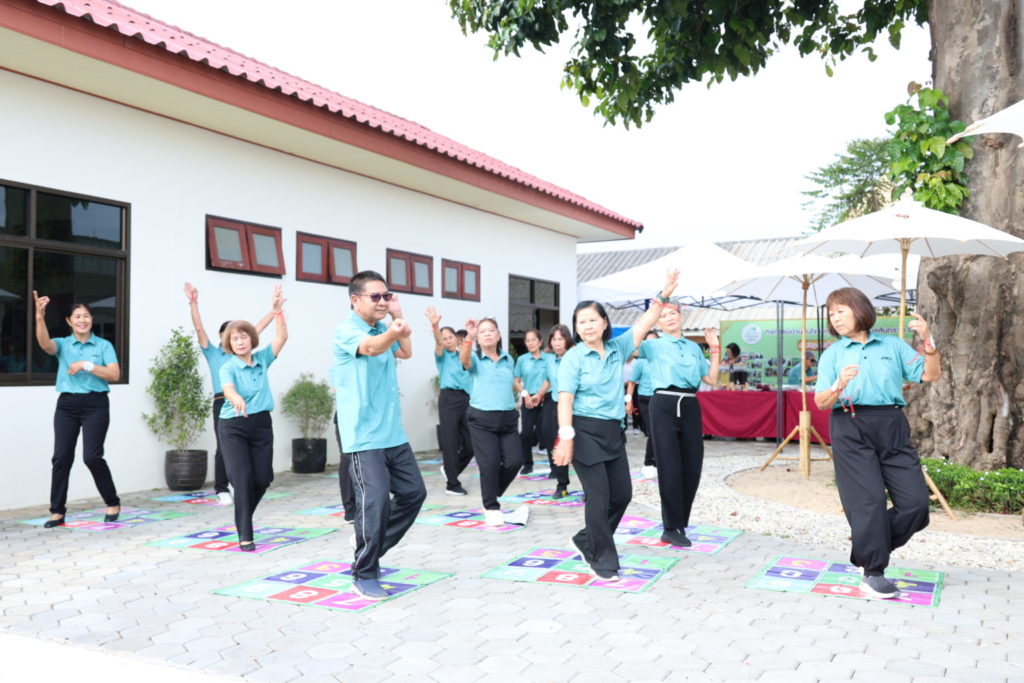
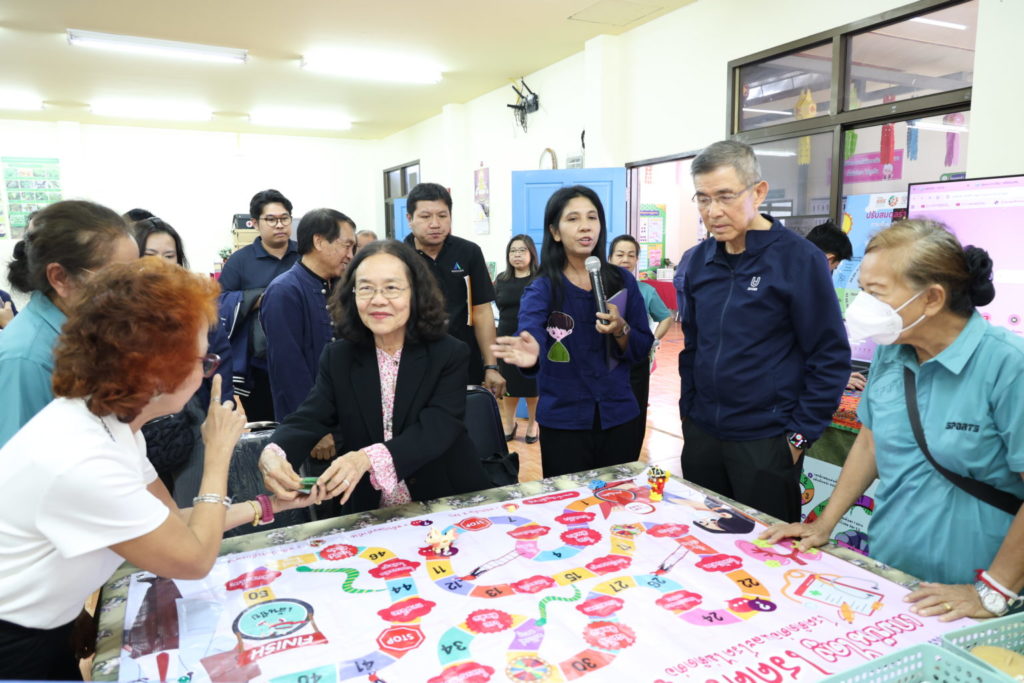
The field visit highlighted NXPO’s role in translating findings from research monitoring and evaluation into science, research, and innovation policy development. This helps accelerate the application of knowledge and innovation to address public challenges and deliver tangible benefits in environmental protection, water security, and quality of life. The visit also reaffirmed that research and innovation are not merely bodies of knowledge, but powerful tools for solving problems and building a better, more sustainable future for all.