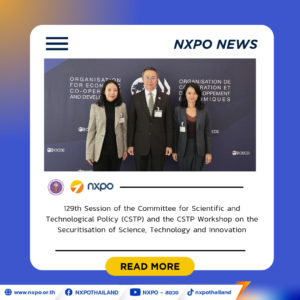
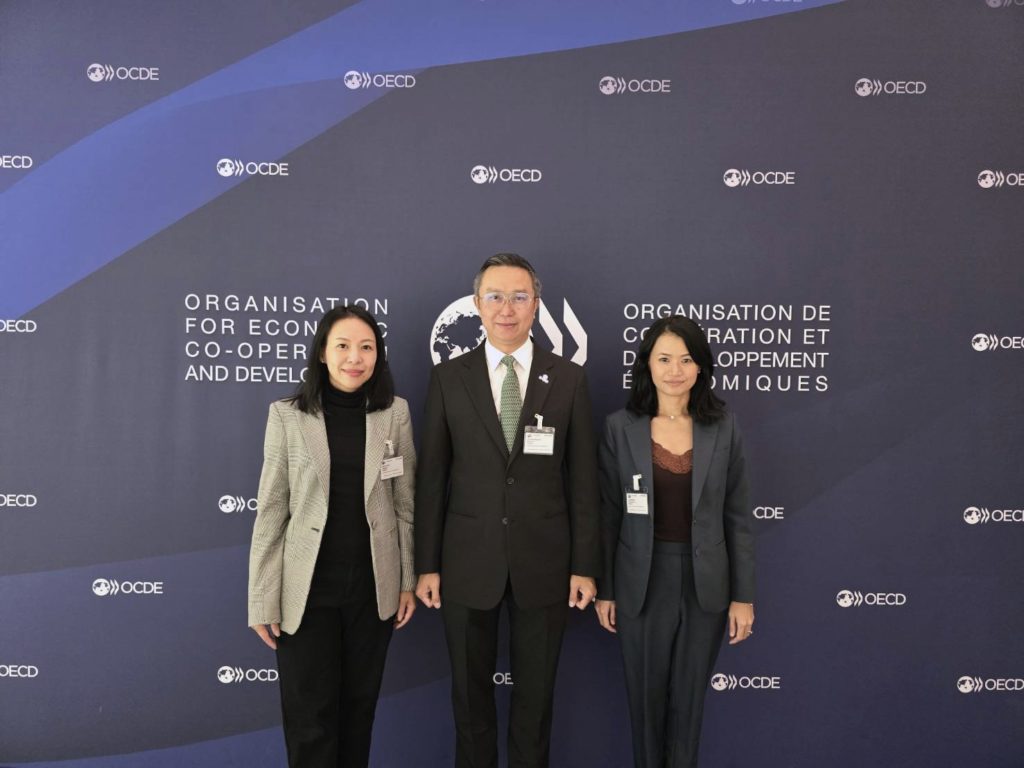
Dr. Surachai Sathitkunarat, President of NXPO, together with Dr. Pranpreya Sriwannawit Lundberg, Senior Director of International Policy Partnership, and Ms. Vipaporn Asavapisit, Senior Policy Specialist, participated in the 129th Session of the Committee for Scientific and Technological Policy (CSTP) and the CSTP Workshop on the Securitisation of Science, Technology and Innovation (STI). The meetings were held from 21–23 October 2026 at the headquarters of the Organisation for Economic Co-operation and Development (OECD) in Paris, France.
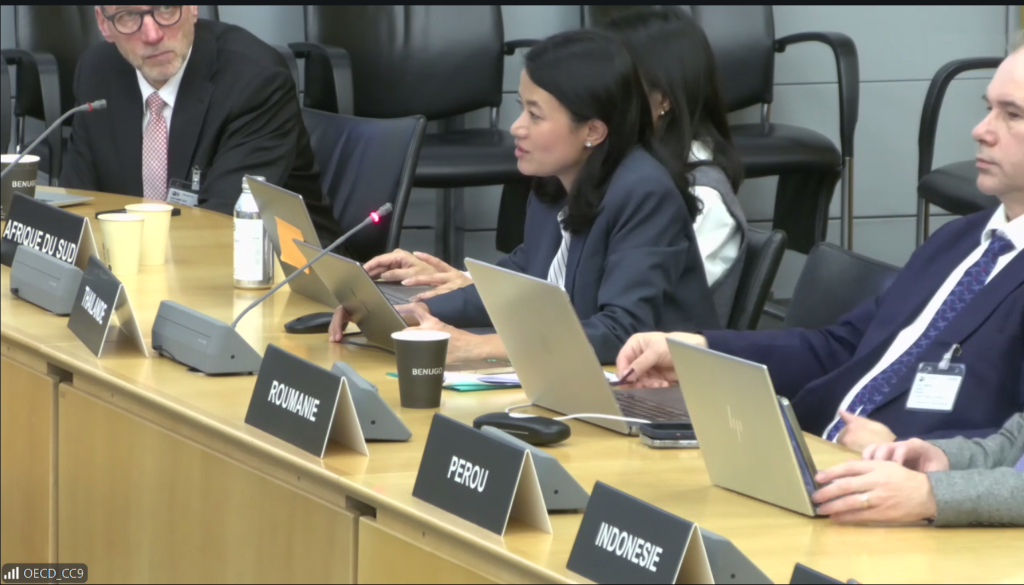
The CSTP Workshop on the Securitisation of STI addressed security-related issues, including the international mobility of researchers, dual use research and technologies, and the management of interdependencies. During the workshop, Dr. Pranpreya proposed that the OECD develop a flexible, evidence-based framework to help countries manage interdependencies. Such a framework would enable member countries to assess risks arising from strategic dependencies and formulate appropriate policy responses while preserving the benefits of international cooperation, openness, and scientific knowledge exchange.
At the 129th CSTP Session, Dr. Pranpreya also contributed to the exchange of views under the agenda item “Innovation Policy in Context – Spotlight on Indonesia.” She commended Indonesia’s progress in advancing its Golden Indonesia 2045 vision and investing in strategic technologies. She also raised questions about how Indonesia identifies and prioritizes target technologies, balances national strategic interests with international scientific cooperation, and views its role as an OECD accession candidate in contributing to the CSTP community. Under the agenda item on the STIP Compass and STIP Survey, Thailand expressed support for using AI to improve reporting efficiency and data quality, while highlighting considerations regarding its application in linguistically diverse contexts, particularly languages that do not use the Latin alphabet. NXPO representatives also attended a side event on the STIP Compass for non-OECD member countries.
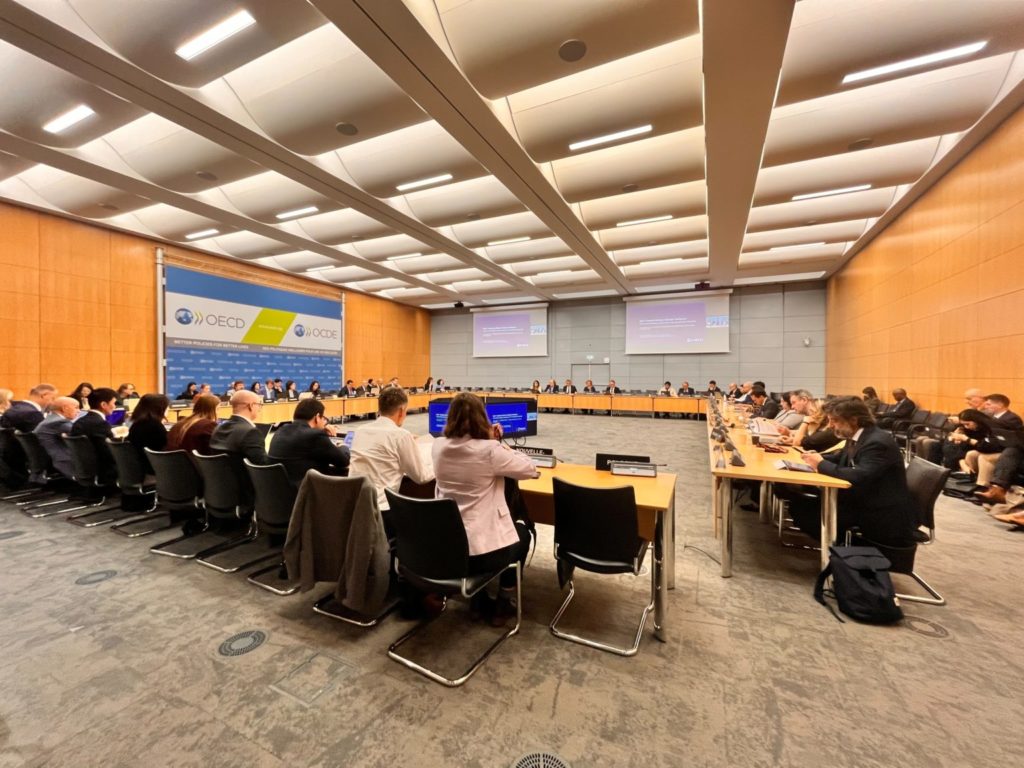
During the closed session on the initial discussion of Thailand’s OECD accession, Dr. Surachai represented Thailand and presented an overview of the country’s development priorities and policies in science, research and innovation (SRI). He also shared Thailand’s perspectives on using the OECD accession process as a mechanism to drive national reform and strengthen governance of the SRI system. Representatives of OECD member countries shared their perspectives and experiences on how the accession process can serve as a catalyst for long-term national reform and development.
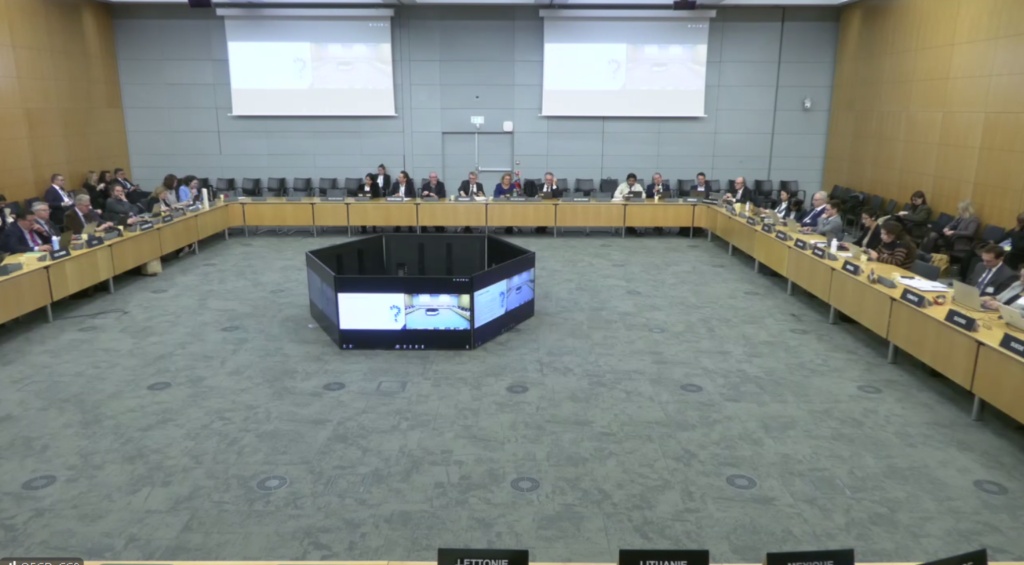
The 129th CSTP Session provided Thailand with an opportunity to exchange knowledge and contribute to international discussions on STI policy directions. It also supported the country’s preparations for OECD membership by promoting policy development and SRI system reform in alignment with international approaches and standards. These efforts are expected to strengthen Thailand’s competitiveness and contribute to sustainable national development.