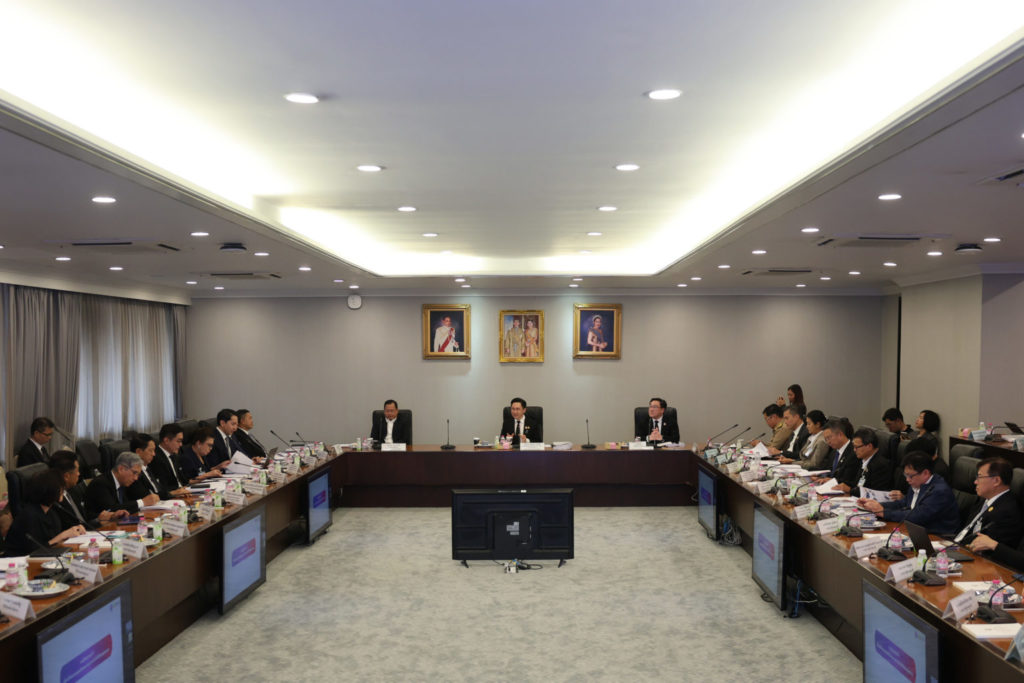
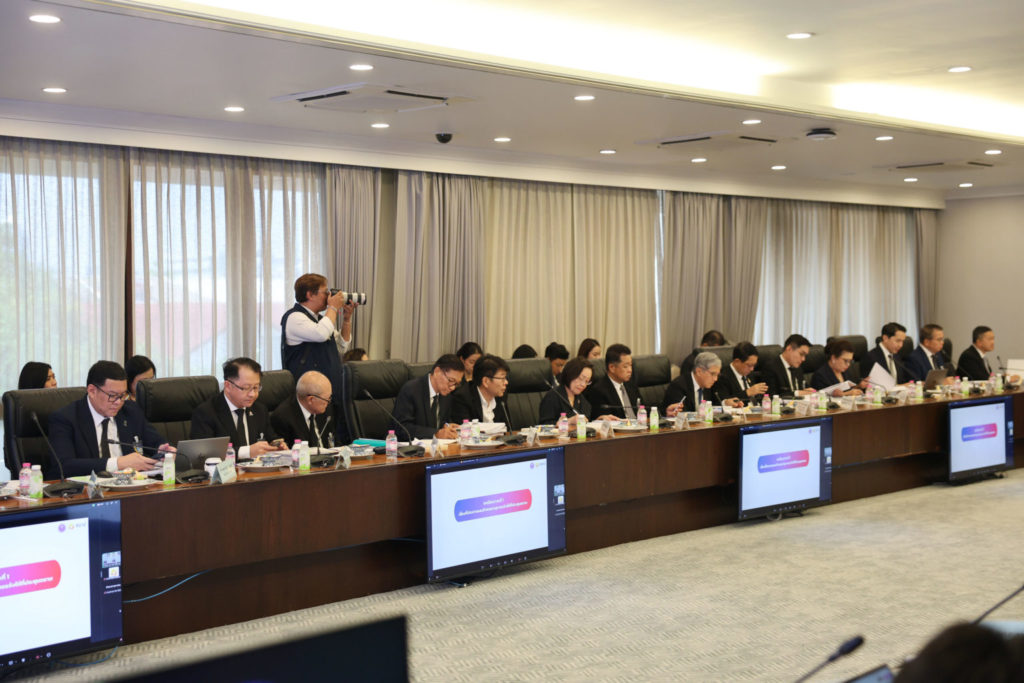
On 26 October 2026, Prof. Dr. Yodchanan Wongsawat, Deputy Prime Minister and Minister of Higher Education, Science, Research and Innovation (MHESI), chaired the Meeting of the National Higher Education, Science, Research and Innovation Policy Council (Policy Council) at Government House. Attendees included Mr. Pakorn Nilprapunt, Deputy Prime Minister; Mr. Julapun Amornvivat, Minister of Labour; Mr. Chaichanok Chidchob, Minister of Digital Economy and Society; Mr. Akkaranan Kankittinan, Deputy Minister of Education; Prof. Dr. Supachai Pathumnakul, Permanent Secretary of MHESI; Dr. Surachai Sathitkunarat, President of NXPO; and senior executives from relevant ministries and distinguished experts.
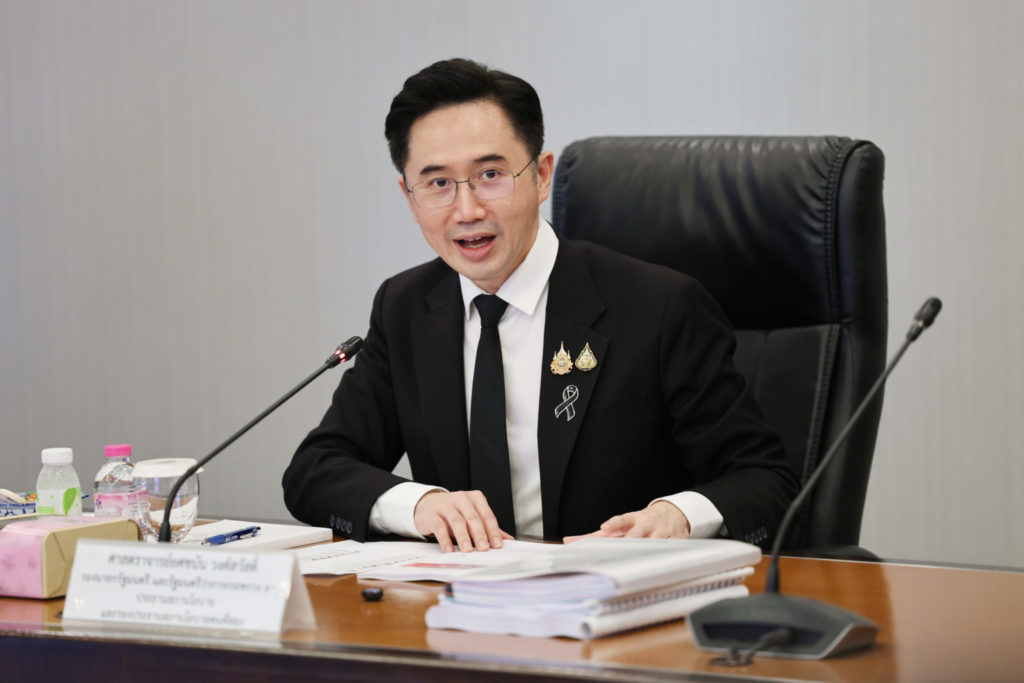
Following the meeting, Prof. Dr. Yodchanan announced that the Policy Council had approved several key initiatives to guide Thailand’s development through higher education, science, research, and innovation. The overarching goal is to transform Thailand from a technology user into an innovation creator, strengthen national competitiveness, and enable the country to move beyond the middle-income trap toward high-income status.
The Policy Council approved the national flagship program “Thailand²: Nation of Master,” comprising three strategic initiatives—Siam Silica, Siam Medica, and Siam Terra—to establish new growth engines while increasing the value of Thailand’s existing agricultural, industrial, and service sectors.
- Siam Silica aims to position Thailand within the global semiconductor value chain by developing the skilled workforce and deep technologies required by the industry. It focuses on four key technologies: photonics, power devices, integrated circuit (IC) design, and advanced packaging. Implementation will encompass workforce development, research and innovation, infrastructure development, industrial investment, and market creation. By 2030, the initiative aims to establish eight Thai and international IC design startups and multinational design centers. These efforts are expected to strengthen Thailand’s technological capabilities and security while attracting foreign direct investment (FDI).
- Siam Medica aims to upgrade Thailand’s healthcare and wellness industries by developing the health economy across the entire value chain, from agriculture, including herbal products, to industry, including synthetic biology, biomanufacturing, advanced therapy medicinal products (ATMPs), and medical devices, and services, including medical informatics, precision medicine, and wellness estates. Key measures include establishing data informatics platforms, developing infrastructure for synthetic biology (SynBio) and biomanufacturing, and promoting investment through incentives from the Board of Investment (BOI).
- Siam Terra aims to build on Thailand’s agricultural strengths to develop future food and high-value bio-based industries. It focuses on four key areas: smart agriculture, precision biotechnology, high-value future food, and high-value biomanufacturing. Key initiatives include establishing agricultural industrial estates and public-private partnership (PPP) sandboxes to address production costs and water management challenges; setting up a One-Stop National GEd Office to accelerate crop improvement through precision biotechnology; and developing a fast-track system for registering health claims for future foods and herbal products. The initiative will also support investment in infrastructure and industrial-scale animal vaccine manufacturing facilities, helping position Thailand as an ASEAN hub for green industries and future food.
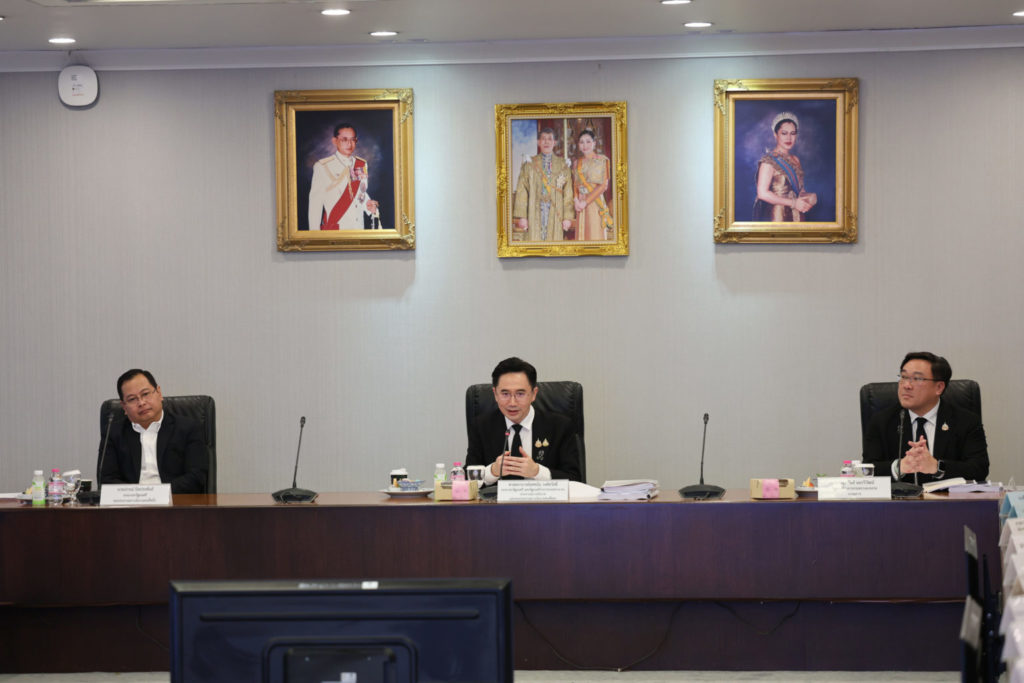
Implementation of Siam Silica, Siam Medica, and Siam Terra will be coordinated by interministerial working groups under the Policy Council through a national agenda and taskforce mechanism, with strategic portfolio management serving as the primary management approach.
The Policy Council also approved “Frontier AI for Thailand Future Economy,” a flagship program to advance frontier artificial intelligence across three strategic areas:
- AI in Bio & Life Science: Positioning Thailand as a leader in AI models and platforms for precision medicine, particularly for non-communicable diseases (NCDs) and tropical diseases.
- AI in Health & Medicine: Establishing Thailand as a leader in AI-powered medical services and medical devices.
- AI in Manufacturing: Positioning Thailand as ASEAN’s hub for AI solutions.
The meeting also endorsed in principle the development of strategic science and technology infrastructure, including a photonic waveguide chip project to support integration into the semiconductor industry under Siam Silica, the Artemis project, a space research collaboration between Thailand and NASA, and continued monitoring of developments in the quantum economy. These initiatives are intended to lay the technological foundations for Thailand’s future growth.
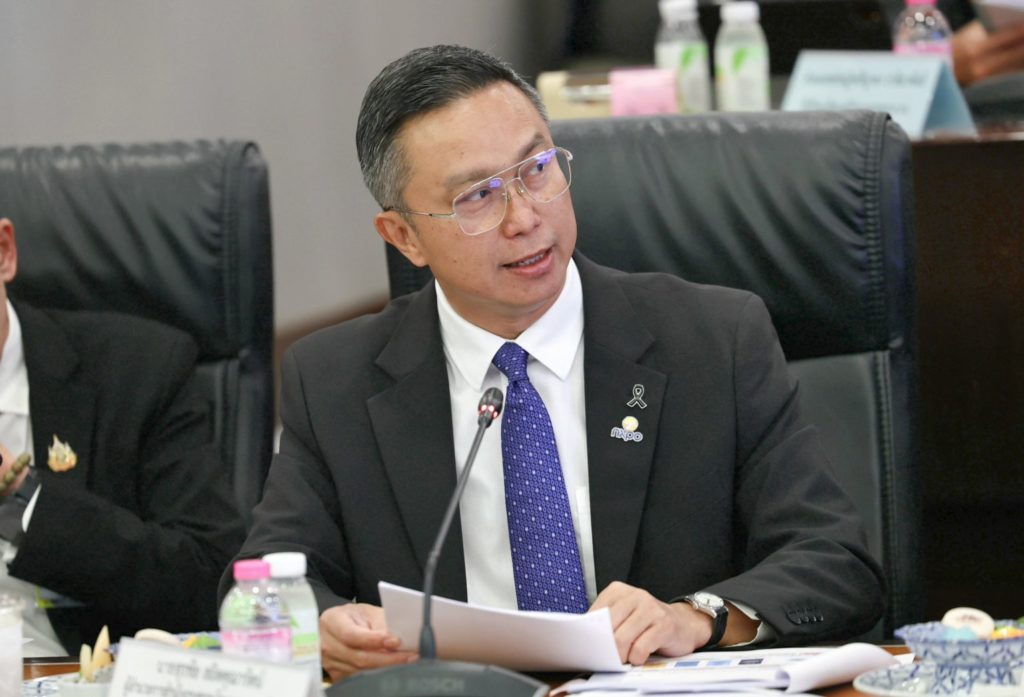
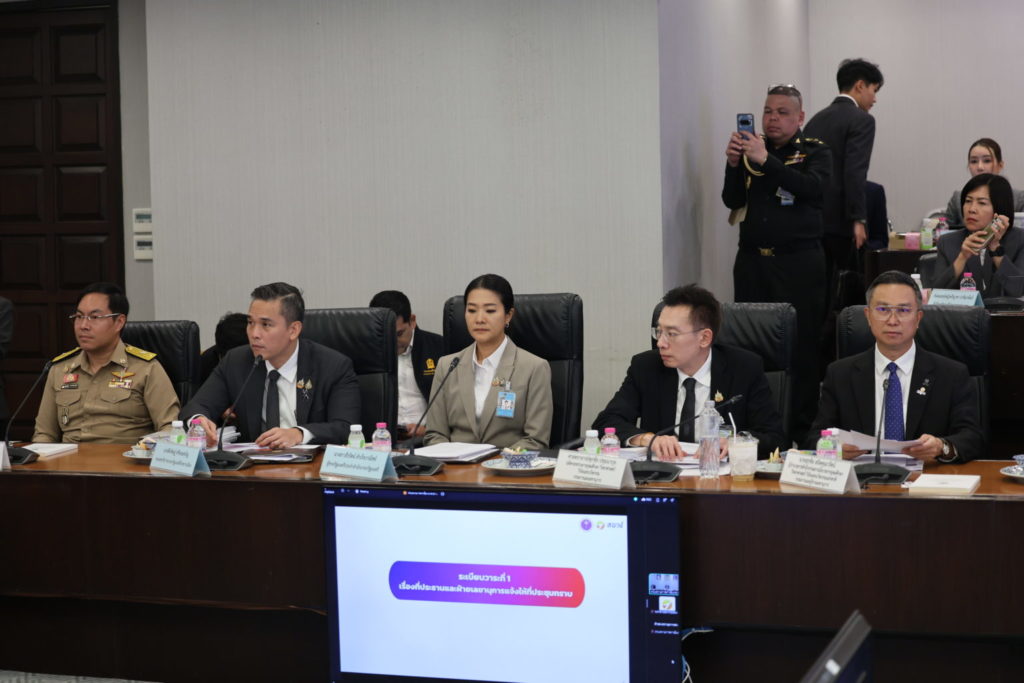
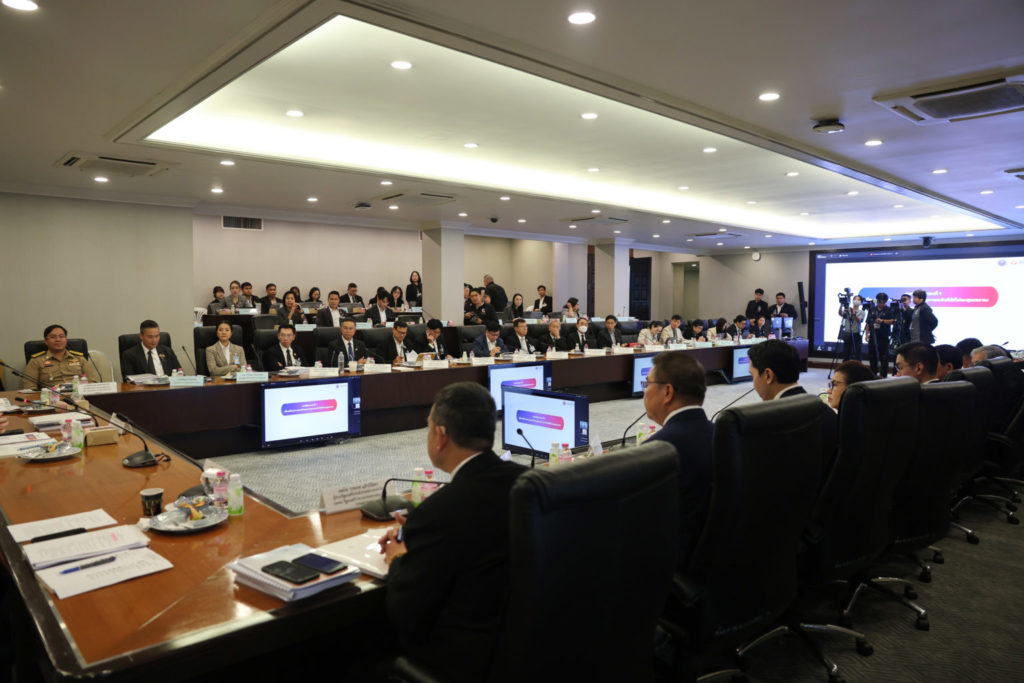
The Policy Council approved Strategic Co-investment as a mechanism to strengthen Thailand’s innovation ecosystem and accelerate the development of five industries of the future: semiconductors; electric vehicles and batteries; AI and software; biotechnology and clean energy; and high-value digital industries. Three funding mechanisms will support businesses at different stages of growth: Corporate Co-funding, the establishment of holding companies, and Private Equity (PE) Trusts. These mechanisms aim to bridge the gap between research and commercial application.
The Policy Council also reviewed and provided feedback on three draft plans for 2028–2032: the Policy and Strategy Framework for Higher Education, Science, Research and Innovation; the Higher Education Plan; and the Science, Research and Innovation Plan. Together, these plans seek to strengthen workforce capabilities, establish new growth engines, and help Thailand transition from a middle-income to a high-income country by 2037. Their key priorities are as follows:
- Policy and Strategy Framework for Higher Education, Science, Research and Innovation: Adopting a Mission-Oriented Innovation Policy (MOIP) approach to align the Higher Education Plan with the Science, Research and Innovation Plan, enabling a coordinated response to complex national challenges.
- Higher Education Plan: Transforming universities from institutions primarily focused on awarding degrees into drivers of national capability building. The plan emphasizes upskilling the workforce to meet future labor market demands and promoting lifelong learning, with a target of sustaining annual GDP growth at 5%.
- Science, Research and Innovation Plan: Comprising four strategies, nine programs, and 20 subprograms, the plan positions science, research, and innovation as key drivers of competitiveness, reduced inequality, and national resilience. It also seeks to strengthen Thailand’s capacity to respond to global crises, including geopolitical tensions, technological disruption, climate change, and emerging diseases.
Feedback and recommendations from the meeting will be incorporated into the three plans to ensure they address national priorities, deliver tangible outcomes, and are ready for implementation, supporting Thailand’s sustainable economic and social development. “Thailand²: Nation of Master, encompassing Siam Silica, Siam Medica, and Siam Terra, together with Frontier AI, advanced technology infrastructure, and mechanisms for co-investment to strengthen the innovation ecosystem, will serve as a new growth engine. These initiatives will bring Thai research and advanced technologies from the laboratory to global commercial markets, create high-skilled jobs, and sustainably strengthen the country’s competitiveness,” Prof. Dr. Yodchanan concluded.