NXPO participated in the 90th Meeting of the ASEAN Committee on Science, Technology and Innovation (COSTI-90) and related meetings in Da Nang, Viet Nam. Hosted by Viet Nam’s Ministry of Science and Technology (MST), the meetings focused on shaping the direction of ASEAN cooperation in science, technology and innovation (STI), reviewing progress under the ASEAN Plan of Action on Science, Technology and Innovation (APASTI) 2026–2035, and strengthening mechanisms for cooperation among ASEAN Member States.
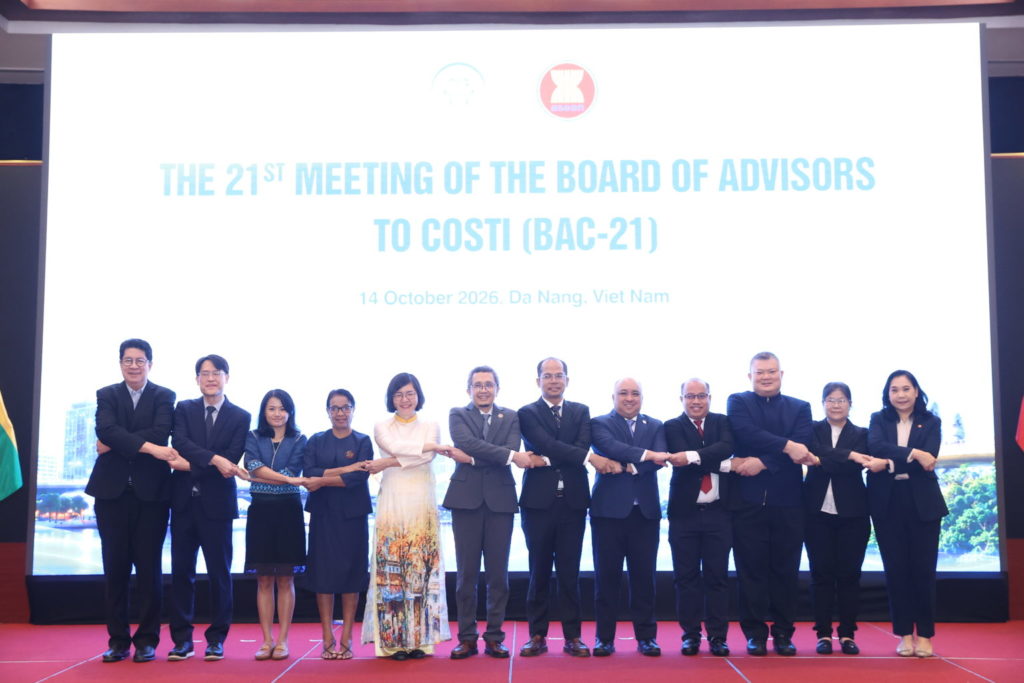
On 14 October 2026, Dr. Pranpreya Sriwannawit Lundberg, Senior Director of International Policy Partnership at NXPO, and Dr. Doungkamon Phihusut, Policy Specialist at NXPO, represented Thailand at the 21st Meeting of the Board of Advisers to the ASEAN Committee on Science, Technology and Innovation (BAC-21). The meeting addressed policy issues and developed recommendations for consideration at COSTI-90. Key agenda items included the management of the ASEAN Science, Technology and Innovation Fund (ASTIF), progress under the 2026 ASTIF Call for Proposals, the development of project appraisal and monitoring mechanisms based on Annual Milestone Deliverables (AMD), and monitoring and evaluation of APASTI 2026–2035 implementation.
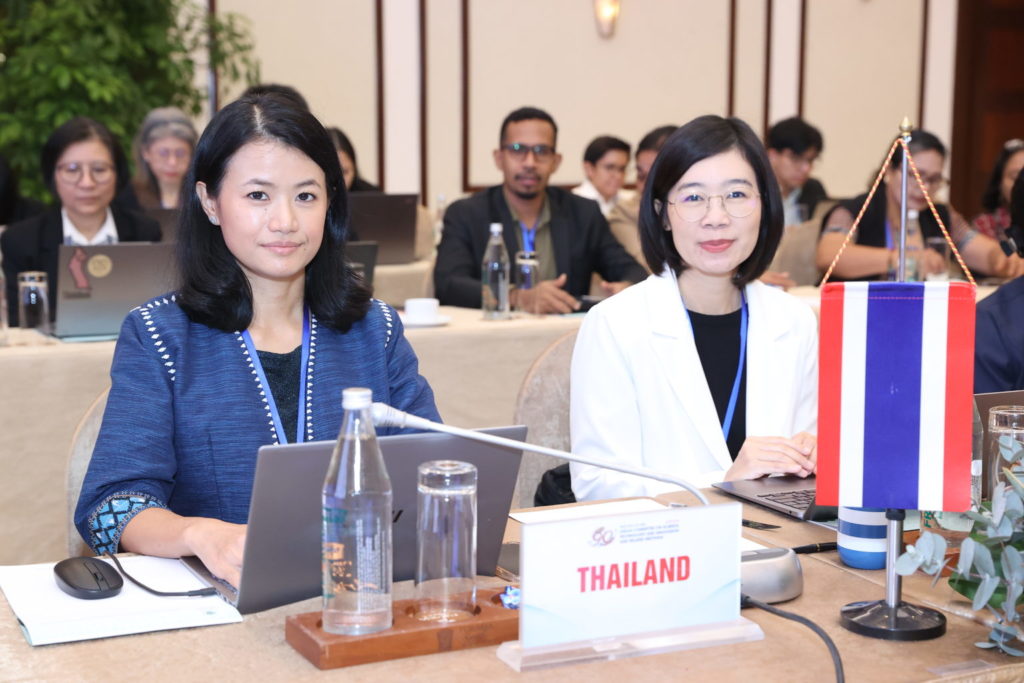
At BAC-21, participants discussed ways to improve ASTIF management and ensure sustained support for STI cooperation projects addressing regional challenges. Recommendations for COSTI included considering changes to the frequency of calls for proposals to allow the fund to accumulate greater investment returns, while prioritizing high-quality projects with significant regional impact. The meeting also reviewed the implementation of the 2026 ASTIF Call for Proposals under the theme “ASEAN Grand Challenge: AI-Enabled Competitive and Resilient Region.” Discussions emphasized setting submission timelines that allow National Focal Points (NFPs) to conduct preliminary checks to ensure that proposals are complete before entering the formal review process. Another key agenda item was the development of the ASEAN STI Partnership Contributions framework, which provides a mechanism for reporting ASEAN Member States’ support for STI activities and collaborative projects through both financial and in-kind contributions. The framework aims to recognize Member States’ contributions to regional cooperation aligned with APASTI 2026–2035 and support monitoring and evaluation through the APASTI Monitoring and Evaluation Dashboard. Participants also reviewed progress in establishing the Project Appraisal Group (PAG), which is responsible for evaluating proposals seeking ASTIF support. The key recommendations and outcomes of BAC-21 were subsequently presented for consideration at COSTI-90.
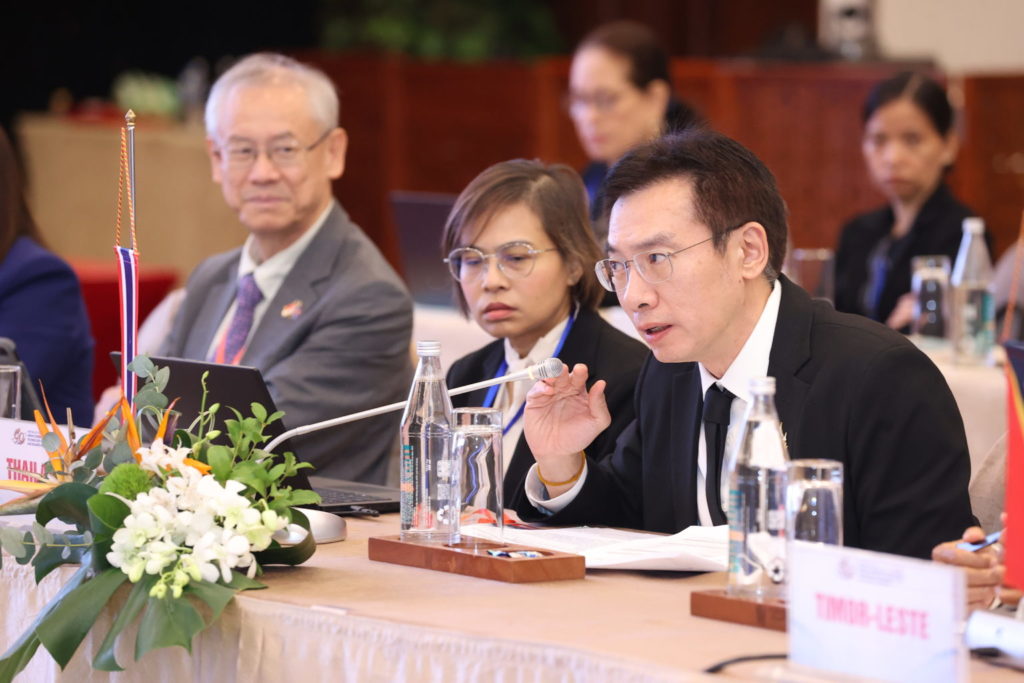
COSTI-90 was held on 14–15 October 2026, with the Thai delegation led by Prof. Dr. Supachai Pathumnakul, Permanent Secretary of the Ministry of Higher Education, Science, Research and Innovation (MHESI). The meeting reviewed progress in implementing decisions from COSTI-89 and recommendations from BAC-21, alongside updates on the work of all five COSTI Sub-Committees (SCs) and key projects under APASTI 2026–2035. These initiatives included the development of high-performance computing (HPC) infrastructure, the application of artificial intelligence (AI) in healthcare, and cooperation in space technology. The meeting also highlighted the importance of expanding cooperation with dialogue partners and international organizations. As the country coordinator for ASEAN–Republic of Korea (ASEAN–ROK) cooperation in 2026, Thailand reported on progress under the ASEAN–ROK STI Workplan 2025–2027, which covers human resource development, joint research, and the utilization of research infrastructure. Thailand also highlighted its efforts to promote regional semiconductor cooperation through the ASEAN Semiconductor Forum 2026, hosted in September. The forum provided a platform for exchanging approaches to semiconductor ecosystem development and strengthening collaboration among ASEAN Member States in workforce development, research, and the shared use of infrastructure. These initiatives contribute to broader efforts to enhance ASEAN’s competitiveness and strengthen its semiconductor value chains.
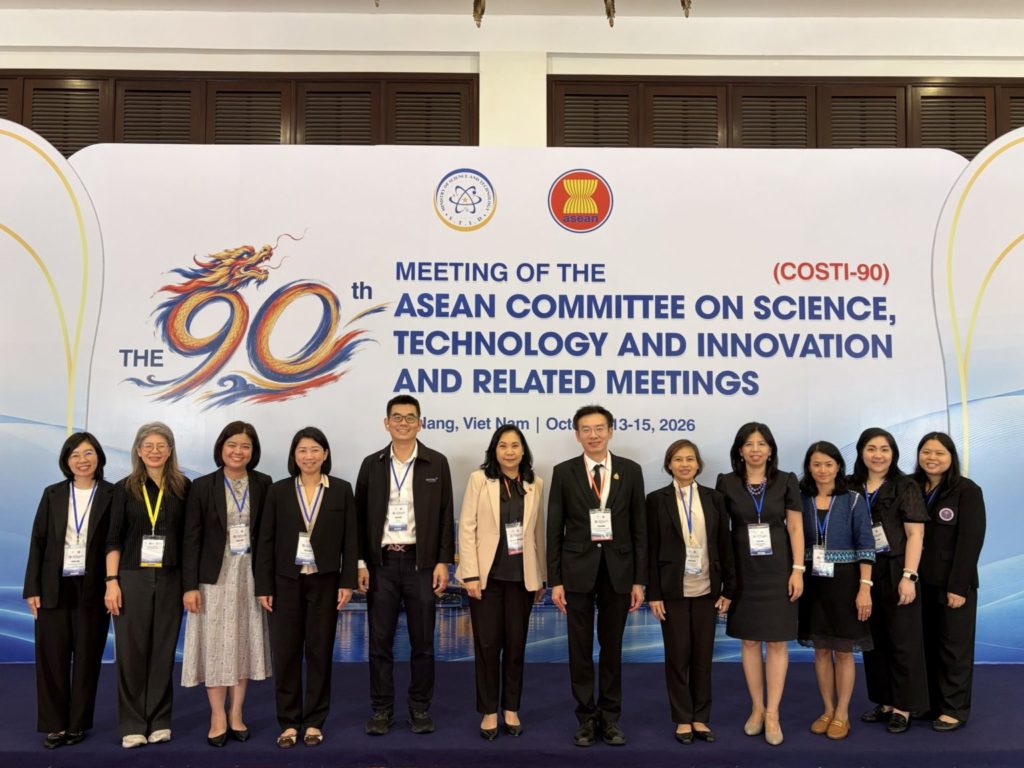
Through its participation in BAC-21 and COSTI-90, NXPO contributed to policy discussions and the development of mechanisms to strengthen ASEAN STI cooperation. Key priorities include improving the management of shared resources and project support mechanisms, connecting the research and innovation capabilities of ASEAN Member States, and deepening collaboration with international partners. These efforts aim to translate APASTI 2026–2035 into tangible outcomes while enhancing ASEAN’s competitiveness, resilience, and long-term sustainable development.