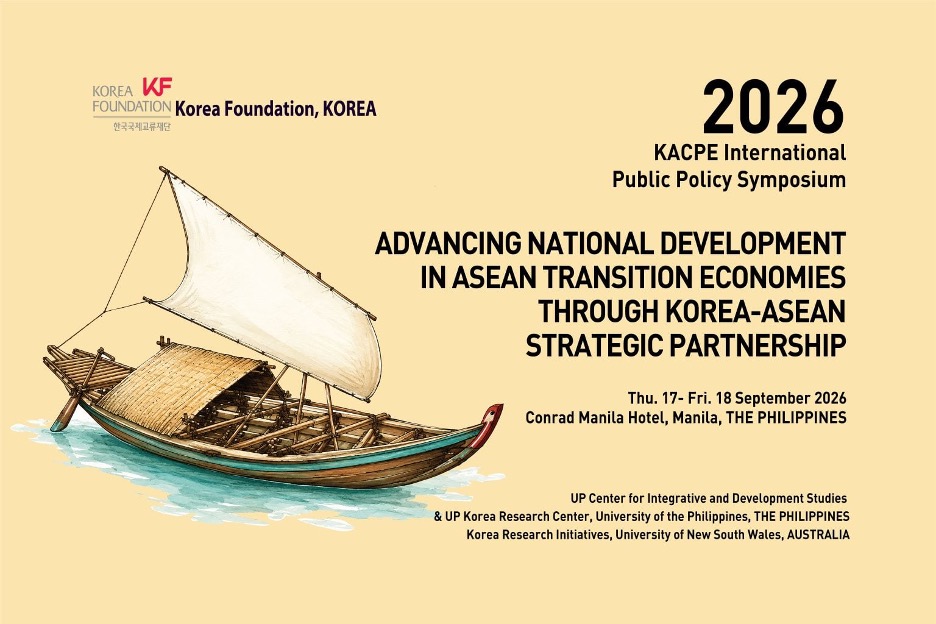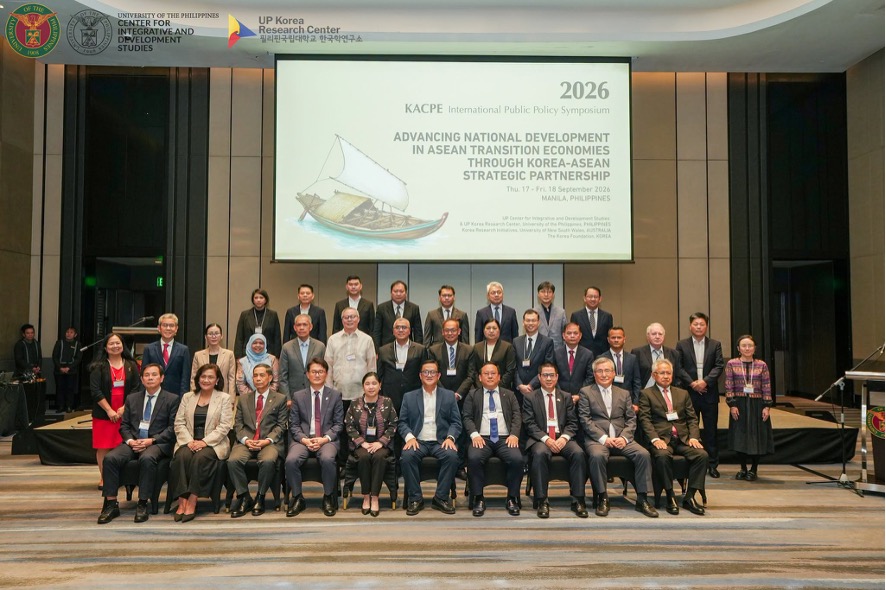
Assoc. Prof. Wongkot Wongsapai, Vice President of NXPO, participated in the 13th Korea–ASEAN Community of Policy Exchange (KACPE) International Public Policy Symposium, held under the theme “Advancing National Development in ASEAN Transition Economies through Korea–ASEAN Strategic Partnership” on 17–18 September 2026 at the Conrad Manila Hotel in Manila, the Philippines. The symposium was organized by the UP Center for Integrative and Development Studies and the UP Korea Research Center of the University of the Philippines, in collaboration with Korea Research Initiatives at the University of New South Wales, Australia, and The Korea Foundation of the Republic of Korea.
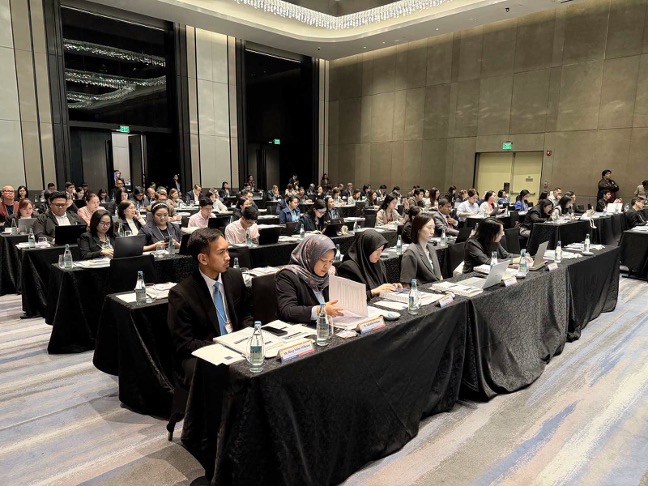
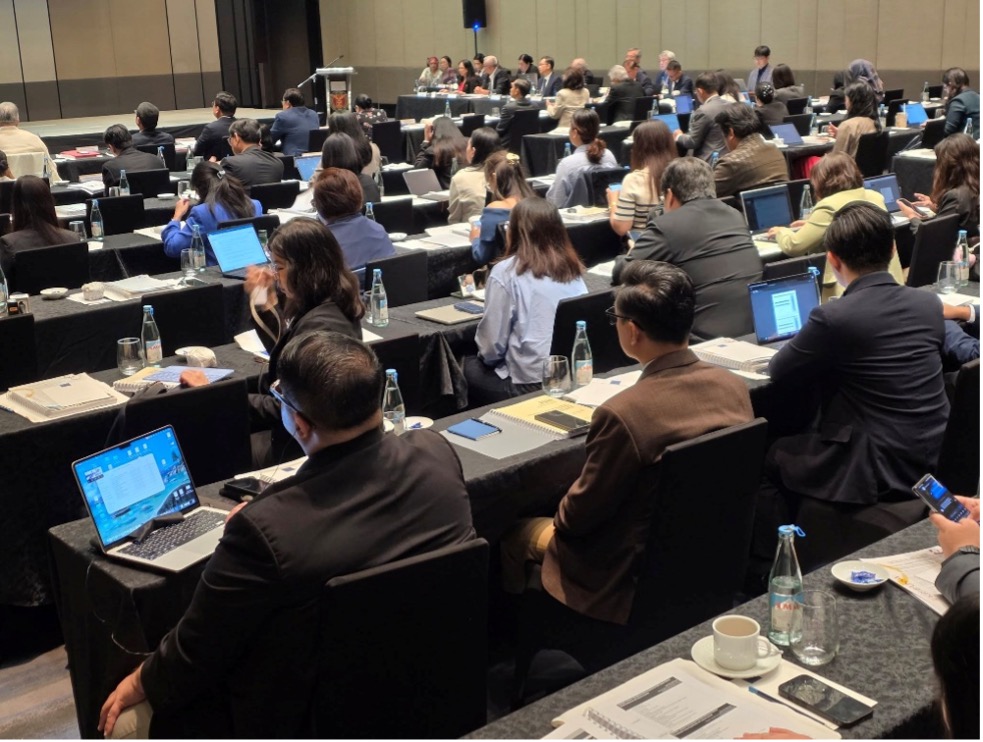
KACPE serves as a platform for policy exchange among senior policymakers from ASEAN and the Republic of Korea, bringing together representatives from the public sector, foreign affairs community, academia, and policy experts. The forum is held annually and rotates among ASEAN countries. This year’s event was attended by more than 200 participants, including ministers and former ministers from ASEAN countries, senior government officials, ambassadors, academics, and experts from all ASEAN member states, the Republic of Korea, and Australia. Participants included Prof. Erwan Agus Purwanto, Deputy Minister of Administration and Bureaucratic Reform of Indonesia; Ambassador Lee Chul, Ambassador and Mission Representative of the Republic of Korea to ASEAN; U Ko Ko Hlaing, former Union Minister at the Ministry of the President’s Office of Myanmar; Mr. Nisith Keopanya, former Vice Minister of Home Affairs of Laos; and Mr. Yonguk Kim, Executive Vice President of The Korea Foundation. The forum provided an opportunity to exchange experiences and policy recommendations on strengthening government capacity, advancing economic development and regional security, and reforming higher education systems to respond to global dynamics.
During the session “Driving Higher Education Reform for National Development: Global Experiences and Lessons Learned,” Assoc. Prof. Wongkot presented “Higher Education as a Driver of National Development: Future Thailand.” He outlined Thailand’s approaches to reforming the higher education, science, research and innovation system currently being advanced by NXPO. In particular, he highlighted the application of the OECD’s Mission-Oriented Innovation Policy (MOIP) framework to enable Thailand’s higher education, research, and innovation sectors to play a greater role in developing the workforce, fostering innovation, and driving the country’s long-term development.
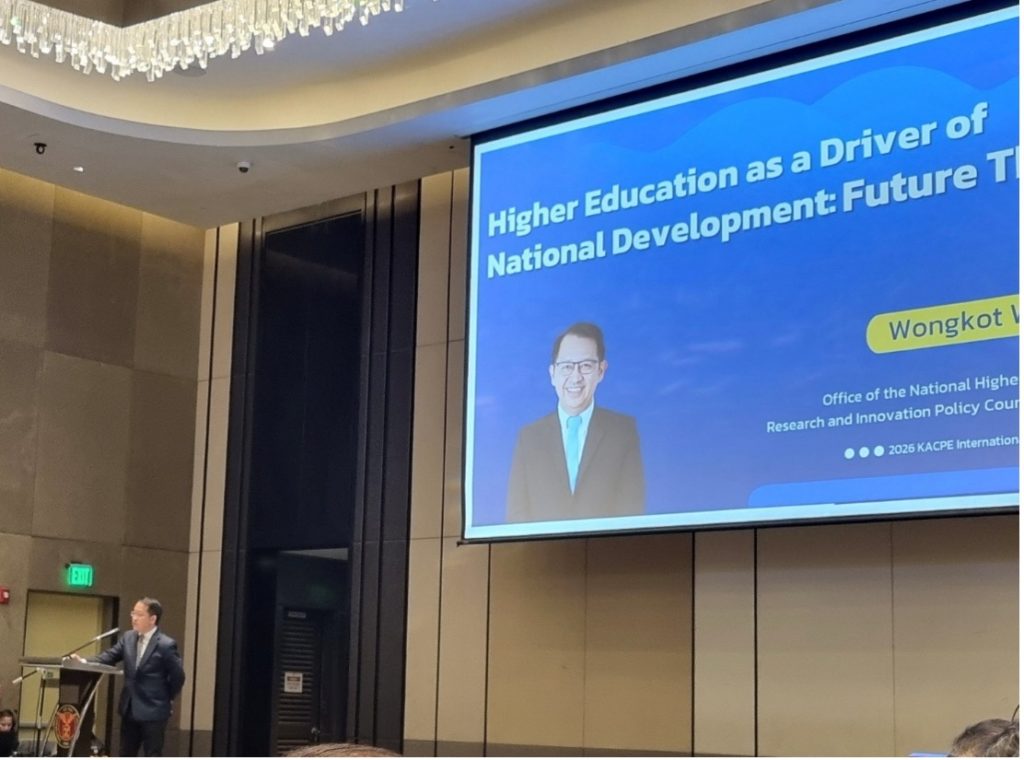
Assoc. Prof. Wongkot highlighted key challenges facing Thailand, including the economic slowdown since the COVID-19 pandemic, technology and investment gaps, demographic shifts toward an aging society, spatial inequality, international pressures related to climate change, and geopolitical volatility. These challenges are affecting the country’s competitiveness and workforce needs. Addressing them requires a transformation of the higher education system to make it more flexible, better connected with the economic and social sectors, and more responsive to national development needs.
Discussing the reform of Thailand’s higher education, science, research and innovation system, Assoc. Prof. Wongkot presented the application of the MOIP approach to identify key national priorities and connect the efforts of higher education institutions, research agencies, program management units, the private sector, and other relevant stakeholders. The approach aims to foster the joint development of knowledge, technologies, innovations, and human capital to address the country’s development goals.
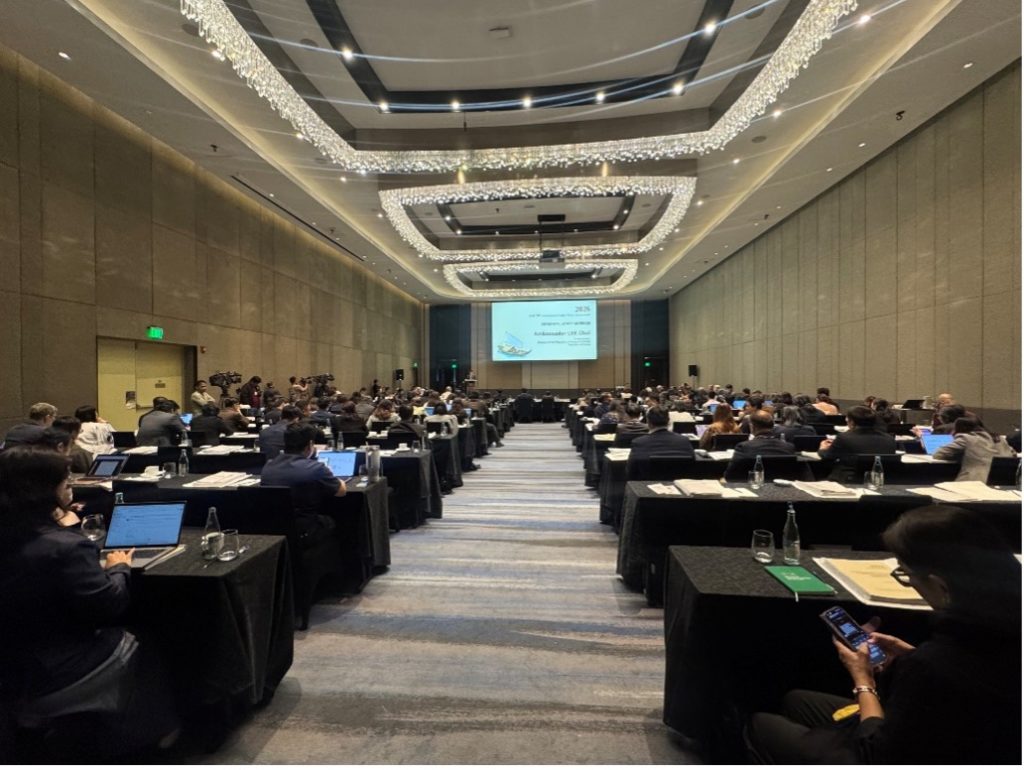
He also presented key policy instruments for advancing higher education reform, including redefining the roles of universities by establishing distinct missions and areas of strength based on their respective contexts; using the Higher Education Sandbox to increase regulatory flexibility and support new forms of curricula; promoting experiential learning and learning in collaboration with industry; and upskilling and reskilling the workforce to meet rapidly changing needs. STEMPlus was highlighted as a national platform that connects industry workforce needs with workforce development by higher education institutions through services such as skills matching, training and competency certification, as well as tax incentives for businesses. To date, STEMPlus has supported workforce development for more than 451,137 people, created 13,075 new jobs, and generated approximately THB 4.4 billion in revenue. These achievements demonstrate the role of higher education policy in connecting human capital development with improvements in productivity and national competitiveness.
Assoc. Prof. Wongkot proposed four areas for further strengthening cooperation among Thailand, ASEAN member states, the Republic of Korea, and international networks: knowledge and experience exchange on policy; development and mobility of highly skilled talent; joint research and innovation development; and stronger linkages among universities, industry, and innovation ecosystems. Such cooperation would help countries address shared challenges, including the digital and artificial intelligence transition, demographic shifts, climate change, and economic competition.
Through KACPE, Thailand showcased its approaches to higher education reform and workforce development on the international stage, while strengthening networks with policymakers, senior executives, higher education institutions, and research agencies from ASEAN, the Republic of Korea, and Australia. These connections will support knowledge exchange, policy learning, and the development of collaborative initiatives, helping advance higher education as a key mechanism for driving sustainable national development.