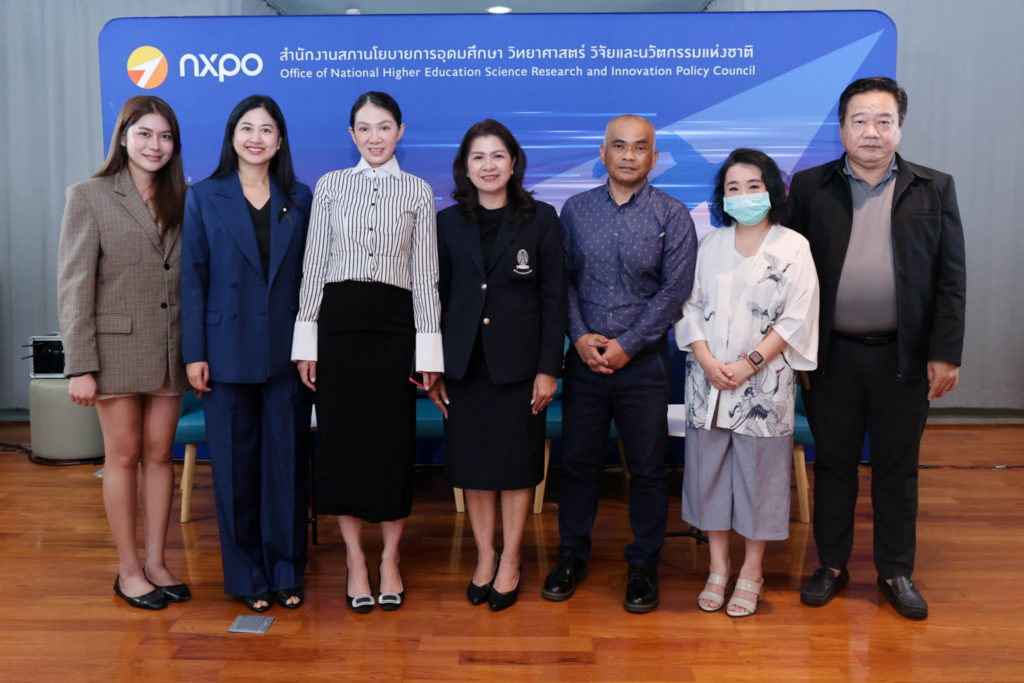
NXPO held its fourth Policy Dialogue, “Enhancing the Role of Social Sciences and Humanities in Shaping Policy and Driving Thai Innovation,” under the theme “Closing the Gap: Pathways to Inclusive Growth” on 28 August 2026. The dialogue aimed to harness knowledge from the social sciences and humanities to better understand inequality, from the root causes of structural problems to limitations within relevant policy systems and institutional mechanisms. It also explored how the social sciences and humanities can help Thailand’s research and innovation system gain deeper insights into people, diversity, and the distinct contexts of different communities.
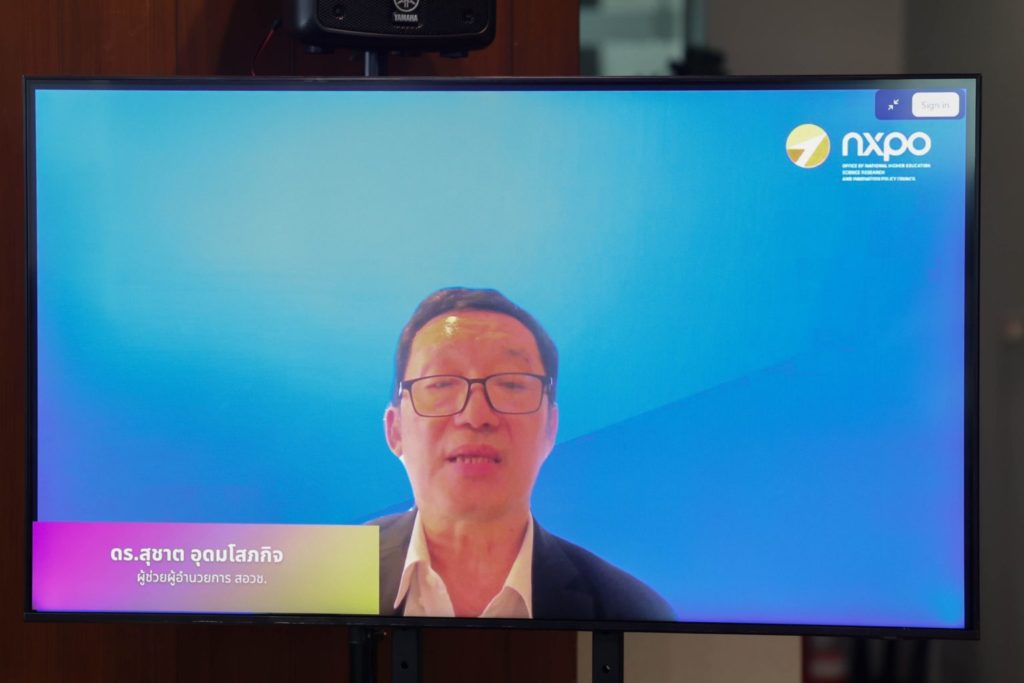
In his welcome remarks, Dr. Suchat Udomsopagit, Assistant to the President of NXPO, emphasized that Thailand’s approach to national development must move beyond economic growth toward inclusive growth, ensuring that people across all groups and regions can access opportunities and benefit from development, particularly those who continue to face constraints in education, public services, and economic opportunities.
Although Thailand has continued to invest in research and innovation and has achieved significant economic progress, the benefits of development remain concentrated in certain regions, industries, and population groups. Meanwhile, structural inequality remains a major constraint on the country’s long-term development. Reducing inequality must therefore begin with designing systems and policies that remove structural constraints, strengthen people’s capabilities, and expand opportunities.
Dr. Suchat further noted that the dialogue provides an important platform for exchanging knowledge, experiences, and policy perspectives, with the aim of developing recommendations to strengthen Thailand’s research and innovation system as a mechanism for advancing inclusive, comprehensive, and sustainable growth for all Thais.
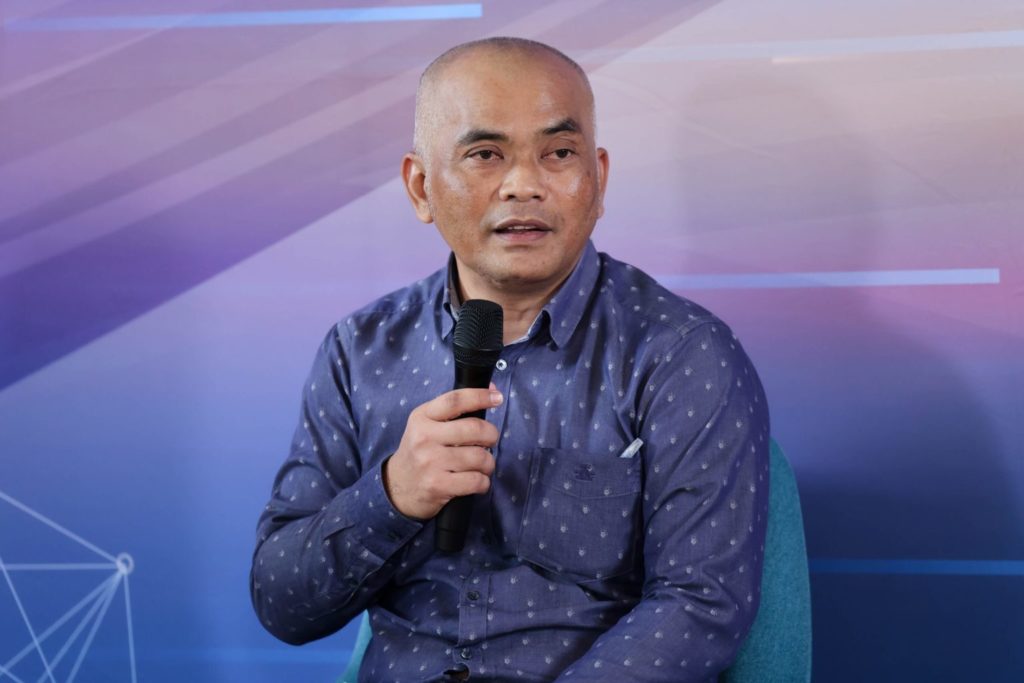
Assoc. Prof. Dr. Anusorn Unno of the Faculty of Sociology and Anthropology, Thammasat University, pointed out that inequality in Thailand has deep roots in long-standing structures of ownership and access to capital and resources. This is particularly evident among people and communities facing restrictions related to rights and laws governing resource management, who in some cases may even be regarded as encroachers on areas where they have traditionally lived or made use of resources. The formulation of government policies and measures must therefore take into account the relationships among people, culture, and the environment, alongside the specific contexts of individual areas.
Anthropological knowledge plays an important role in understanding phenomena at the local level and linking them to broader structural relationships and macro-level problems. Creating opportunities for researchers to study the ways of life, relationships, and conditions of communities comprehensively can help government agencies better understand both the root causes of inequality and develop solutions that are more responsive to local contexts.
Dr. Anusorn also observed that inequality today goes beyond income disparities. Another important concern is the weakening of “alternative knowledge,” which serves as an important foundation for reflecting the voices, rights, and experiences of marginalized people. In the past, community rights movements, including efforts to manage land, water, and forest resources, played an important role in bringing knowledge and experiences from communities into policy and academic spaces. However, the space for such forms of knowledge has gradually diminished amid increasing state centralization and the growing dominance of mainstream knowledge. As a result, some groups have not been adequately recognized or represented in policymaking processes.
He further emphasized the need to closely monitor emerging forms of development, such as green capitalism. Although driven by environmental objectives, green capitalism may result in an unequal distribution of both benefits and costs if the rules and structures governing benefit-sharing are not equitable. This is particularly relevant to farmers and local communities. Policies therefore need to balance environmental objectives with fairness and respect for people’s rights.
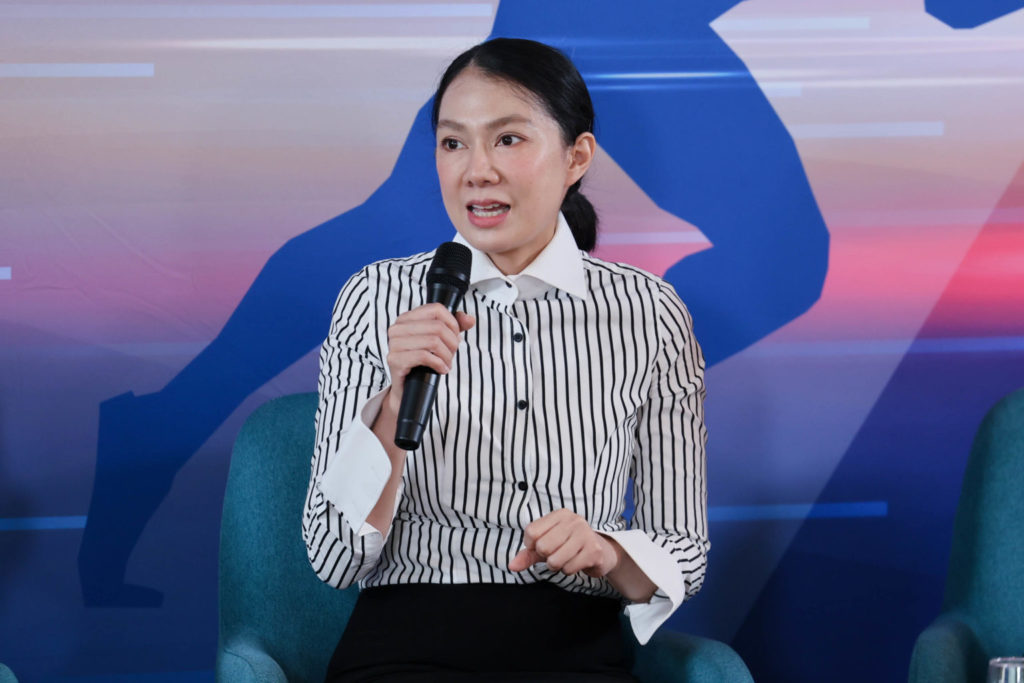
Assoc. Prof. Dr. Auschala Chalayonnavin, Dean of the Faculty of Social Administration, Thammasat University, noted that achieving inclusive growth must go hand in hand with “social investment.” Social welfare systems should not function merely as a means of assisting people when they face hardship, but should instead be viewed as an investment that strengthens people’s capabilities and enables them to become more self-reliant and participate sustainably in society.
Dr. Auschala cited the experience of people with autism to illustrate the overlapping dimensions of inequality. Children with autism from higher-income families may have access to education and skills development that enable them to pursue bachelor’s or master’s degrees and subsequently enter the labor market. In contrast, children with autism from low-income families who lack opportunities for early development may have limited career options, often confined to low-skilled, low-income jobs. This raises an important question: To what extent can existing welfare systems genuinely help people overcome vulnerability and poverty? It is therefore necessary to strengthen coordination among relevant agencies and translate research-based knowledge into concrete measures to reduce inequality.
In addition, inequality today is increasingly compounded by new dimensions, particularly digital inequality. This goes beyond simply having or lacking devices and internet access; it is directly linked to people’s ability to access government services, welfare benefits, and various forms of assistance. As a result, low-income people, older adults, and those with limited digital skills may face multiple disadvantages and an increasing risk of being left behind.
Dr. Auschala also proposed making research and policymaking processes more locally driven and community-centered by providing opportunities for members of the public and frontline officials to participate throughout the process, from identifying problems and designing research to developing policies. She emphasized that the value of policy research lies not only in its academic quality, but also in its ability to address real-world problems and generate meaningful change.
At the same time, policy research should not focus solely on “target groups,” but should seek to understand the entire ecosystem of stakeholders, including beneficiaries, frontline practitioners, regulatory agencies, affected groups, and those who may potentially lose out. Citing human trafficking as an example, she noted that if research examines the issue only from the perspective of victims without understanding the constraints faced by frontline officials, the resulting policies may be difficult to implement in practice or may unintentionally create additional burdens and adverse impacts for victims.
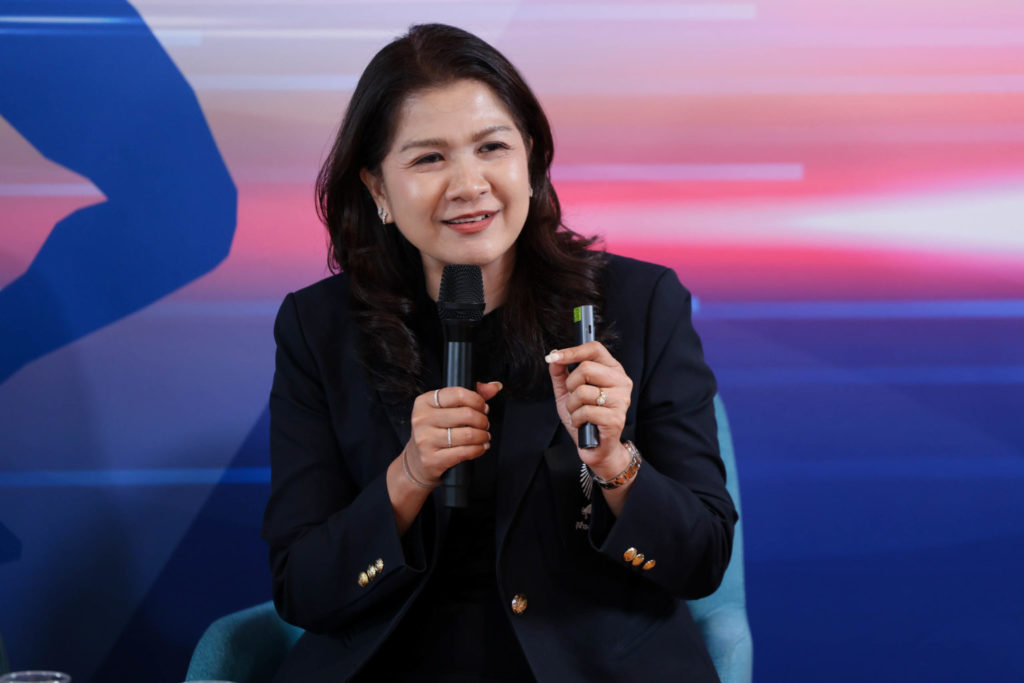
Assoc. Prof. Dr. Unruen Leknoi, Director of the Social Research Institute, Chulalongkorn University, proposed that the research system integrate data and knowledge from multiple disciplines to make people who are often invisible within the system more visible in policymaking processes. She suggested the integration of spatial data, including disaster risk maps, human security data, and levels of public participation, to identify areas that not only face high risks but also have low levels of human security and limited influence in policymaking processes. Nan Province illustrates the complexity of policymaking, where areas at risk of landslides overlap with upstream areas requiring environmental conservation. This requires the government to strike a balance between protecting ecosystems and safeguarding people’s lives and safety. Such challenges cannot be addressed through knowledge from a single discipline or by any one agency alone, but require cross-disciplinary data and knowledge as well as collaboration among multiple sectors.
Dr. Unruen also proposed three strategic moves for the research system. The first is to enable “those furthest from power” to participate in defining research agendas. When research questions are determined solely by central authorities, research may fail to address the actual problems faced by people in local communities, making inclusive growth more difficult to achieve. Decentralizing research, therefore, should not mean merely distributing research funding; it must also include devolving decision-making power over “which problems should be studied.” The second strategy is to establish a national shared repository of tools and knowledge, where every project builds on existing knowledge and contributes its data, tools, and lessons learned for others to use. Such a mechanism would enable the research system to build on accumulated knowledge and promote collective learning across projects and sectors. The final strategy is to assess equity before scaling up. Decisions on subsequent funding should consider who benefits, who bears the risks, and whether communities have the capacity to sustain the system themselves. When these three mechanisms work together, the research system can distribute not only opportunities, but also decision-making power and the capacity to cope with future challenges.
She also proposed that changes in people’s lives should be a key indicator of the impact of research for society, particularly by asking whether people who are furthest from power and visibility within the system have benefited or experienced improvements in their quality of life. At the same time, innovations intended to generate sustainable impact should meet at least three key criteria: (1) they must be easy to use and manageable by communities over the long term; (2) a local agency must be responsible for implementation, with an adequate budget to support it; and (3) the people who use the innovation must see it as capable of addressing their problems and providing genuine practical benefits.
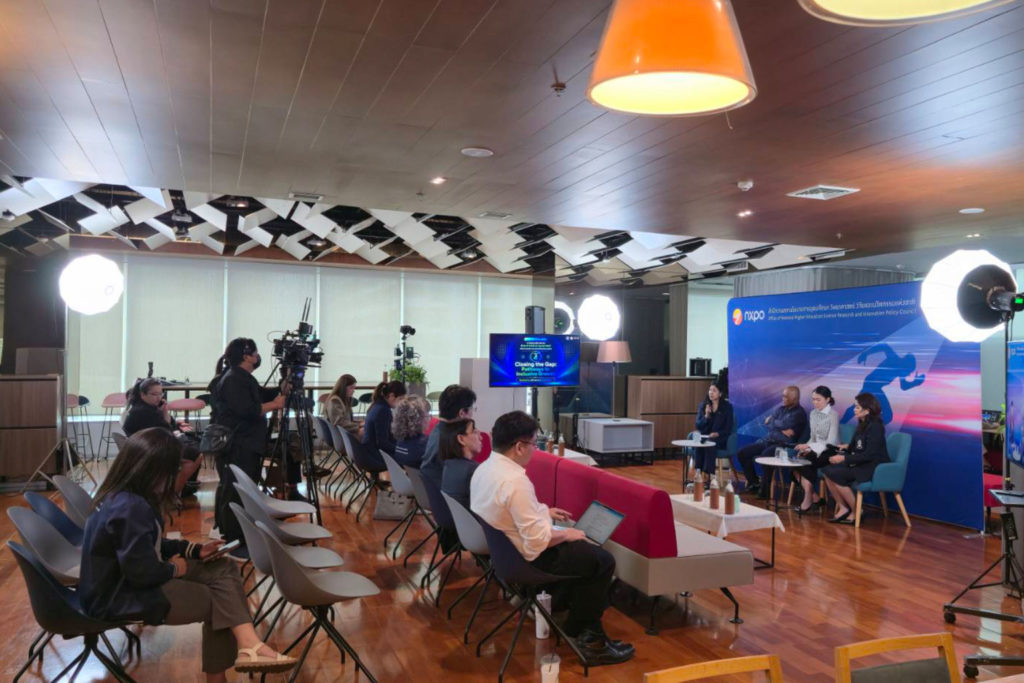
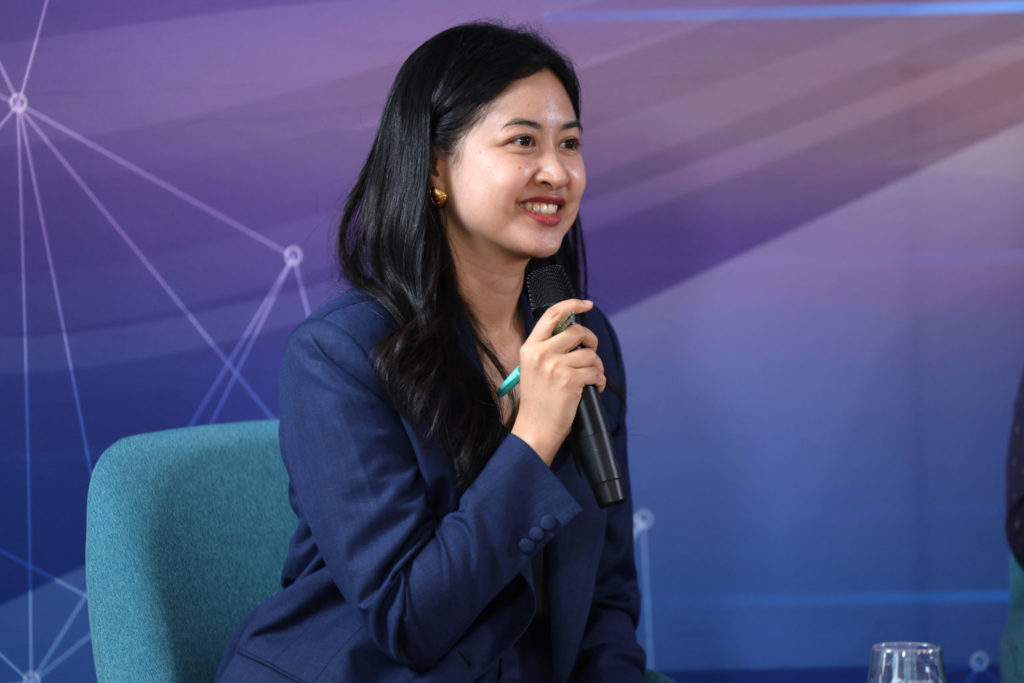
In closing, Dr. Boonwara Sumano Chenphuengpawn, the moderator and a Senior Researcher at the Thailand Development Research Institute (TDRI), summarized the key messages from the dialogue. She noted that risks arising from climate change, digital technologies, disasters, and economic volatility are increasingly overlapping with existing disadvantages faced by people who already have limited resources and opportunities. As a result, inequality is becoming more complex and may intensify.
The key challenge for Thailand’s research and innovation system, therefore, is not simply to generate more knowledge or innovations, but to ensure that knowledge, technologies, and innovations reach people and genuinely contribute to expanding opportunities, reducing inequality, and improving the quality of life of those who are furthest from opportunities. At the same time, inclusive growth cannot be achieved through economic expansion alone. It must be growth that enables people from all groups to access resources and opportunities, participate in shaping the direction of development, and fairly benefit from knowledge, technologies, and innovations. Ultimately, Thailand’s development must ensure that everyone has the opportunity to move forward together, leaving no one behind.
Key Messages
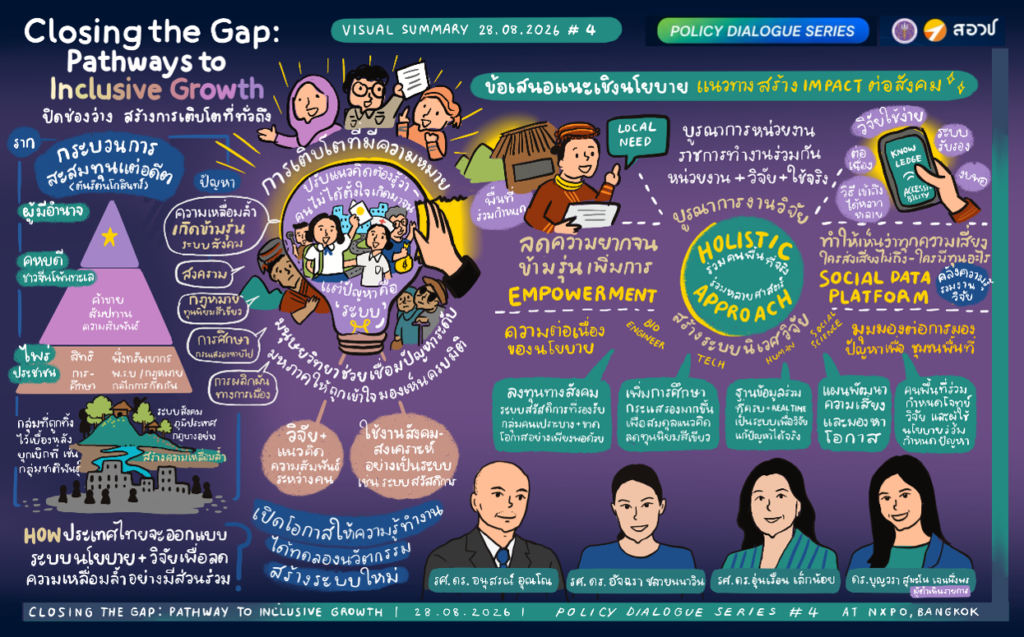
To address inequality, Thailand needs to shift from isolated interventions toward systemic reform that creates opportunities and empowers people, using knowledge and data as a foundation, integrating efforts across sectors, and enabling communities to participate in policy design. This shift is essential to achieving inclusive growth and ensuring that no one is left behind.
• Recognize inequality as a systemic problem, not an issue affecting any single group. Inequality is interconnected with education, laws and regulations, human capital development, resource distribution, and social structures. Solutions must therefore focus on addressing the “system” rather than tackling individual issues in isolation.
• Shift from “reducing poverty” to “empowerment.” Policies should focus on building people’s capabilities and their ability to shape their own lives, while enabling individuals and communities to identify challenges and design development approaches that respond to local needs.
• Address inequality through a holistic approach and sustained policies. Social, economic, technological, scientific, and human dimensions must be addressed in an integrated manner, alongside policy continuity to ensure long-term results rather than relying on fragmented or short-term measures.
• Enable community-led research agendas. Research agendas should prioritize the needs of local people, particularly those furthest from centers of power, and involve them from problem identification through the formulation of research questions. This will help ensure that research responds to genuine needs while further decentralizing knowledge production to local communities.
• Use data and knowledge to design targeted and effective policies. Data from government agencies and research should be integrated to identify “who is at risk and who has resources and capabilities.” Local-level and real-time data should also be used to develop a deeper understanding of problems and design more precise and effective measures.
• Make “equity” and “impact” key objectives of research. Research should prioritize vulnerable groups and those with the least voice in the system, while fostering shared ownership among relevant agencies and establishing a joint commitment to translating research findings into concrete action.