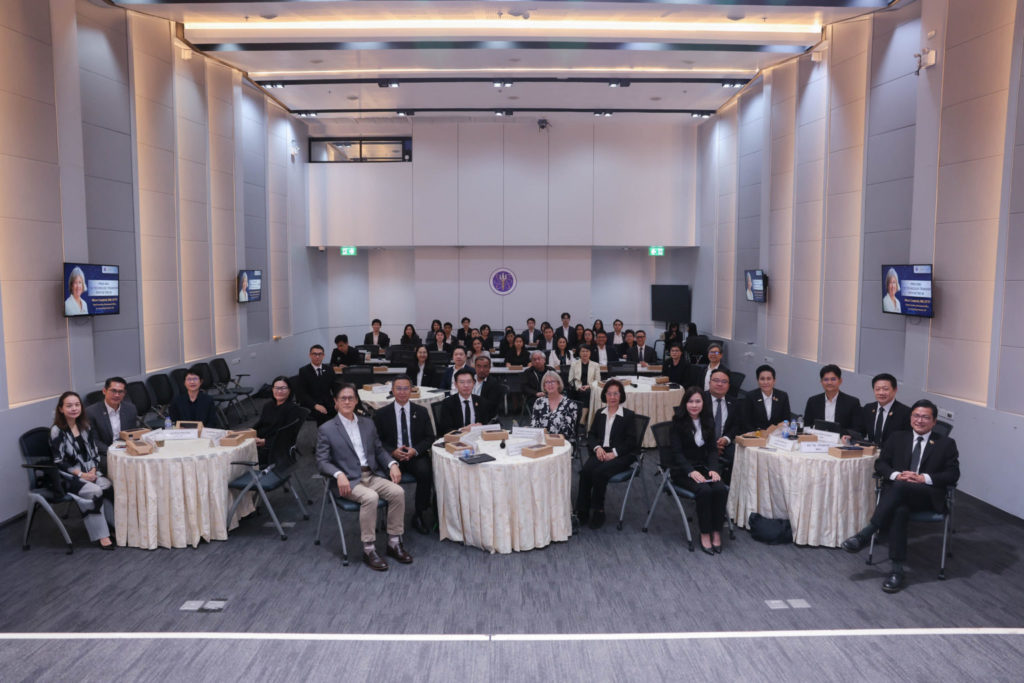
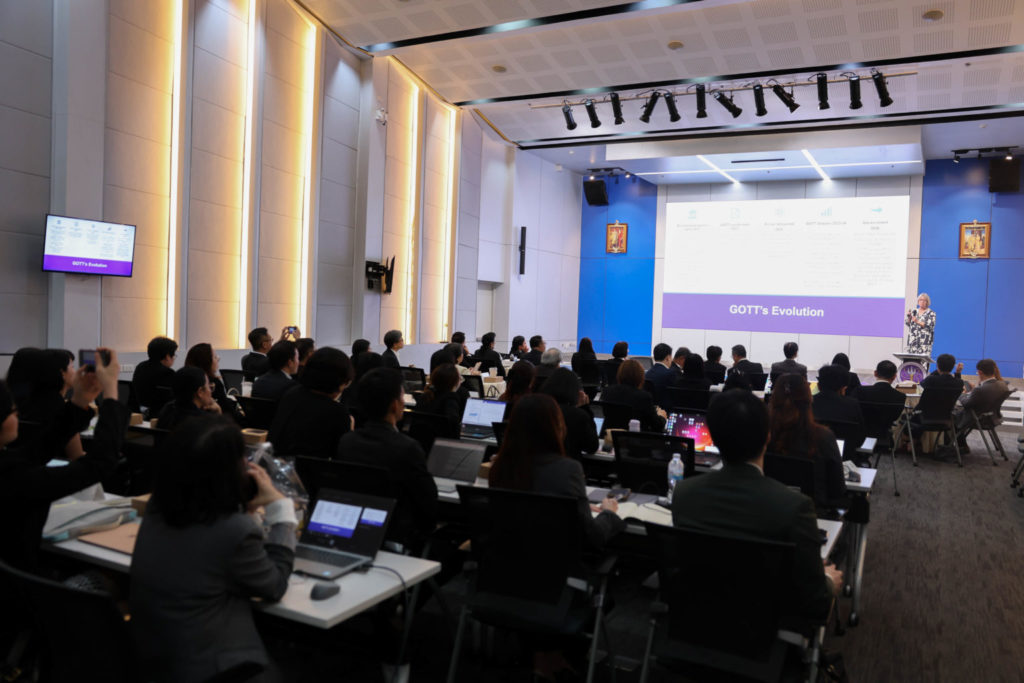
On 27 August 2026, NXPO convened a meeting on advancing technology transfer for government agencies with senior executives from the United Kingdom’s Government Office for Technology Transfer (GOTT).
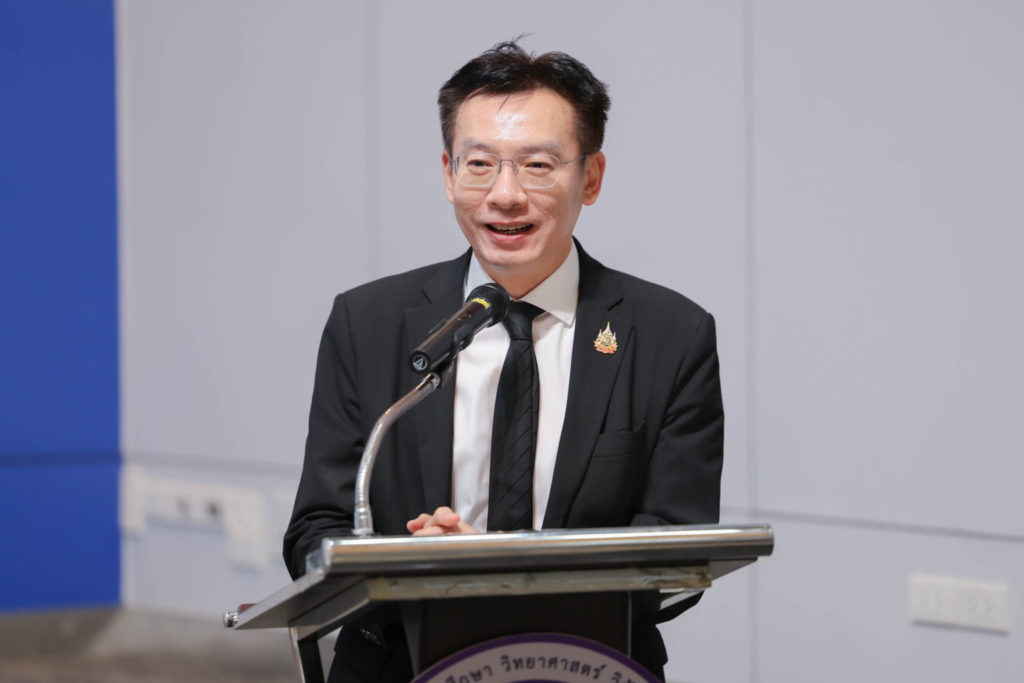
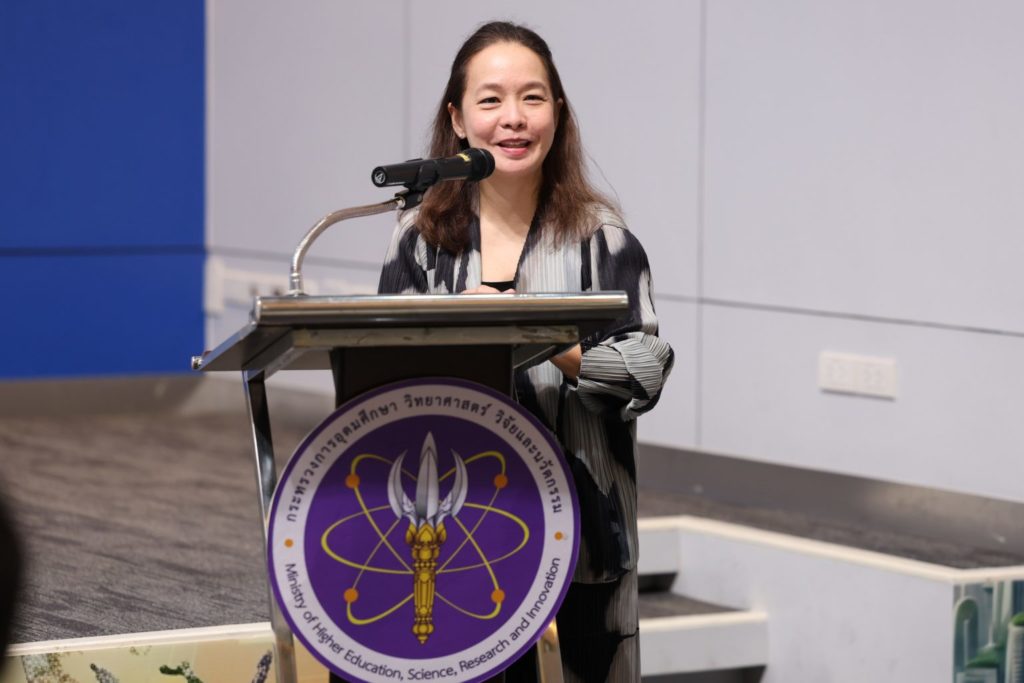
In his remarks, Prof. Dr. Supachai Pathumnakul, Permanent Secretary of the Ministry of Higher Education, Science, Research and Innovation (MHESI), said that MHESI has assigned NXPO to examine technology transfer models and explore approaches for their implementation in Thailand. One model being considered is GOTT UK, which provided the basis for the meeting and brought together representatives from several Thai organizations involved in research to exchange knowledge and experience. The discussions are expected to provide greater clarity on how Thailand could establish and develop its own national technology transfer mechanism.
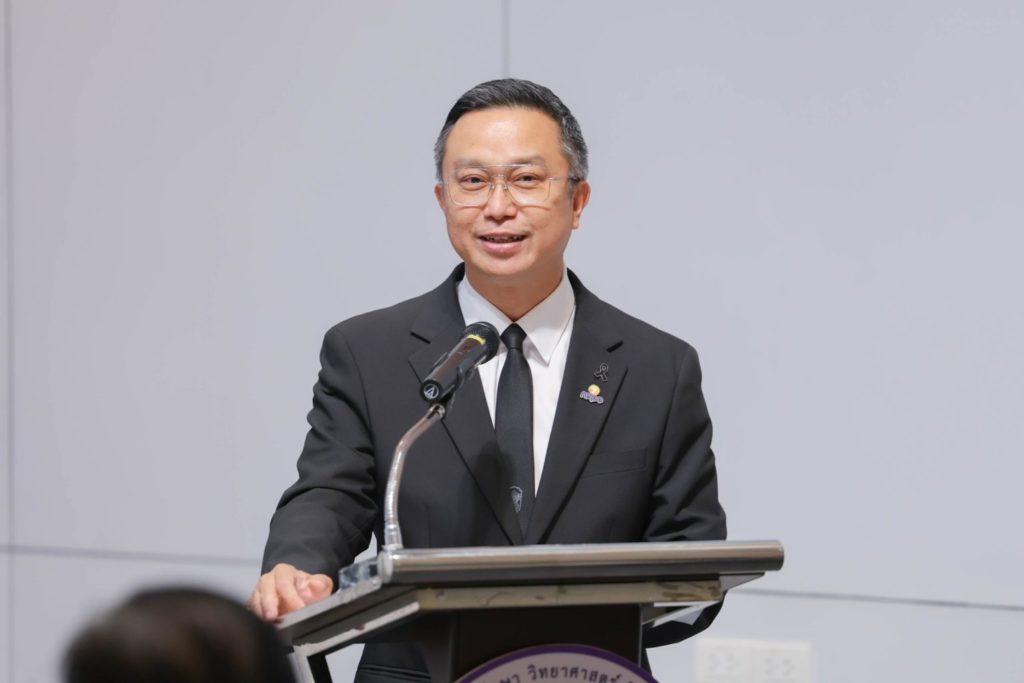
In his address, while Dr. Surachai Sathitkunarat, President of NXPO, said that NXPO is applying the Mission-Oriented Innovation Policy (MOIP) approach to support the development of the five-year policy and strategic framework for higher education, science, research and innovation (2028–2032). The framework aims to establish a clear direction for national development through targeted missions while systematically connecting the efforts of all sectors. The draft framework identifies five areas of strategic transformation. One is expanding economic opportunities and strengthening grassroots communities through innovation, which will serve as a key foundation for driving a high-value economy. This effort emphasizes building an innovation ecosystem that connects deep tech developed in universities with practical applications in industry.
NXPO has also established a working group to study and advance technology transfer for government agencies, as well as approaches to promoting Thailand’s new economy through technology transfer. The working group will design systems and supporting infrastructure aligned with national policy directions. NXPO will serve as a coordinator, working with agencies under MHESI as well as research organizations outside the Ministry.
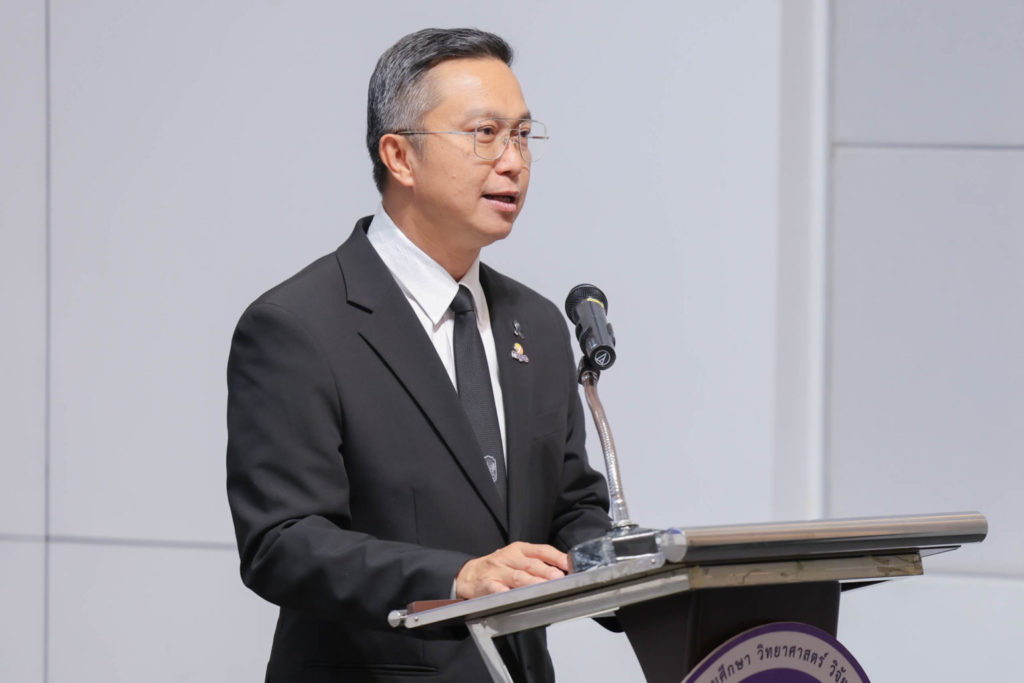
“The insights gained from discussions with GOTT UK at this meeting will provide important input for the working group in designing and determining the policy direction for GOTT Thailand. This will be complemented by an analysis of organizational capabilities and gaps, ultimately leading to concrete policy recommendations for submission to the National Higher Education, Science, Research and Innovation Policy Council. The goal is to position technology transfer as a key mechanism for driving Thailand’s new economy,” Dr. Surachai said.

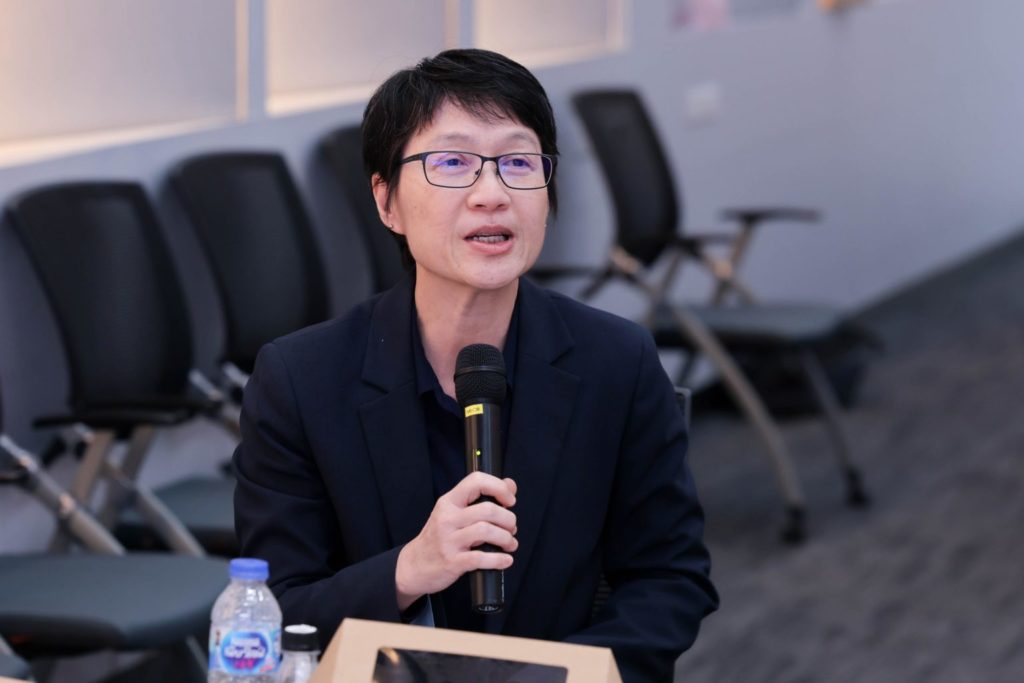
The event also featured a special lecture on “The Role of Public Research Organizations in Technology Transfer for Economic and Social Impact” by Dr. Alison Campbell, Chief Executive Officer of GOTT. She provided an overview of GOTT UK’s role as a central mechanism for strengthening intellectual property (IP) management and technology transfer among Public Sector Research Organisations (PROs). Rather than taking ownership of IP on behalf of these organizations, GOTT focuses on strengthening capabilities in areas where individual organizations have gaps. Its support covers a range of activities, including identifying and assessing the potential of knowledge assets, supporting proof-of-concept activities, providing IP and business development advice, and building the skills and professional networks of technology transfer personnel.
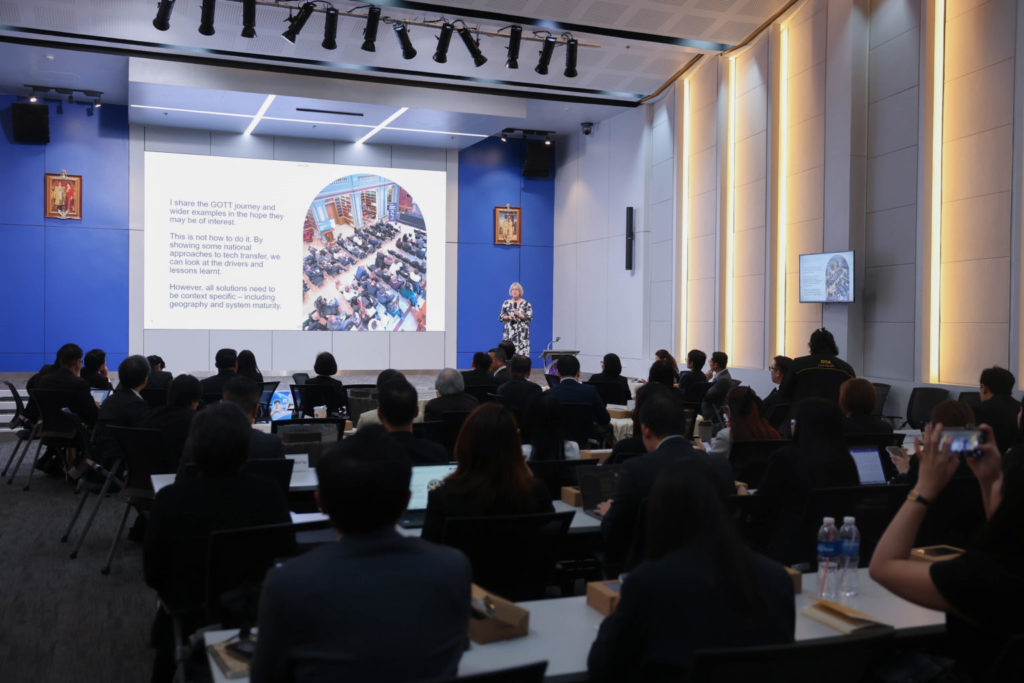
At the heart of the GOTT model is the development of a national platform and shared capability. Rather than establishing a new system that duplicates existing capabilities, GOTT tailors its support to the level of readiness and specific needs of each organization. Its experience has shown that providing the same level of support to every organization is not an effective approach. GOTT has therefore shifted toward focusing resources on organizations with the readiness and potential to generate tangible outcomes. For some organizations, its role may be limited to providing advice and facilitating networks, while others may require more extensive support, including assistance in developing IP policies and systems from the ground up.
GOTT also places strong emphasis on connecting research with businesses, investors, and entrepreneurs to help move research beyond technology development toward commercial opportunities. It draws on external experts to provide support in business development and valuation, as well as through the Entrepreneur in Residence model. This approach brings individuals with business experience into organizations to help develop business propositions and spin-out opportunities, while also connecting promising research-based opportunities with venture capital to support their commercial development.
The UK experience demonstrates that building a strong technology transfer system is not simply a matter of providing funding. It requires simultaneous attention to “Minds, Metrics and Money”—fostering a culture that is open to risk-taking, establishing performance indicators that reflect real-world outcomes, and ensuring access to funding at critical stages of technology development. These lessons provide important guidance for developing GOTT Thailand as a national technology transfer platform that connects and strengthens the capabilities of research institutes, universities, businesses, investors, and experts. Such a platform could help accelerate the translation of publicly funded research and knowledge into practical applications, while generating tangible economic and social impacts. As NXPO continues to study potential models for promoting and advancing technology transfer among government agencies, the knowledge and insights exchanged during this meeting will provide valuable input for shaping Thailand’s approach and moving the GOTT Thailand initiative forward.