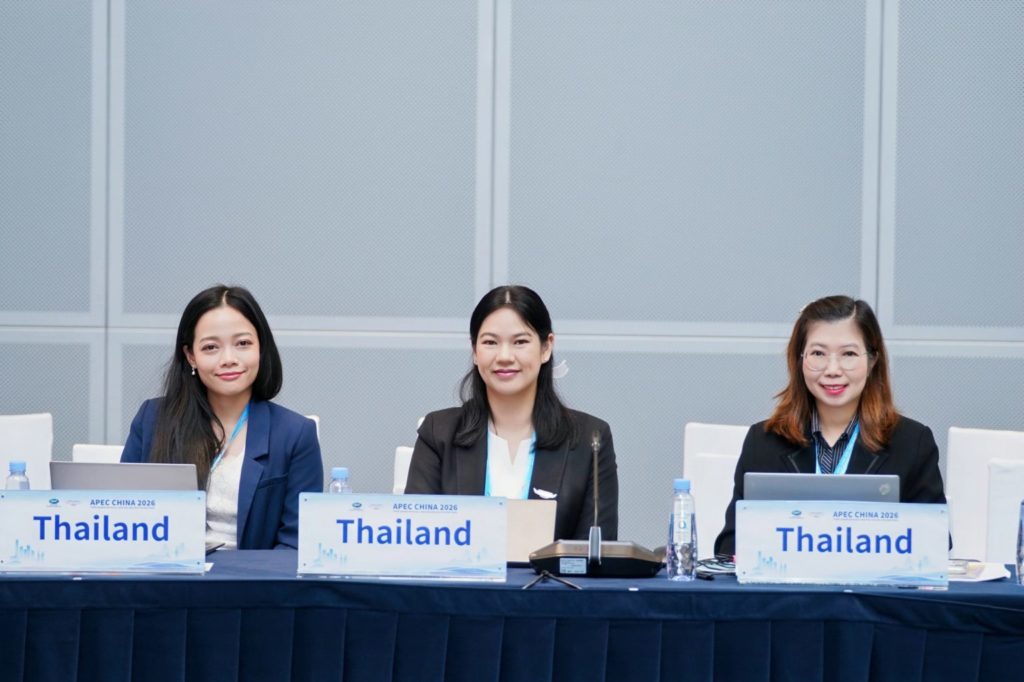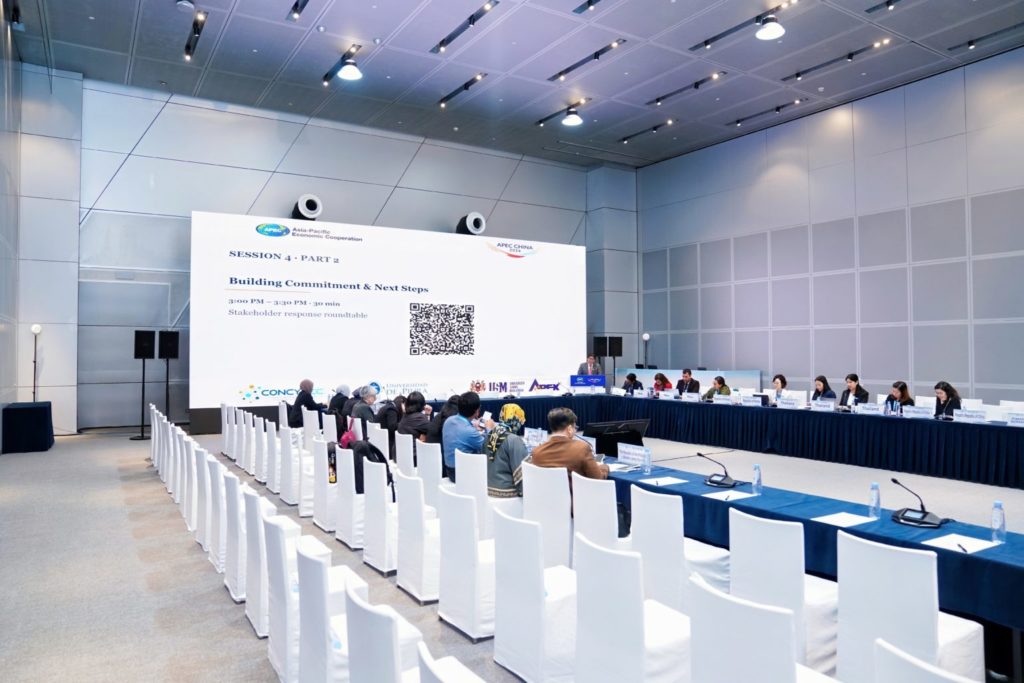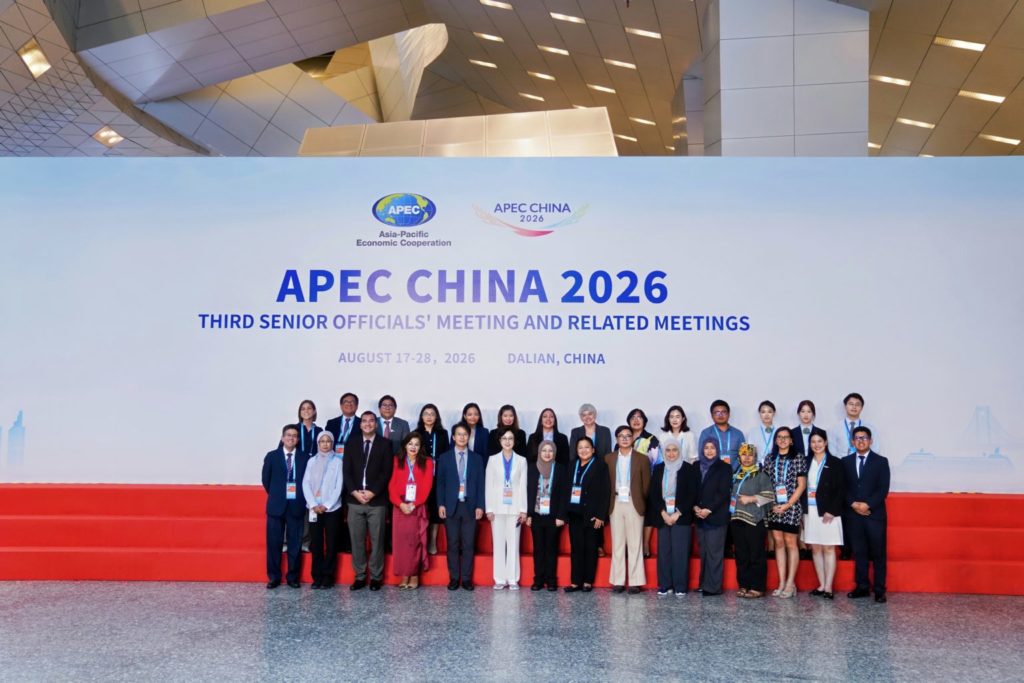
Ms. Panisa Harnpathananun, Senior Director of the Higher Education Innovation and Future Skills Development Division at NXPO, together with Dr. Natthamon Suwannaprom, and Ms. Jirapan Christian Linares, Policy Developers at NXPO and the APEC Technology Foresight Center, participated in the APEC Women in STEM and Digital Economy Policy Workshop, held on 17-18 August 2026 at the Dalian International Conference Center in Dalian, China.
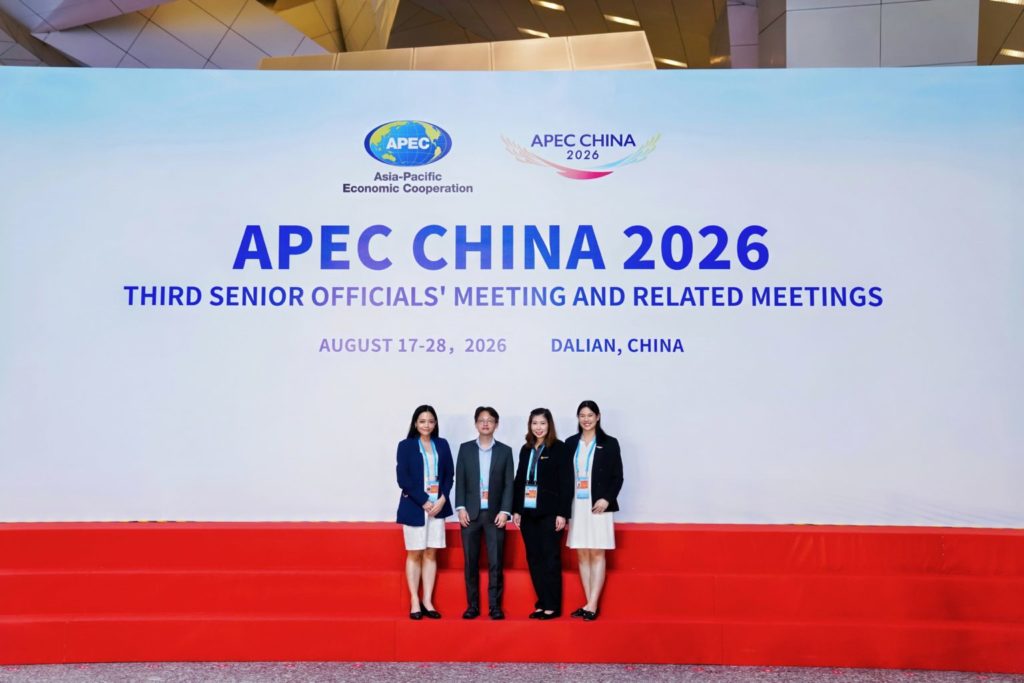
The workshop was organized under the APEC Women in STEM and Digital Economy Policy Studies (PPSTI 101 2025) within the framework of the APEC Policy Partnership on Science, Technology and Innovation (PPSTI). The project is led by the University of Piura of Peru, in collaboration with Sains University of Malaysia, with Thailand as one of the co-sponsoring economies.
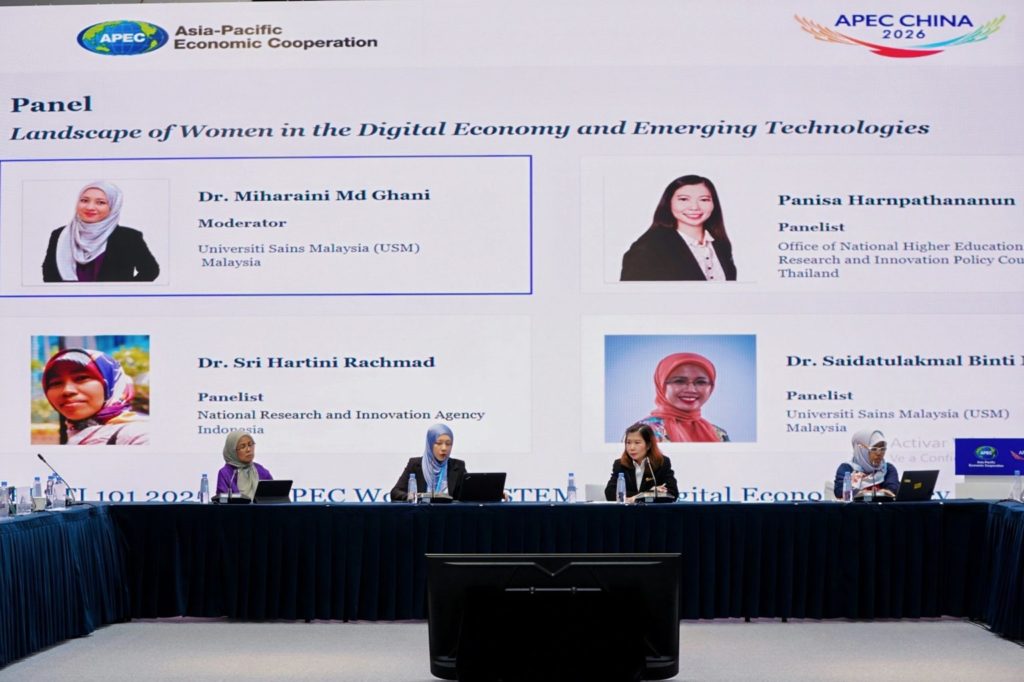
The workshop aimed to examine barriers that limit women’s participation in science, technology, engineering, and mathematics (STEM) and the digital economy. These barriers include limited access to education and digital tools, challenges in employment and entrepreneurship, and persistent social norms and gender stereotypes. Participants exchanged policies, measures, and best practices from their respective economies to develop evidence-based and gender-responsive policy recommendations. The outcomes will contribute to a study report containing policy recommendations and a Digital Resource Toolkit for APEC economies.
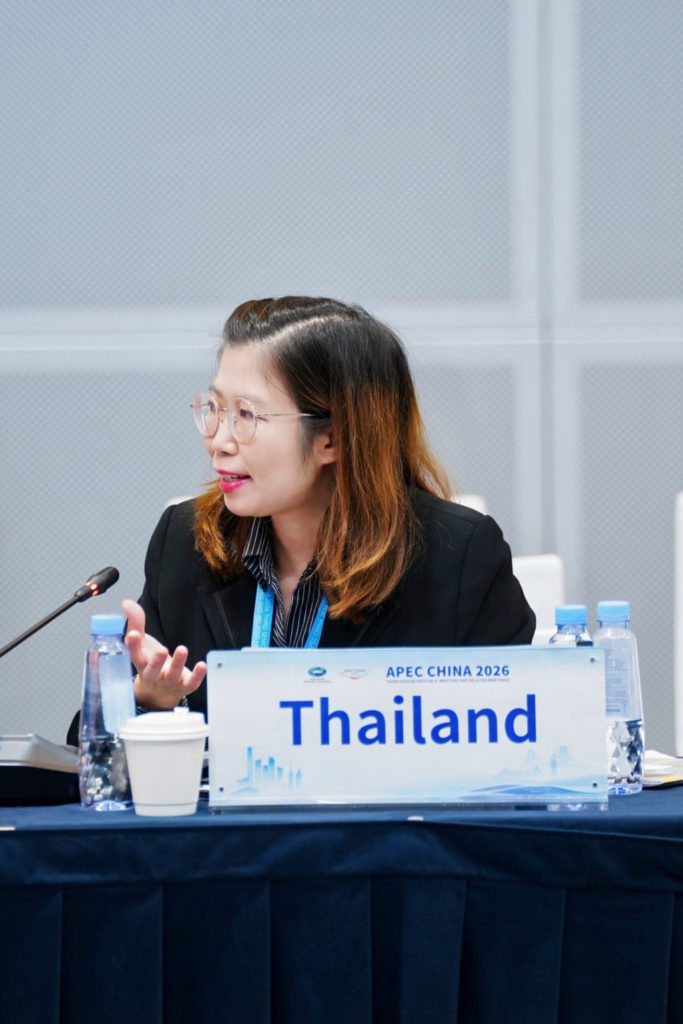
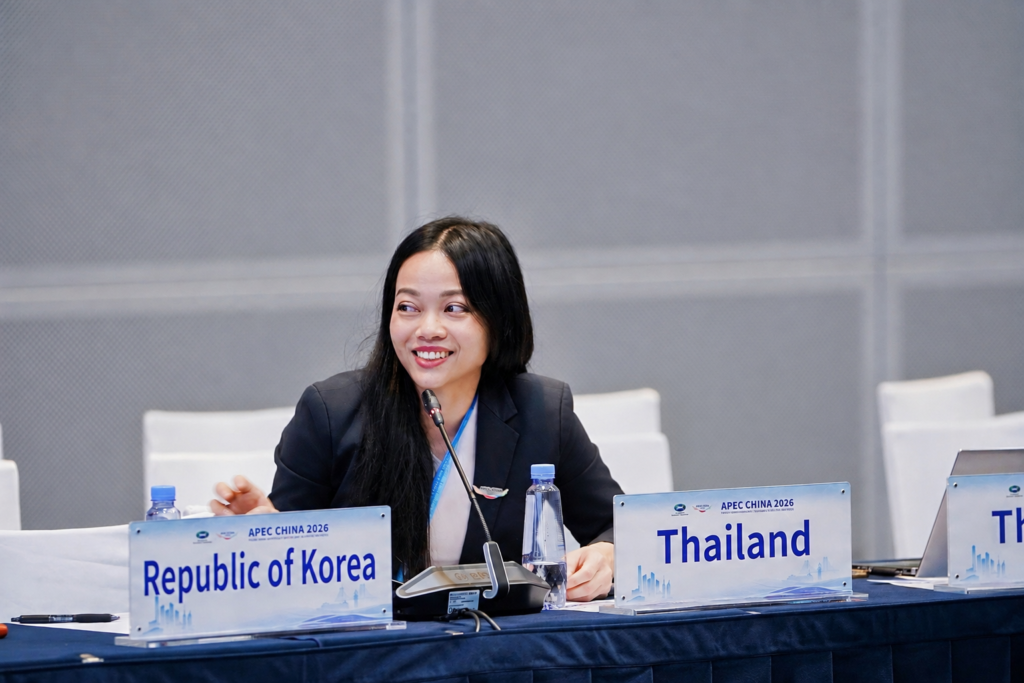
During the workshop, Ms. Panisa served as a speaker in the session “Digital Economy and Emerging Technologies,” where she shared Thailand’s experiences and policy perspectives on workforce and future skills development, strengthening higher education systems to respond to the needs of the digital economy, and creating more inclusive opportunities for women to pursue careers in STEM and digital technologies.
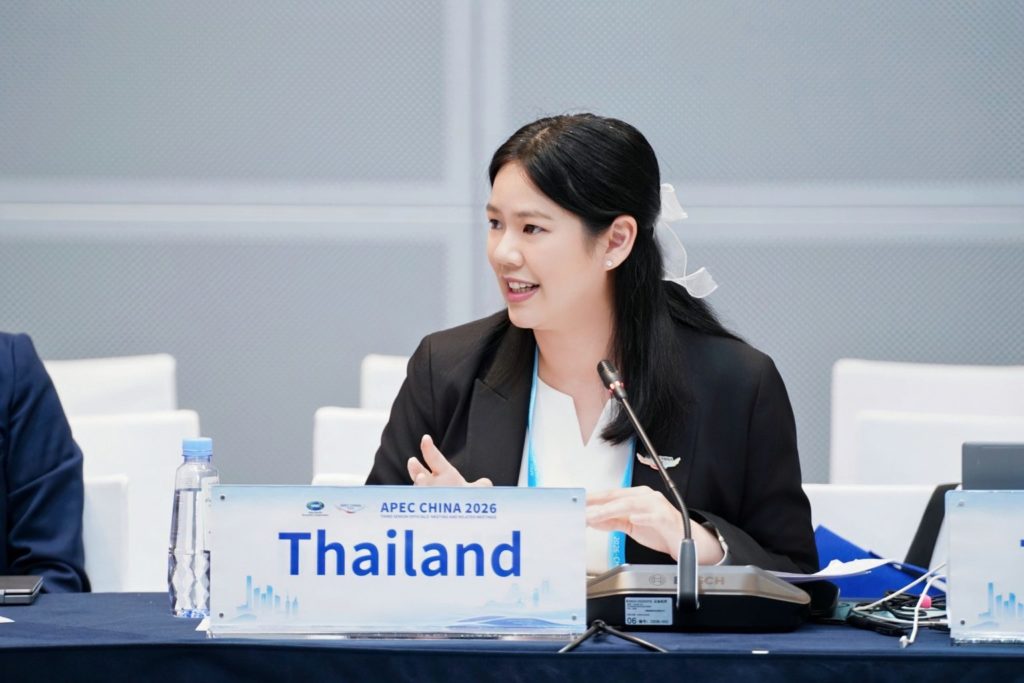
The NXPO delegation also participated in discussions and the development of policy recommendations with representatives from APEC economies across five key areas: education and early-career pathways; participation and advancement in the workplace; entrepreneurship and access to finance; digital and artificial intelligence (AI) skills; and social norms and gender stereotypes. The delegation also joined representatives from Chile, Indonesia, Malaysia, Peru, and the Philippines in presenting policy recommendations.
Through its engagement in the APEC framework, NXPO continues to contribute to regional cooperation on inclusive science, technology, and innovation policies, while identifying opportunities for collaboration and supporting the development of a skilled and future-ready workforce to advance Thailand’s national development.