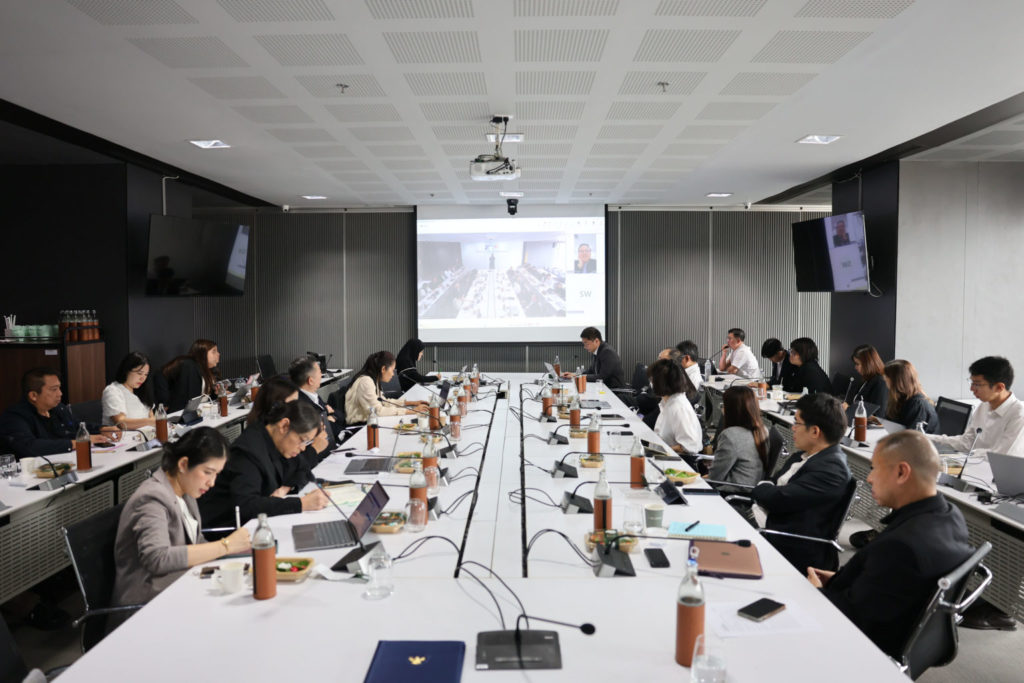
On 10 August 2026, NXPO, in collaboration with the Thailand Institute of Nuclear Technology (TINT), organized a consultation meeting on the draft white paper, “Policy Study on Small Modular Reactors (SMRs) and Their Potential Applications in Thailand.”
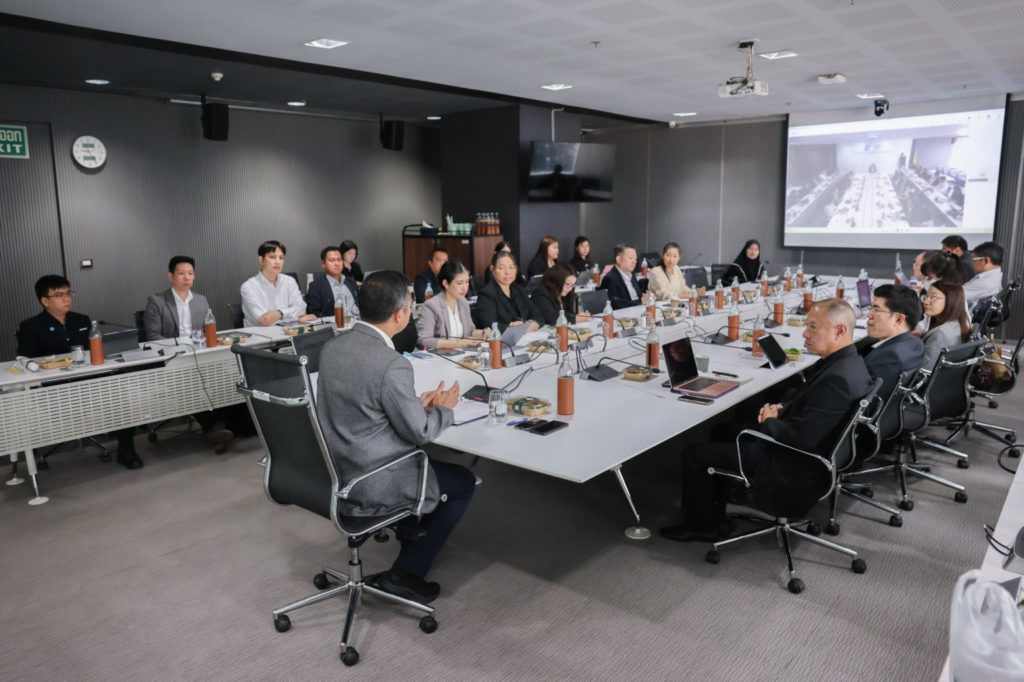
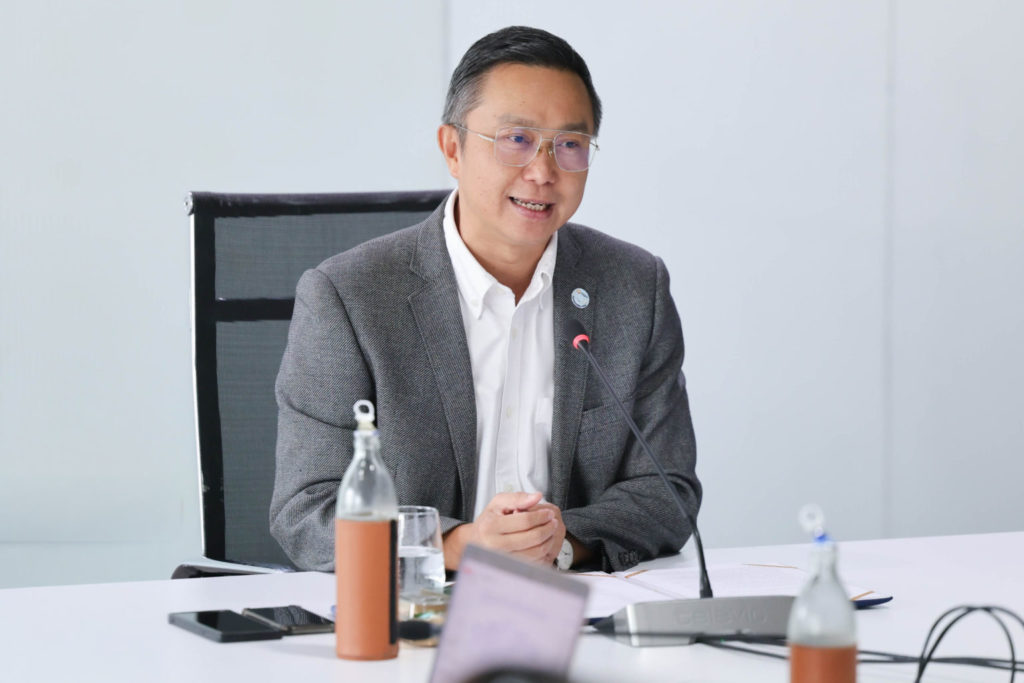
In his opening remarks, Dr. Surachai Sathitkunarat, President of NXPO, emphasized that achieving Thailand’s net-zero target by 2050 will require a combination of renewable energy development, improved energy efficiency, and emerging low-carbon energy technologies with long-term potential. SMRs have attracted growing international attention because of their potential to generate low-carbon electricity, offer flexibility in deployment, support the integration of renewable energy into electricity systems, and contribute to Thailand’s long-term energy security.

“To move this issue forward, NXPO initiated the development of this white paper. This meeting is intended not only as an academic exchange of views, but also as an important step toward developing evidence-based policy recommendations for the government,” Dr. Surachai said.

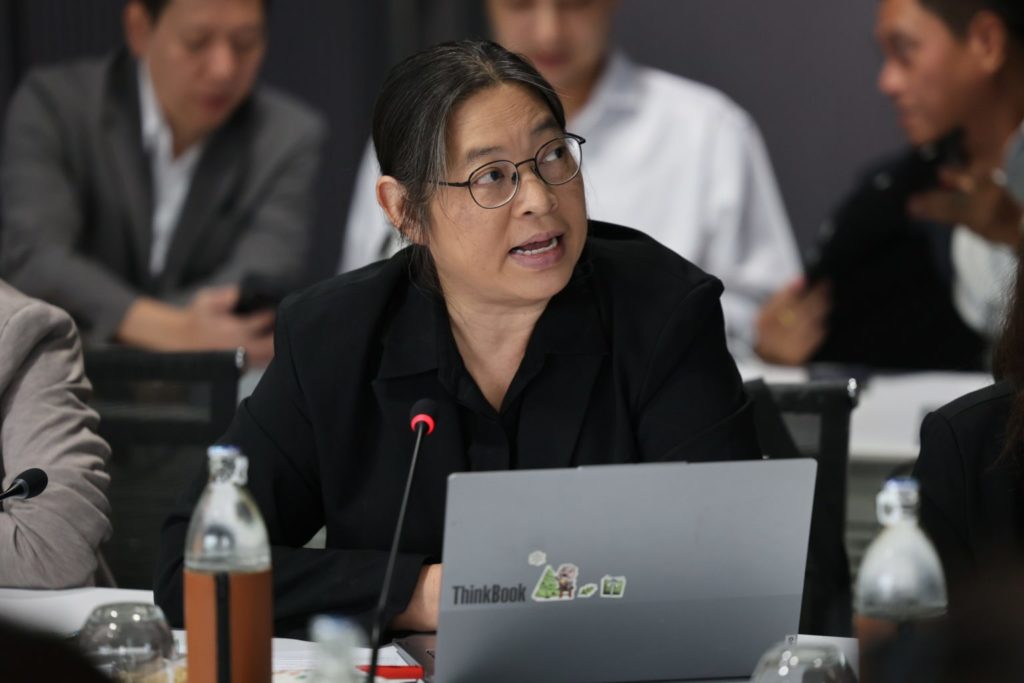
Dr. Saravanee Singtong, Director of the Sustainability Policy Division at NXPO, and Dr. Kanokrat Tiyapun, Manager of the Nuclear Engineering and Technology Center at TINT, presented an overview of the five major components of the draft white paper:
- Technology Drivers — This section examines the factors driving demand for SMRs, including growing demand for clean energy, energy security challenges, geopolitical developments, and the need to support national net-zero targets.
- Technology Landscape and Trends — This section provides an overview of the evolution of SMR technology, its technological readiness in Thailand and internationally, and lessons learned from SMR development in other countries.
- Technology Prioritization — This section proposes an approach to SMR deployment in Thailand, including potential implementation pathways and deployment targets. It assesses national readiness and identifies technologies suited to Thailand’s specific context, taking into account energy requirements, economic considerations, safety, and the regulatory framework.
- Technology Development in Thailand — This section examines workforce development, research and innovation, technology transfer, and supporting infrastructure. It also focuses on strengthening domestic industrial capabilities and supply chains to attract investment and generate greater domestic value added, while promoting international cooperation to accelerate knowledge transfer and enhance Thailand’s technological capabilities.
- Technology Roadmap for Thailand — This section outlines pathways for implementation, including strengthening the legal and regulatory framework, nuclear safety and security, and sustained engagement and participation across all sectors. Expected outcomes include a secure and reliable energy supply, support for achieving Thailand’s net-zero target, economic and industrial development, improved quality of life and societal security, and Thailand’s advancement toward becoming a regional leader in nuclear technology.


The consultation focused on five key areas: (1) the necessity and context of SMRs in Thailand; (2) infrastructure readiness; (3) technology and safety considerations; (4) workforce development to support SMRs; and (5) the roadmap and implementation mechanisms for SMRs in Thailand. Participants emphasized the importance of presenting information on SMR technologies in an objective and balanced manner that reflects current technological and market conditions, while recognizing that technologies attracting significant attention today may evolve as markets and industries develop. They also recommended assessing the potential of Thailand’s domestic industries to manufacture relevant components and equipment, as well as considering the government’s role in supporting the development of domestic industries and supply chains. Representatives from the industrial sector highlighted growing demand among businesses and international trading partners for clean electricity and low-carbon energy, identifying this as an increasingly important factor in the future competitiveness of Thailand’s manufacturing sector. Participants also recommended considering a range of nuclear technology options to ensure that any future deployment is aligned with Thailand’s specific context and energy needs.
The meeting also underscored the importance of developing Thailand’s nuclear workforce and knowledge base, particularly for emerging technologies for which the number of qualified experts remains limited. Participants emphasized the need to prepare the necessary legal and regulatory frameworks, standards, and supporting infrastructure to support nuclear projects throughout all stages of development and operation.
Another key issue was the importance of building public understanding and acceptance, which are critical to the successful development of nuclear projects in Thailand. Participants recommended systematic public communication and education initiatives at all levels, together with comprehensive assessments of public concerns and societal perceptions. These efforts would help strengthen public confidence and promote participation by all sectors.
The comments and recommendations from participants will be incorporated into revisions of the draft white paper before publicly disseminated.